Where does wine rest?
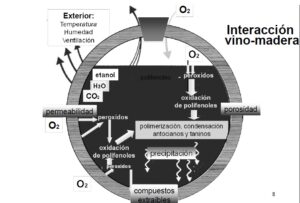 Wine ageing in wood is an ancient practice that has played a significant role in the development and diversification of the flavour profiles of wines around the world.
Wood has been used for wine ageing since ancient times, when terracotta amphorae and wooden barrels were the main containers used for storing and maturing wine.
Despite the advent of modern stainless-steel winemaking techniques and new temperature-control technologies, wine ageing in wood continues to be an important part of the production process, especially for red wines.
Types of wood
Wooden barrels are made from the wood of various tree species, including oak, chestnut, cherry and acacia. Oak is the wood species most commonly used for wine ageing, as it gives wine a rich, complex, vanilla flavour. The origin of the wood also gives wine unique influences.
French oak barrels, for example, impart notes of vanilla, spices and cocoa, while American oak barrels tend to produce wines with more intense flavours of coconut, tobacco and smoke. Wine ageing in wood has several advantages over ageing in stainless steel. Wood allows small amounts of oxygen into the wine, facilitating the maturation process and helping to stabilise the product.
What does wood impart?
Wood imparts softer tannins and a more complex flavour, enriching its aromatic profile and giving it greater structure and softness. In addition, contact with wood can add unique aromas and flavours that cannot be obtained through other ageing methods. This type of ageing can take place in barrels of different sizes, ranging from a few litres to thousands of litres.
The different sizes
Larger barrels, such as 500-litre barrels, are commonly used because they allow the wine to remain in contact with the wood for longer and develop a particular aromatic complexity, though less pronounced than in smaller barrels.
225-litre barriques are used for high-quality wines, as they allow better control of the ageing process and give the final product more pronounced woody notes. During ageing in wood, the wine is transferred into barrels, where it is left to mature for a period that can range from a few months to several years.
What happens during ageing
During this period, the wine slowly absorbs the aromatic compounds of the wood, which give the product aromas of vanilla, spices, toastiness and tobacco. Wood also helps to stabilise the wine, reducing acidity and improving structure and softness.
During ageing, the wine periodically undergoes “bâtonnage“, namely mechanical stirring to encourage homogenisation and the breakdown of the fine lees within it. Ageing in wood can have a significant impact on the aromatic and flavour profile. Wines aged in wood tend to have a rounder, softer and more enveloping flavour, with greater aromatic complexity and a long finish on the palate.
What about white wines?
Whites aged in wooden barrels can acquire notes of butter, hazelnut and vanilla, while red wines can develop aromas of spices, tobacco and coffee. In addition, wine ageing in wood can help reduce tannins and acidity in wine, giving it greater structure and softness.
In conclusion
An ancient practice that continues to be used by producers around the world to give their wines aromatic complexity, structure and softness. Wood imbues wine with unique aromas and flavours that cannot be obtained through other winemaking techniques.
It is an art that requires time, patience and experience, but the final results can be extraordinary, producing high-quality wines that can be appreciated and enjoyed by wine enthusiasts around the world.

To find out more
Other stages of winemaking: wine bottling, sulphites in wine: myths and truths, the grape harvest.