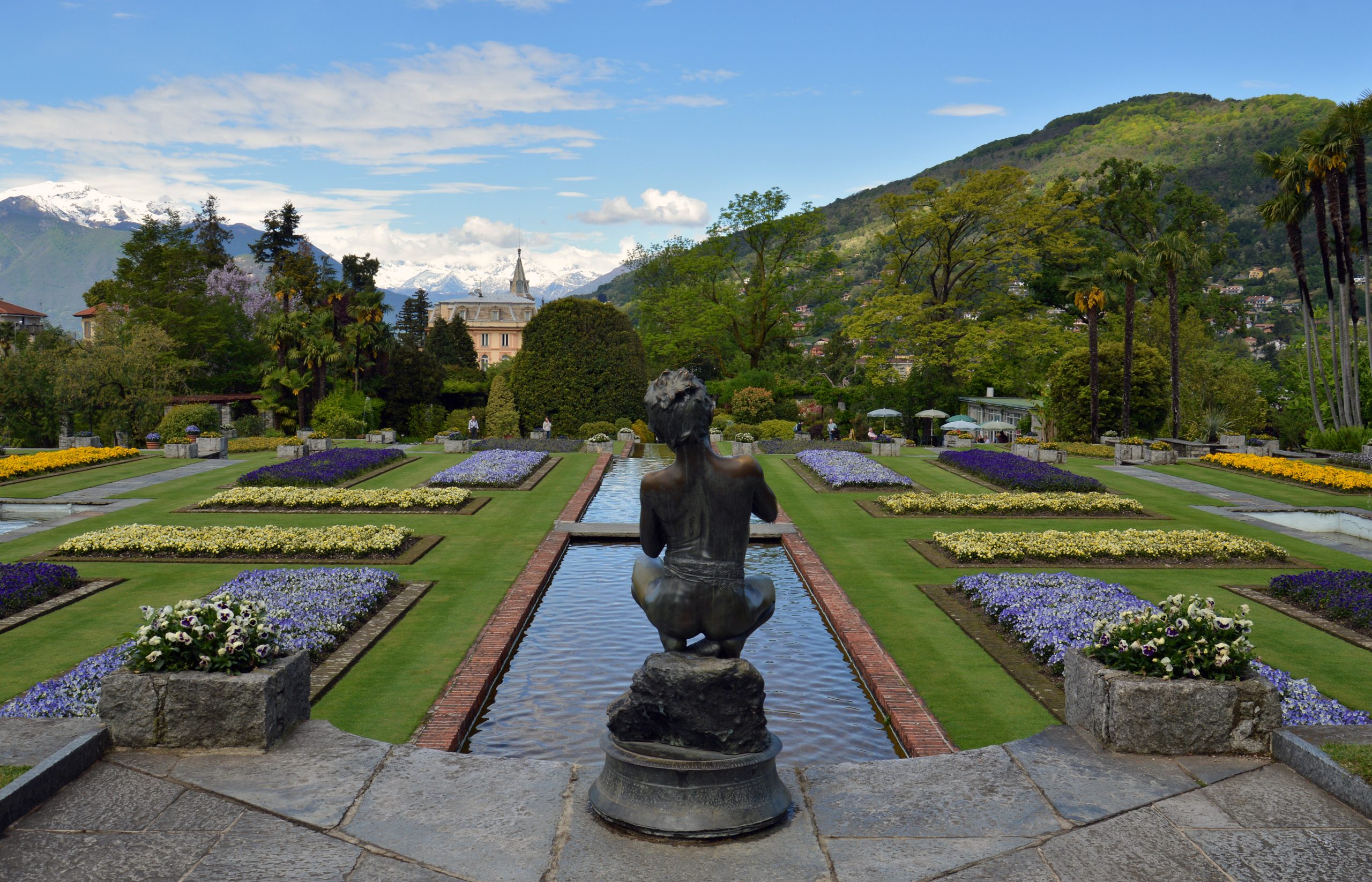
The Botanical Gardens of Villa Taranto owe their existence to a remarkable story, which begins in Scotland and reaches the shores of Lake Maggiore thanks to an advertisement spotted by chance in a newspaper.
A Scottish captain and an advertisement in The Times
In 1930, Captain Neil Boyd McEacharn, born in 1884 in Garlieston, Scotland, into a wealthy family of Jacobite origins, read an advertisement in The Times that piqued his curiosity. Shortly afterwards, he became the owner of the “La Crocetta” estate in the hills of Pallanza, which he purchased from the Marchioness of Sant’Elia. A passionate botanist, McEacharn renamed the property Villa Taranto in honour of the Duke of Taranto, the Napoleonic marshal Étienne Jacques Joseph Alexandre Macdonald, his ancestor.
A life devoted to plants
Throughout his life, McEacharn collected precious and unique plants from all over the world, transforming Villa Taranto into a botanical park renowned far beyond Italy’s borders. He died on 18 April 1964 on the veranda of his villa, overlooking the park to which he had devoted his life, and, according to his wishes, was buried in a chapel-mausoleum built specifically in the centre of the gardens he loved so dearly.
From the Institution to the Foundation
Since 1965, the Villa Taranto Botanical Gardens “Cap. Neil McEacharn” Institution has continued to care for the property. Following amendments to its statutes approved in March 2026, the Institution became a participatory foundation, with a new institutional structure established by prefectural decree.
Villa Taranto in Verbania
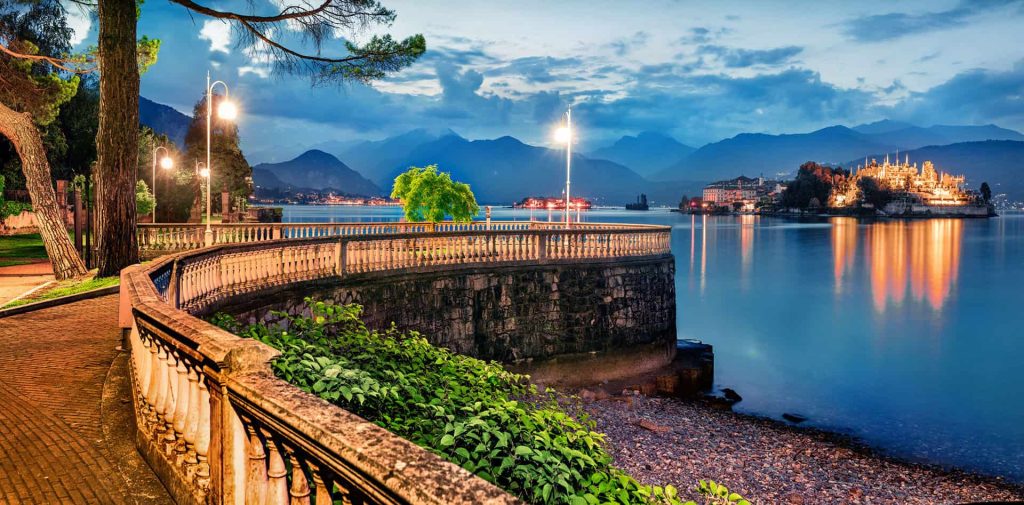
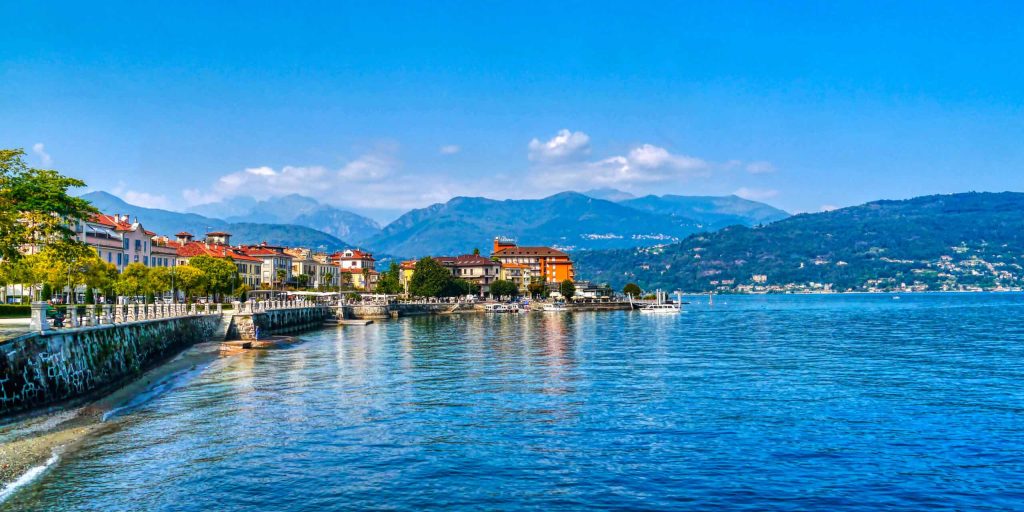
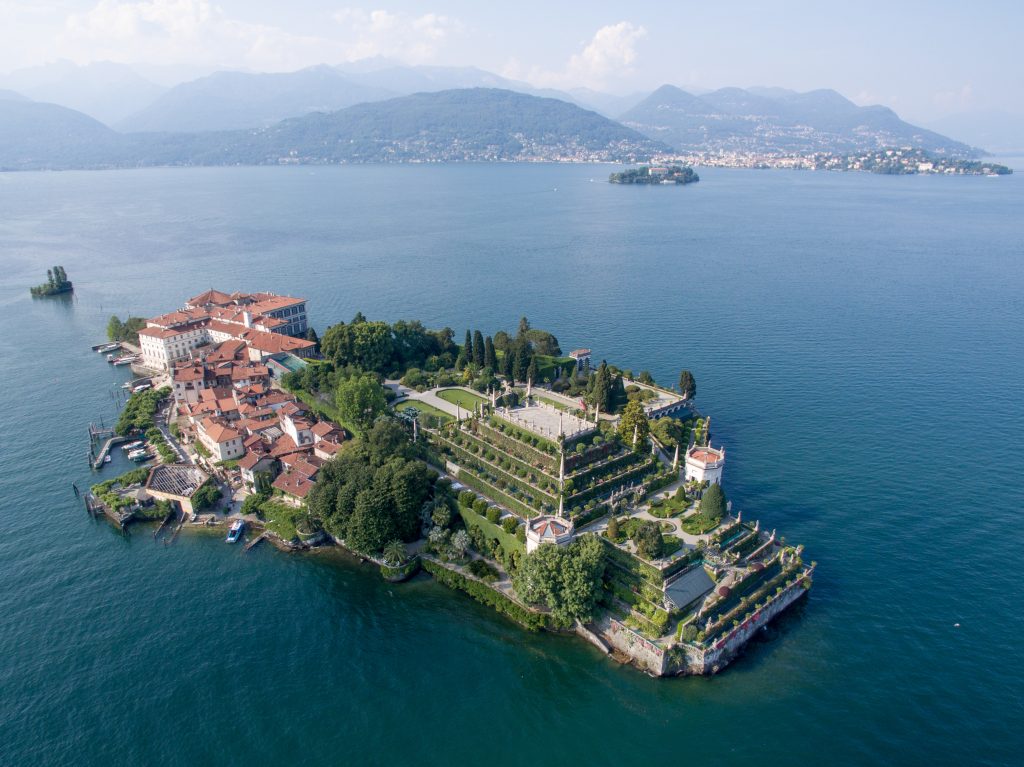
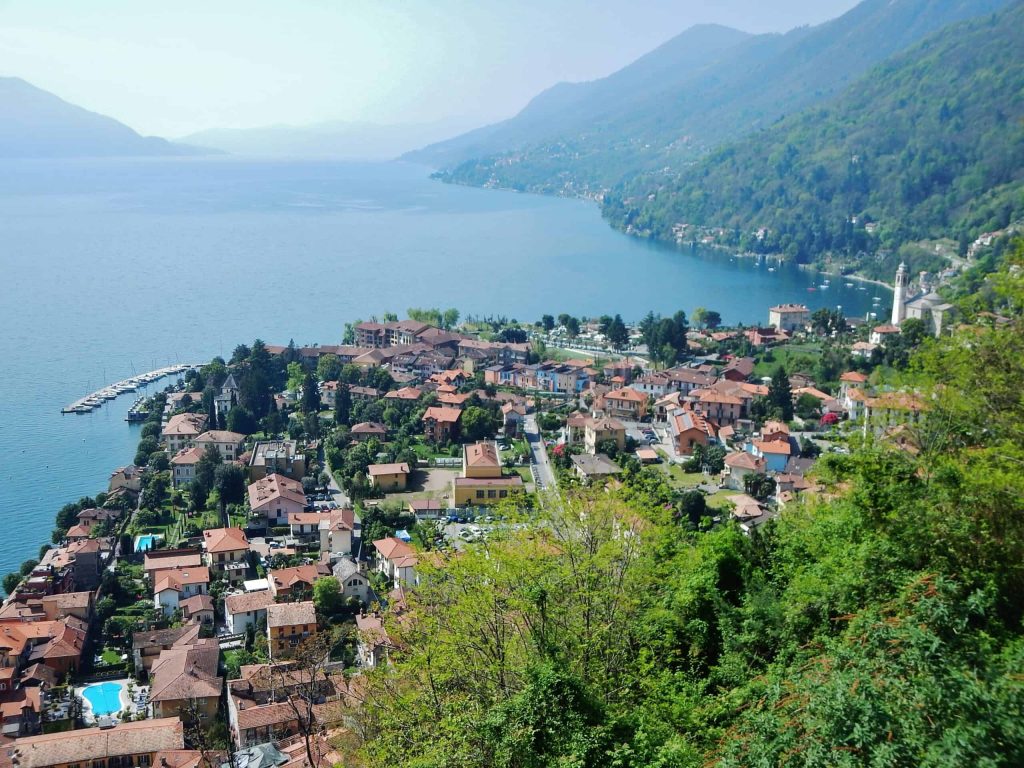
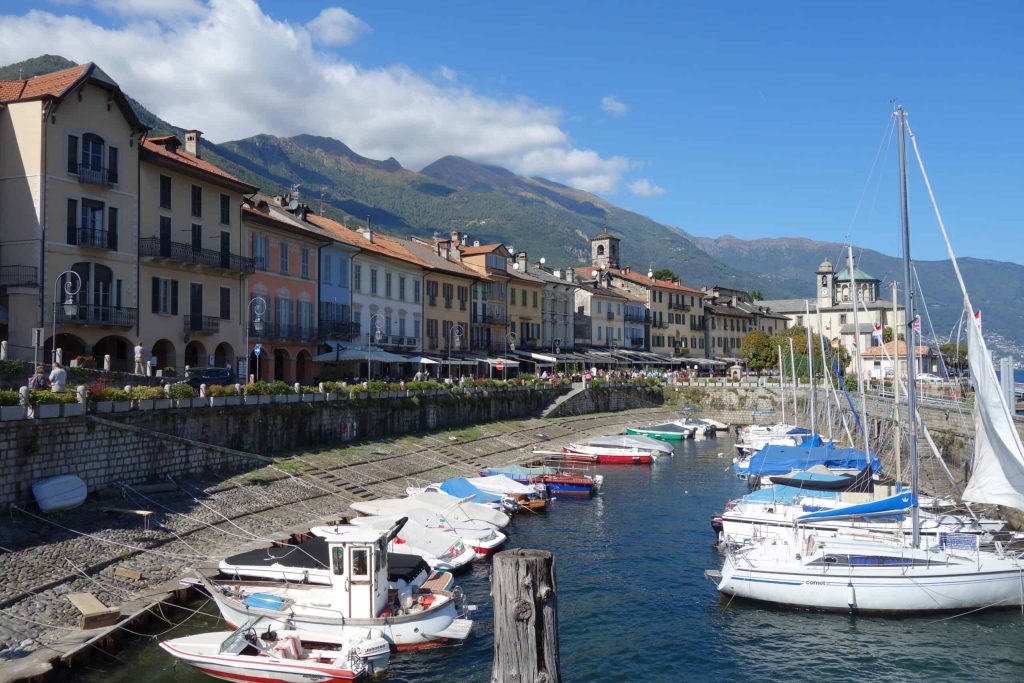
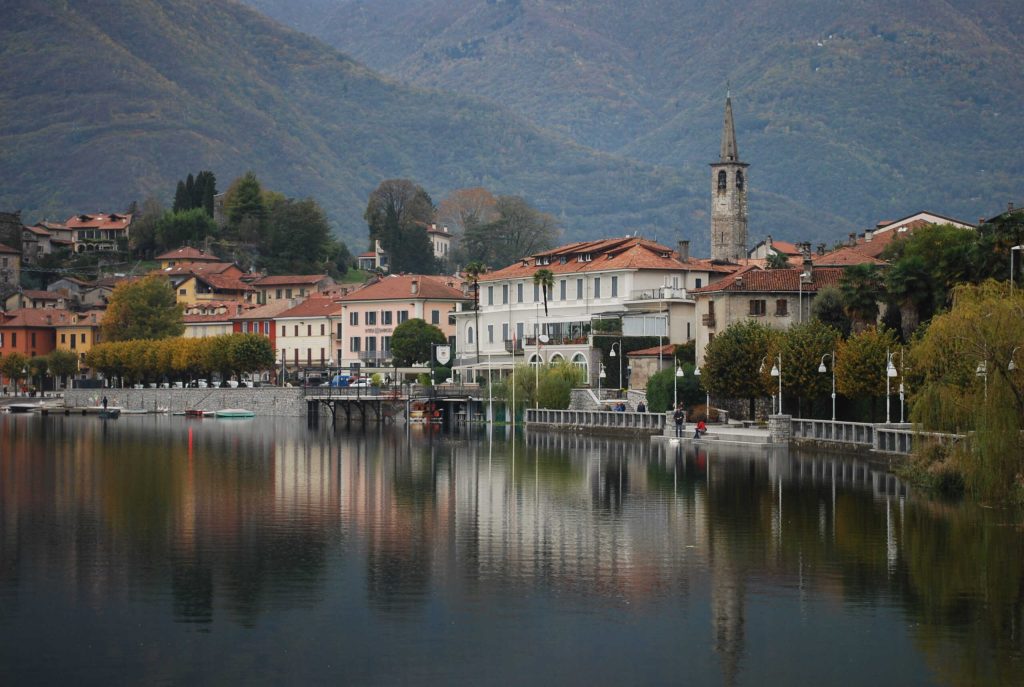
The gardens are located in Verbania, in the hills of Pallanza. For the full history and visiting hours, refer to the official Villa Taranto website.
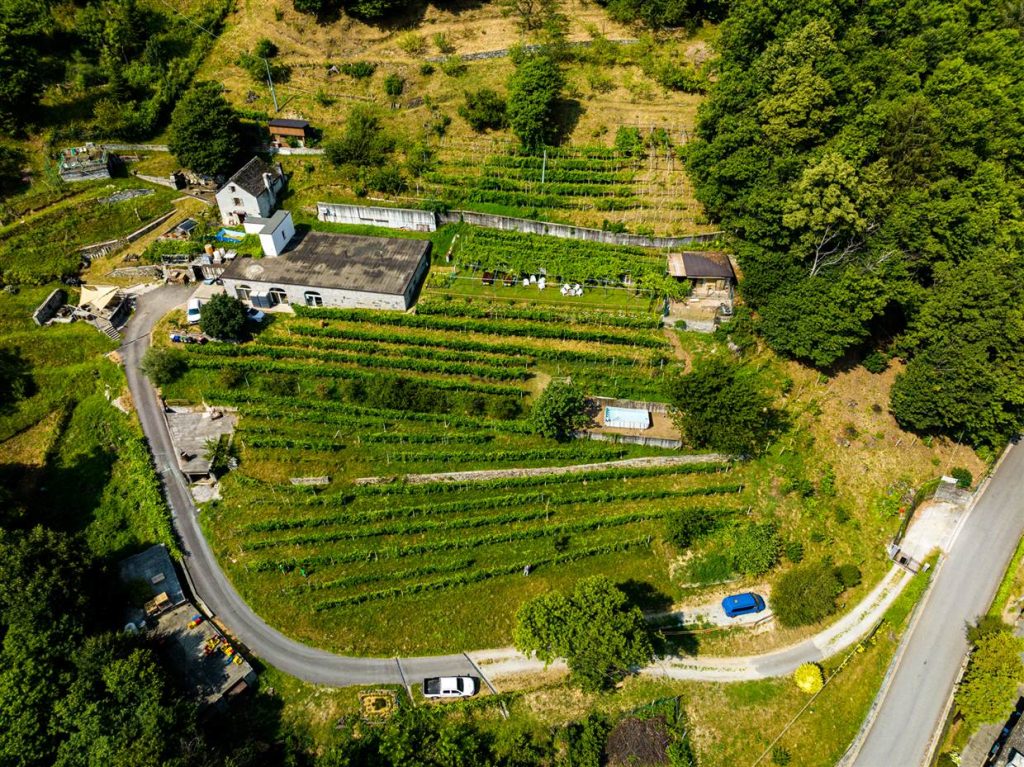
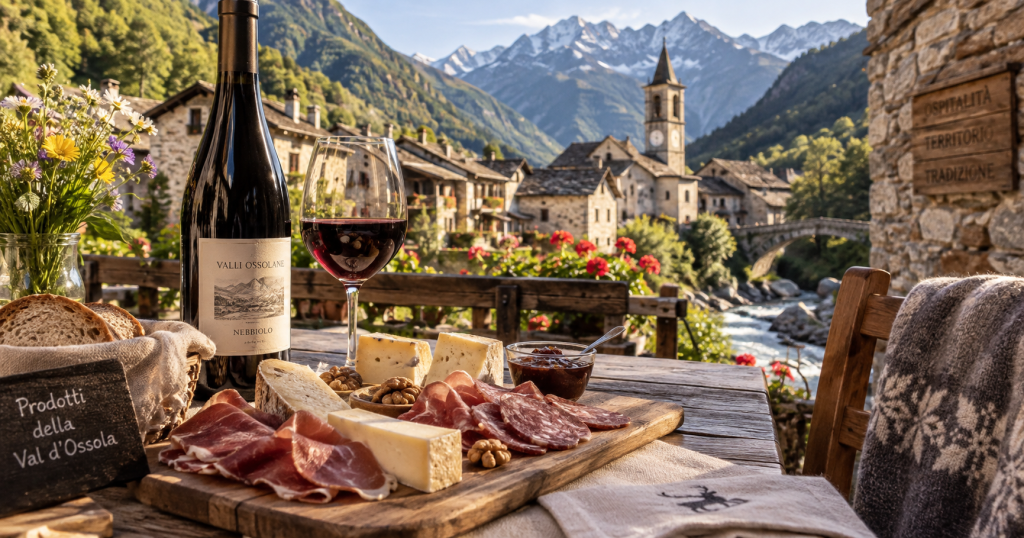
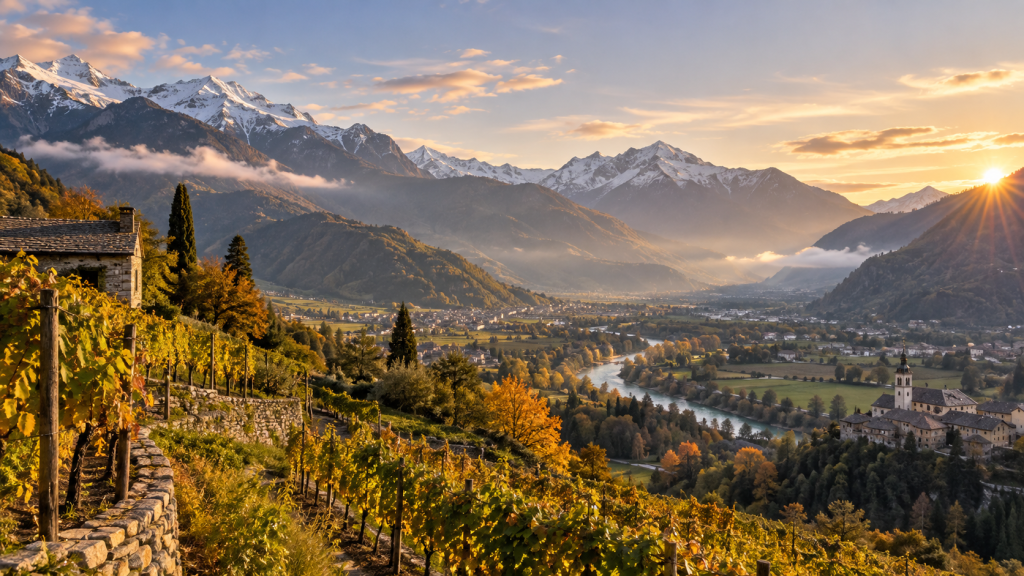
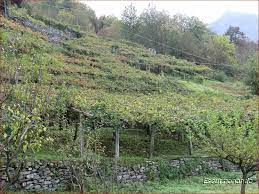
After visiting the gardens, the Ossola hinterland and its vineyards are just a short distance away for a tasting.
A botanical heritage that continues to grow
In addition to the historic collections commissioned by McEacharn, the Botanical Gardens of Villa Taranto continue to expand over time, with new themed areas and routes designed to showcase plant biodiversity in every season: from the spring flowering of tulips to summer dahlias, through to the autumn colours of Japanese maples, every time of year offers a different experience to those visiting the park.
Twenty thousand species from around the world
Villa Taranto’s botanical heritage includes around a thousand non-native plants and approximately twenty thousand varieties and species of particular botanical value, making it, for its beauty and richness, one of Italy’s most important arboretums. In spring, the park amazes visitors with the vivid colours of Japanese camellias, tree rhododendrons and azaleas, alongside vast expanses of tulips and the pink blossoms of cornus and magnolias.
The Dahlia Maze
From July until autumn, the famous Dahlia Maze puts on an extraordinary display, with over 1,700 flowering plants belonging to 350 different varieties: from large-flowered decorative dahlias to small pompons with delicate spherical flower heads, through to the spectacular Emery Paul variety, with its intense garnet-red hues.
A protected heritage for future generations
The constant care devoted to Villa Taranto, now carried on by the Foundation that has inherited its management, ensures that this extraordinary botanical heritage can continue to be admired by future generations, keeping alive the spirit of dedication that inspired its Scottish founder almost a century ago.
A botanical legacy that continues to astonish everyone who sets foot there, in every season of the year.
A model of sustainable management
Over time, Villa Taranto’s management has integrated gardening practices that are increasingly attentive to environmental sustainability, from the prudent management of irrigation water to the selection of plant species capable of adapting to ongoing climate change: an approach that makes the gardens not only a historic heritage to be preserved, but also a living laboratory of good botanical practices.