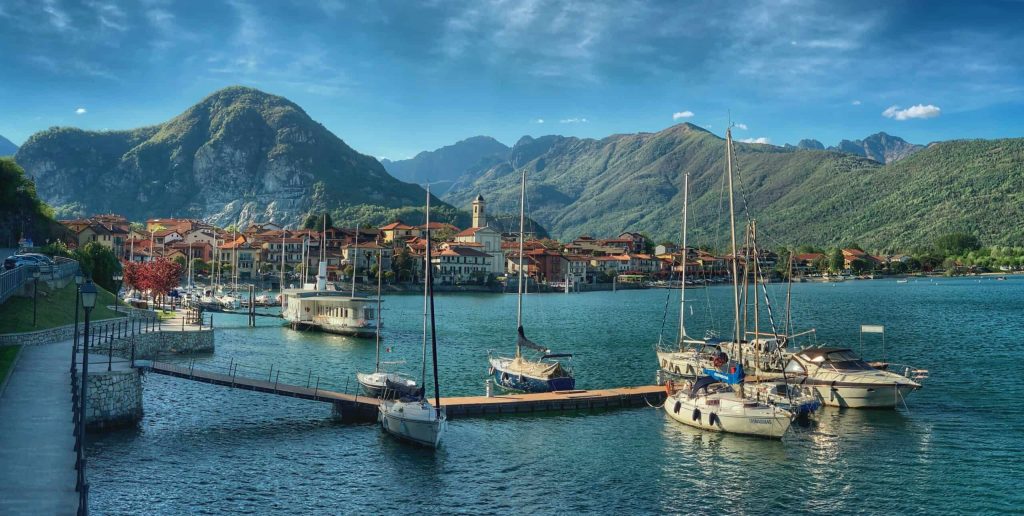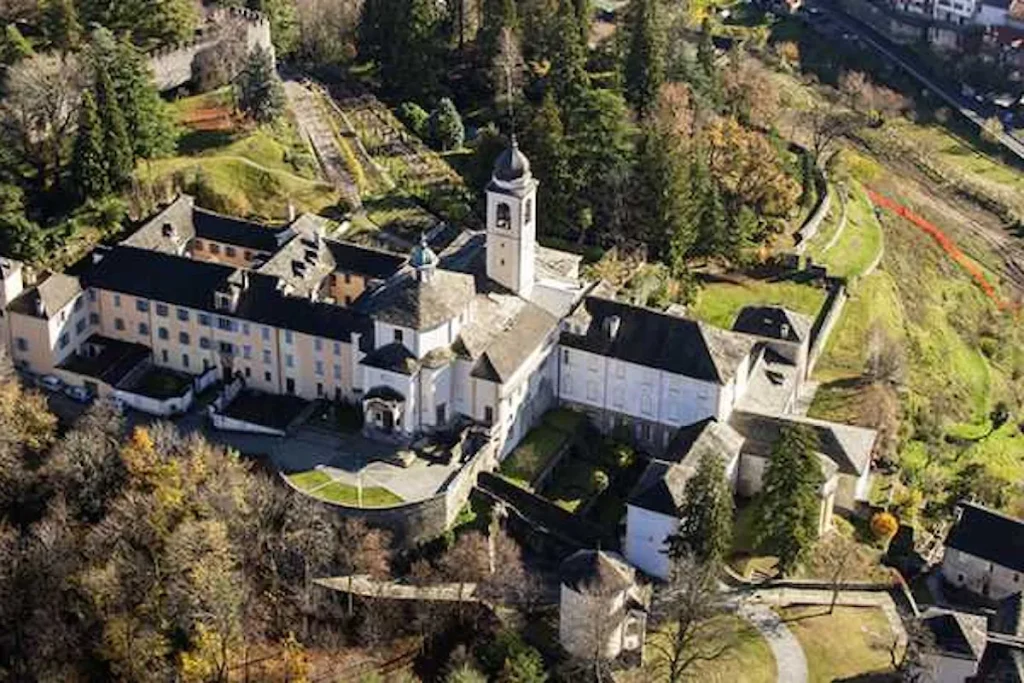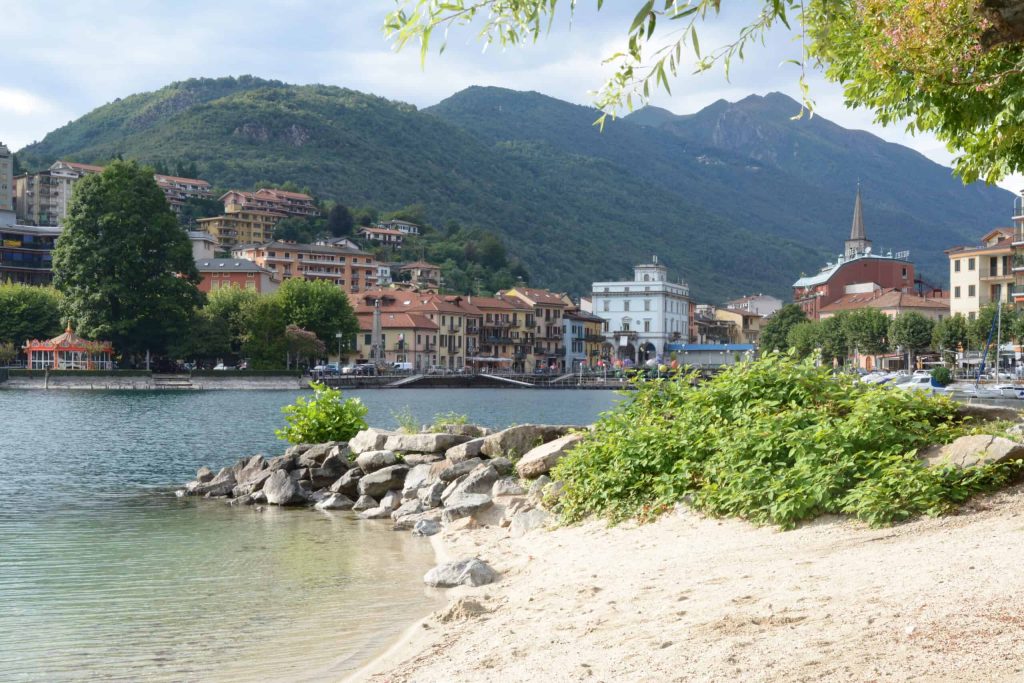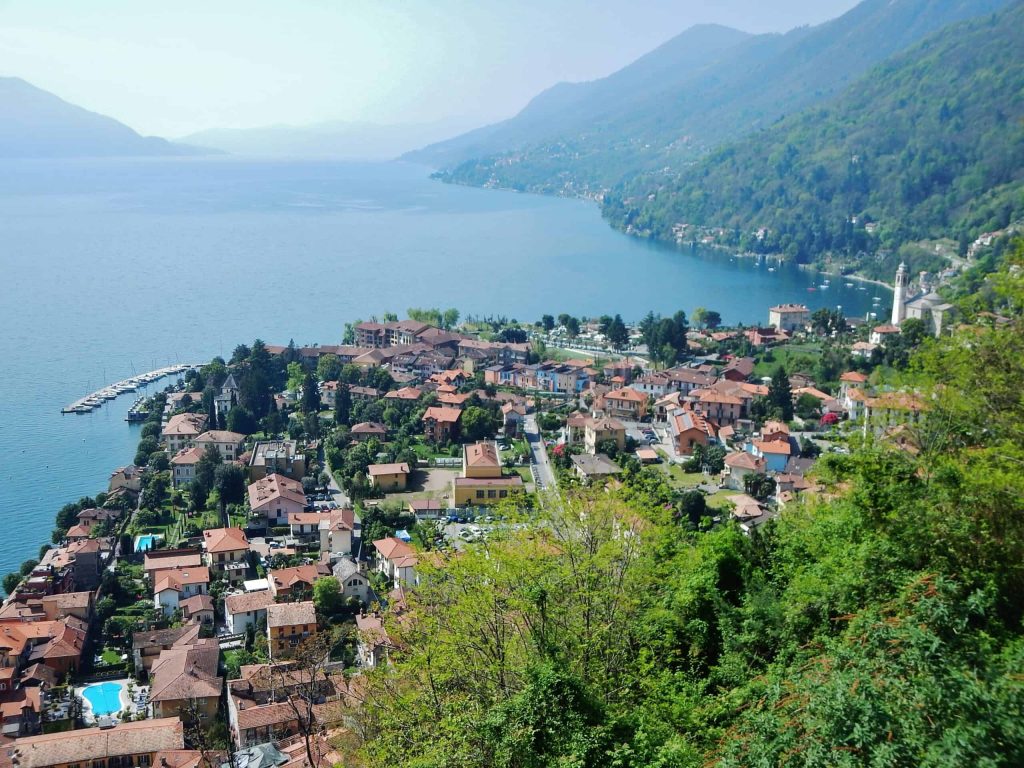
Above the village of Ghiffa, surrounded by greenery and overlooking Lake Maggiore, stands the Sacred Mount of the Holy Trinity: the smallest of the Sacred Mounts of Piedmont, yet no less precious for it.
A UNESCO World Heritage Site between the 16th and 17th centuries
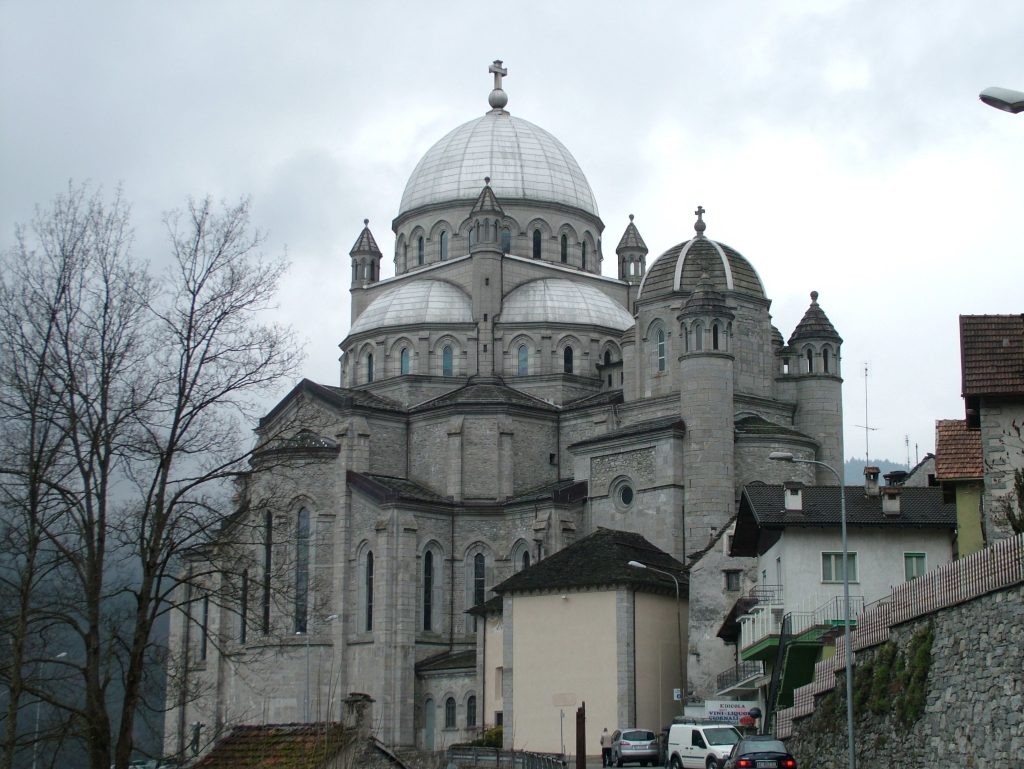
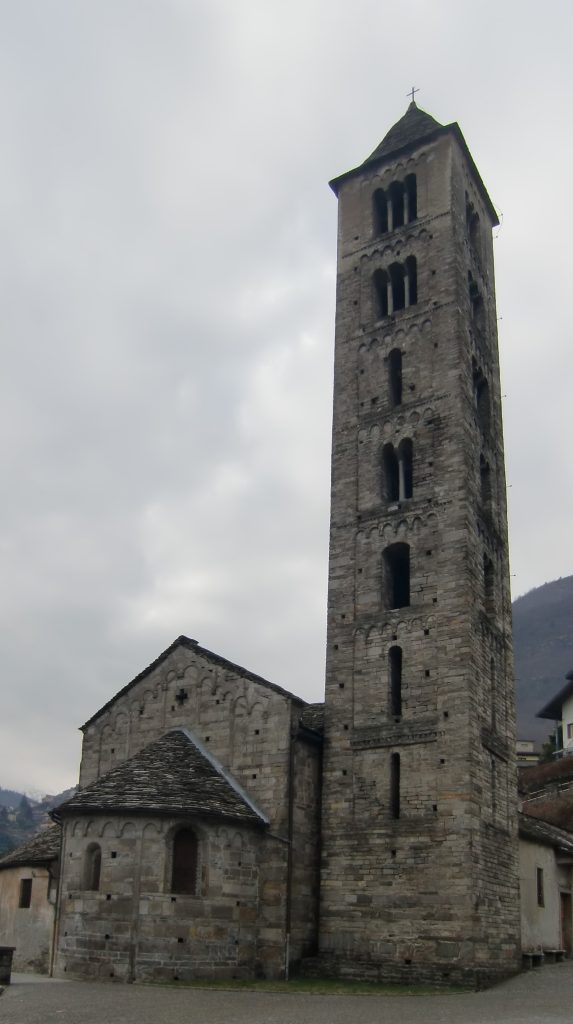
The monumental complex was built between the end of the 16th century and 1617, at the behest of Saint Charles Borromeo, who chose this site to erect a sanctuary on the remains of an older church, where Romanesque elements have been found. Since 2003, the Sacred Mount of Ghiffa has been included on the UNESCO World Heritage List, together with the other Sacred Mounts of Piedmont and Lombardy.
The chapels and the unfinished project
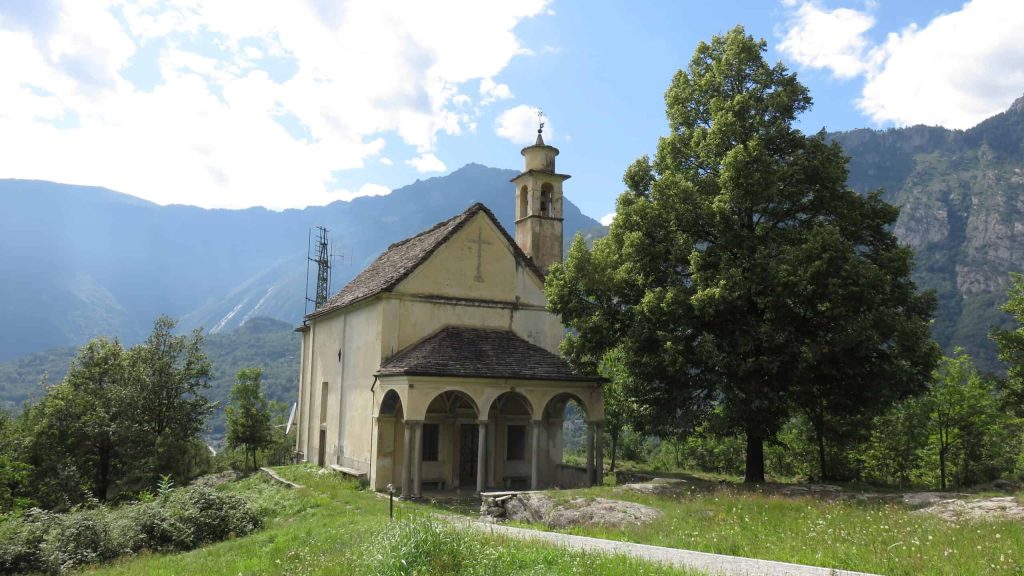
The original project envisaged telling episodes from the Old and New Testaments through a series of chapels, but it remained unfinished: today, the complex includes three main chapels, dedicated to the Coronation of Mary, Saint John the Baptist and Abraham, as well as the sanctuary and the 18th-century portico of the Stations of the Cross. The first chapel (1646-47), dedicated to the Coronation of Mary, has an octagonal plan with a square apse; the second (1659), dedicated to Saint John the Baptist, has a central plan with an annular portico typical of Sacred Mount architecture.
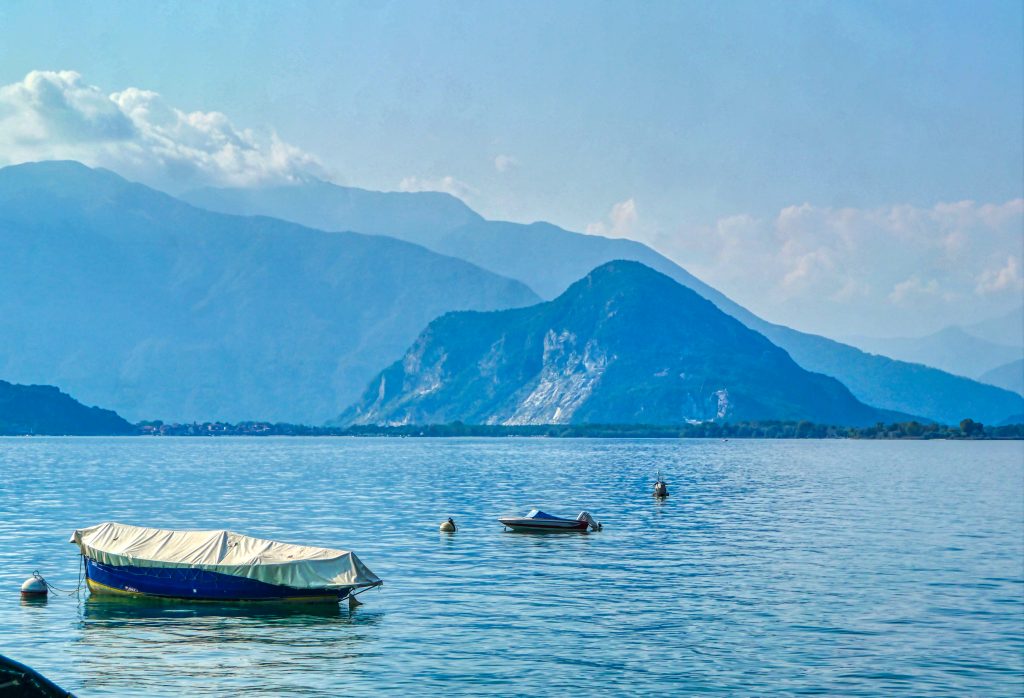
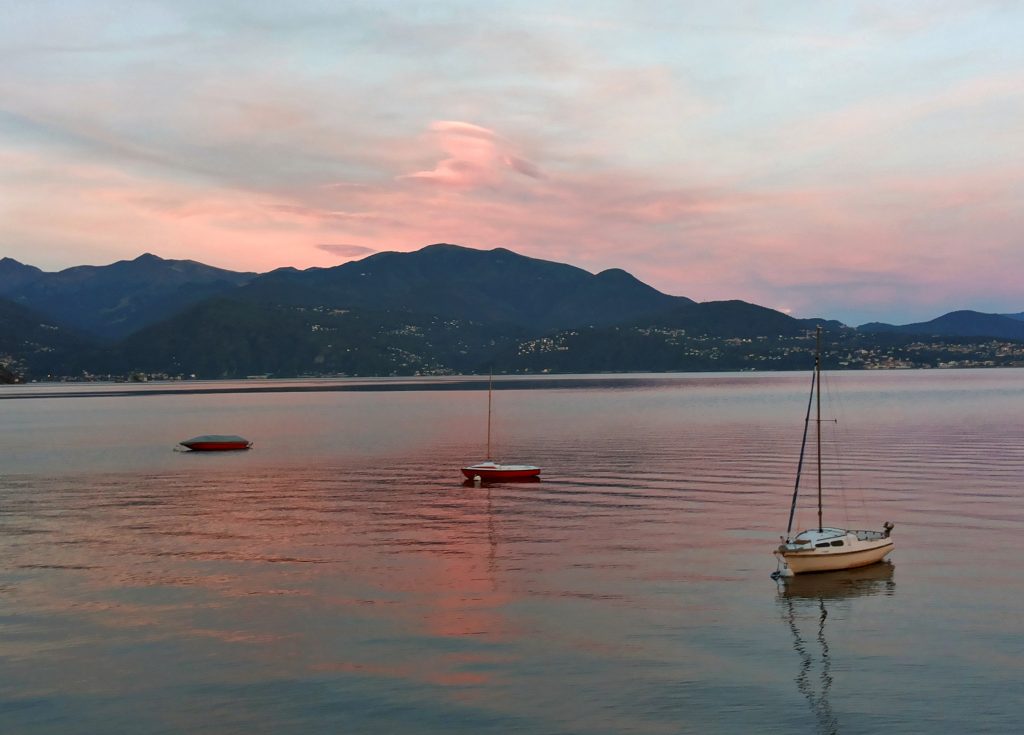
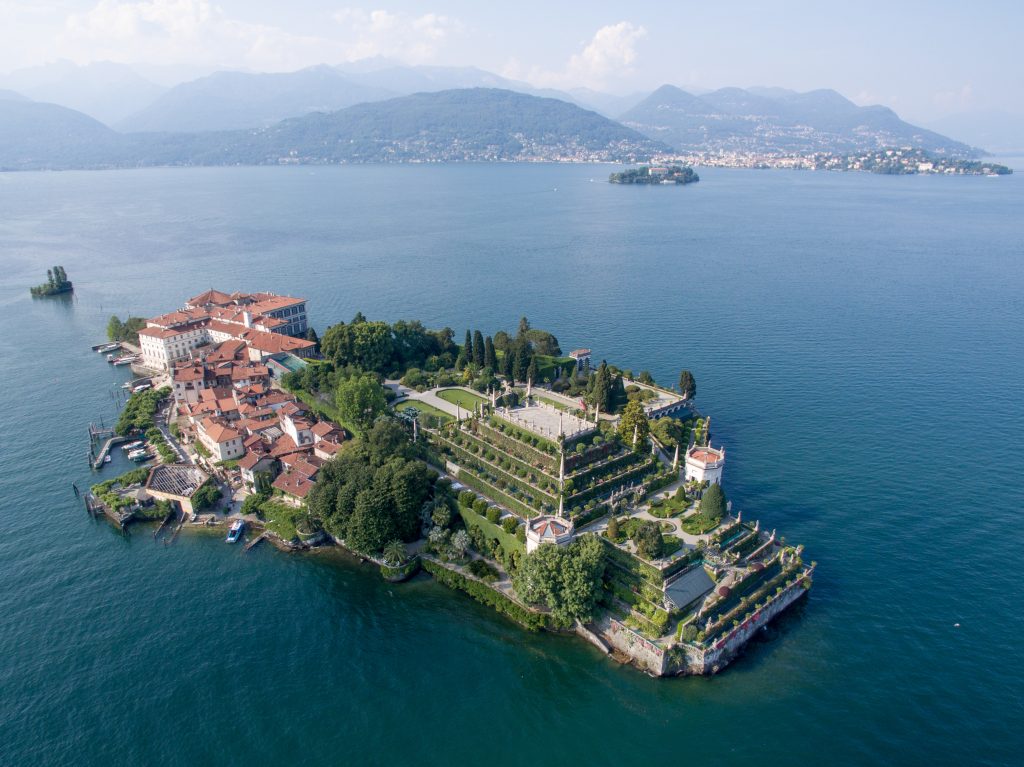
A natural balcony overlooking Lake Maggiore
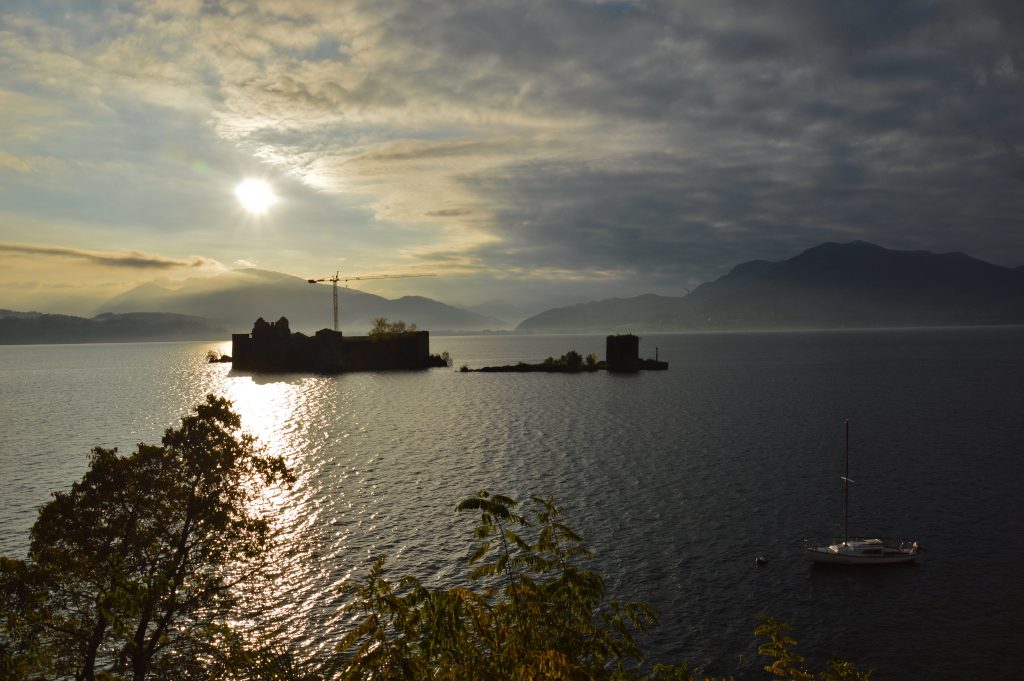
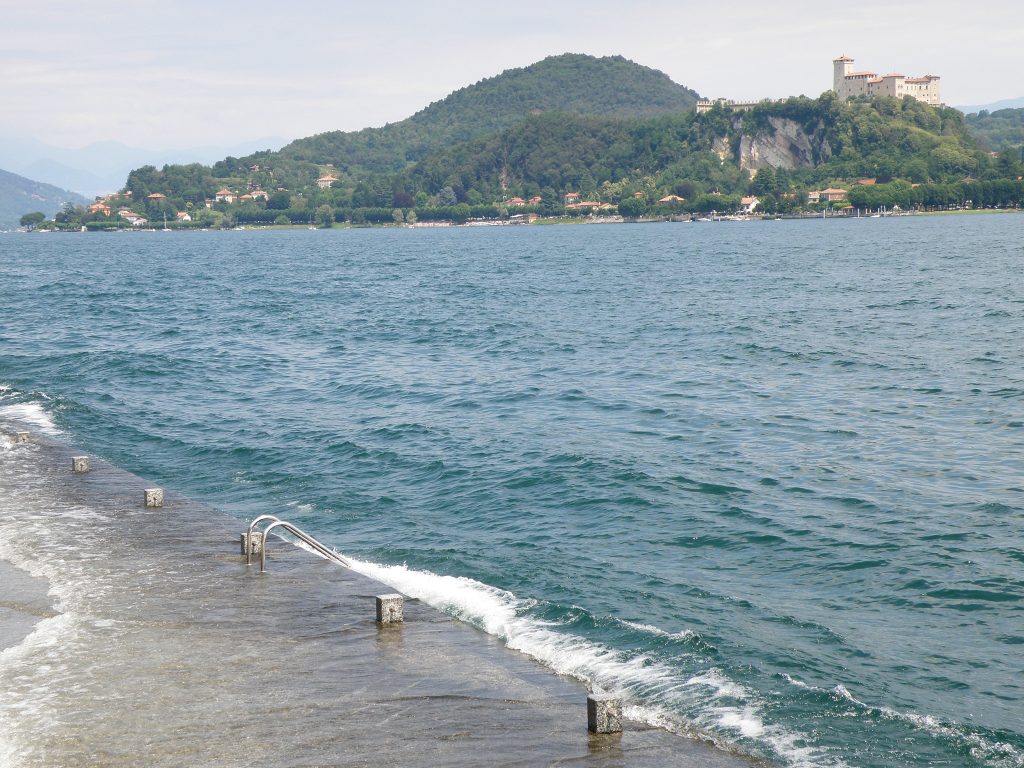
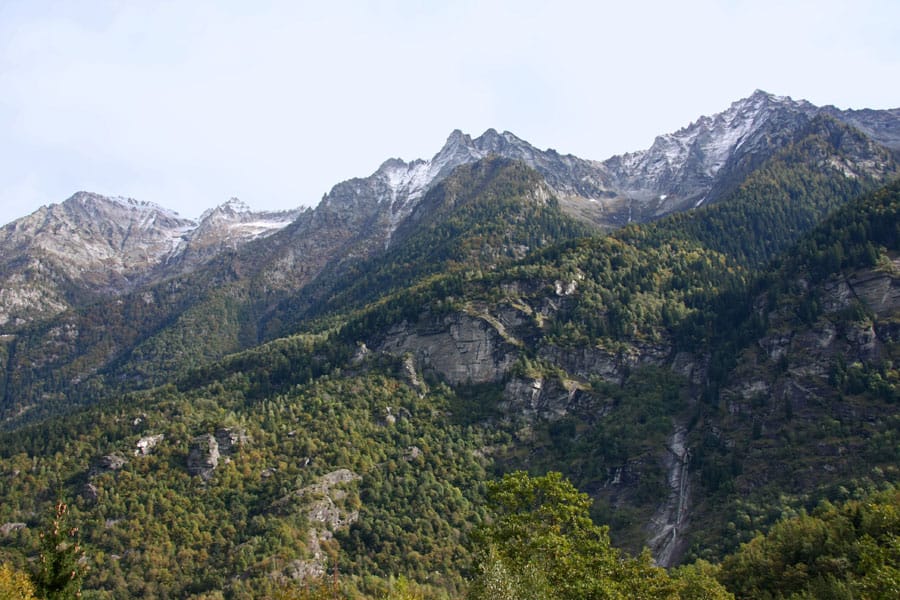
Beyond its religious and artistic value, the Sacred Mount of Ghiffa impresses with its panoramic setting, surrounded by greenery and overlooking the lake: a place of tranquillity that brings together faith, art and landscape.
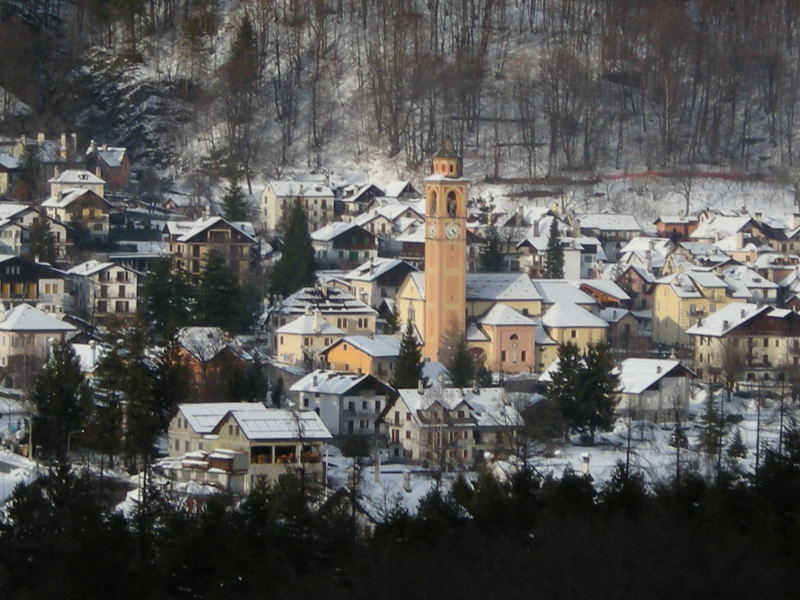
Ghiffa and the surrounding area
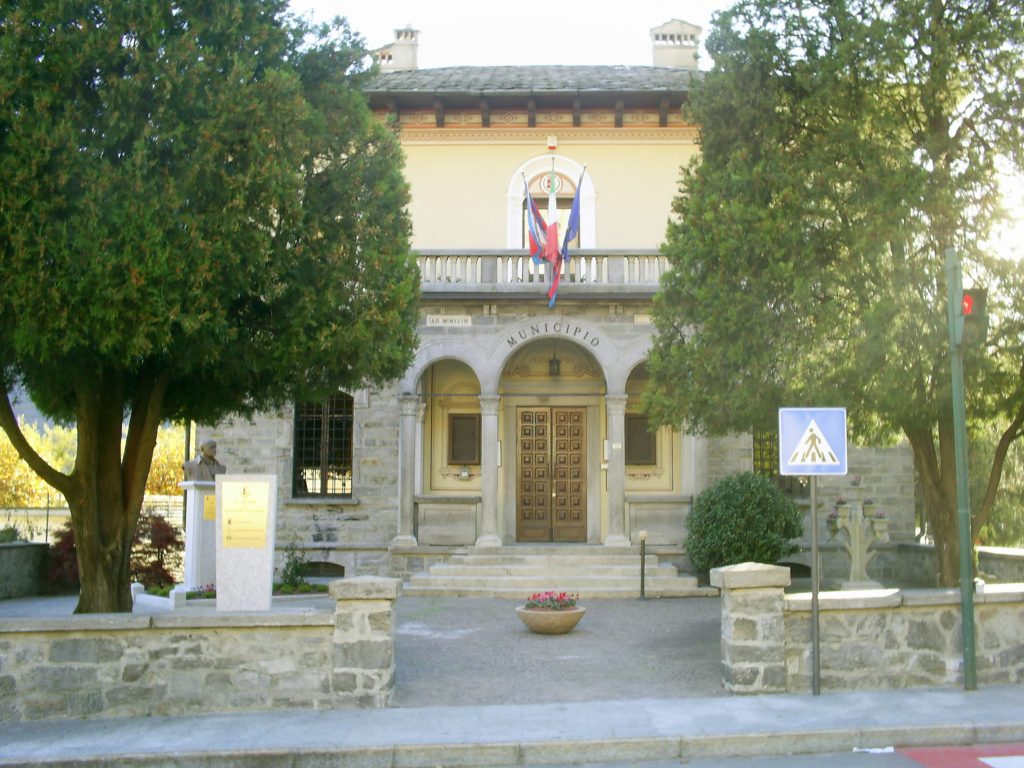
The Sacred Mount is a short distance from Verbania and Cannero Riviera. For further information on its history and visiting hours, refer to the Municipality of Ghiffa.
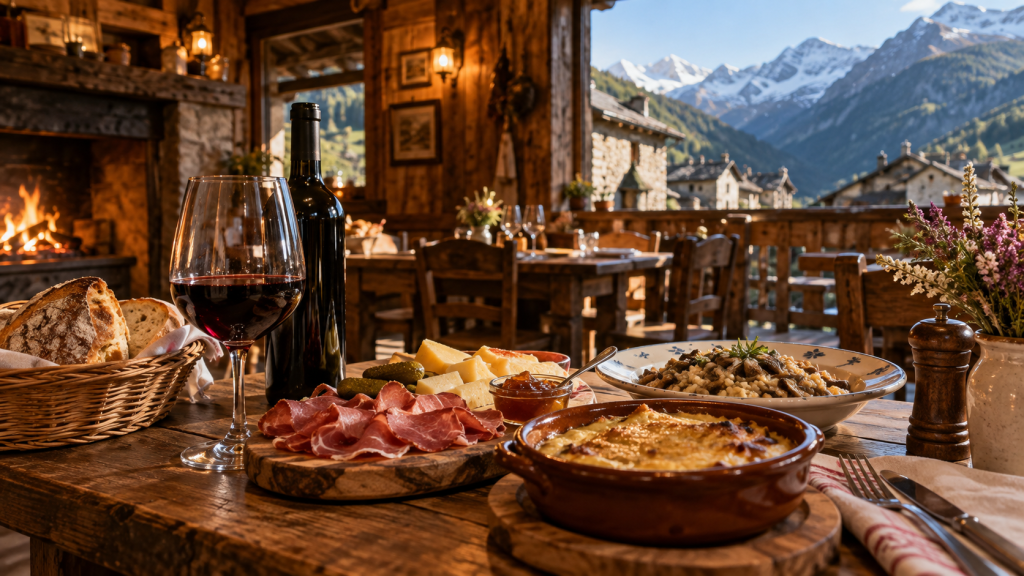
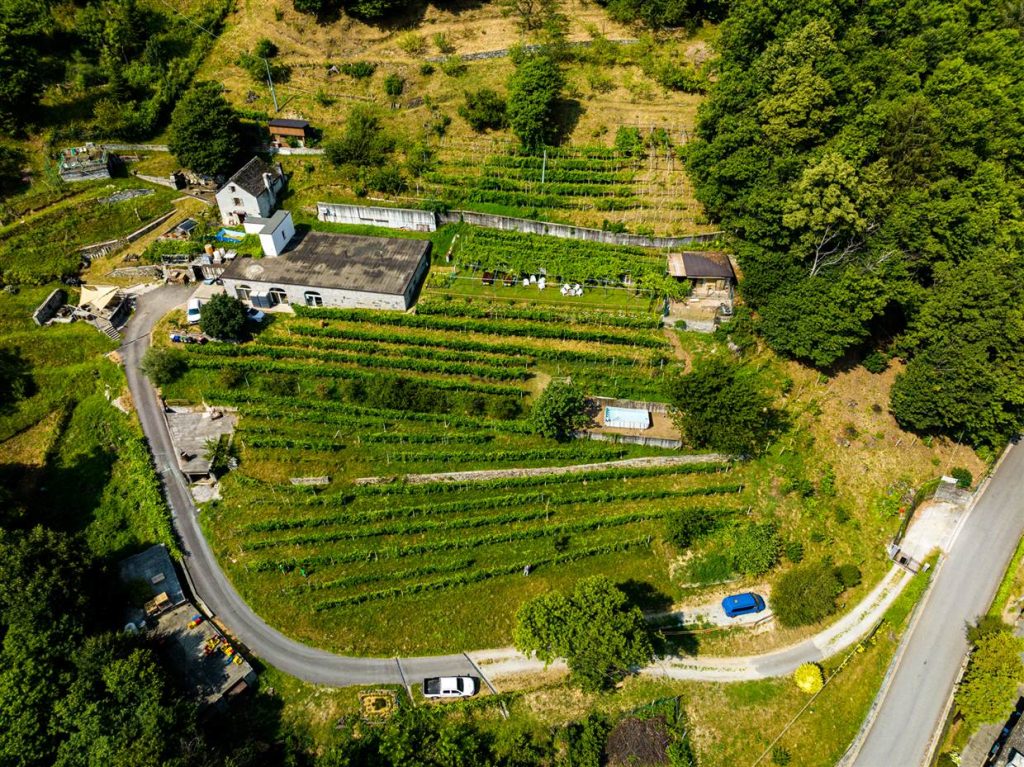
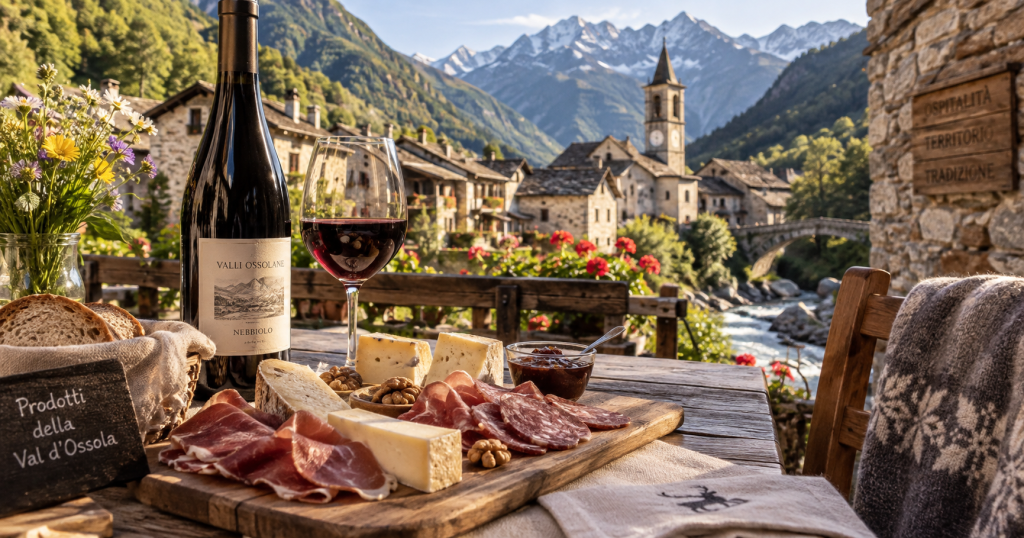
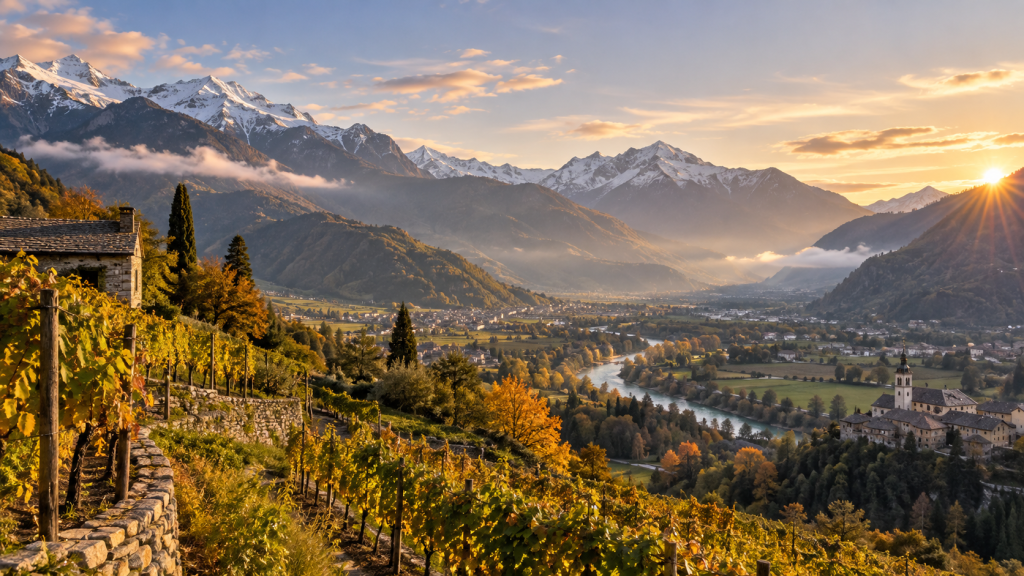
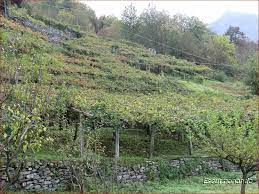
After your visit, the Ossola hinterland, with its vineyards, is only a short distance away: a wine tasting is a fitting end to the day.
A place of tranquillity between faith and nature
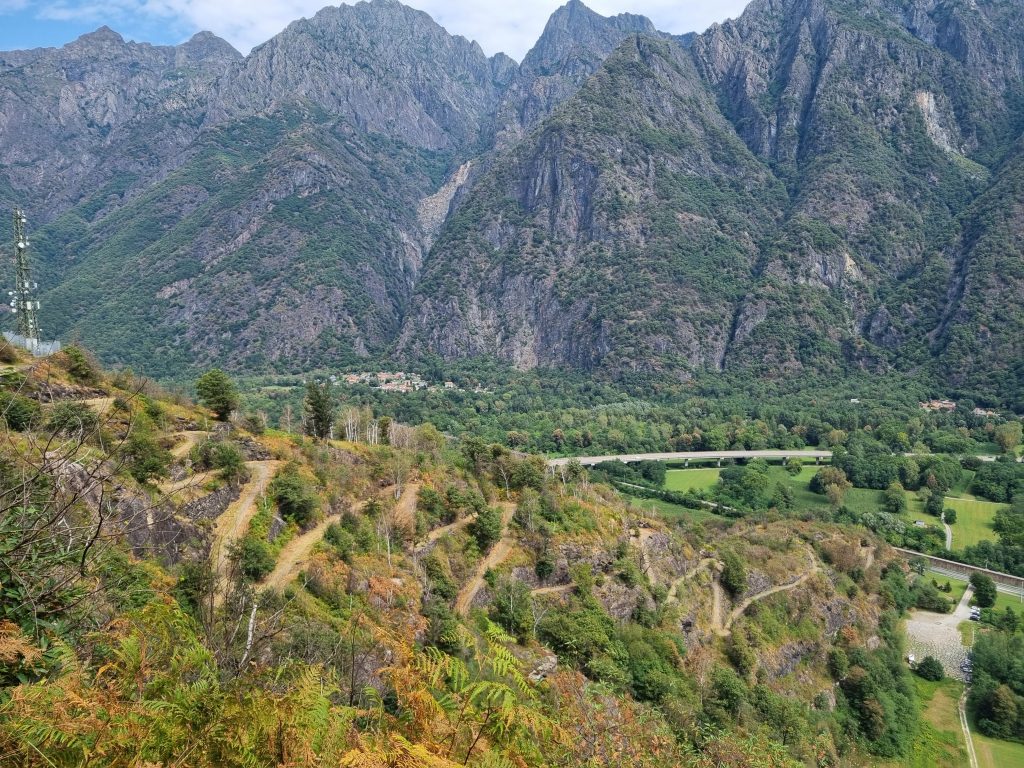
The Sacred Mount of Ghiffa also stands out for the natural setting in which it is immersed: chestnut and beech woods surround the chapels, creating an approach that invites contemplation even before reaching the sacred architecture. It is not uncommon to meet visitors who choose this place not only for its artistic value, but also simply for the silence and the view it offers over Lake Maggiore below.
A history of faith and architecture
Between the end of the 16th century and the mid-17th century, the architectural project was conceived to expand an ancient oratory dedicated to the Holy Trinity and to build the Sacred Mount around it, on a densely wooded hill with an enchanting view of Lake Maggiore. In its present form, the complex includes, in addition to the sanctuary, the three chapels dedicated to various biblical subjects and the elegant portico of the Stations of the Cross.
Ghiffa and the Hat Art Museum
Not far from the Sacred Mount, the village of Ghiffa also holds another curiosity: the Hat Art Museum, which tells the story of the hat-making industry that for decades was one of the area’s most important economic activities, now transformed into a cultural heritage site to visit alongside the Sacred Mount’s spiritual itinerary.
It should be stressed that the small size of the Sacred Mount of Ghiffa, compared with other similar complexes in Piedmont and Lombardy, does not diminish its artistic and spiritual value in any way: indeed, its more intimate scale makes it a place particularly suited to meditation and personal contemplation, away from the more intense tourist flows that characterise other Sacred Mounts in the region.
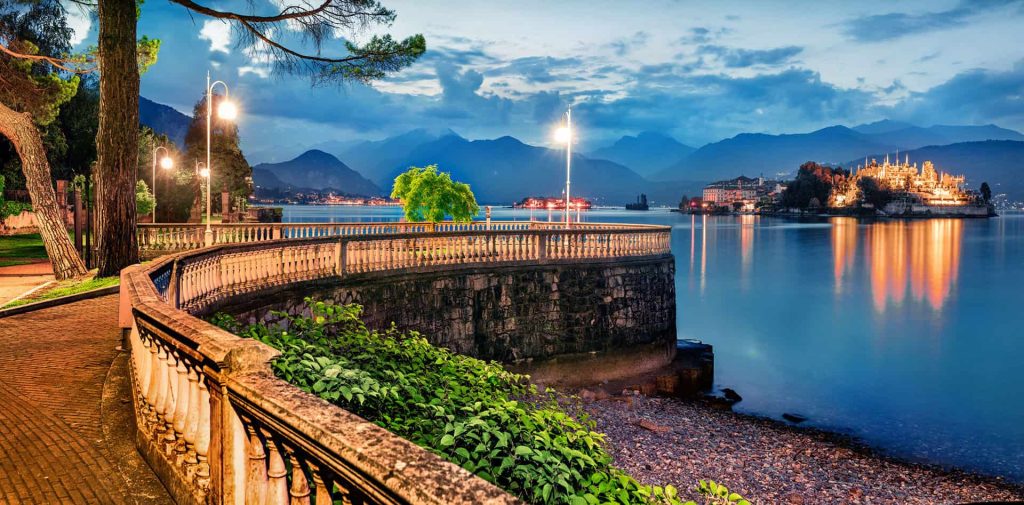
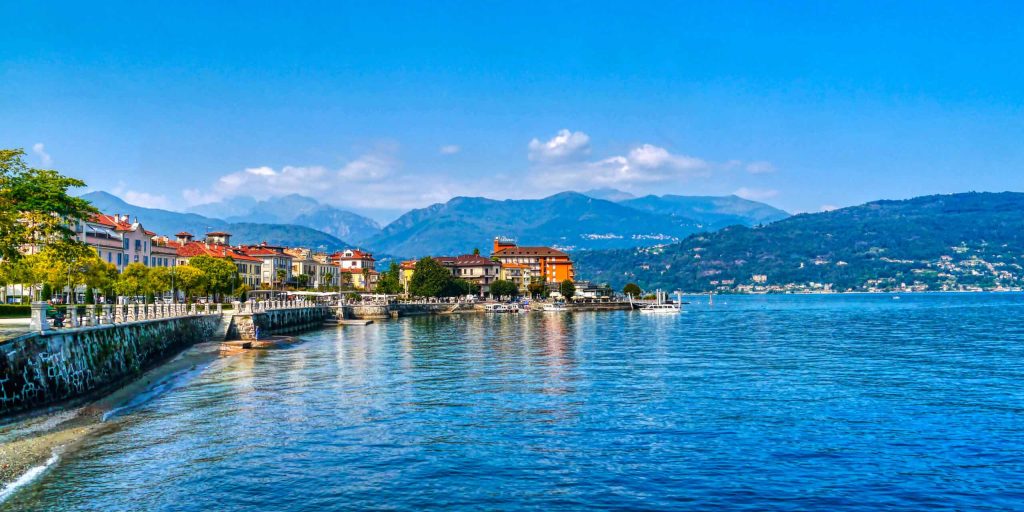
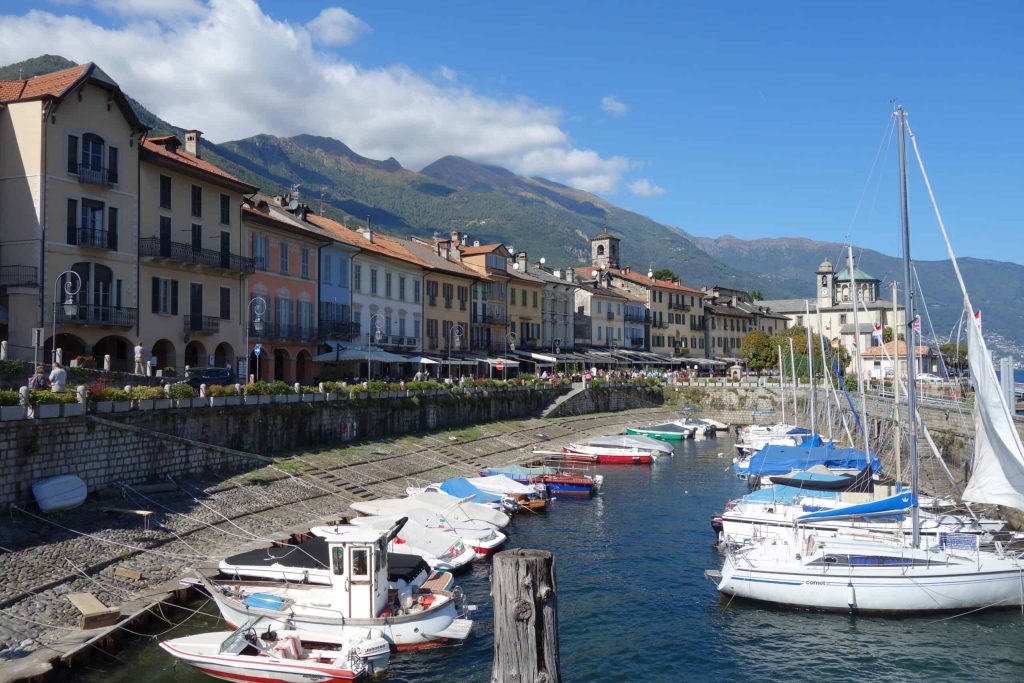
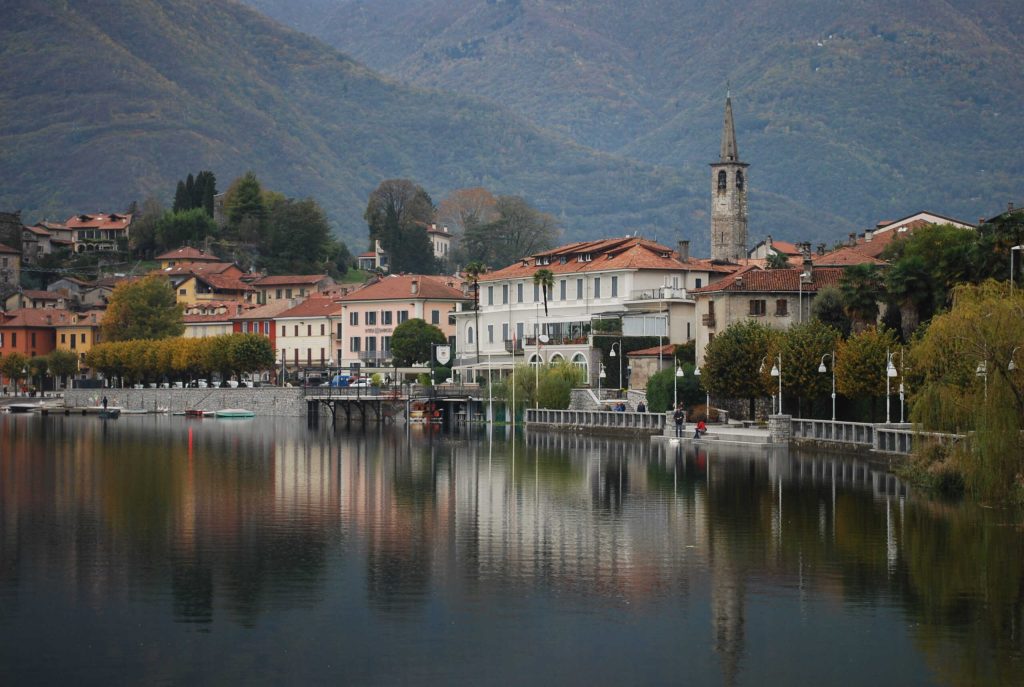
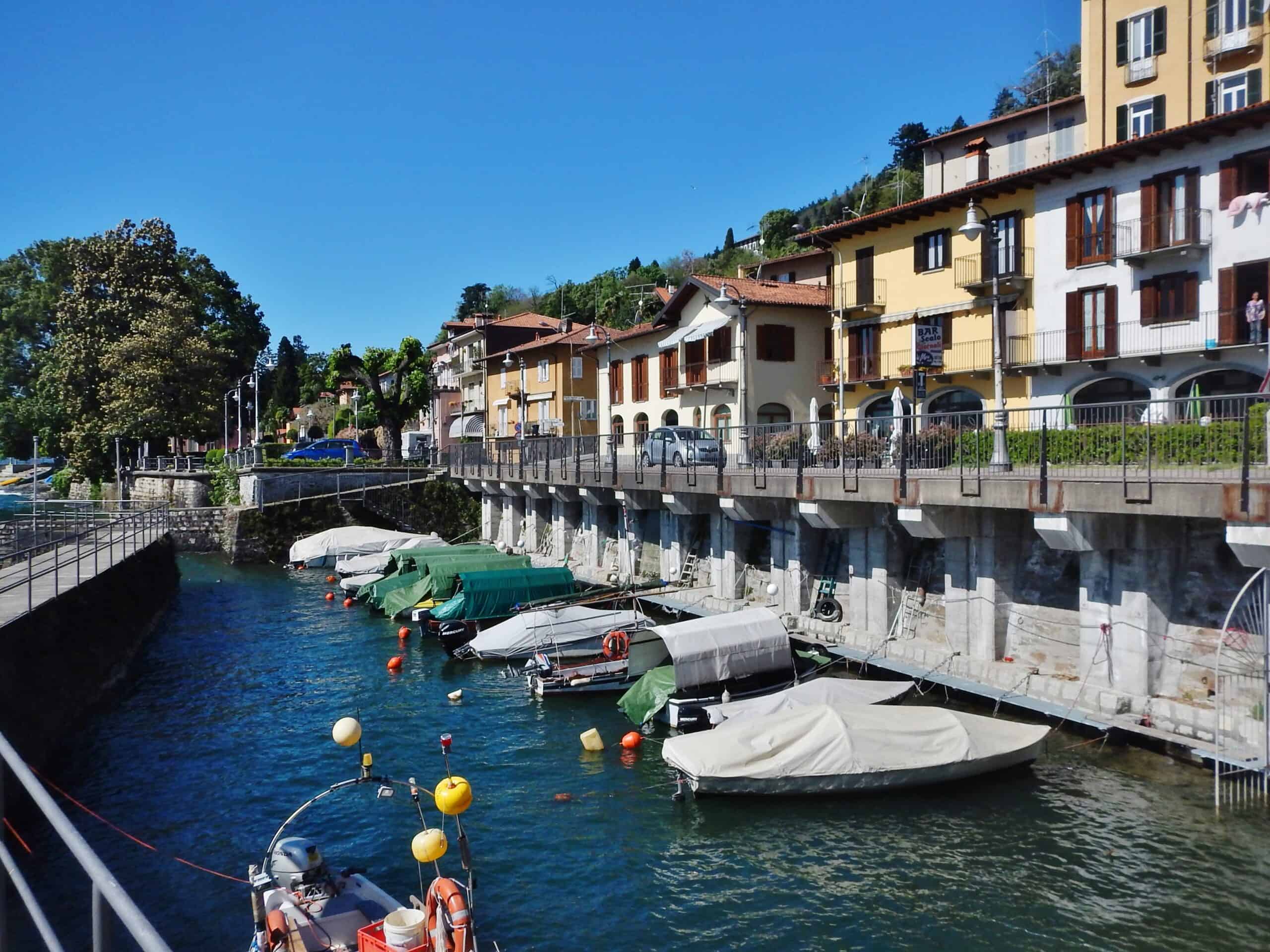
Visitors to the Sacred Mount of Ghiffa can easily combine their stop with a walk along the nearby lakeside promenade in the village, for an experience that combines spiritual contemplation and scenic relaxation in a single day.
One final thought: the modest scale of this Sacred Mount makes it accessible even to those with little time to spare, without giving up an authentic and memorable experience.