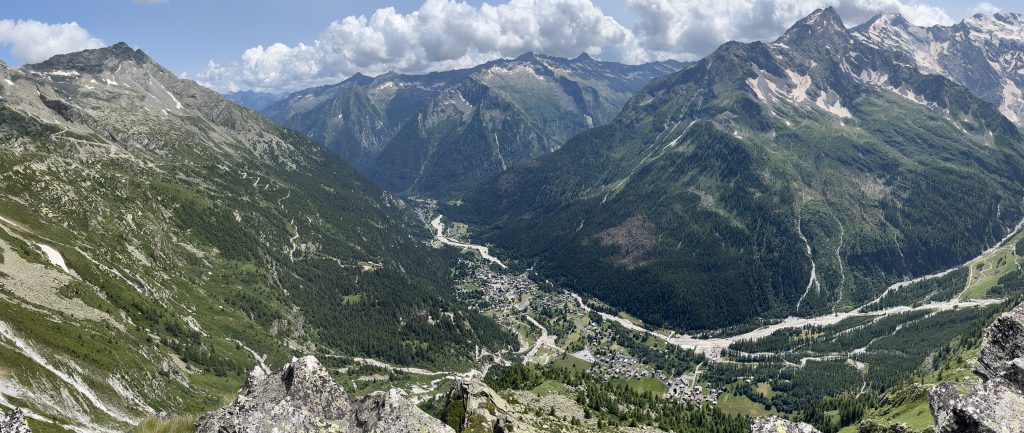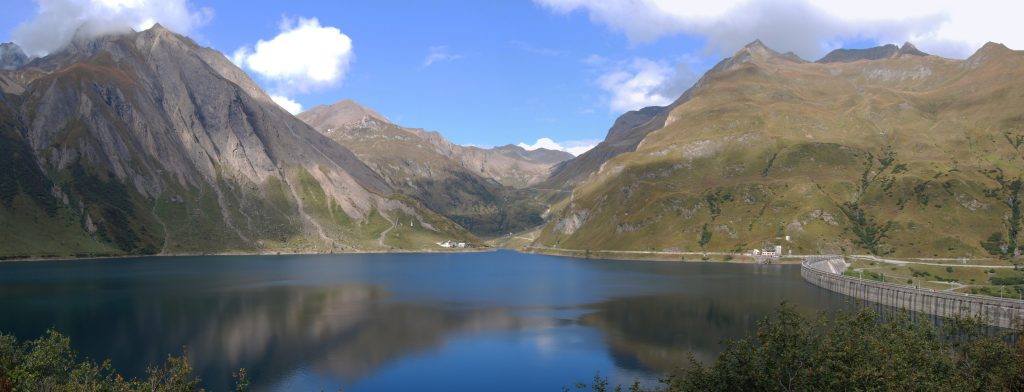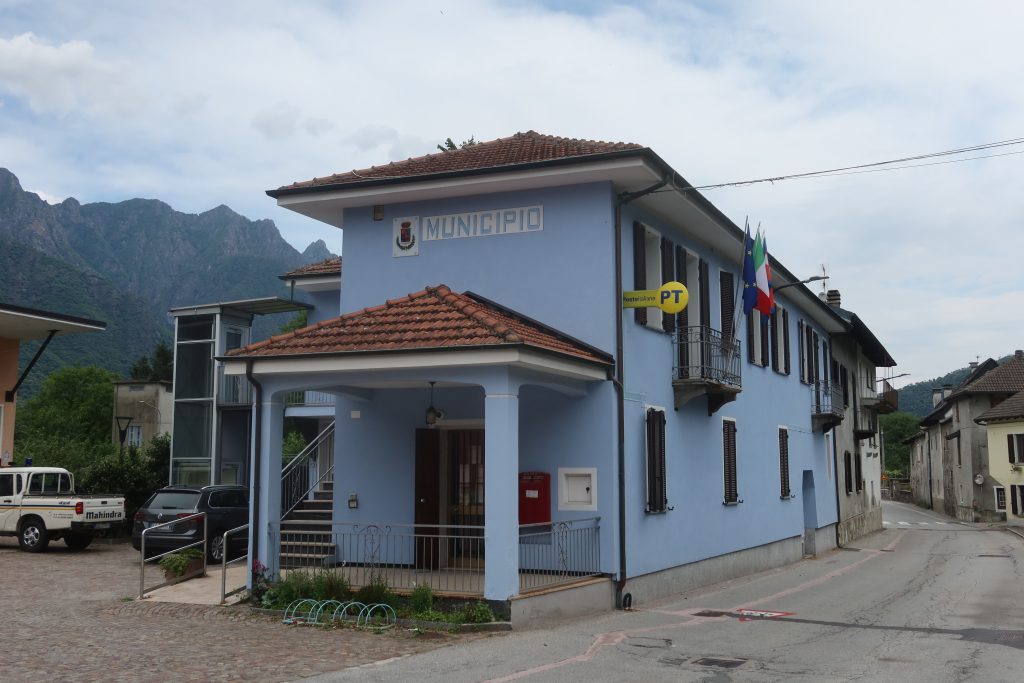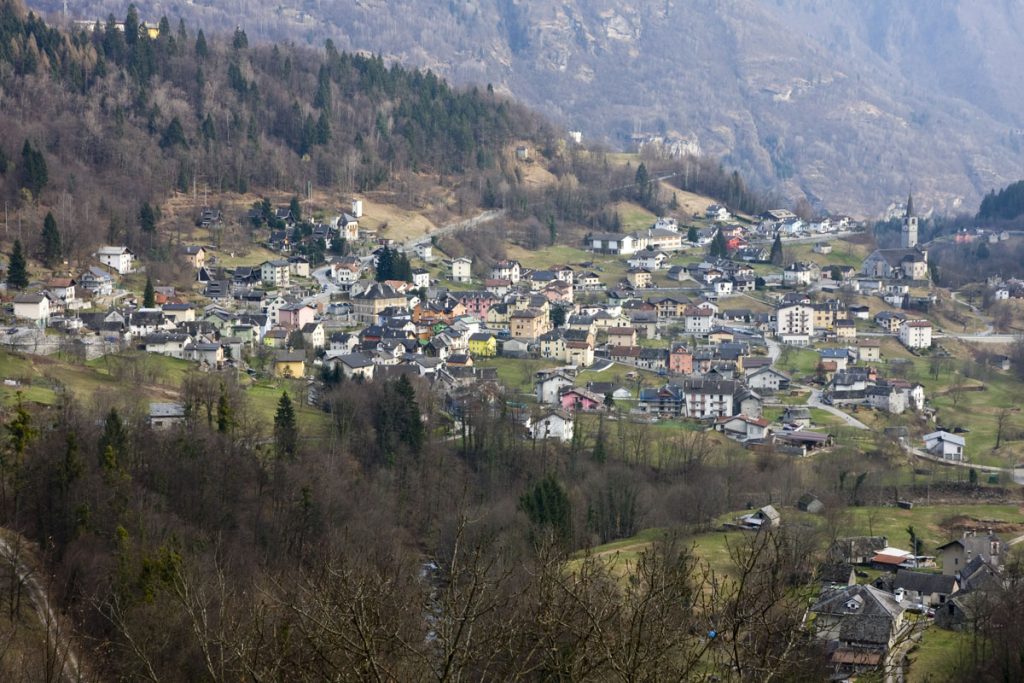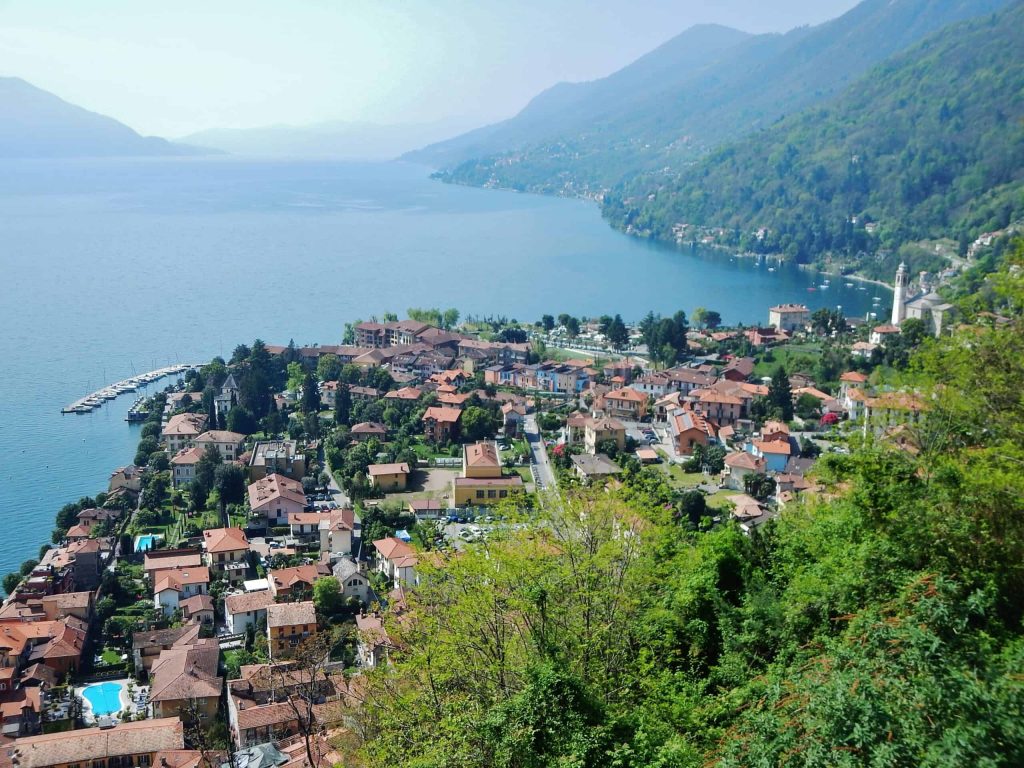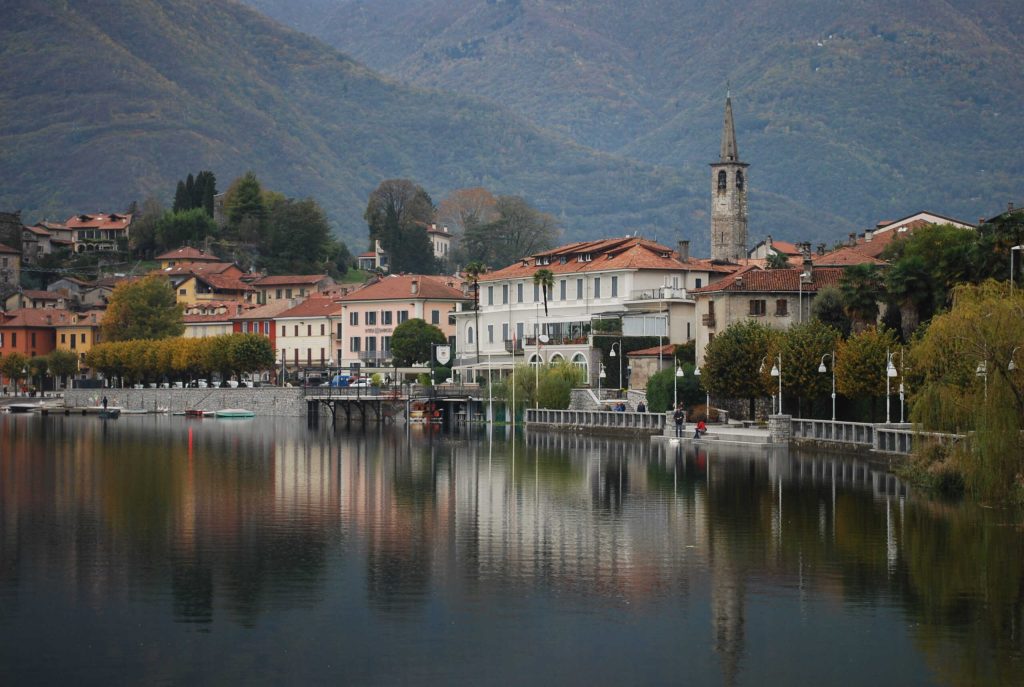
Montecrestese is a small municipality in the Val d’Ossola that is home to one of the most imposing and unusual bell towers in the entire area: that of the parish church of Santa Maria Assunta. But the village has much more to tell, from its privileged microclimate to its mosaic of ancient hamlets.
The Church of Santa Maria Assunta
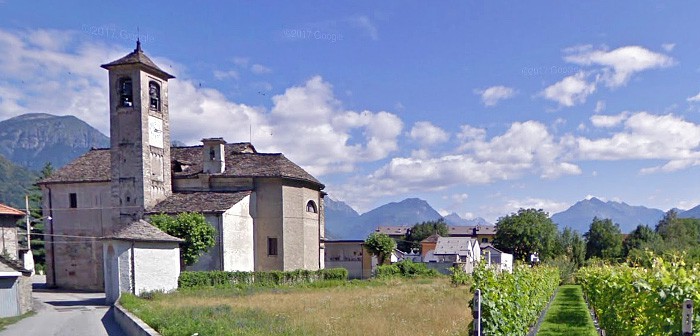
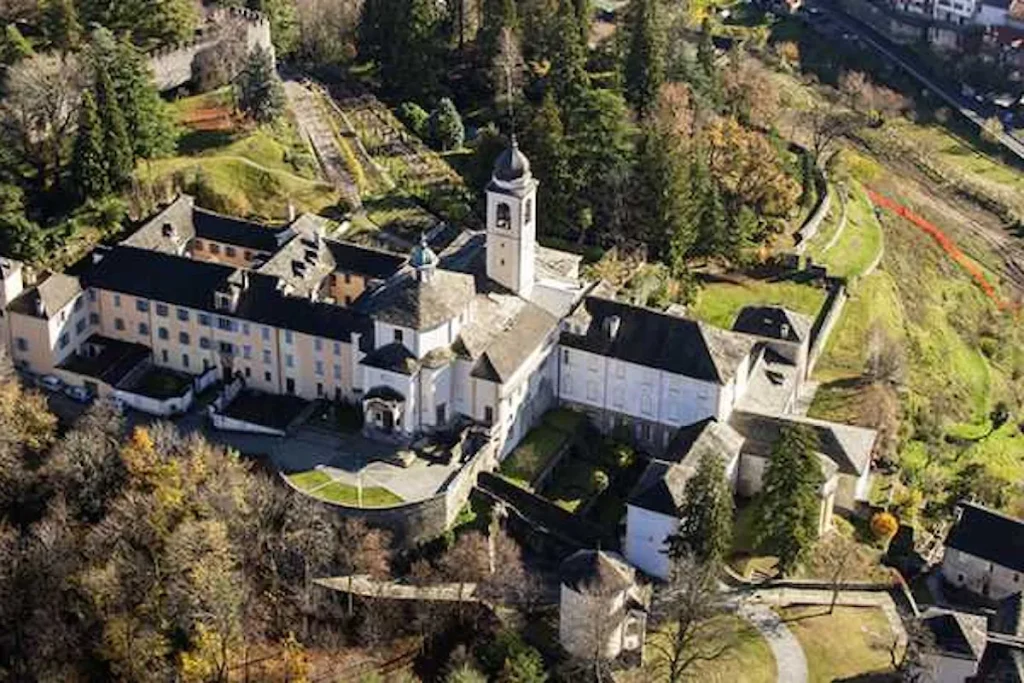
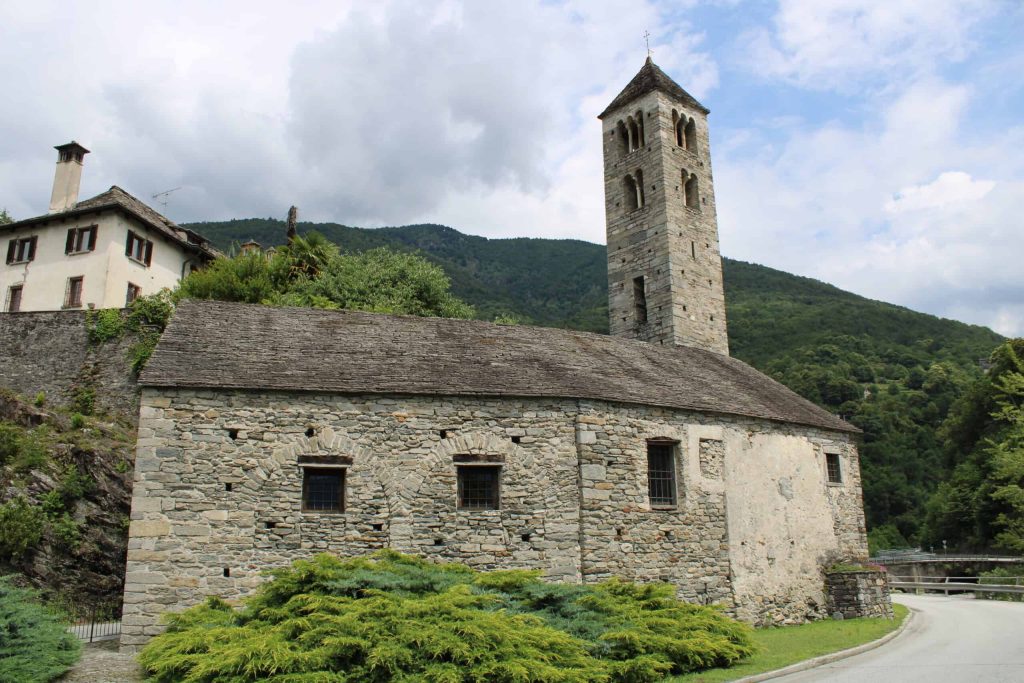
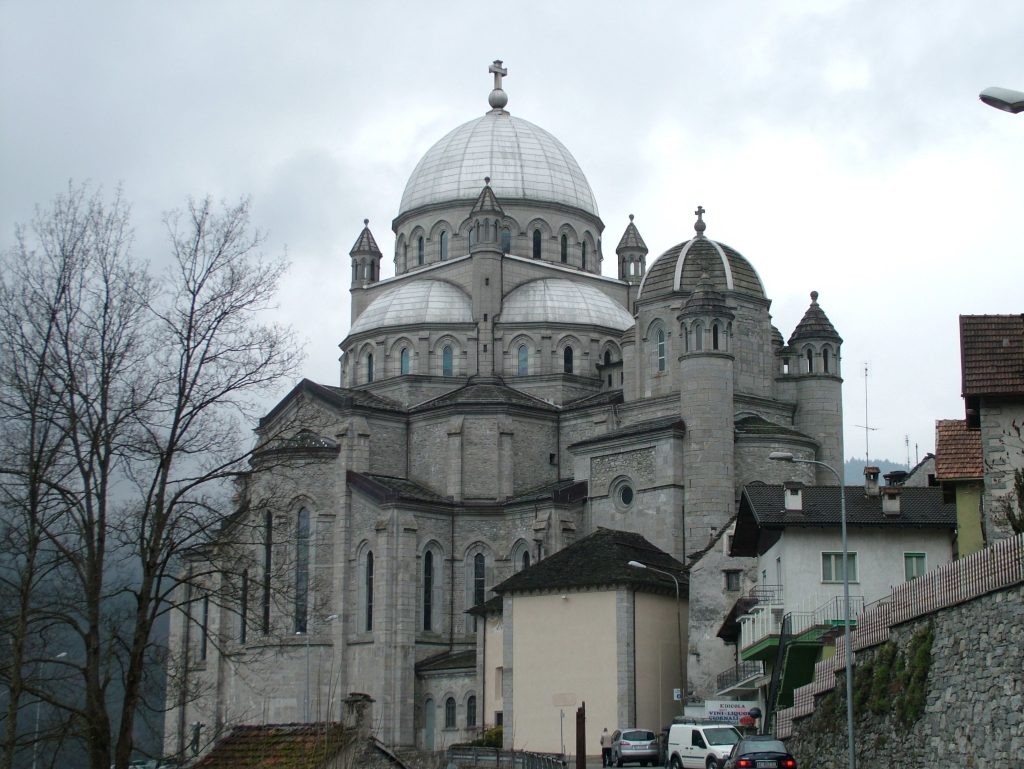
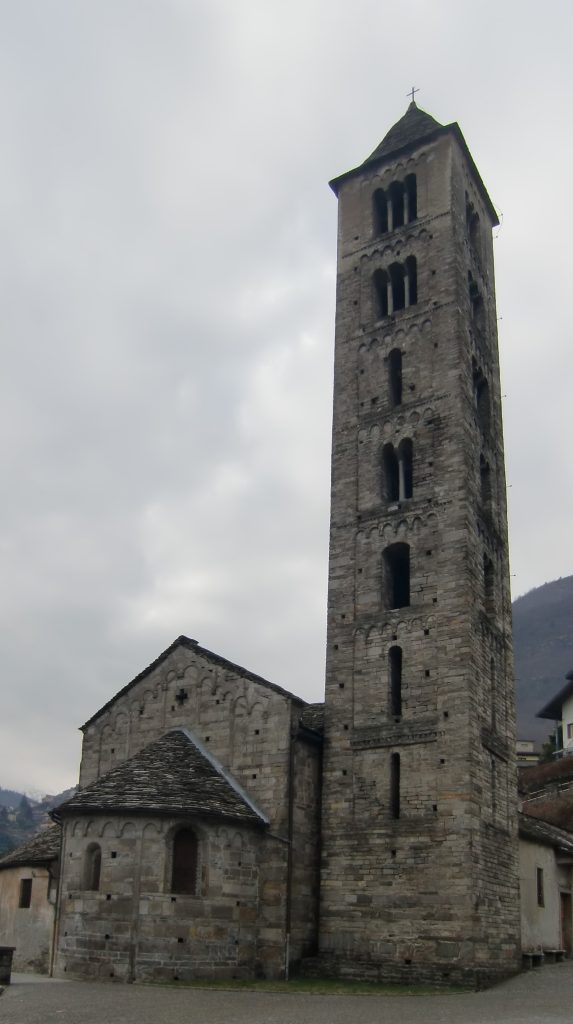
The original church building dates back to the late 11th century or early 12th century and is part of the Domodossola pastoral unit in the Diocese of Novara. Over the centuries, the church has been enlarged and altered several times, yet it still preserves clearly visible traces of its Romanesque origins.
The tallest bell tower in Ossola
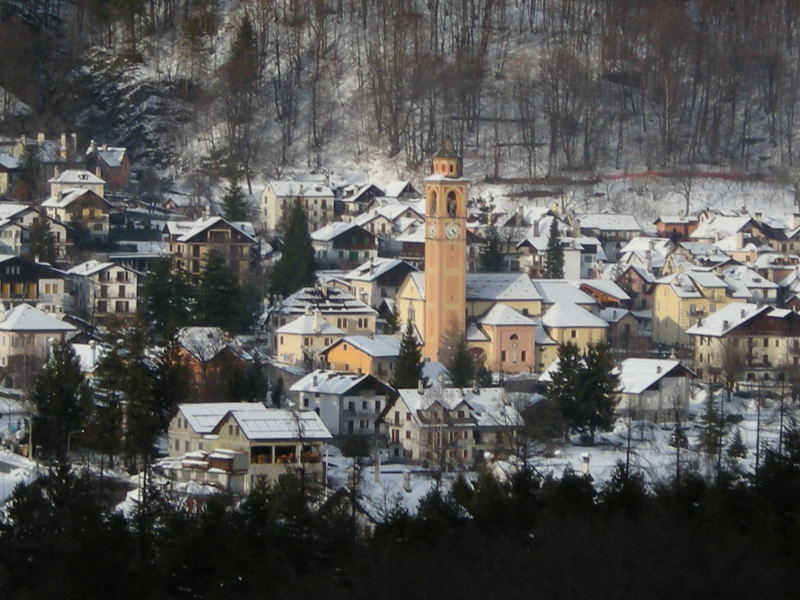
The true distinguishing feature of Montecrestese is its bell tower: at 67.5 metres high, it is the tallest in the entire Val d’Ossola. What can be seen from the outside today, with its characteristic spire, is the result of cladding added between the 16th and 17th centuries; inside, however, the ancient 12th-century Romanesque structure is still preserved, along with its original belfry. As you climb towards the top, you actually pass between two layers of masonry from different periods, a detail that makes the visit interesting from an architectural point of view as well.
The “Riviera of Ossola”
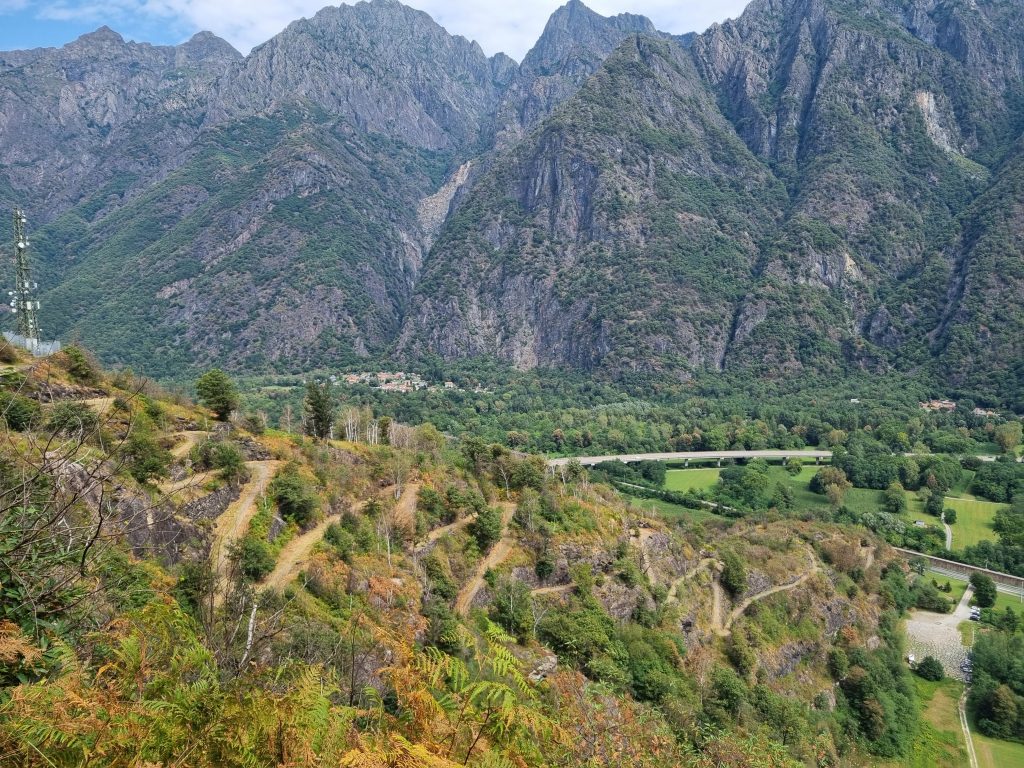
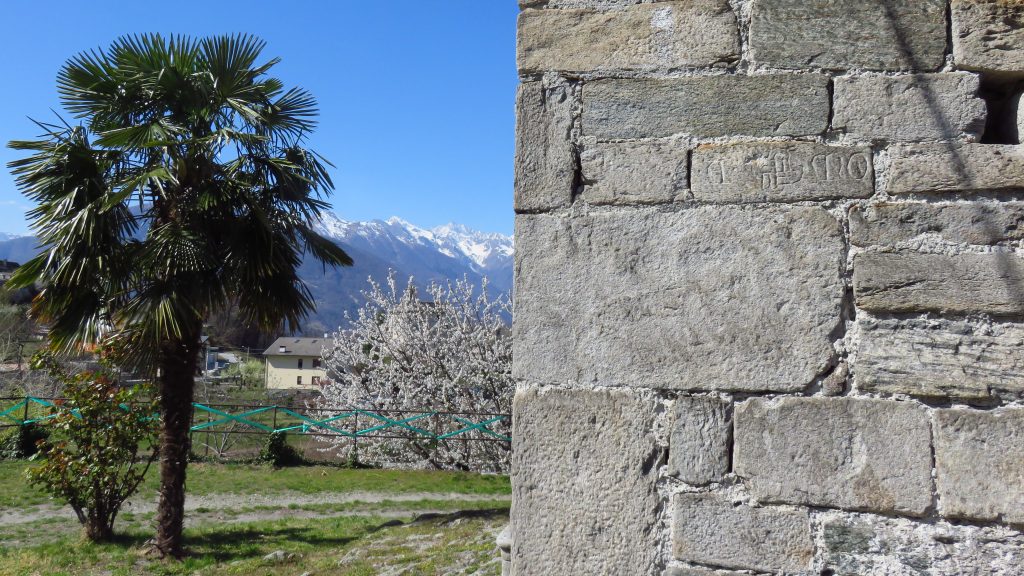
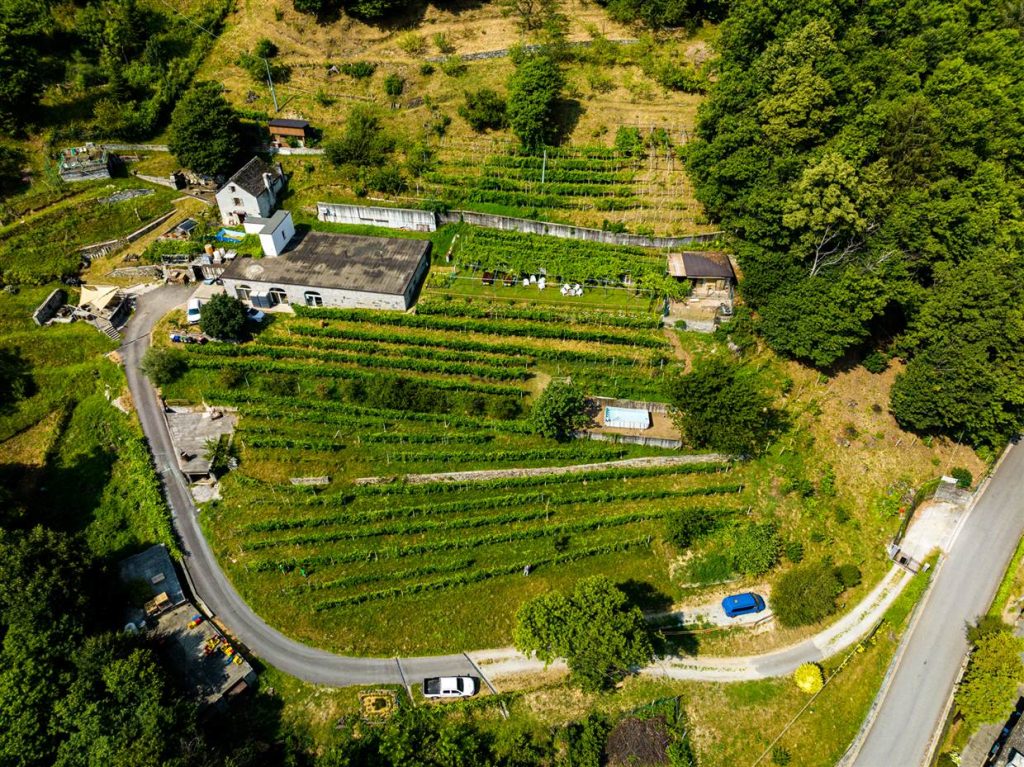
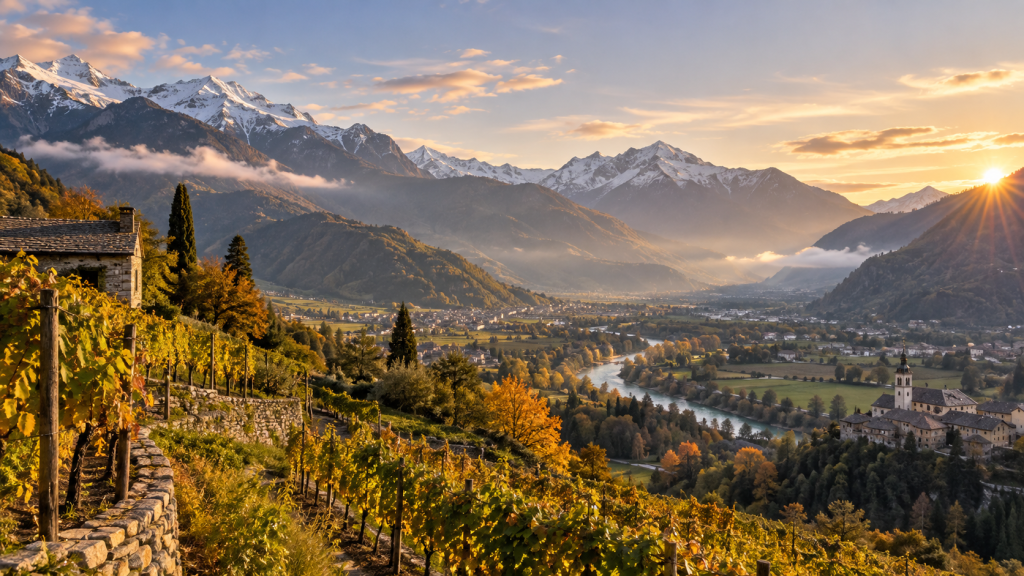
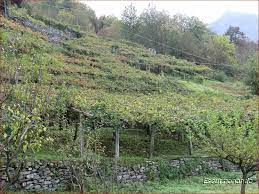
Together with the neighbouring municipalities of Masera and Trontano, the Montecrestese area bears the nickname “Riviera of Ossola”: a name born from this area’s particularly favourable climate, south-facing and sheltered from the winds by the mountains behind it. It was precisely this privileged exposure that encouraged vine cultivation on the village slopes from ancient times, in a setting that ideally anticipates the wine-growing landscape of the rest of the Val d’Ossola.
A mosaic of ancient hamlets
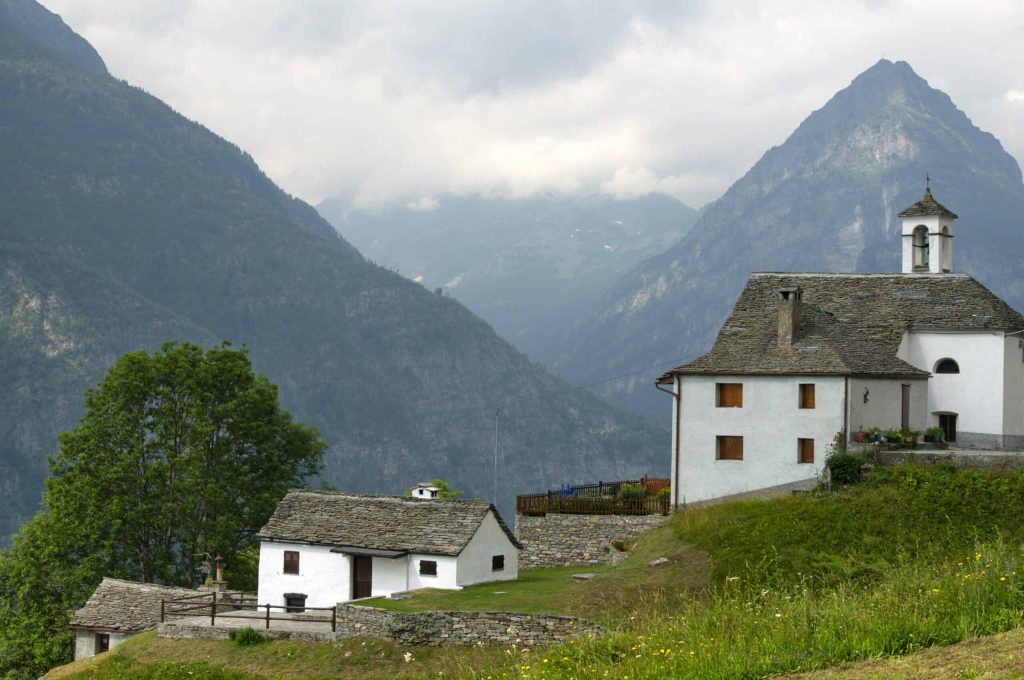
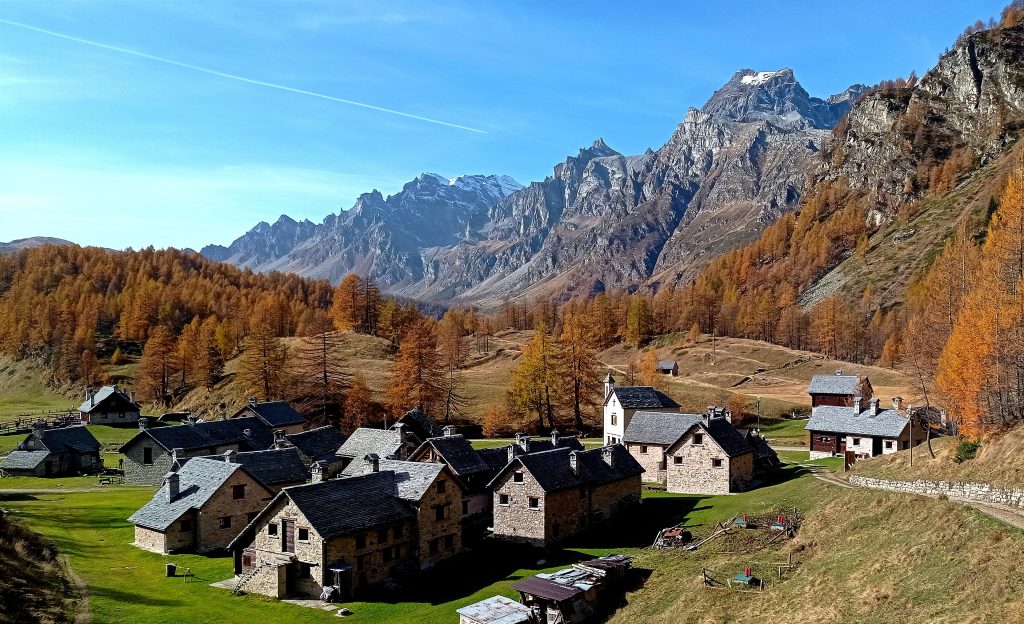
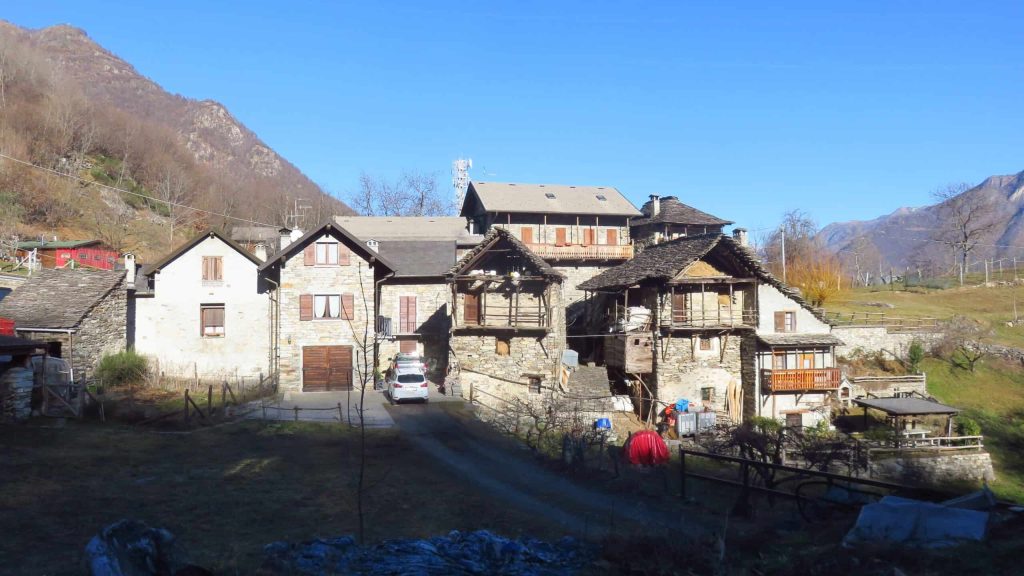
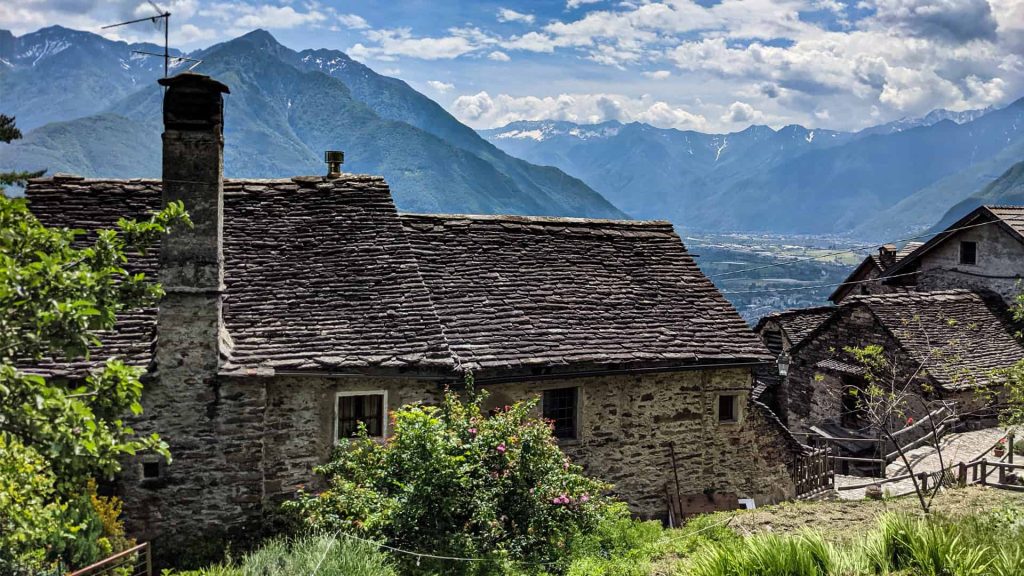
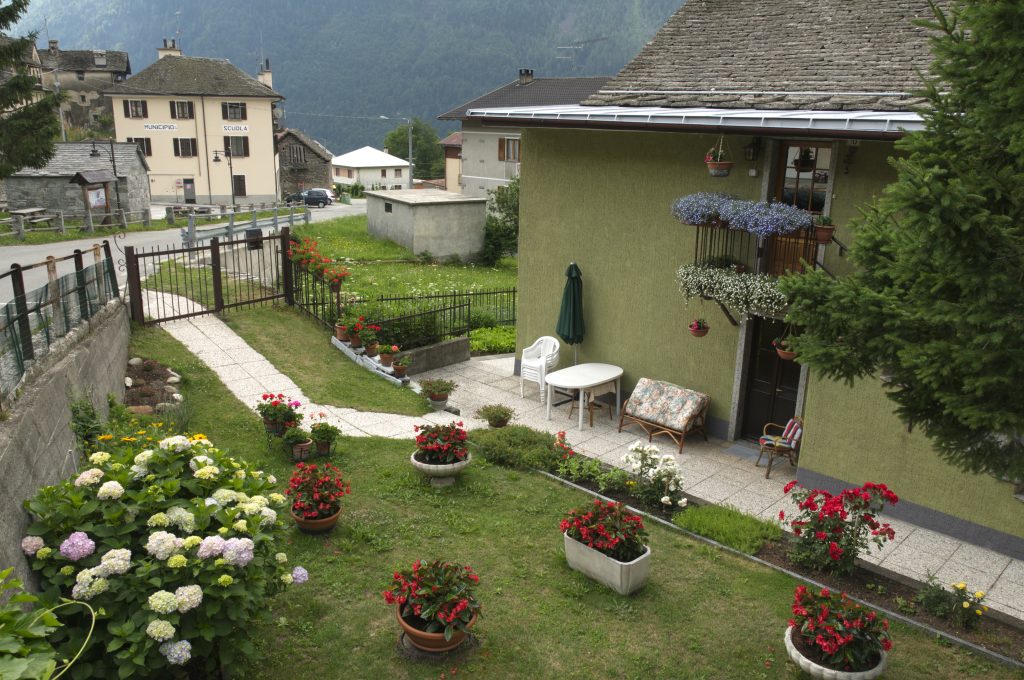
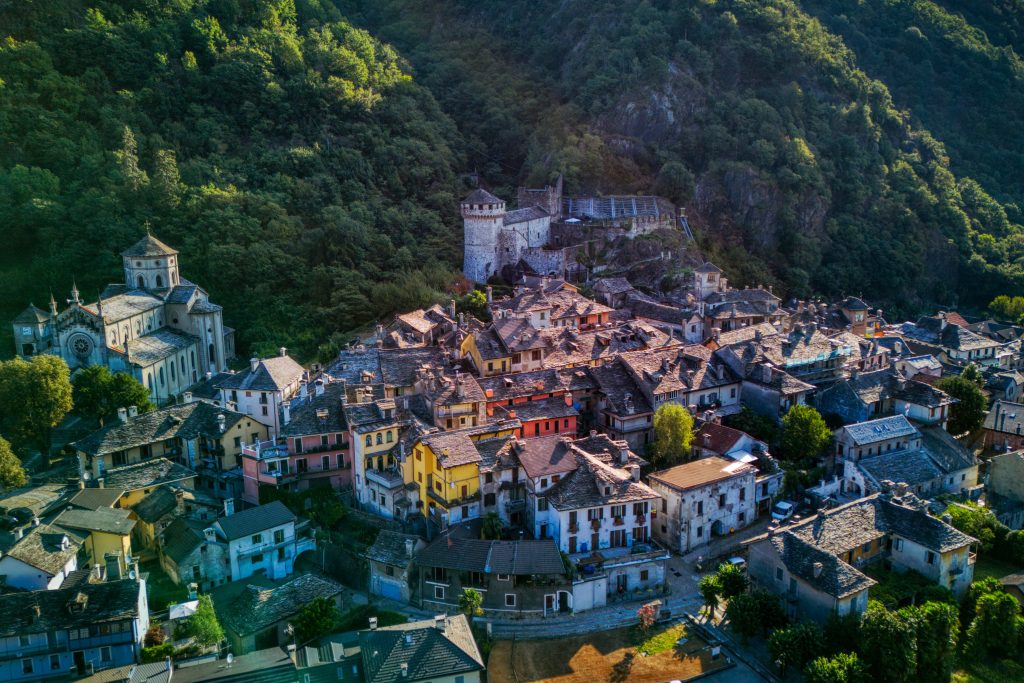
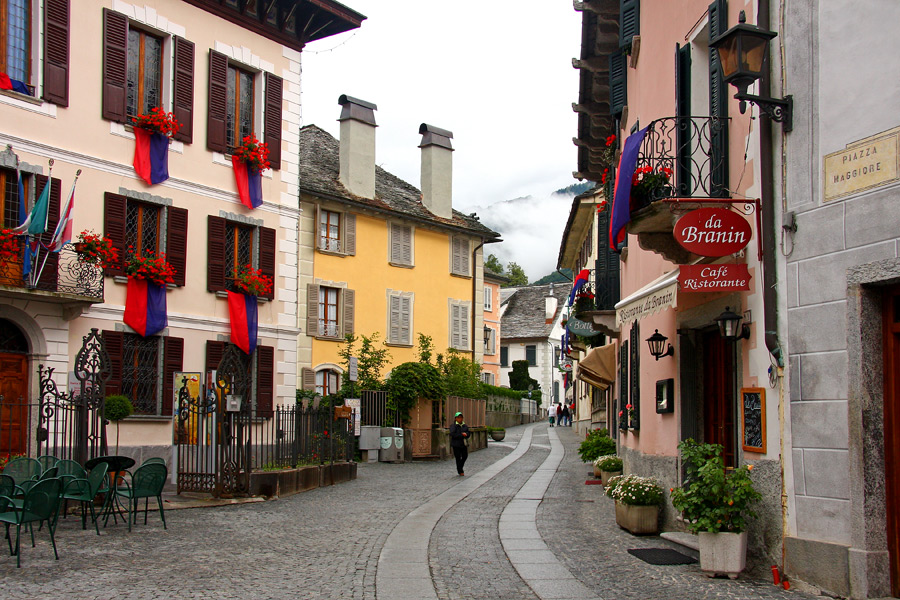
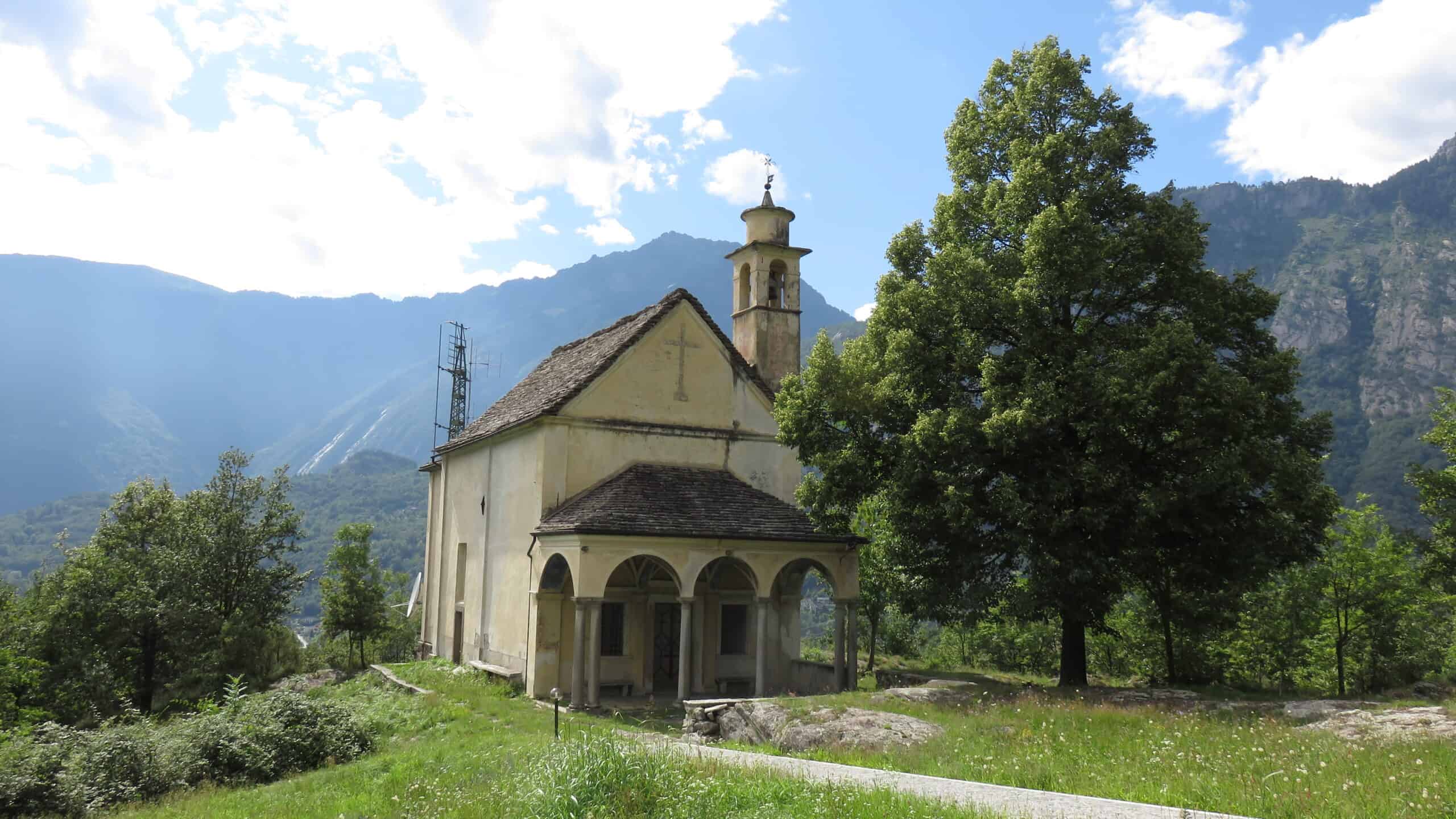
Montecrestese is in fact made up of numerous hamlets scattered across a rather extensive area. From the 15th century until 1818, these villages were grouped into units known as “squads”, an administrative organisation designed to distribute fairly the burdens and taxes levied on the community: during the medieval period, the area was divided into four squads, centred in Altoggio, Naviledo, Roldo and Lomese. Some of these hamlets are now densely inhabited, others have lost much of their population, while others are virtually uninhabited: a layered human landscape that tells centuries of rural history.
From the Province of Novara to VCO
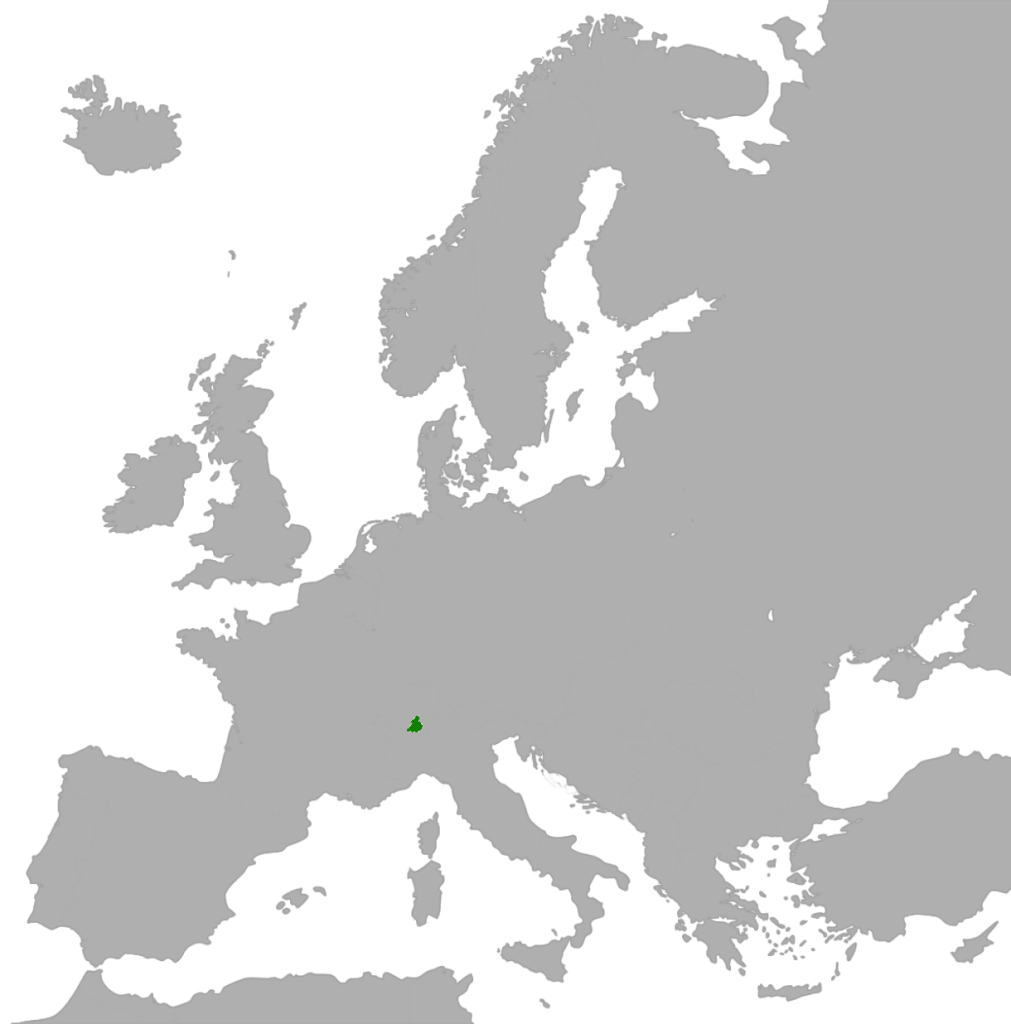
Another significant step in Montecrestese’s administrative history dates back to 1992, when the municipality moved from the Province of Novara to the new Province of Verbano-Cusio-Ossola, together with most of the valley’s municipalities.
Montecrestese, a stop for discovering Ossola
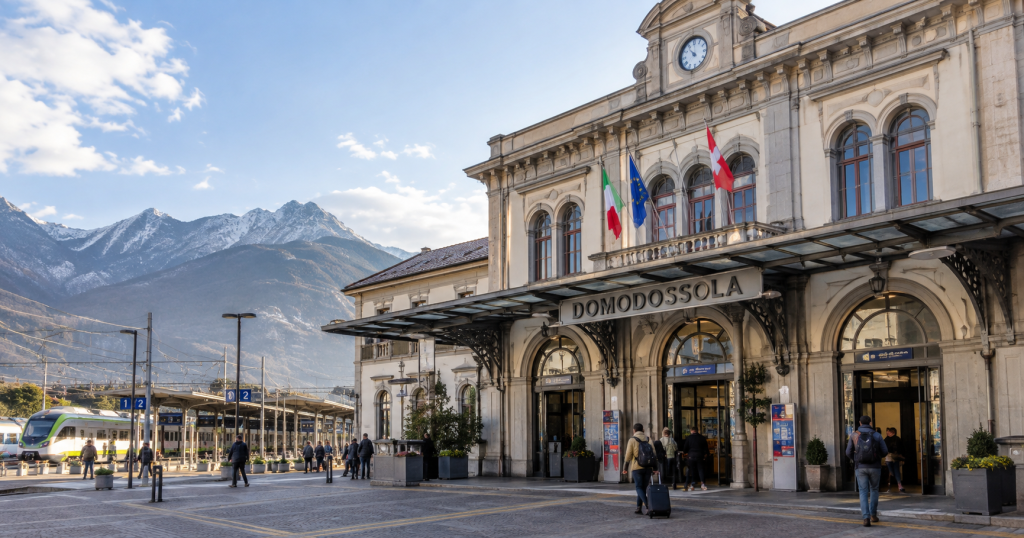
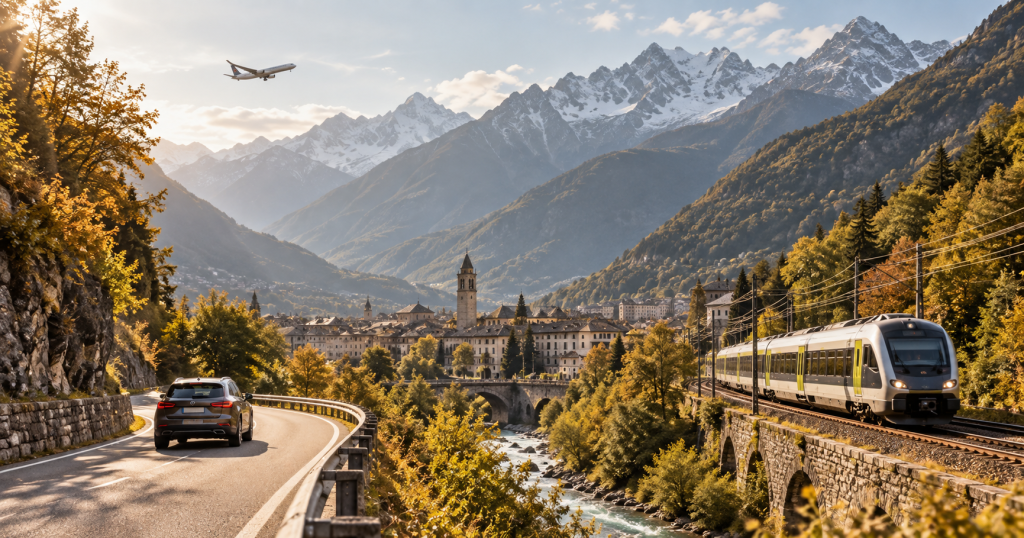
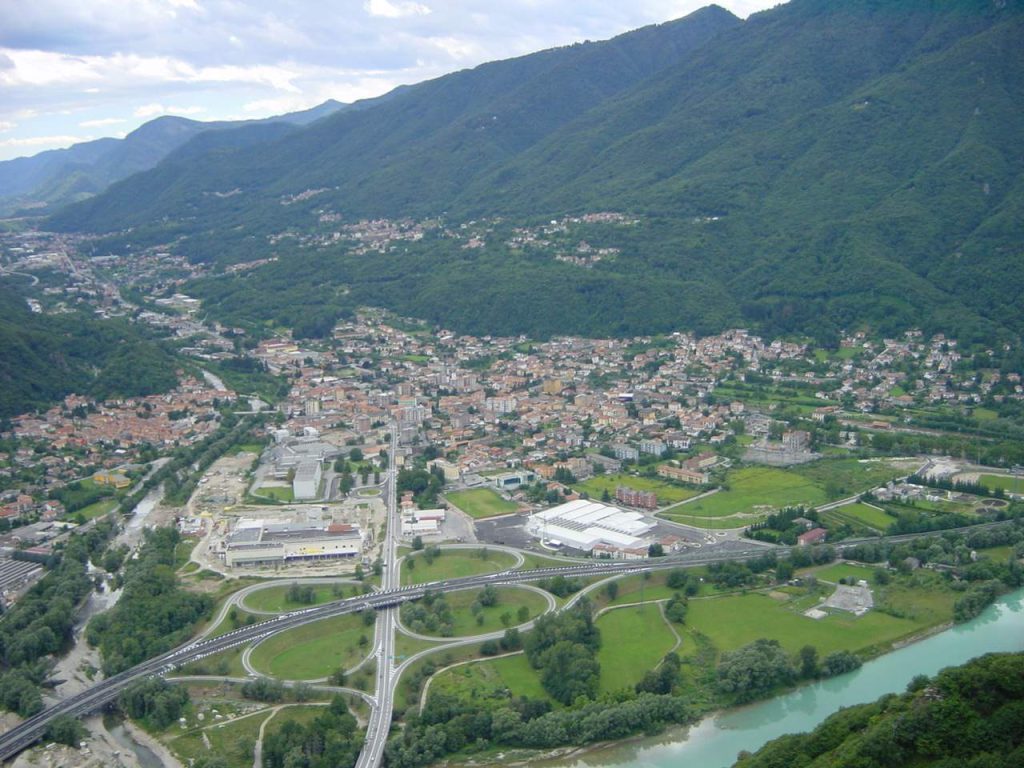
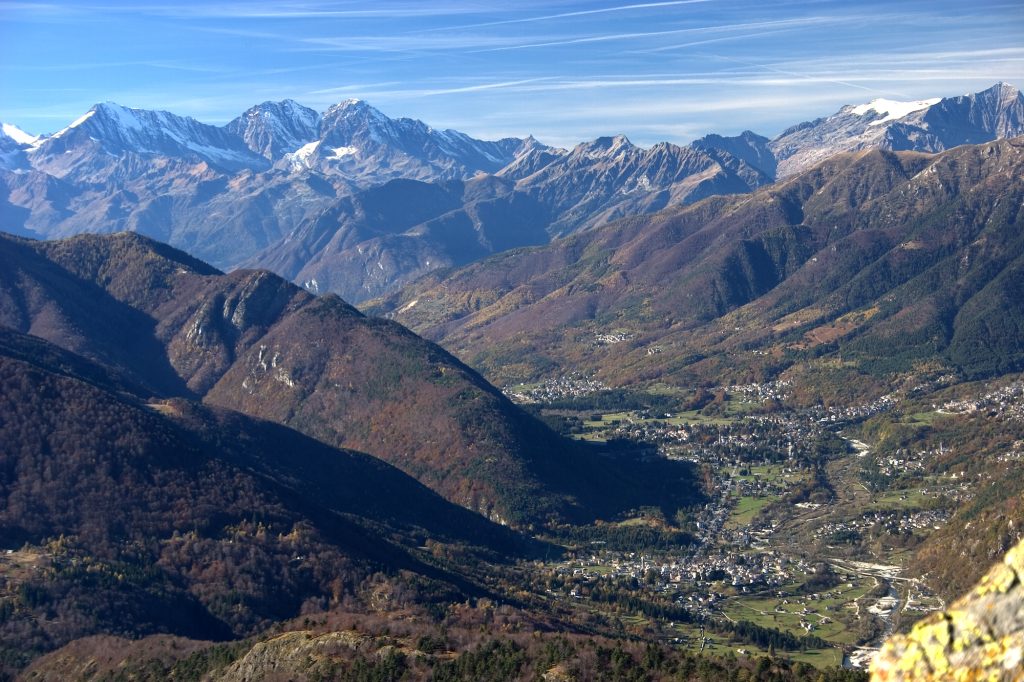
The village lies in the Ossola basin, not far from Beura-Cardezza and Crevoladossola, and is well suited to those wishing to discover the valley’s lesser-known religious and architectural heritage, away from the most popular routes. For those staying in Domodossola, Montecrestese is only a few minutes away by car.
To learn more about the bell tower’s history and architectural details, see the dedicated page on visitOssola and the information provided by the Municipality of Montecrestese.
An area to experience at the table too
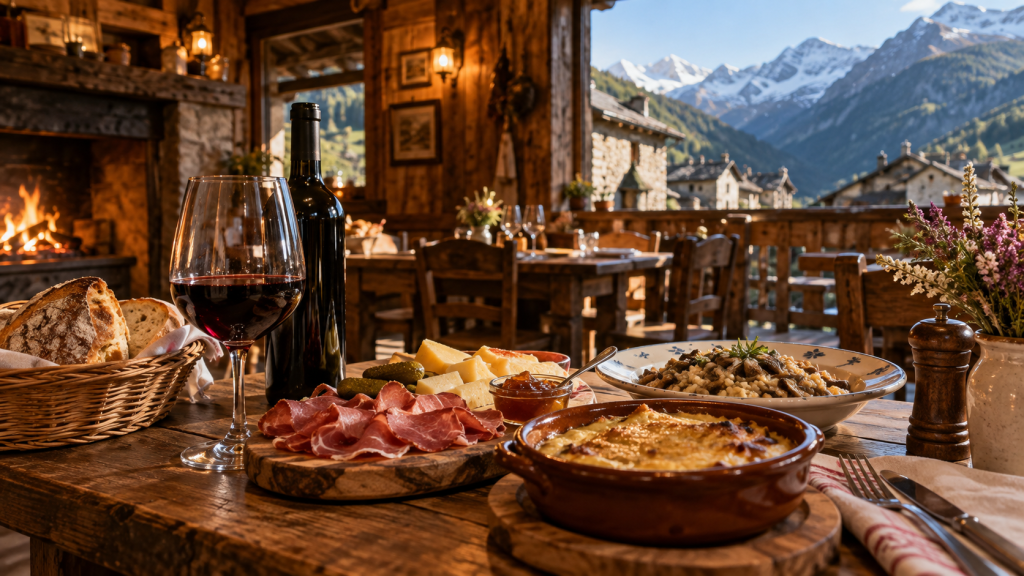
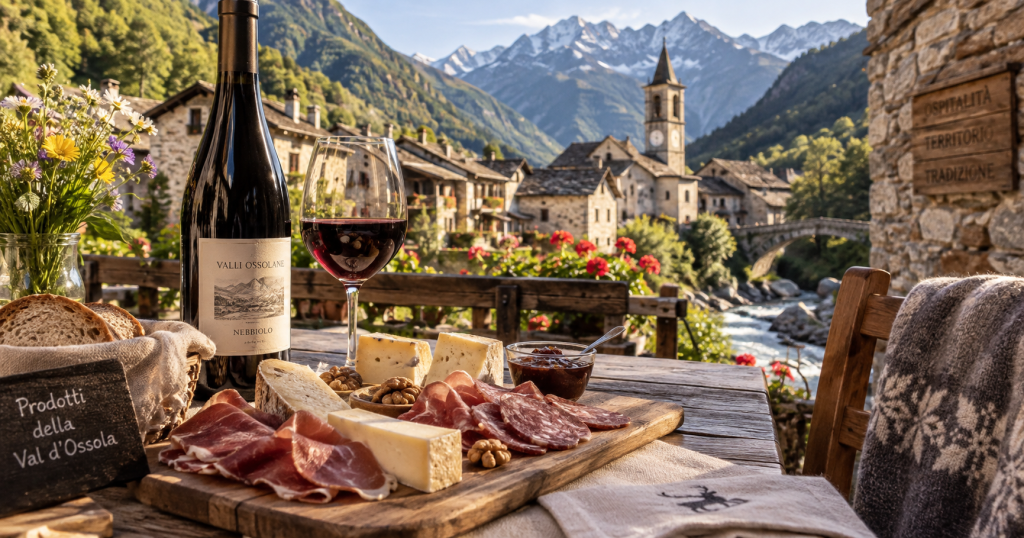
After stopping among the Romanesque stones of Montecrestese, the Ossola valley floor offers another side of the area: that of vineyards and wineries, favoured, unsurprisingly, by the same mild climate that made the “Riviera of Ossola” famous. A tasting is a natural way to complete the discovery of this corner of the Val d’Ossola.
The parish and the village’s religious life
The Church of Santa Maria Assunta is not merely a monument to admire, but remains the centre of the community’s religious life to this day, as part of the pastoral unit that includes Domodossola and the neighbouring municipalities. Liturgical celebrations, particularly those linked to the Assumption patronal feast in mid-August, draw not only residents every year but also people originally from the village who live outside Ossola, keeping alive a bond that spans generations.