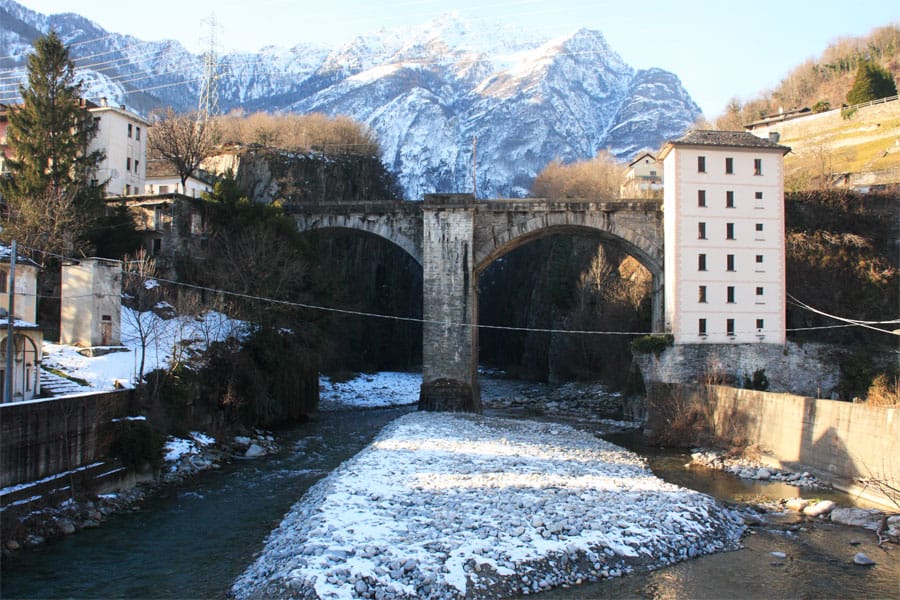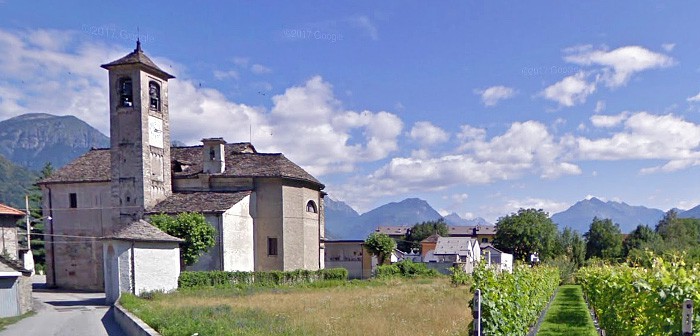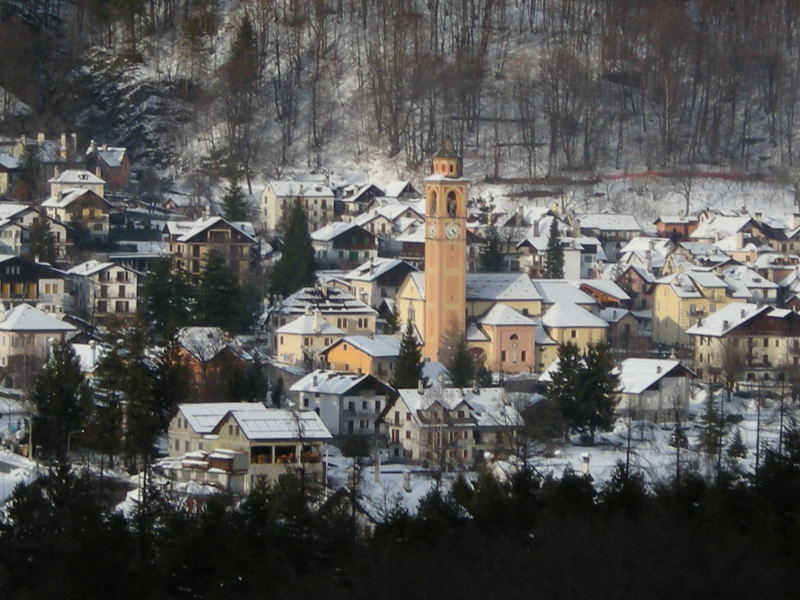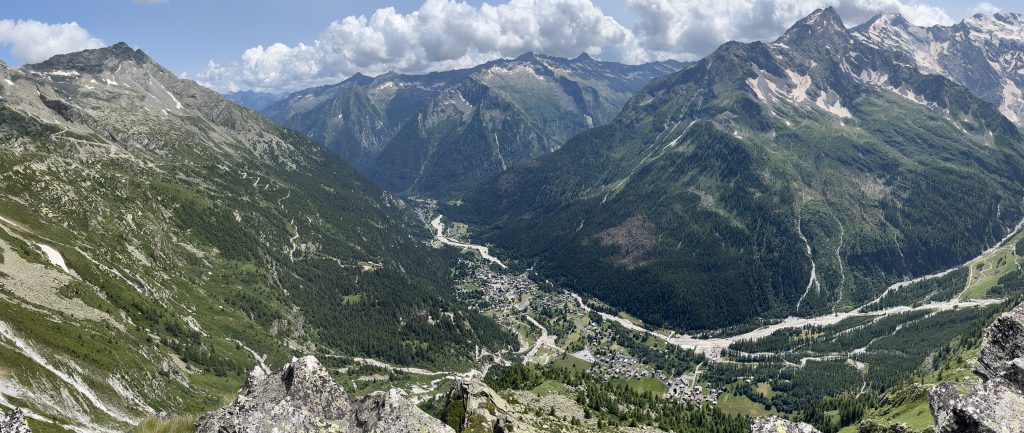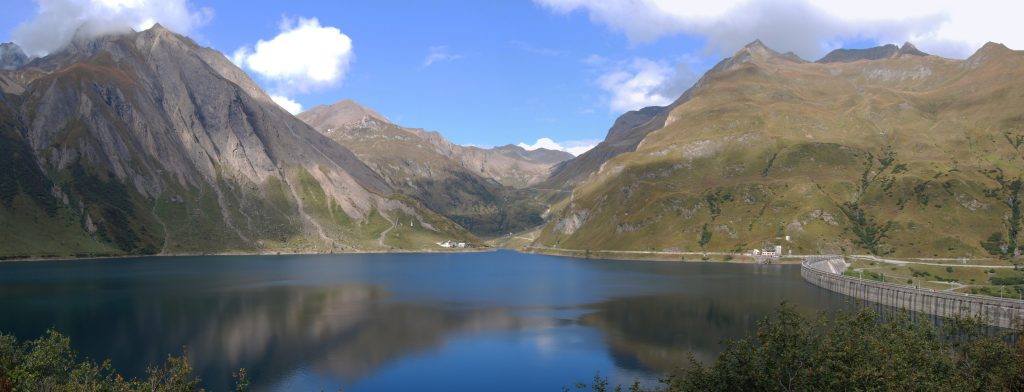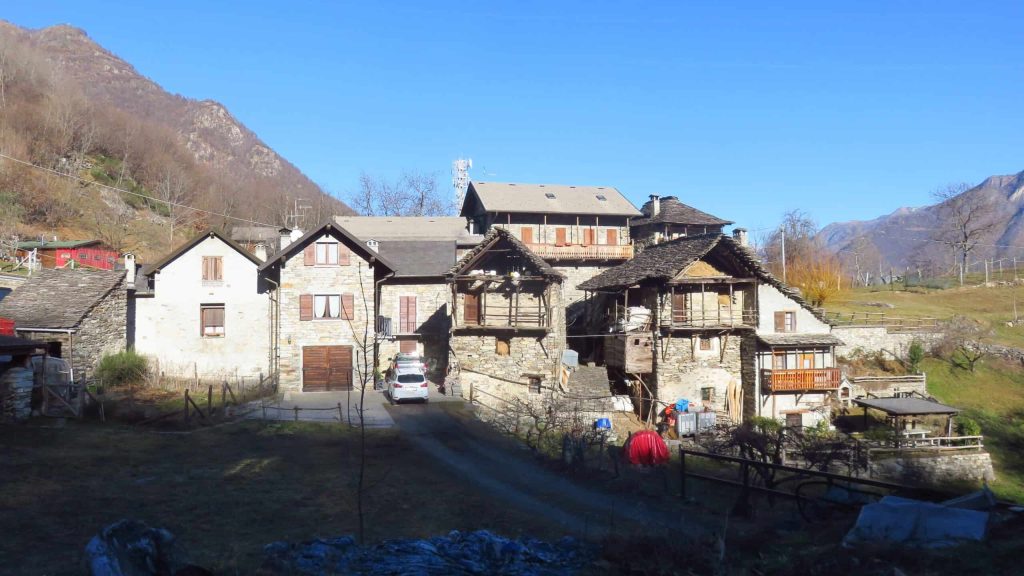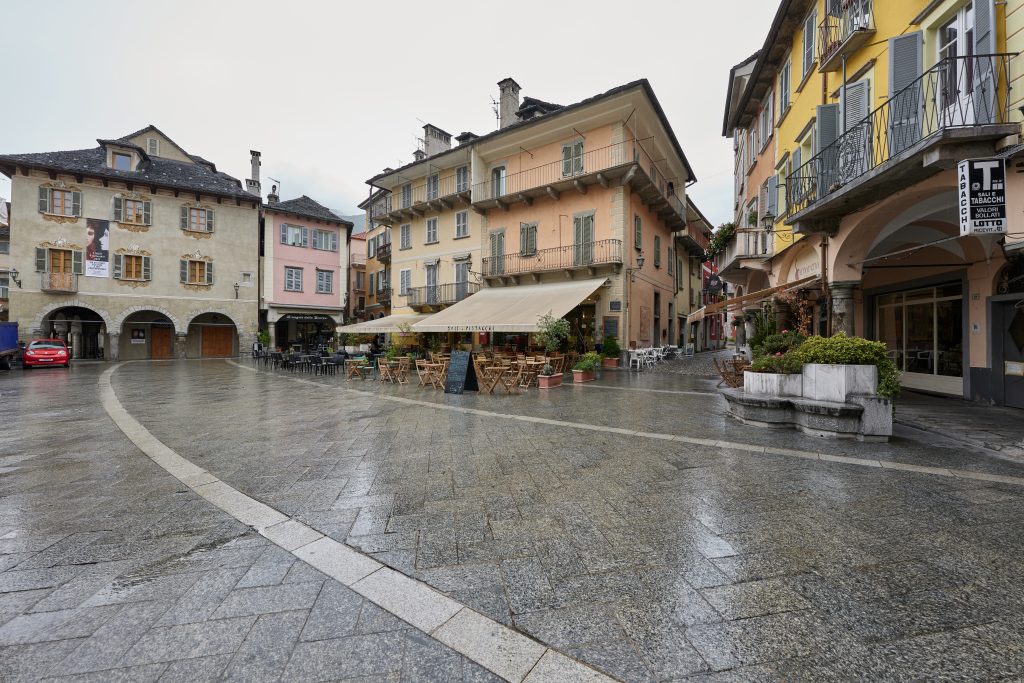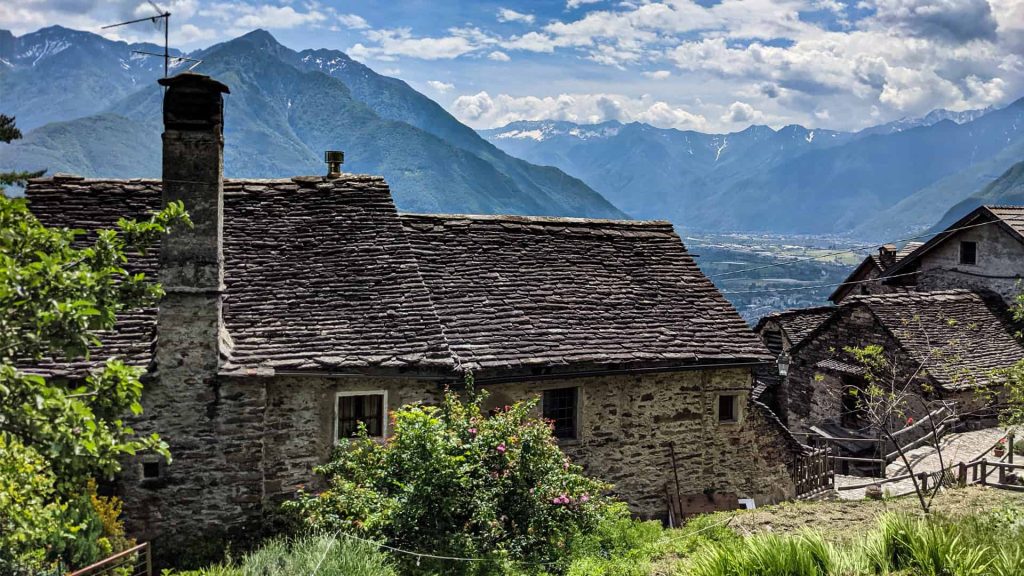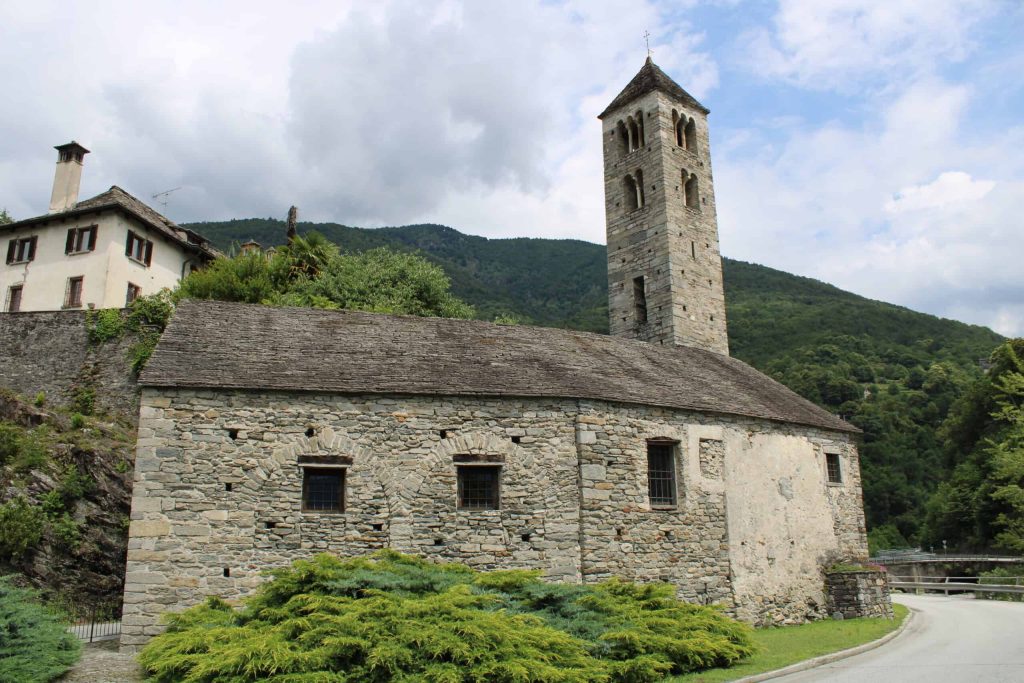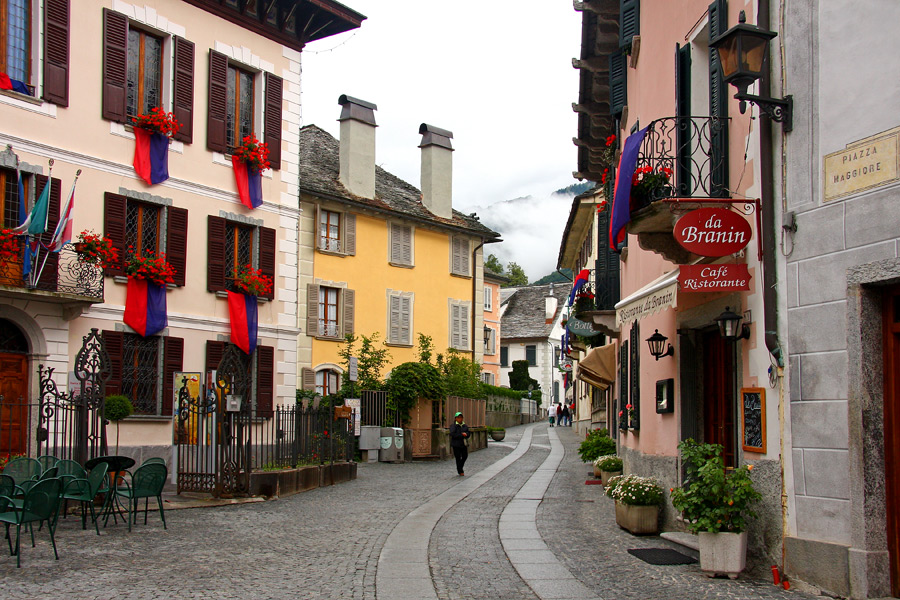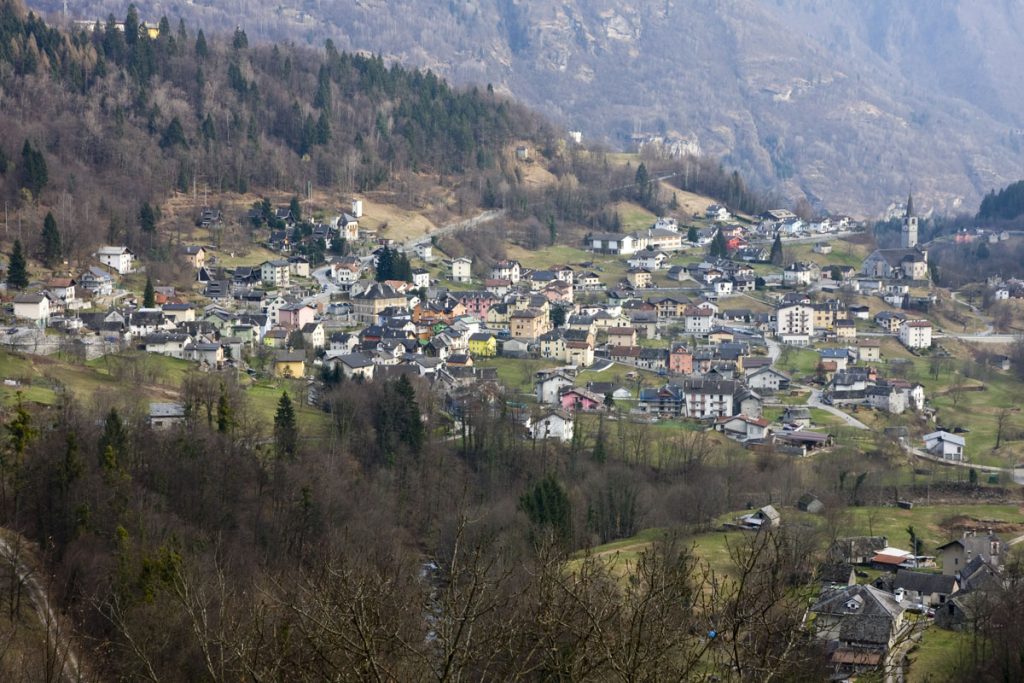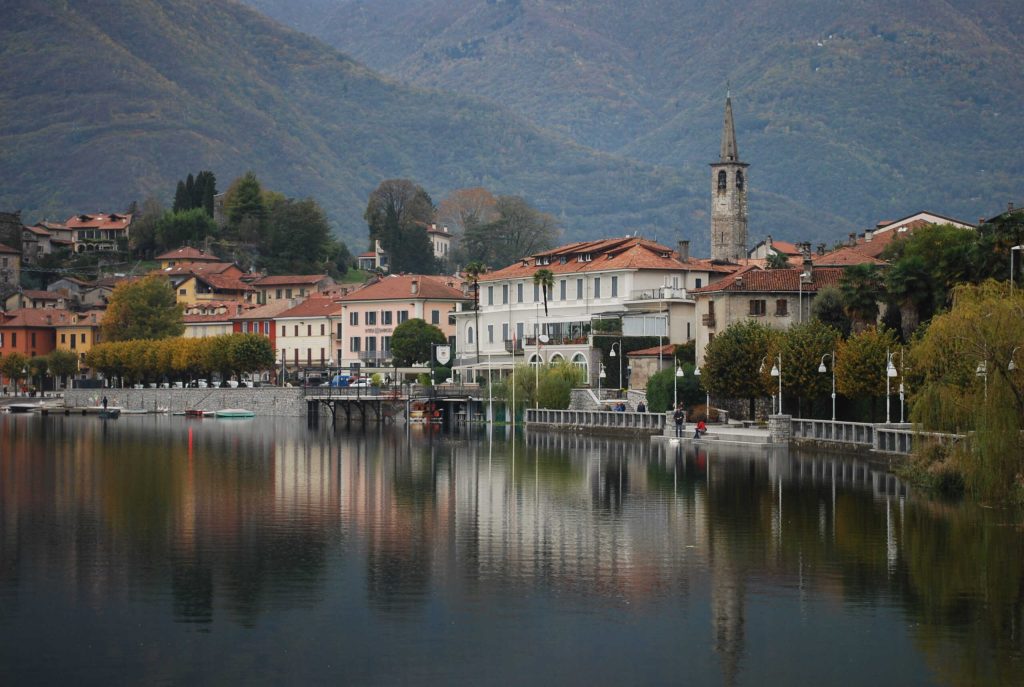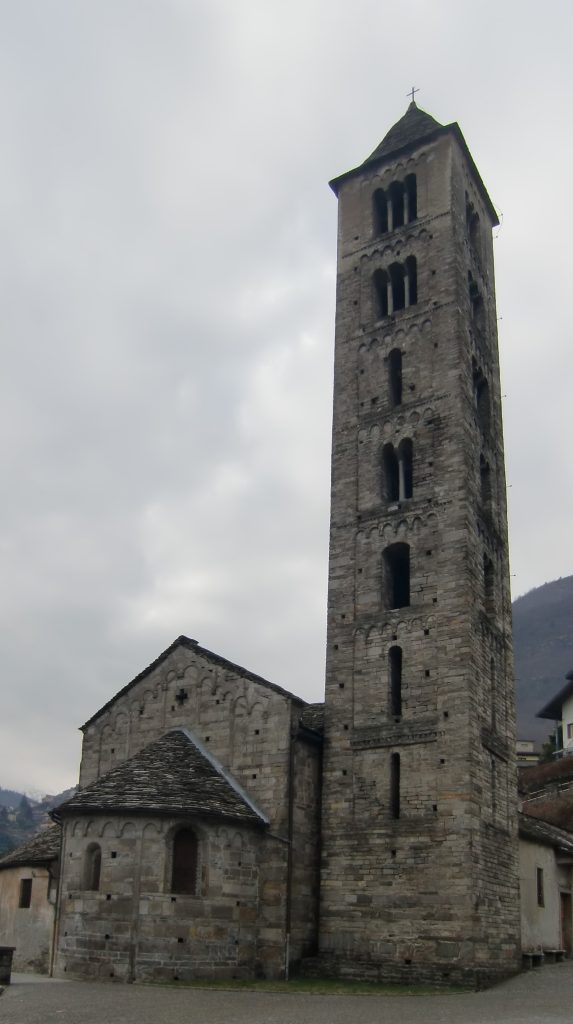
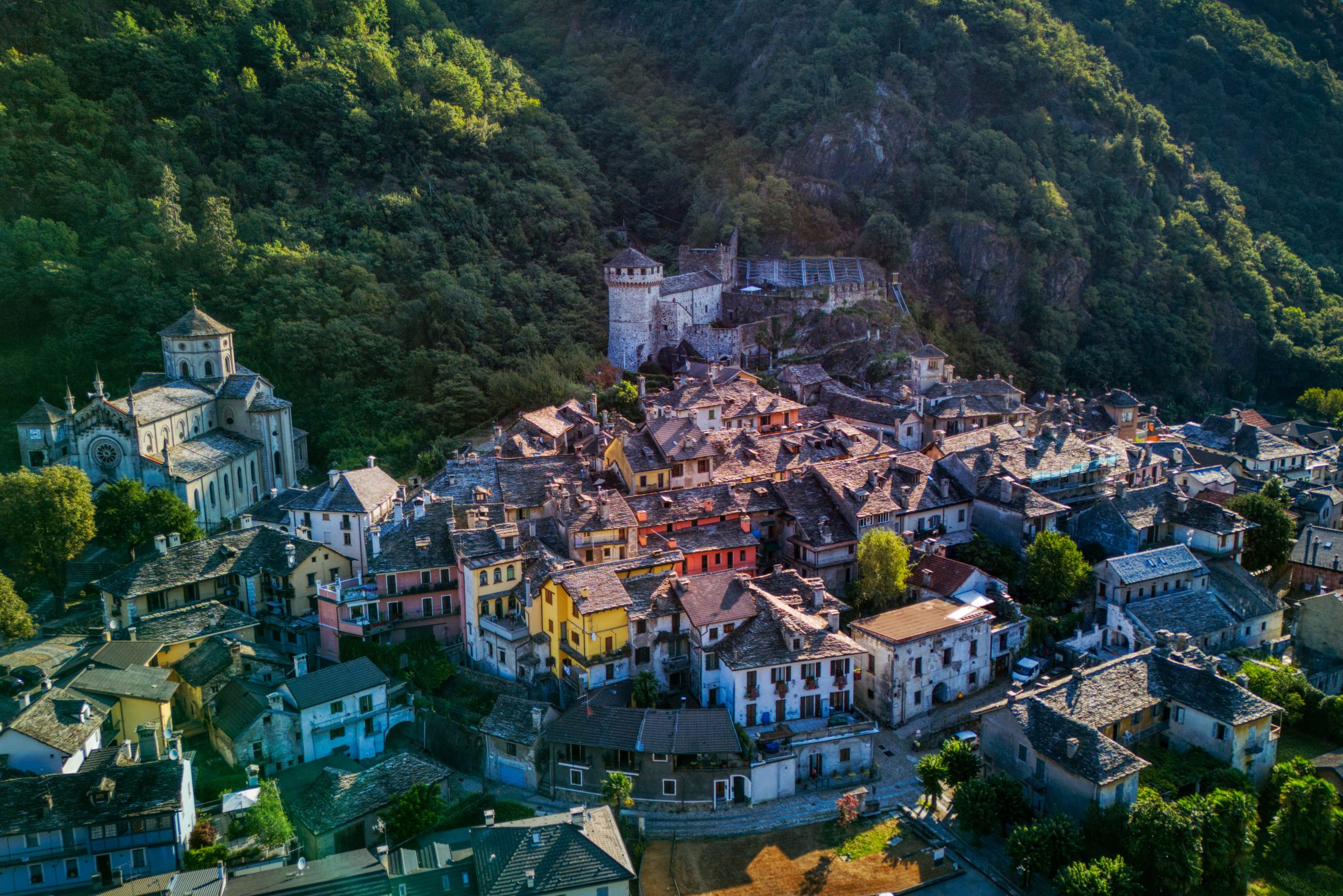
Vogogna is one of the best-preserved medieval villages in the Val d’Ossola, so much so that it is included among Italy’s Most Beautiful Villages and is now part of the Val Grande National Park.
Capital of the Lower Ossola
Thanks to its strategic location, in the 14th century Vogogna was chosen by Giovanni Visconti, bishop and lord of Milan, as the capital of the Lower Ossola, becoming the centre of political and administrative life for the entire region. Under the subsequent lordships of the Visconti, Sforza and Borromeo families, the village experienced its greatest period of splendour, which ended only with Spanish and Austrian rule.
The Visconti Castle and the ancient Rocca
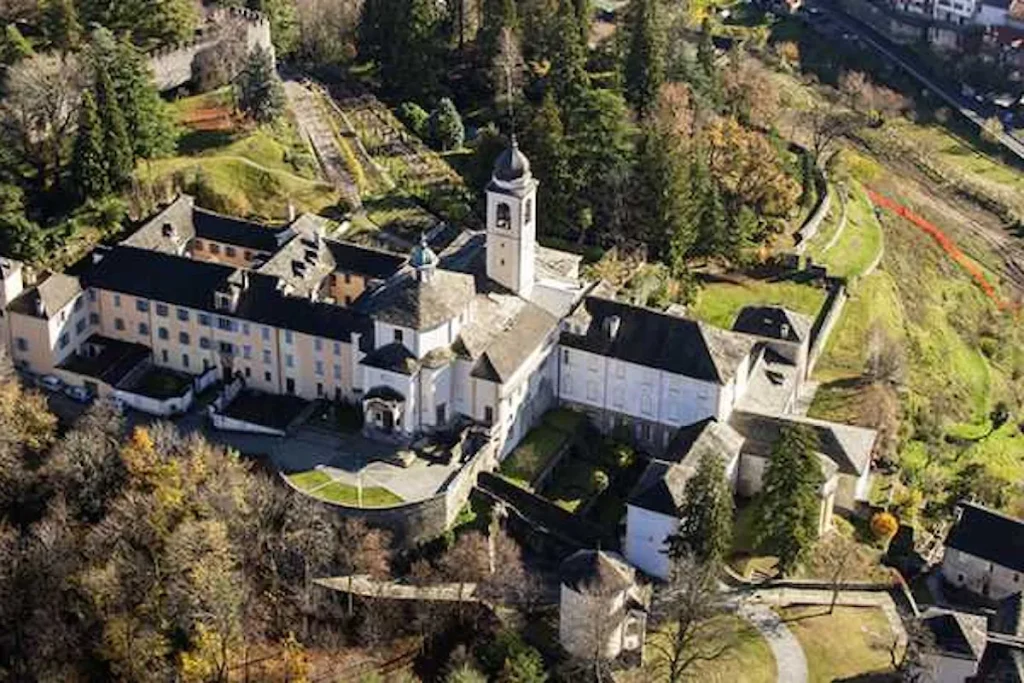
The skyline of Vogogna is still dominated by the imposing Visconti Castle, designed in the 14th century for defensive and military purposes and also used as a prison at the end of the 18th century. Above the castle stands the ancient Rocca, perhaps of Roman or early medieval origin, which served as a strategic outpost in the valley’s defensive system: today, it is one of the village’s most striking viewpoints.
Vogogna in the Lower Ossola
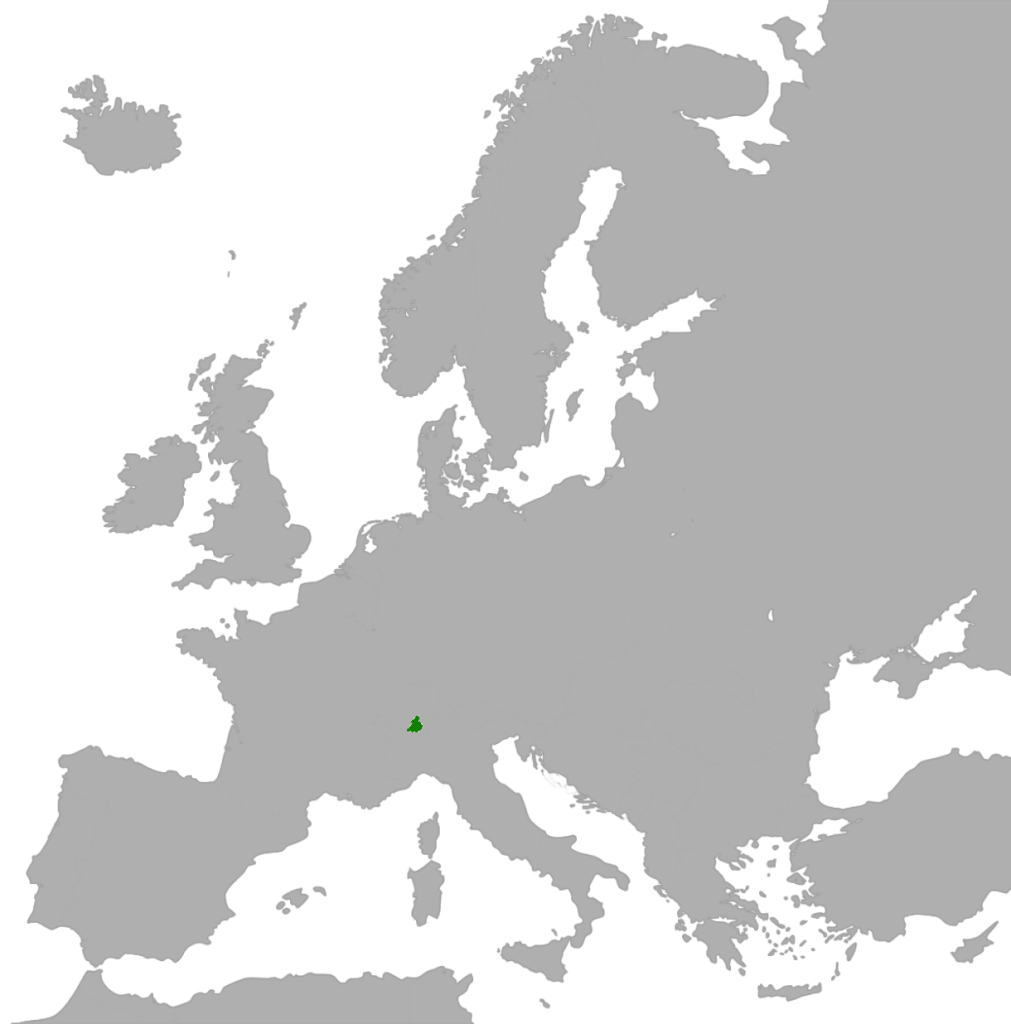
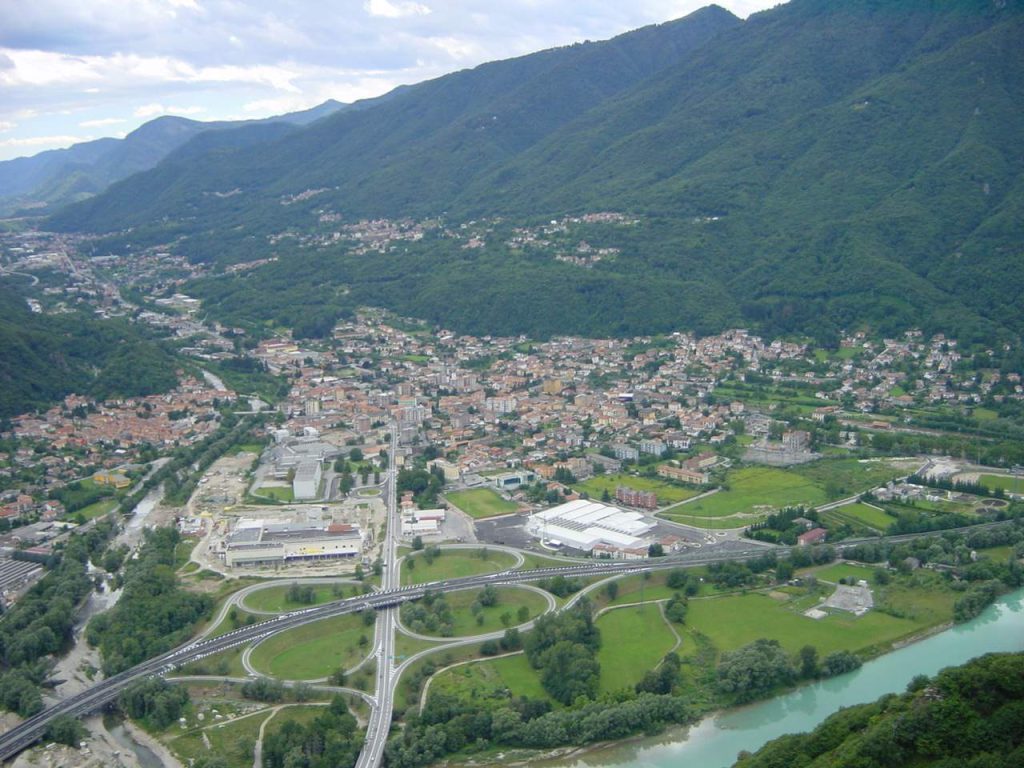
The village is located in the Lower Ossola, not far from Ornavasso and Premosello-Chiovenda. To learn more about the castle’s history, visit the website of the Visconti Castle of Vogogna.
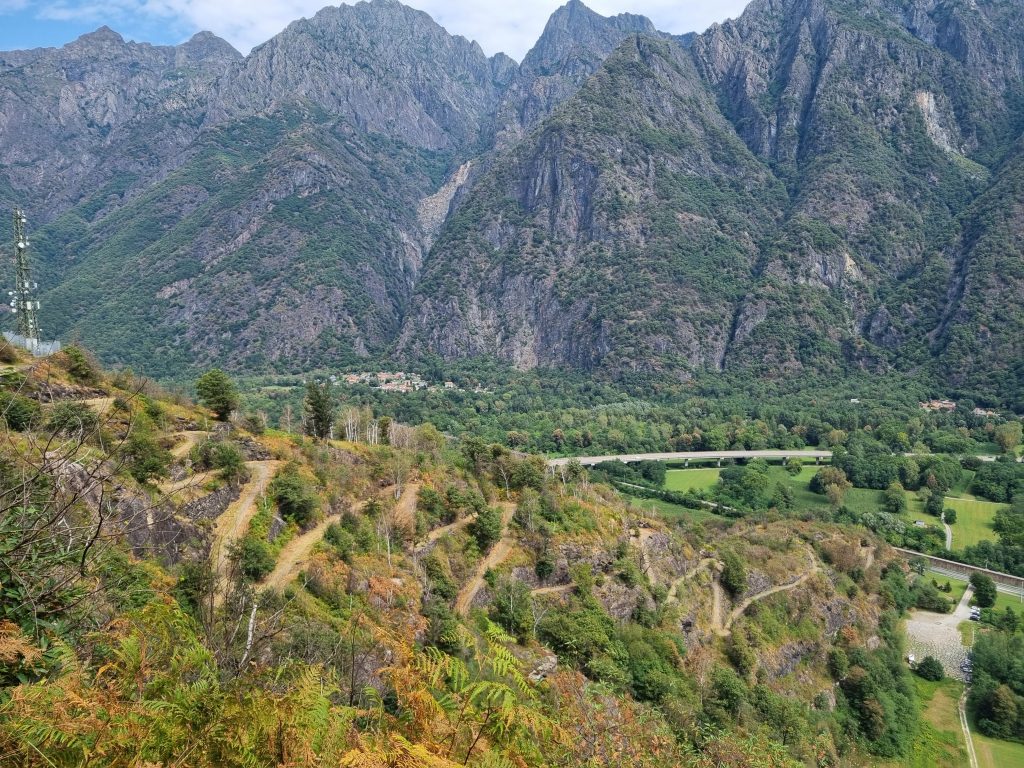
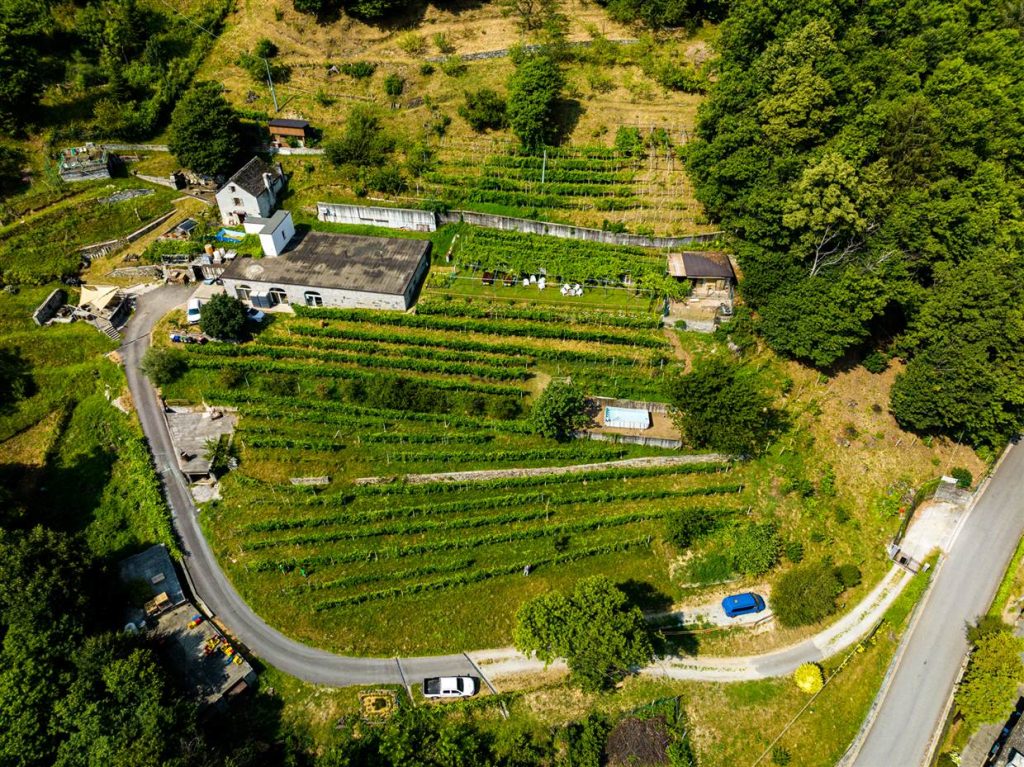
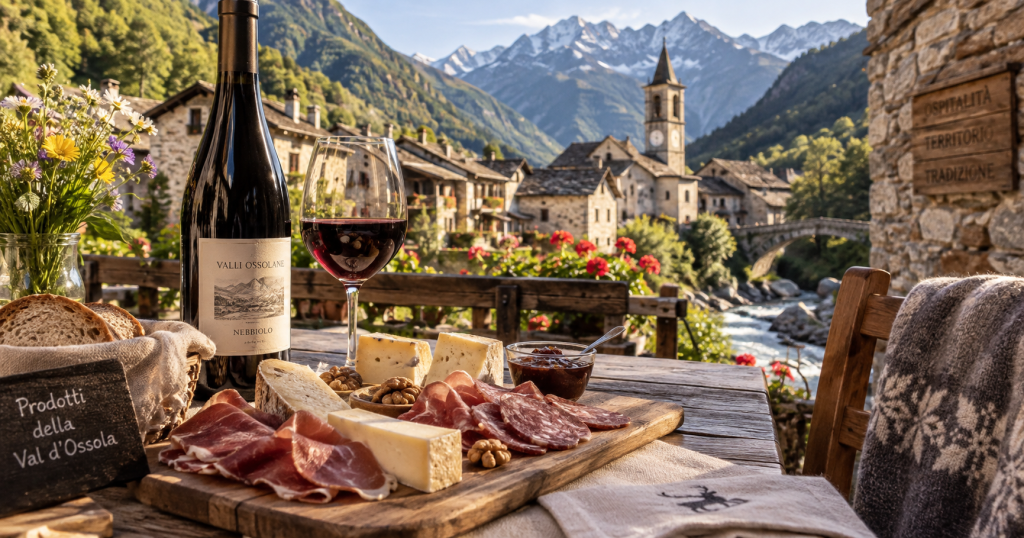
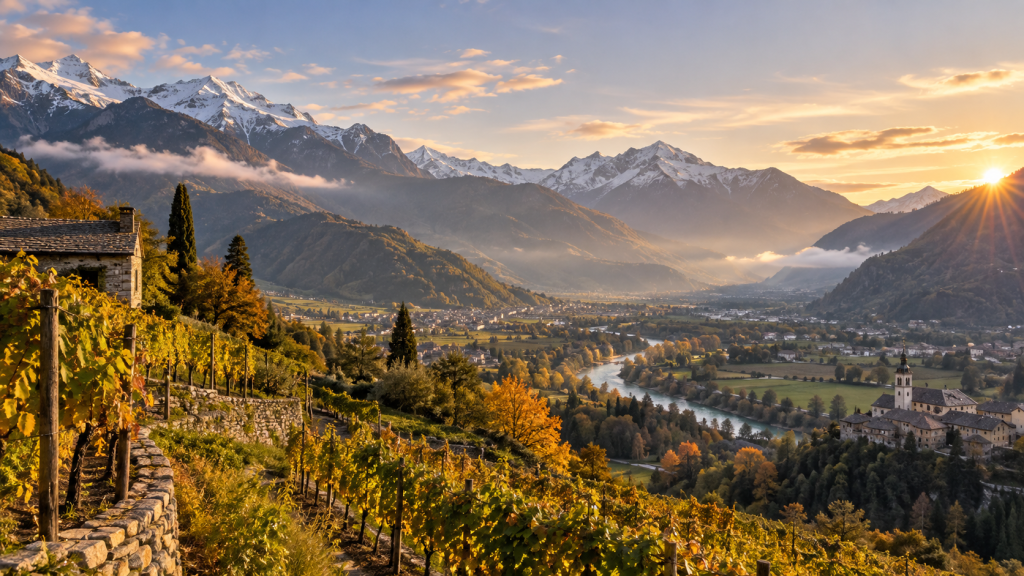
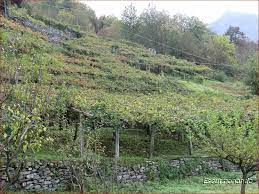
After visiting the medieval village, the vineyards of the Val d’Ossola are just a short distance away: an opportunity for a tasting that rounds off the day perfectly.
From prison to museum
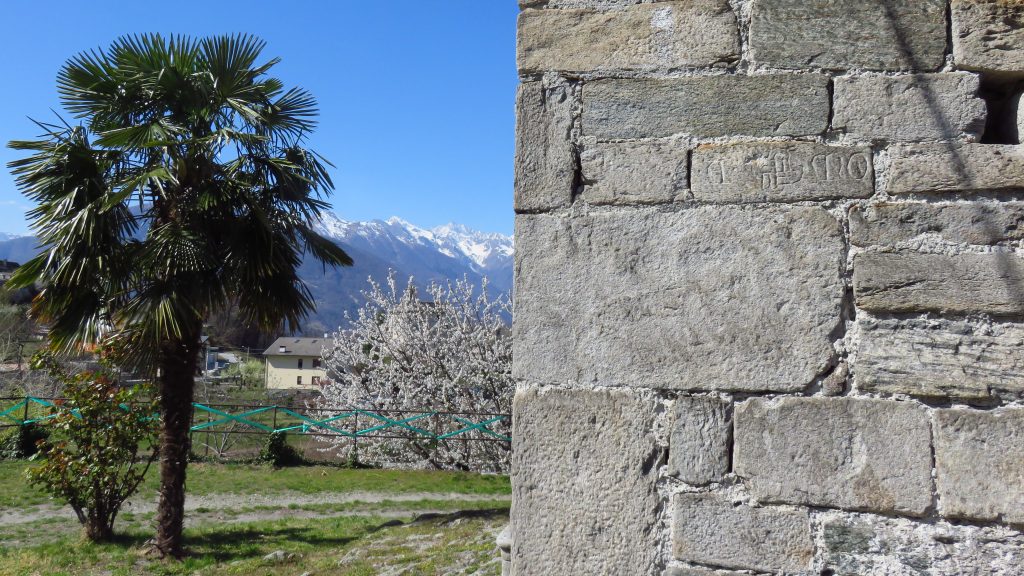
The castle’s semicircular tower was used as a prison until 1914: even today, inside, you can see small intact cells, with inscriptions carved into the walls by prisoners of the time, a direct and moving testimony to this lesser-known chapter in the castle’s history. A restoration project begun in 1990 allowed it to reopen to the public in 1998, with the interior spaces completed in 2004: some of the cells have been converted into exhibition spaces for temporary and permanent displays, while the rooms on the top floor now host conferences and cultural events.
The Rocca above the village
The ancient Rocca of Vogogna, dating back to around 1300, overlooks the settlement and can be reached with a walk of around twenty minutes from the village, or ten minutes from the nearby hamlet of Genestredo: a route that rewards visitors, on arrival, with a privileged view over the entire medieval village below.
A village alive all year round
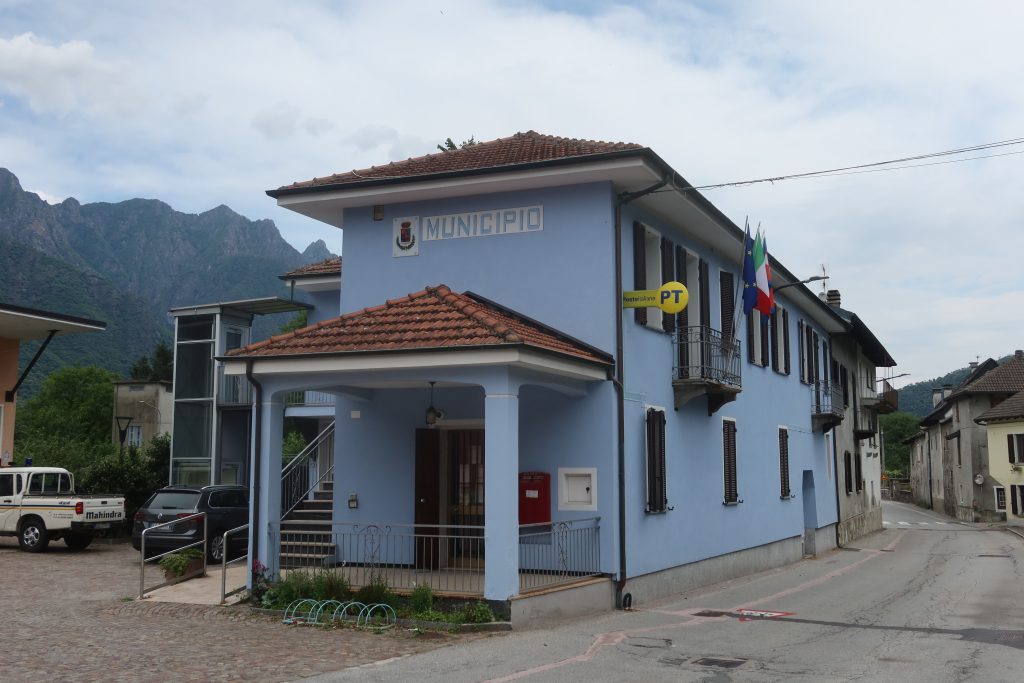
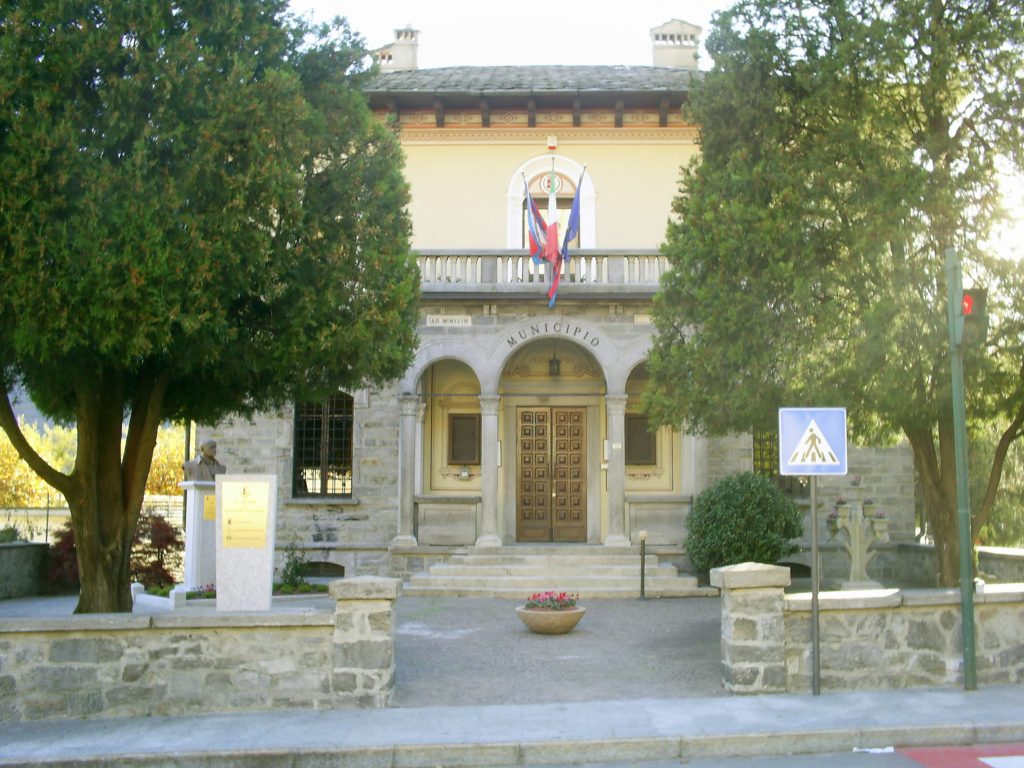
Unlike many seasonal tourist destinations, Vogogna maintains an active town life throughout the year, also thanks to the presence of municipal offices and services that make it a small administrative hub for neighbouring villages: a balance between its tourism vocation and everyday life that helps preserve its authenticity.
A conservation model for the Lower Ossola
The restoration of Vogogna’s castle and Rocca provides a benchmark for other conservation projects in the Lower Ossola, demonstrating how targeted, long-term investment can restore full accessibility to a historic heritage otherwise destined to deteriorate.
One final curiosity: the prison cells, now converted into exhibition spaces, are perhaps the most moving example of how a place of suffering can, over time, become a place of culture and shared memory.
A medieval village that continues to tell its story, stone by stone.
Visconti, Sforza, Borromeo: one village, a thousand masters throughout history.
A castle, a Rocca, centuries of history to tell.
One final note about Vogogna: its transformation from prison to cultural space tells better than many words how a place can completely reinvent its meaning over time.
A Rocca, a castle, centuries of stories to tell.
A Rocca, a castle, centuries of lived history.
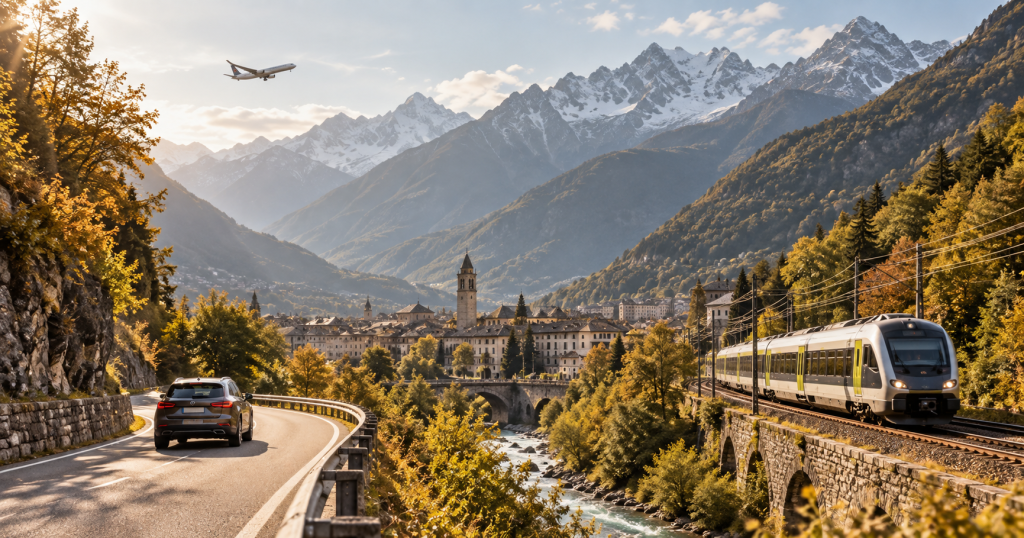
Vogogna remains a point of reference for those travelling through the Lower Ossola in search of historic villages, an ideal stop on an itinerary connecting the lakes to the mountains through the valley’s terraced vineyards.