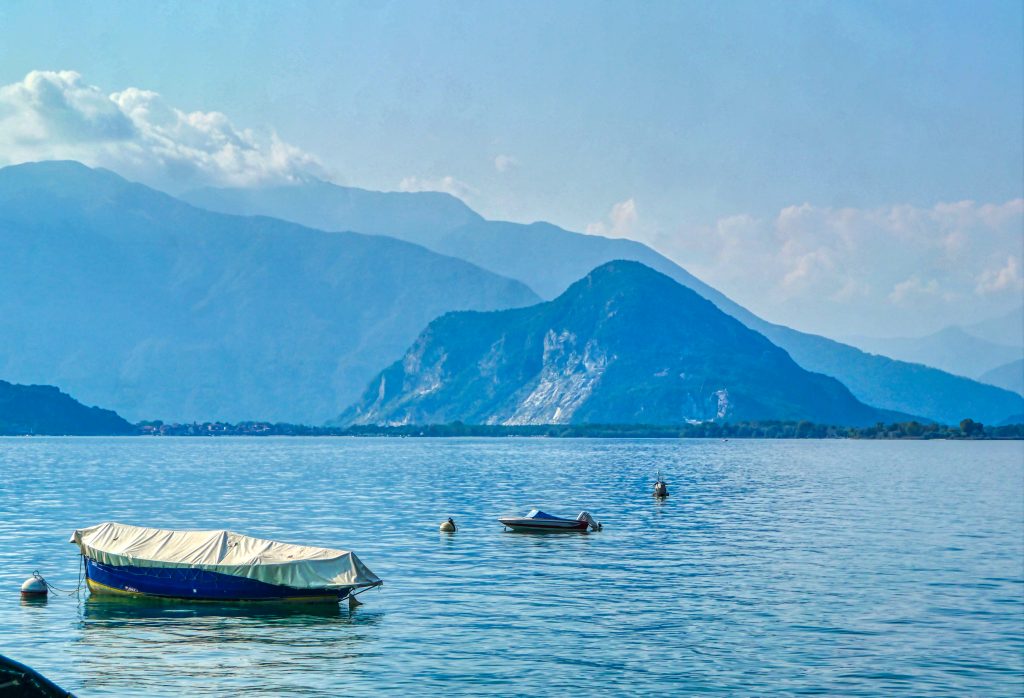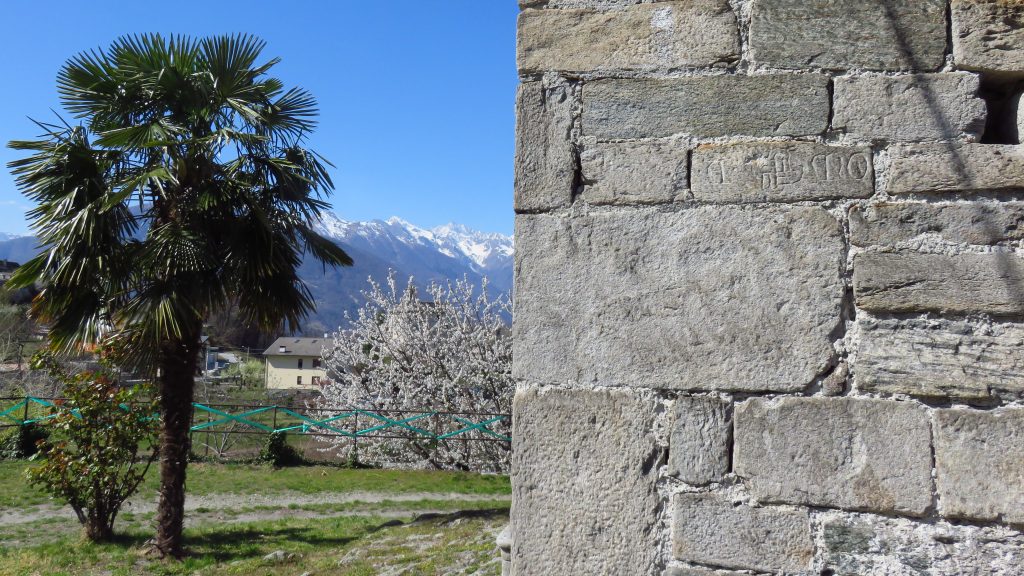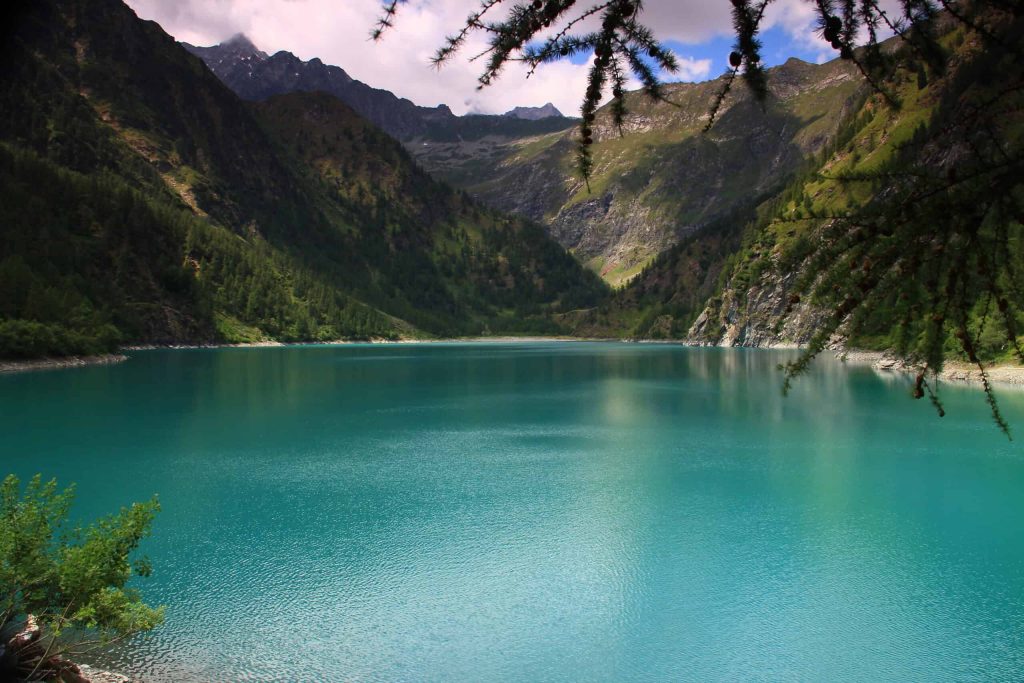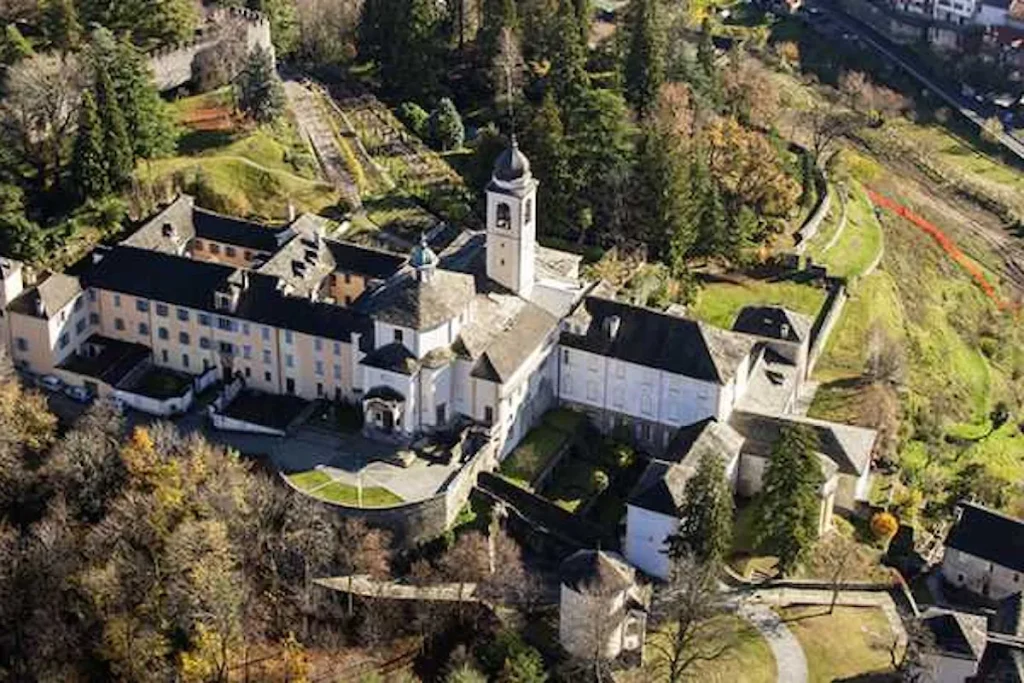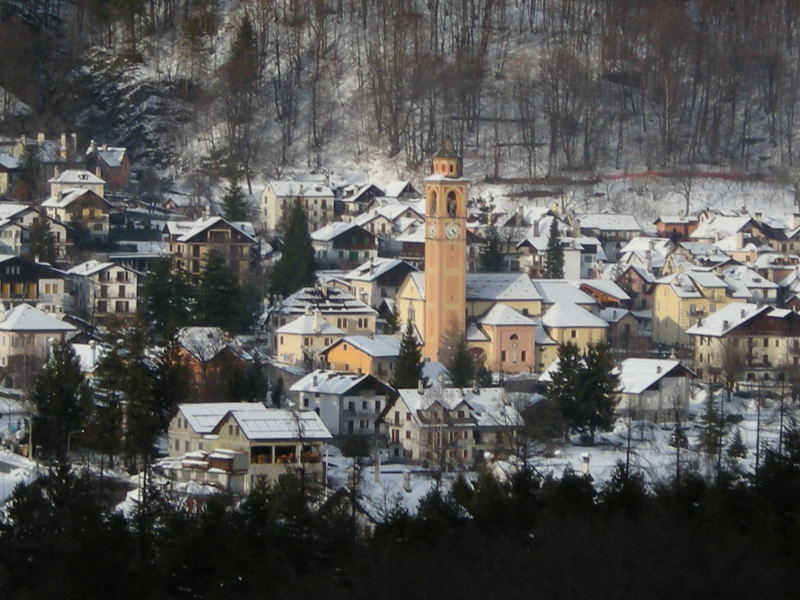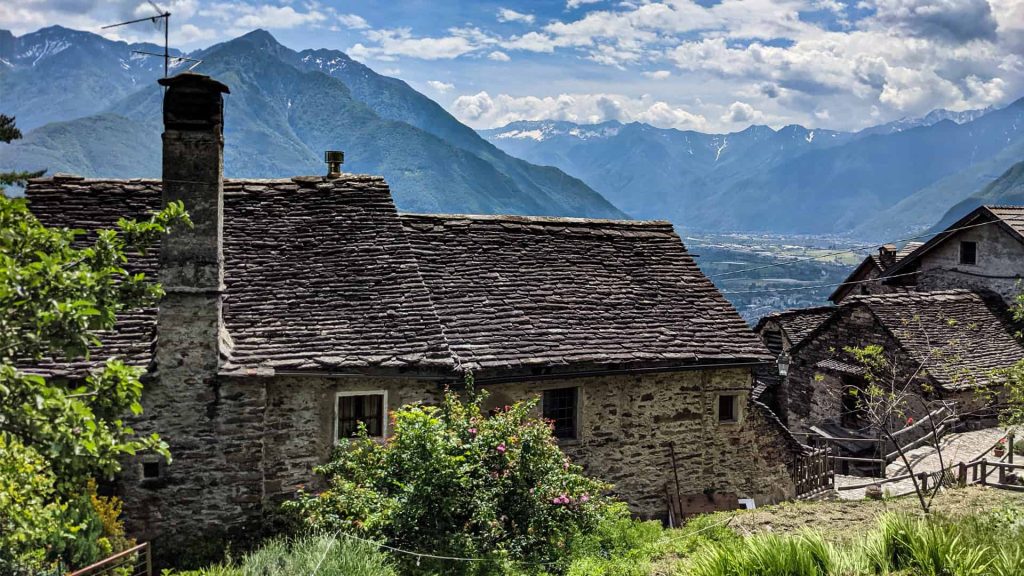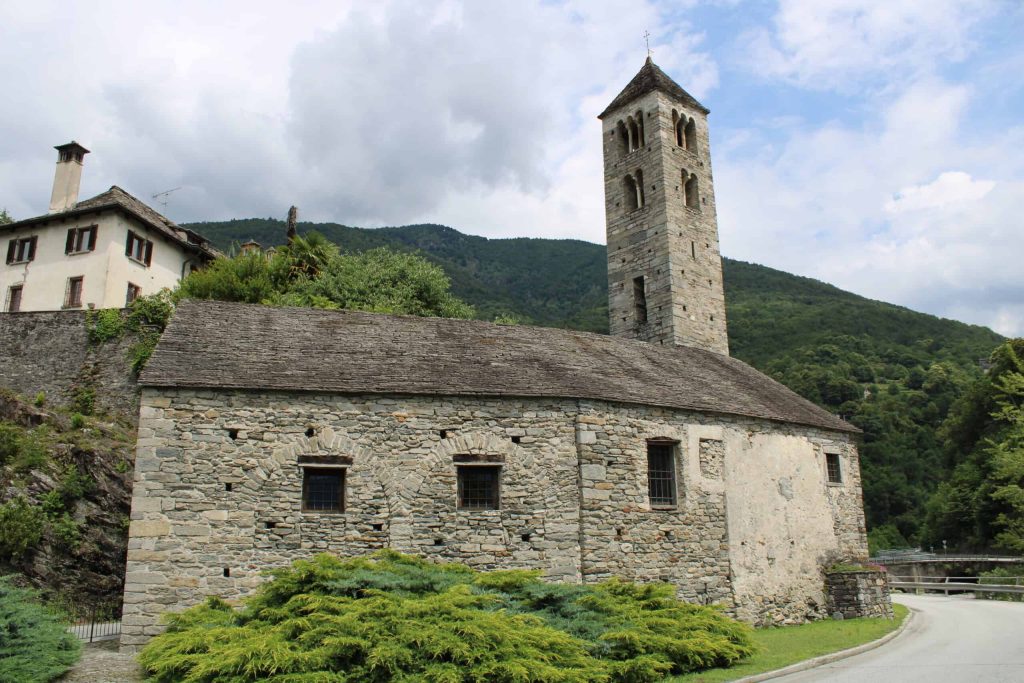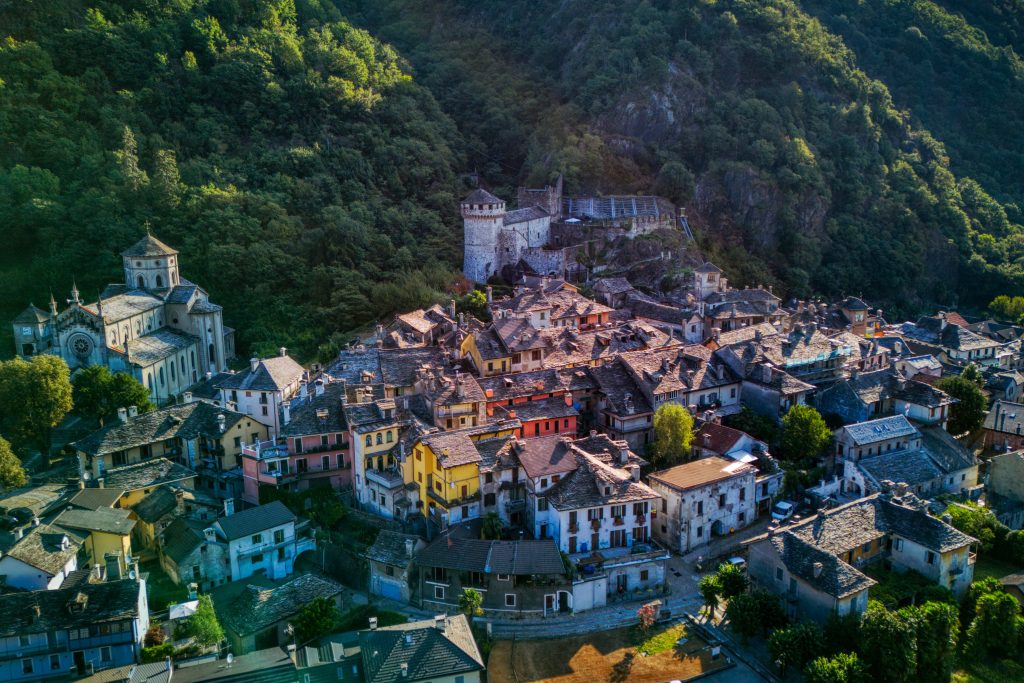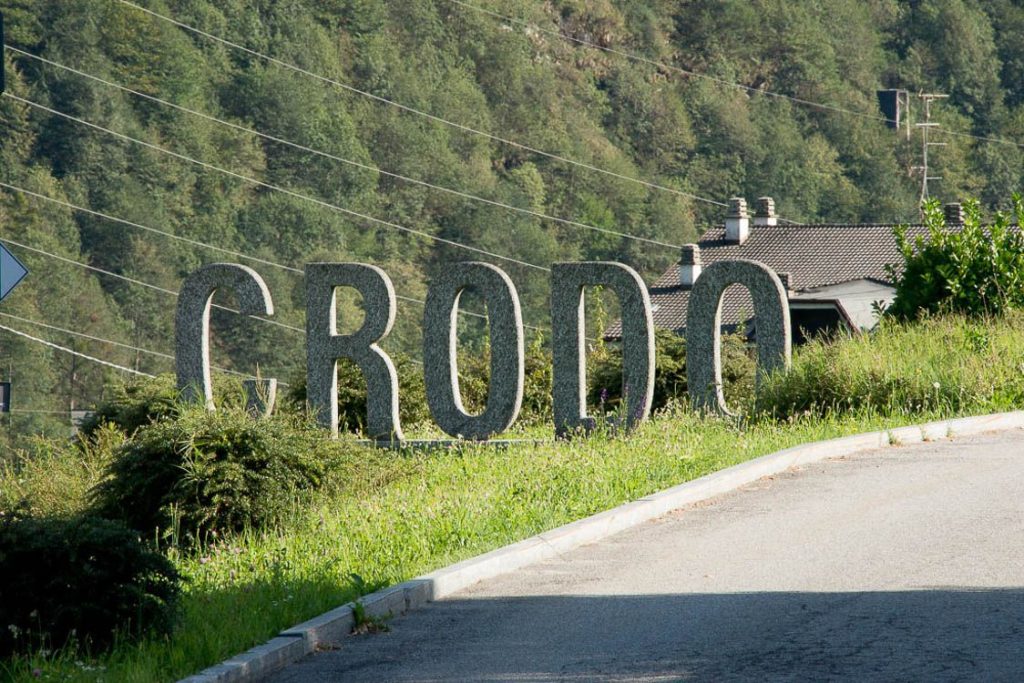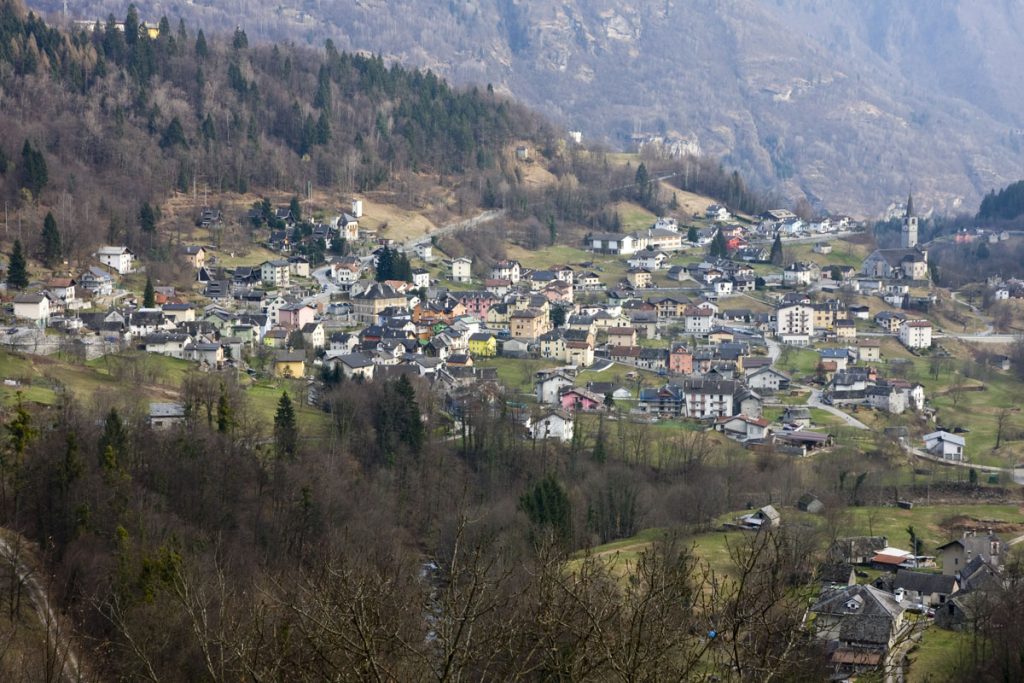
Candoglia, a hamlet of Mergozzo, is known all over the world for one specific reason: the pink marble used to build Milan Cathedral comes from here.
A bond spanning more than six centuries
It all began on 24 October 1387, when Gian Galeazzo Visconti, determined to replace brick with marble in the construction of the Cathedral, granted the Candoglia quarry to the Veneranda Fabbrica del Duomo, also allowing the marble to be transported free of charge to Milan via the waterways. The Fabbrica del Duomo, established in that very year, is an organisation still active today, which has been responsible for the maintenance, conservation and restoration of the cathedral for more than six centuries.
A journey along rivers and canals
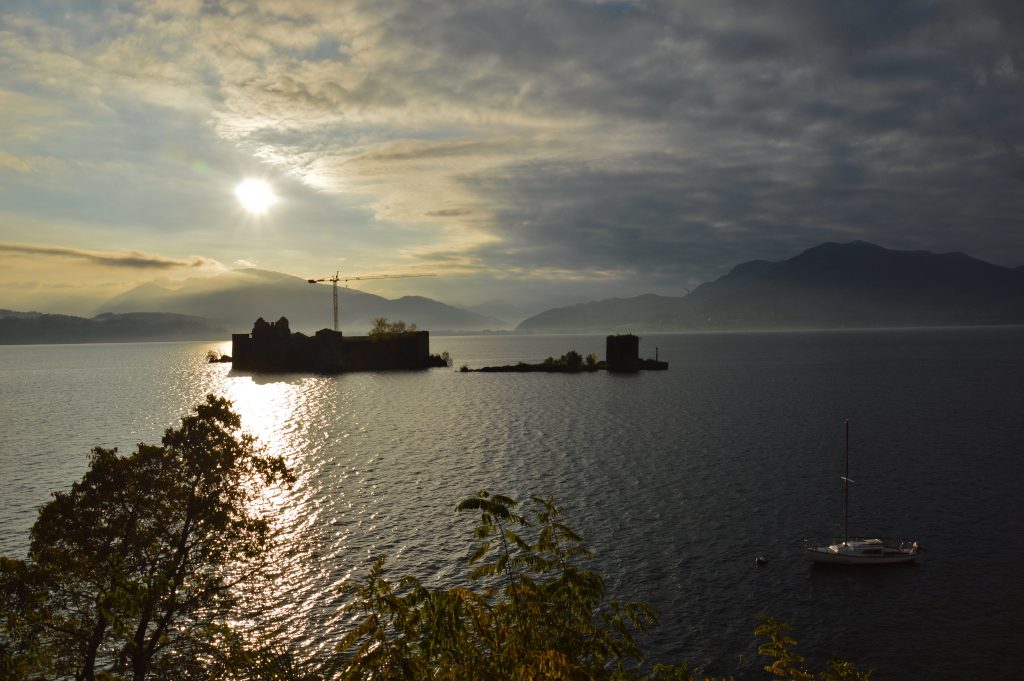
The marble quarried in Candoglia was transported along the Toce River to Lake Maggiore, then continued along the Ticino and the Naviglio Grande to the dock of Sant’Eustorgio; from there, through a system of locks, it reached a small basin a few hundred metres from the Cathedral construction site. This route bears witness to the hydraulic ingenuity of the time, as well as to the extraordinary economic and symbolic importance of this Ossola quarry.
A marble chosen for its beauty
Candoglia marble was chosen not only for its exceptional physical and chemical properties and its durability, but also for its distinctive pinkish hue, due to the widespread presence of iron oxide: the same shade that still characterises the spires and statues of Milan Cathedral today.
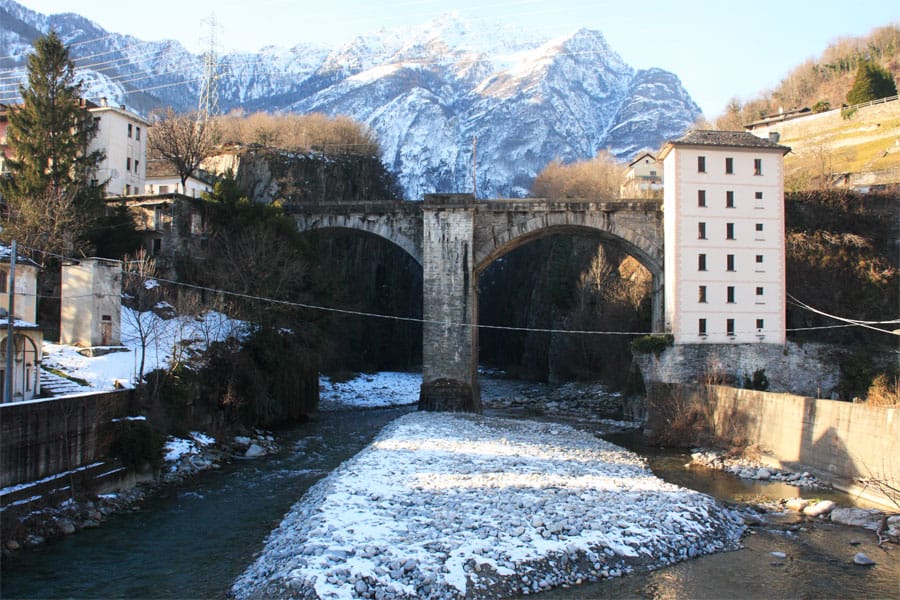
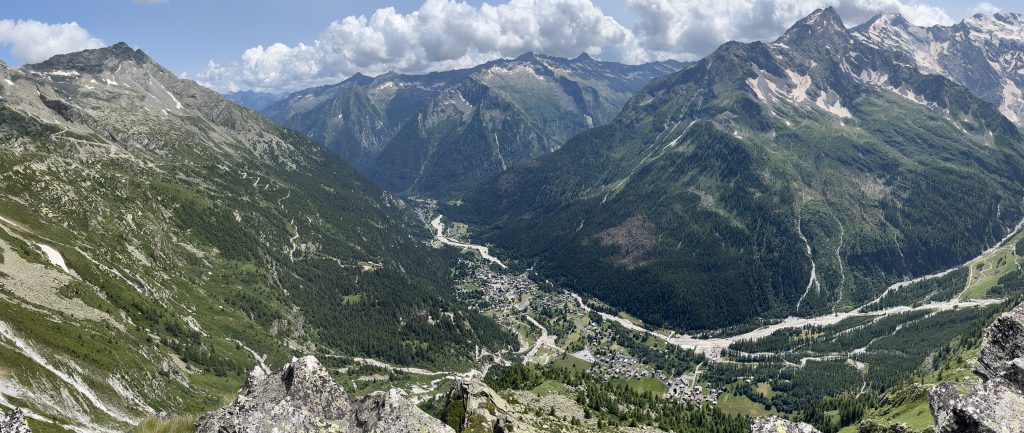
Candoglia in the Ossola Valley
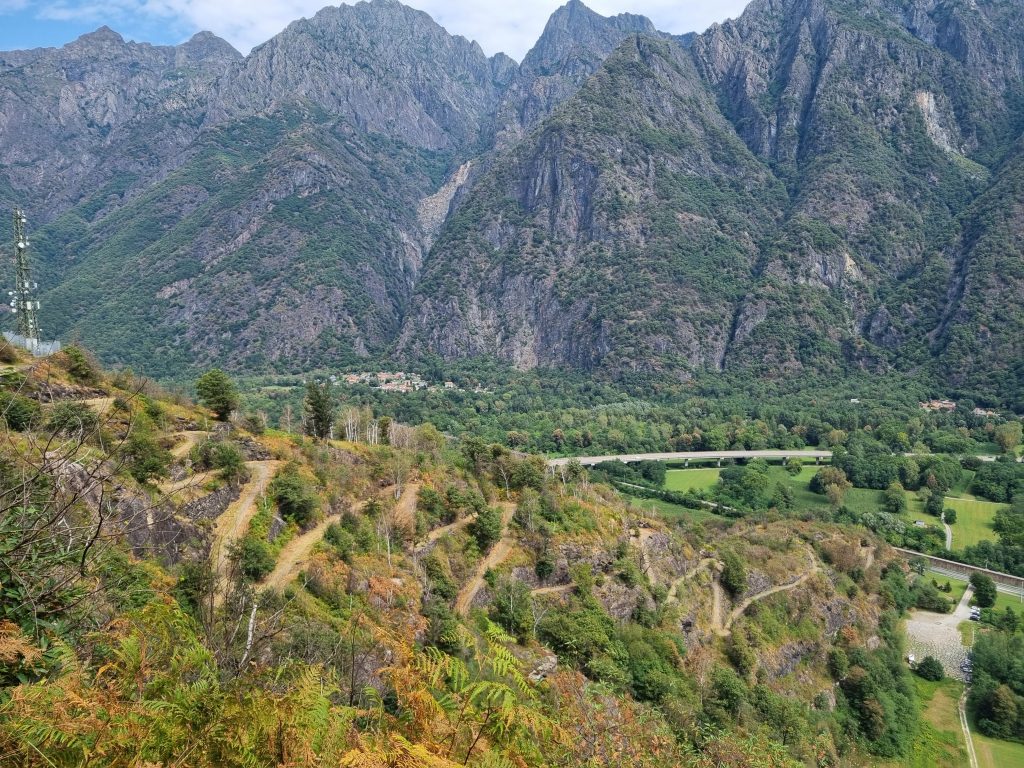
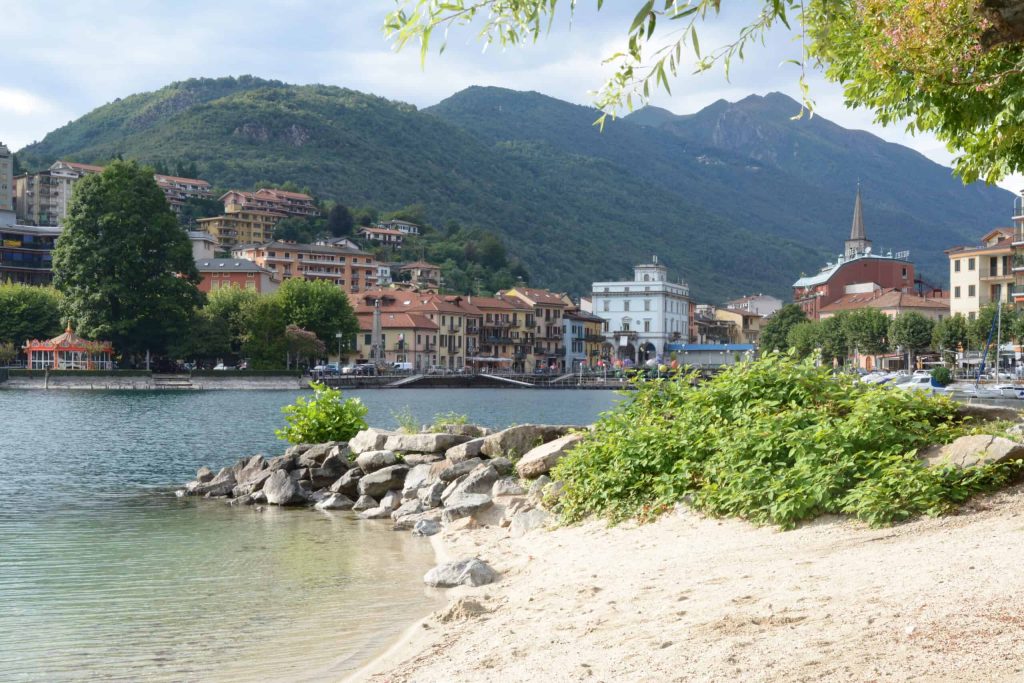
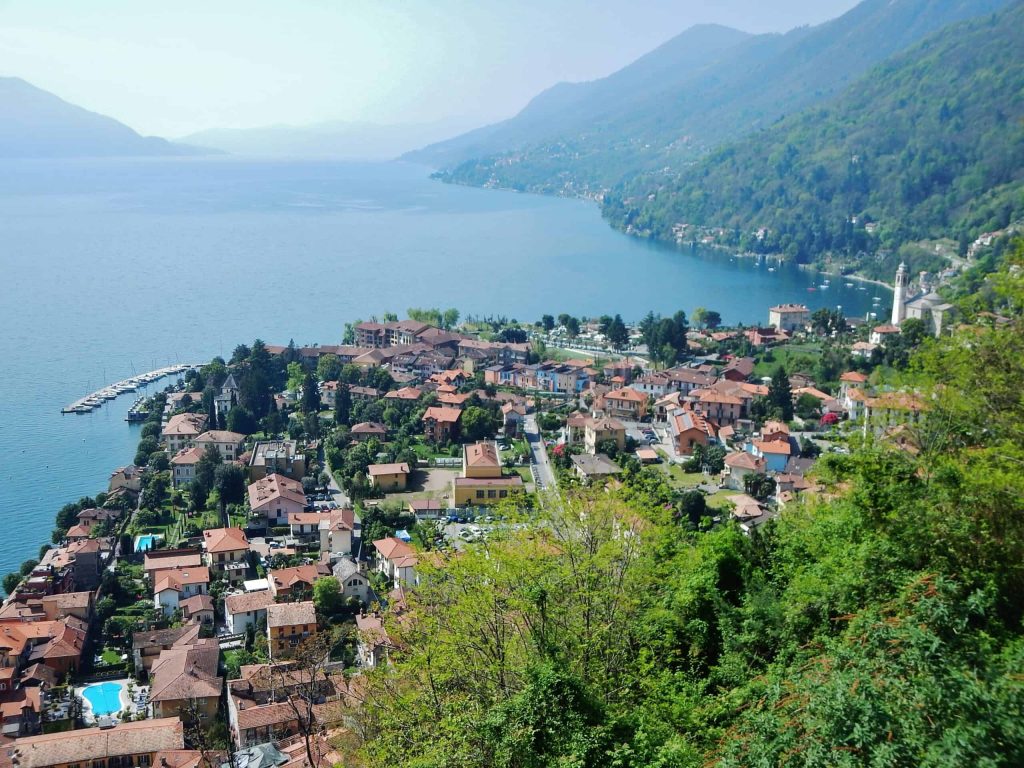
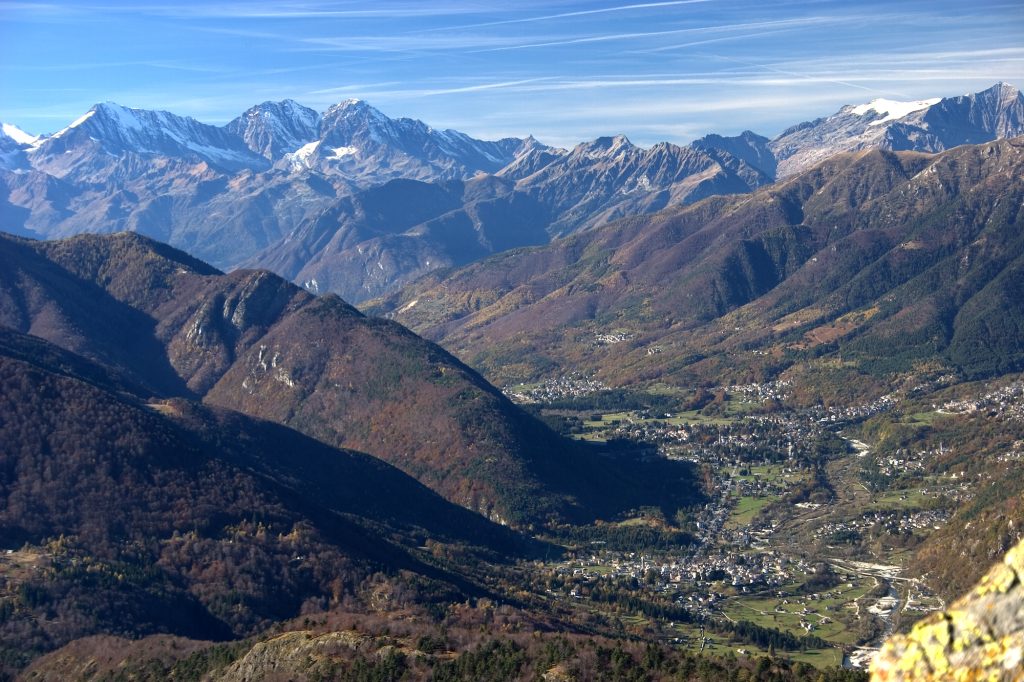
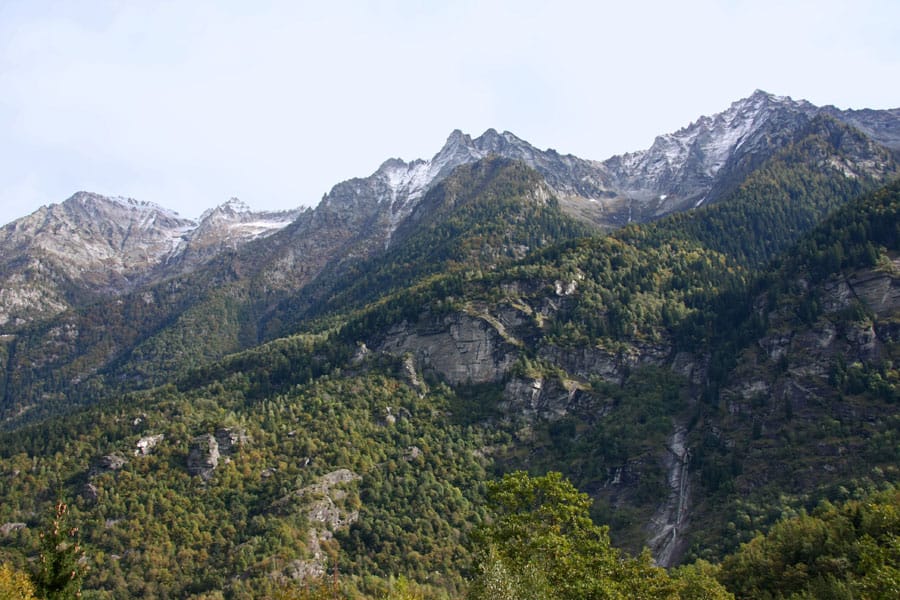
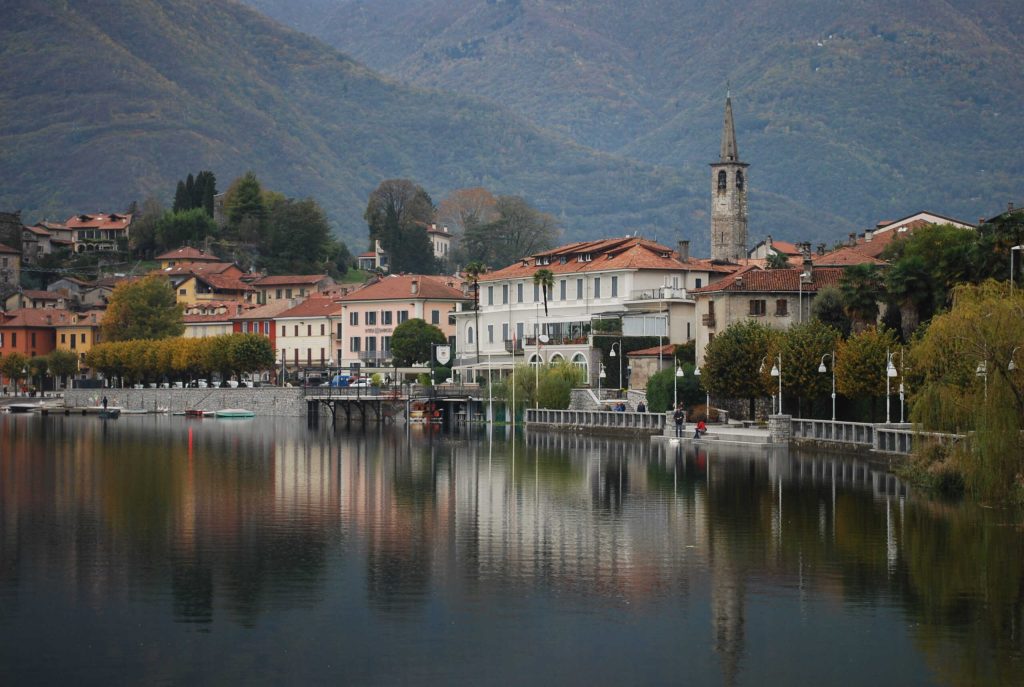
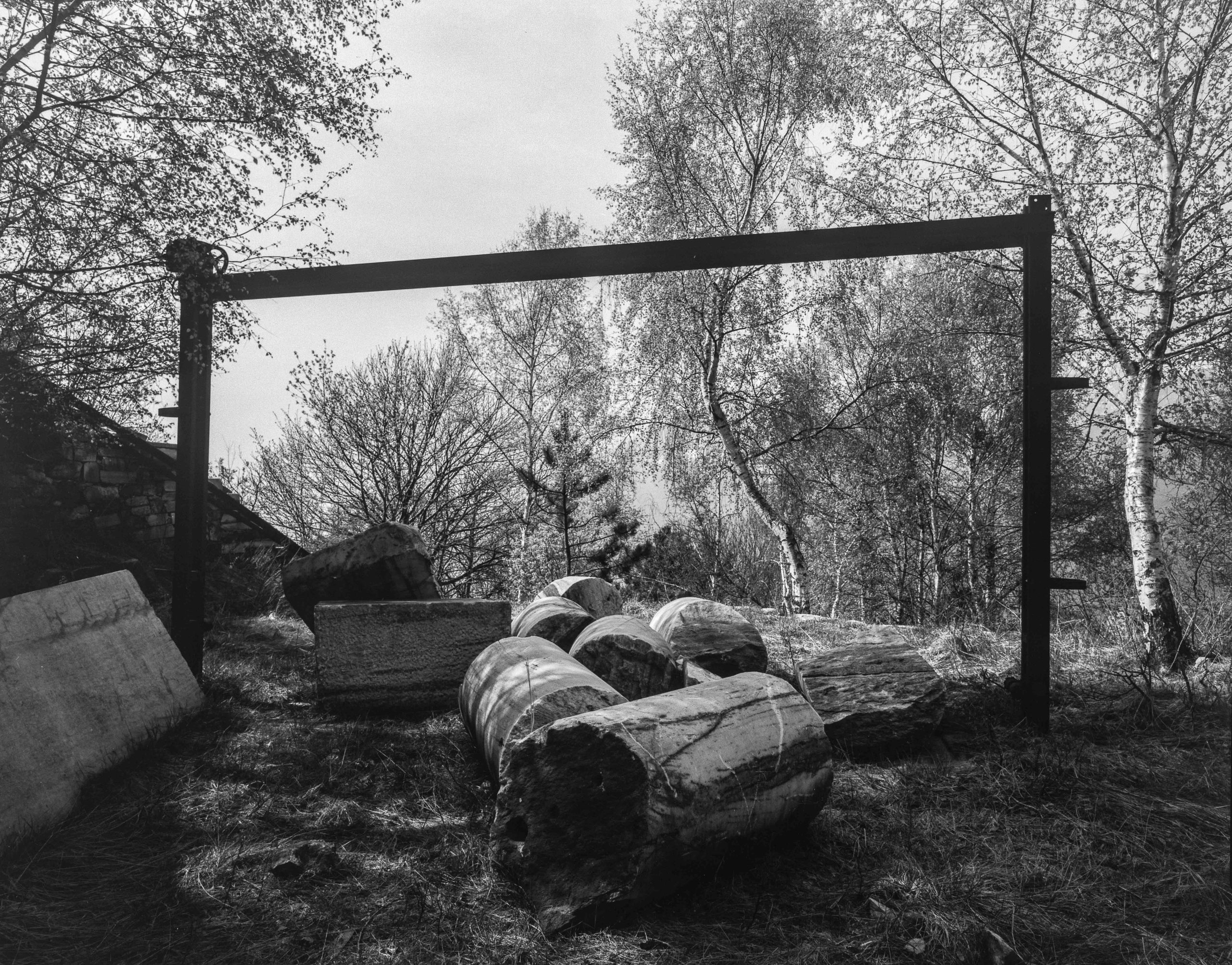
The quarry is located in the area of Mergozzo, one of the most charming villages in Ossola. To learn more about the history of the quarry, see the visitOssola page and the website of the Veneranda Fabbrica del Duomo.
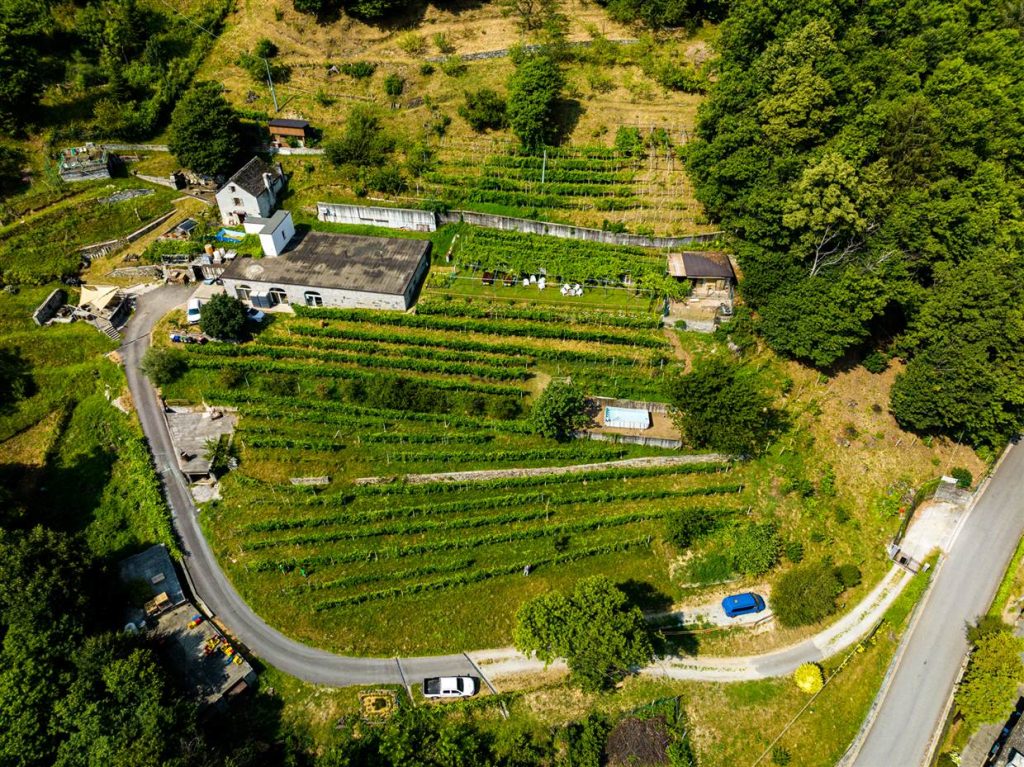
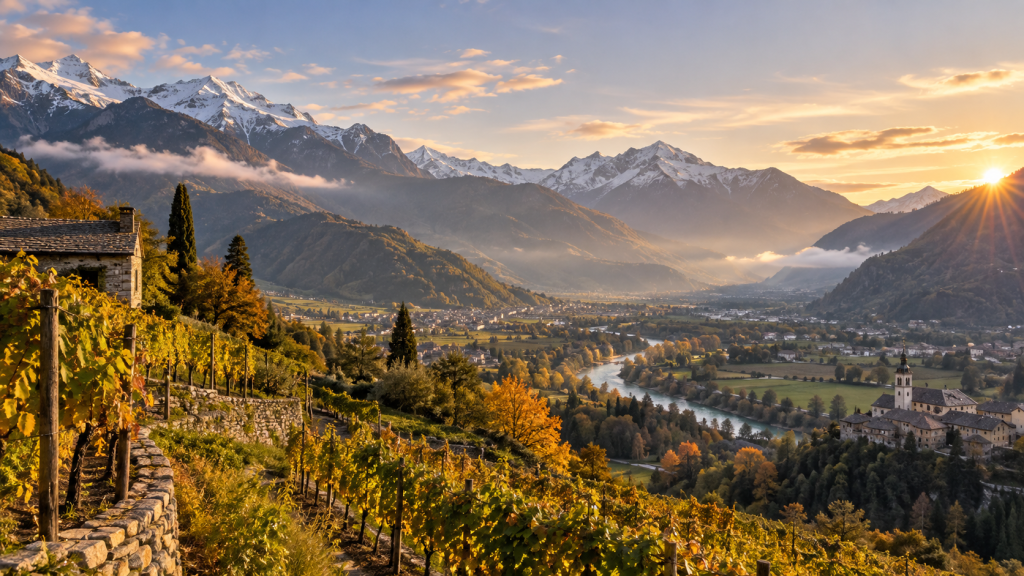
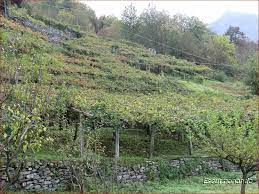
After discovering the origin of the Cathedral marble, the vineyards of the Ossola Valley are just a few minutes away: an excellent opportunity for a tasting.
A quarry still in operation
The Candoglia quarry is still in operation today, managed directly by the Veneranda Fabbrica del Duomo, which retains its exclusive use exactly as stipulated in the 1387 agreement: a continuity of production that is almost unparalleled among Europe’s historic quarries, ensuring that Milan Cathedral receives the exact same material used since the cathedral’s earliest days for every maintenance or restoration project.
A symbol of continuity
The unbroken bond between the Candoglia quarry and the Veneranda Fabbrica del Duomo, which has lasted for more than six hundred years, represents an almost unparalleled case of production continuity in Europe: very few other extraction sites can boast such a long-lasting and well-documented relationship with a single client.
A heritage spanning the centuries
Visiting Candoglia means, in a sense, also visiting Milan Cathedral indirectly, recognising in this small Ossola quarry the origin of one of Italy’s most famous and visited monuments: a connection that makes this seemingly marginal place central to the history of Italian art and architecture.
One final note: few tourists admiring Milan Cathedral know that the stone beneath their feet still comes today, after more than six centuries, from the same small Ossola quarry.
A bond of six centuries, still as strong as marble itself.
One marble, one Cathedral, a bond spanning the centuries.
A marble that continues to write history, quarry after quarry.
One final note on Candoglia: few building materials in the world can boast a documented and unbroken history as long as that of this Ossola marble.
One quarry, one Cathedral, a bond lasting six hundred years.
One marble, one Cathedral, a bond that has lasted for centuries.
Candoglia therefore remains a place of unique symbolic value, ideally connecting Milan and the Alps through a thread that has endured for centuries, and is a place of definite interest for those exploring Lower Ossola.