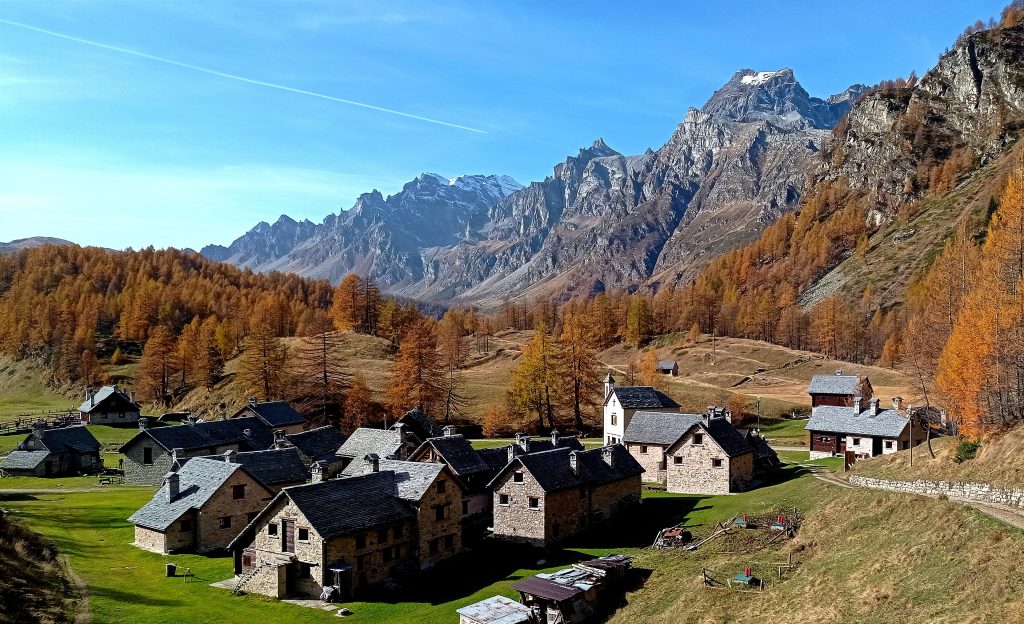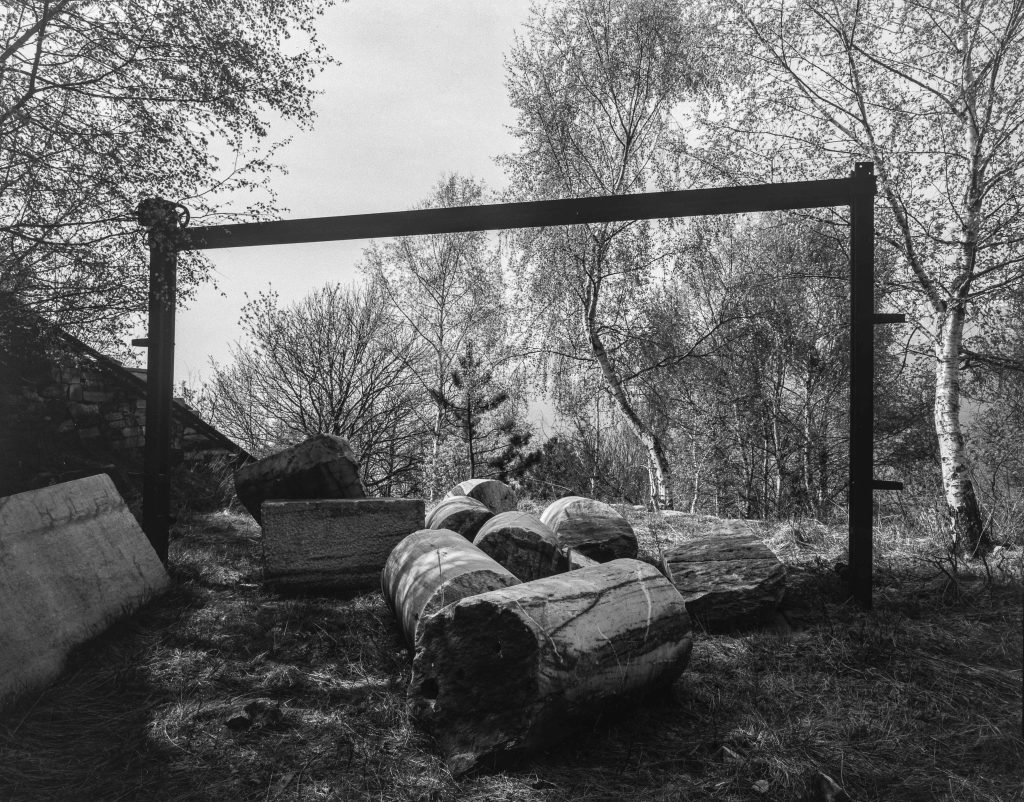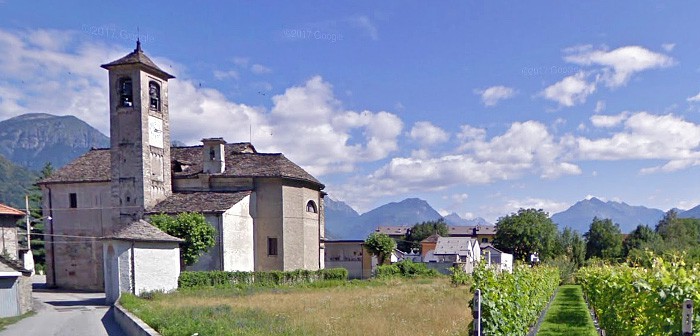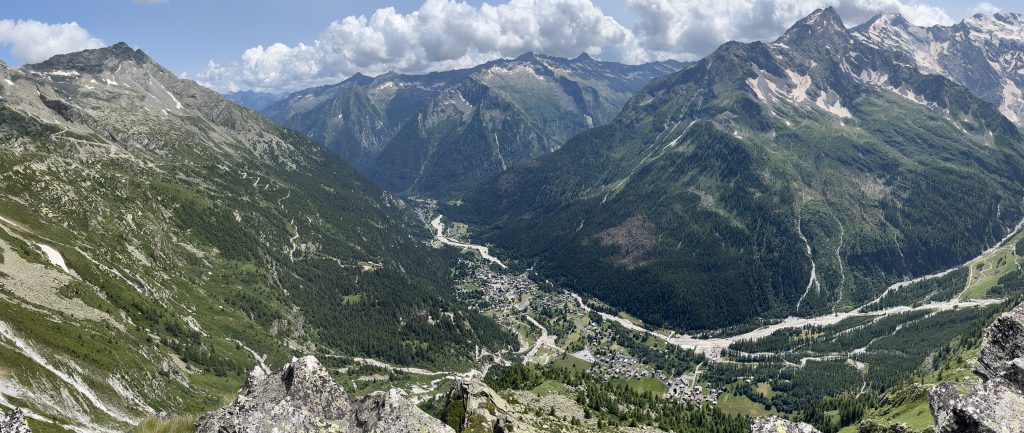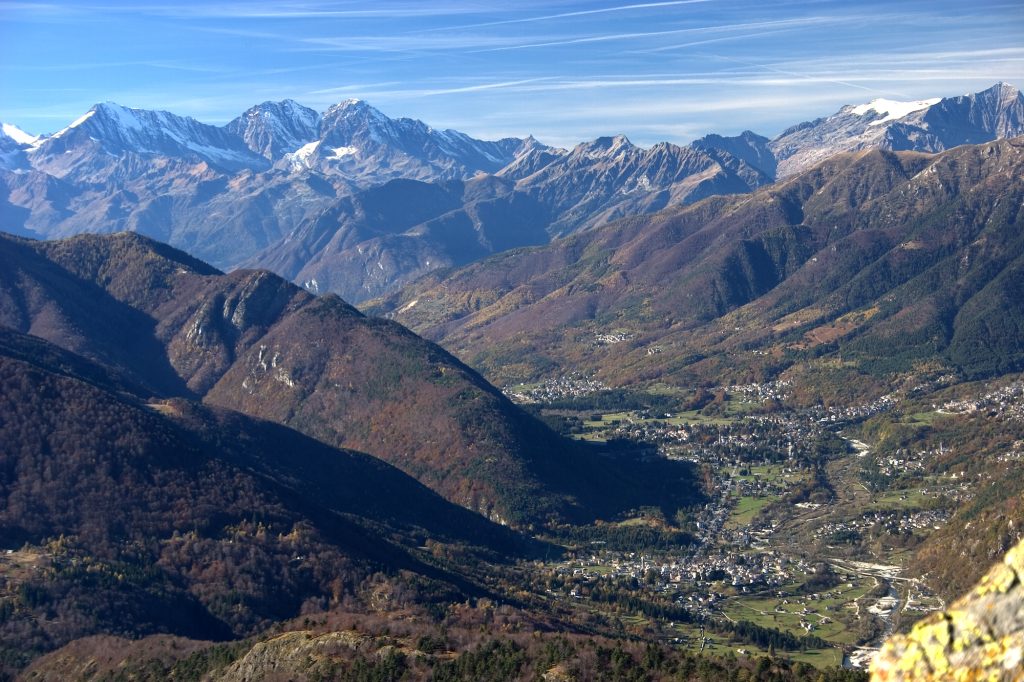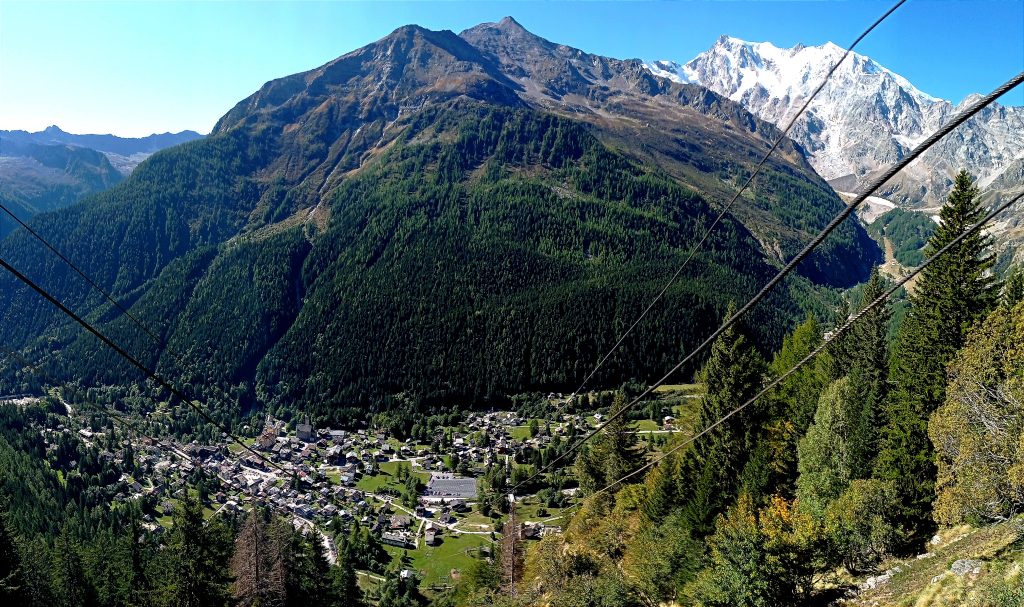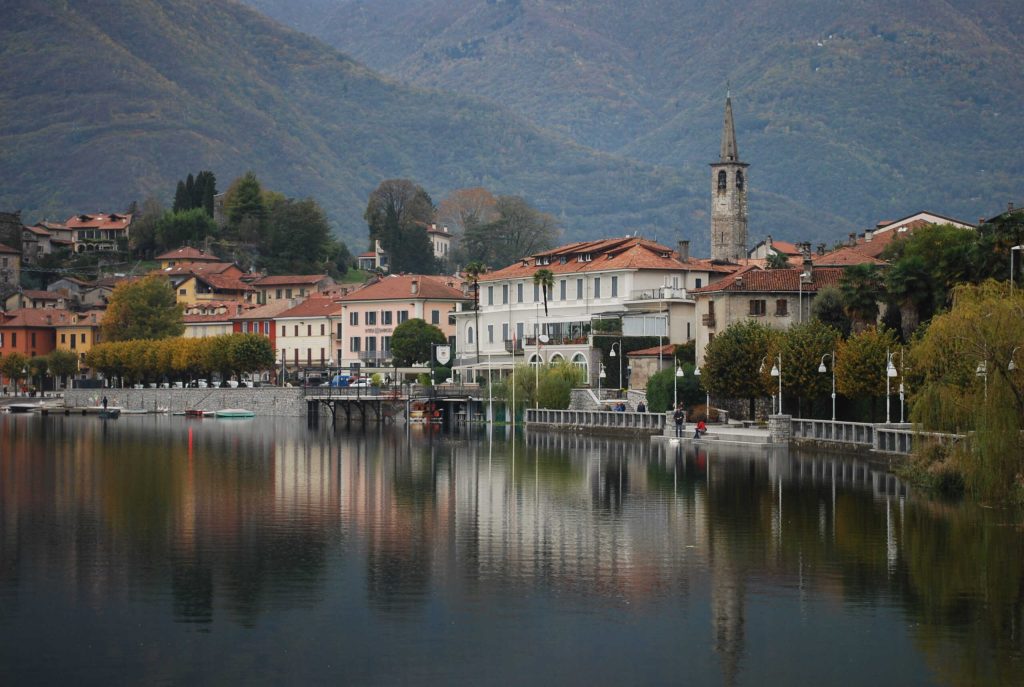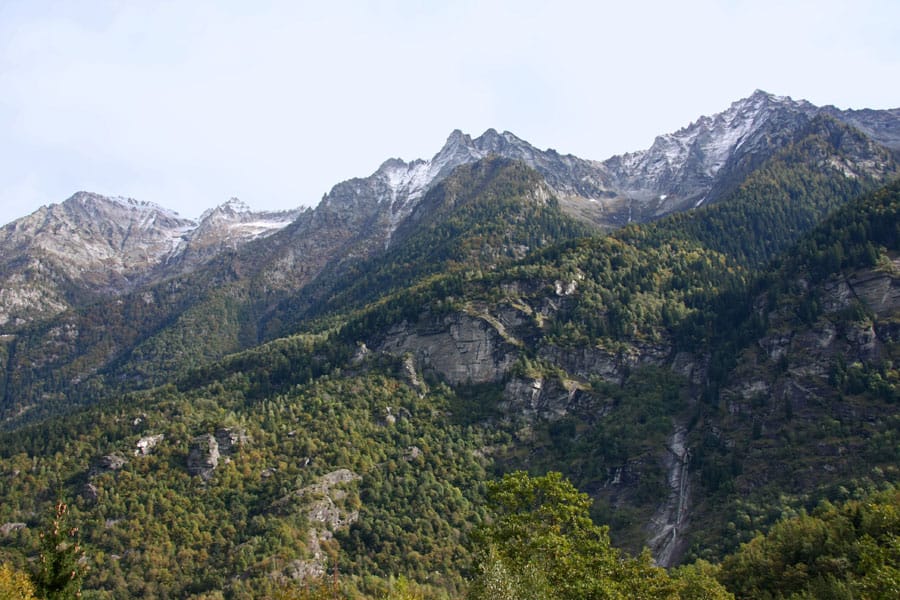
Pieve Vergonte is home, in the side valley of Val Toppa, to one of the most curious landmarks in the Val d’Ossola: an ancient gold mine that can still be visited today.
The discovery of gold among the rocks
The history of the mine began unexpectedly: between 1250 and 1251, an exceptional flood destroyed the settlement of Vergonte, and it was this very event that led to the discovery of gold among the rocks of the valley. The earliest evidence of excavated tunnels dates back to the 16th century, but industrial exploitation of the site began in the second half of the 19th century, first by the English company “The Pestarena Gold Mining Co. Ltd” (1860-1894), then by the “Fratelli Ceretti” company of Villadossola and finally by the French company “Miniere di Cropino”. Operations ceased permanently in 1947.
A mine open to the public
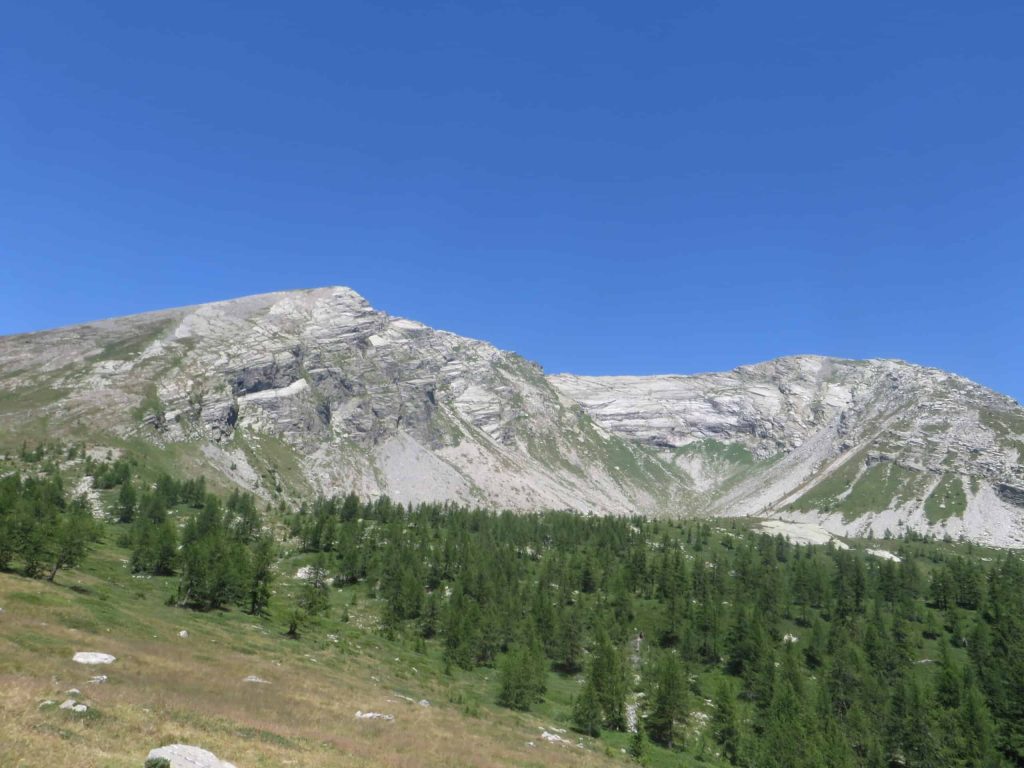
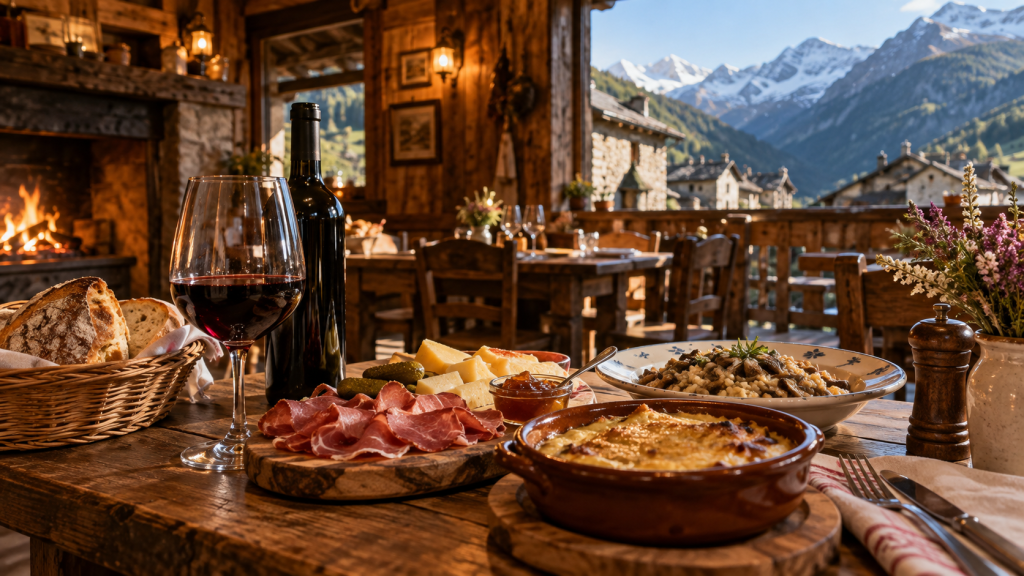
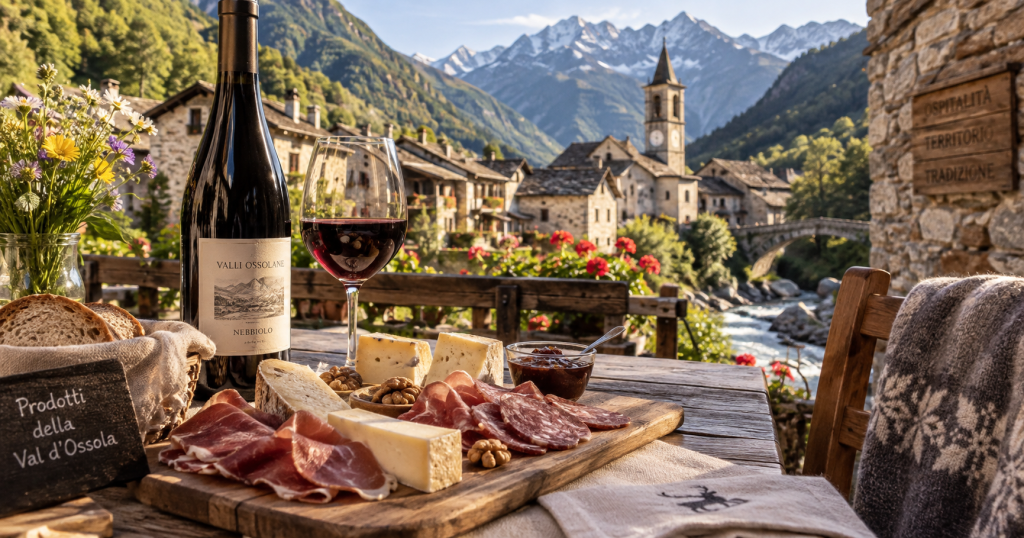
The Val Toppa mine is one of three gold mines open to visitors in Italy, located above Pieve Vergonte along the steep slopes of Punta l’Ottone and Cima Strighet. The system extends across several levels for a total of around 15 km of tunnels, 500 metres of which can be explored by visitors. Outside, there is a large mountain hut where you can try your hand at gold panning with a batea, the traditional prospector’s pan, and, by booking in advance, enjoy polenta, gorgonzola and local cured meats.
Pieve Vergonte, between the valley floor and Val Toppa
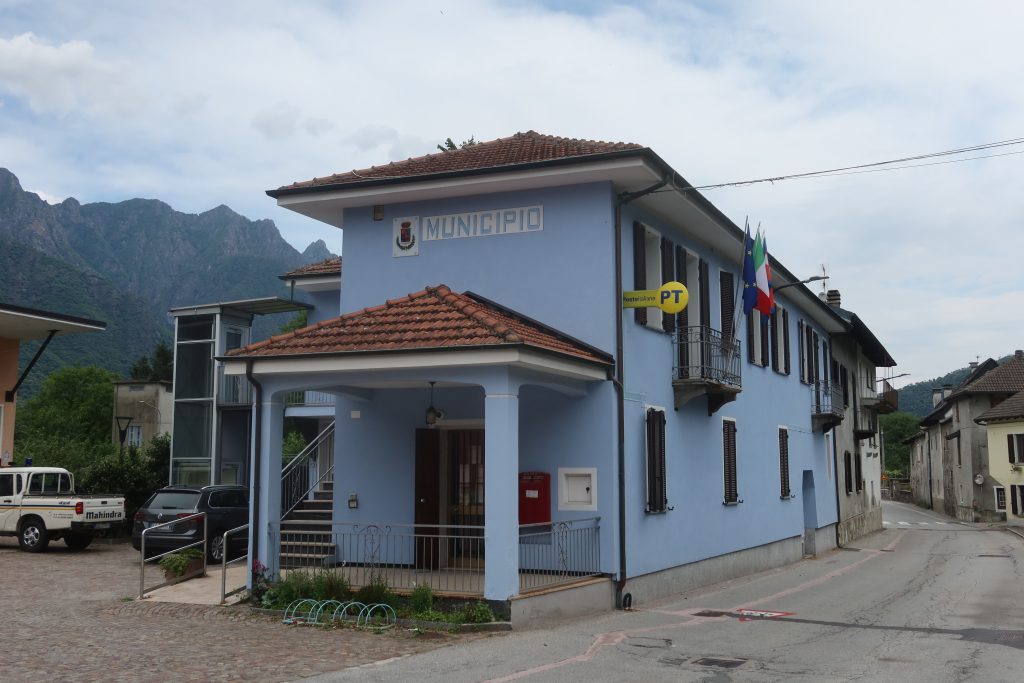
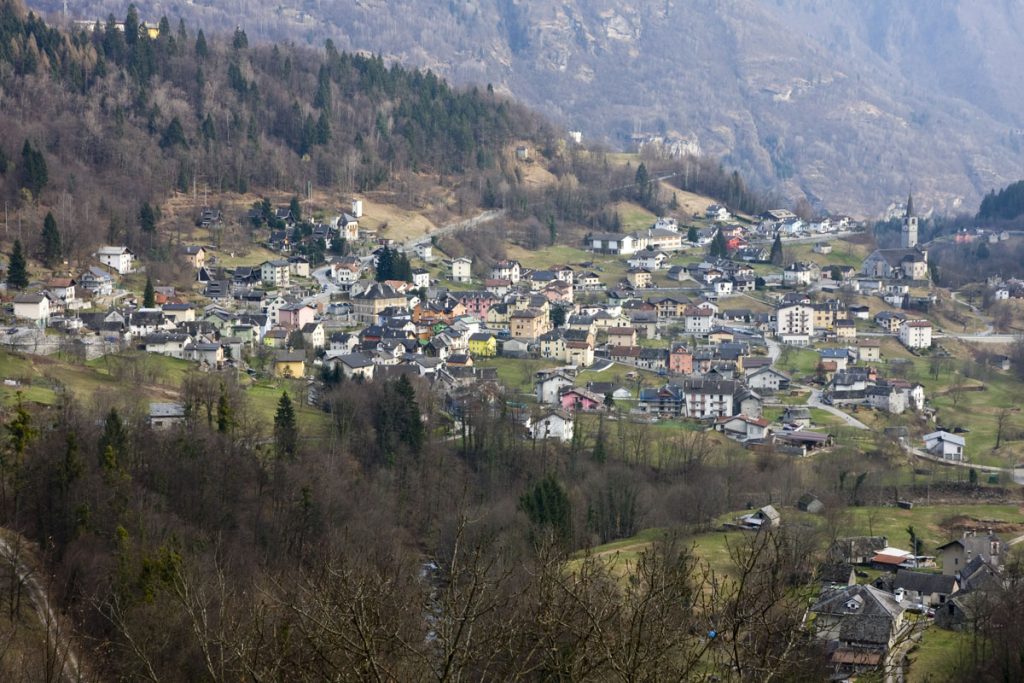
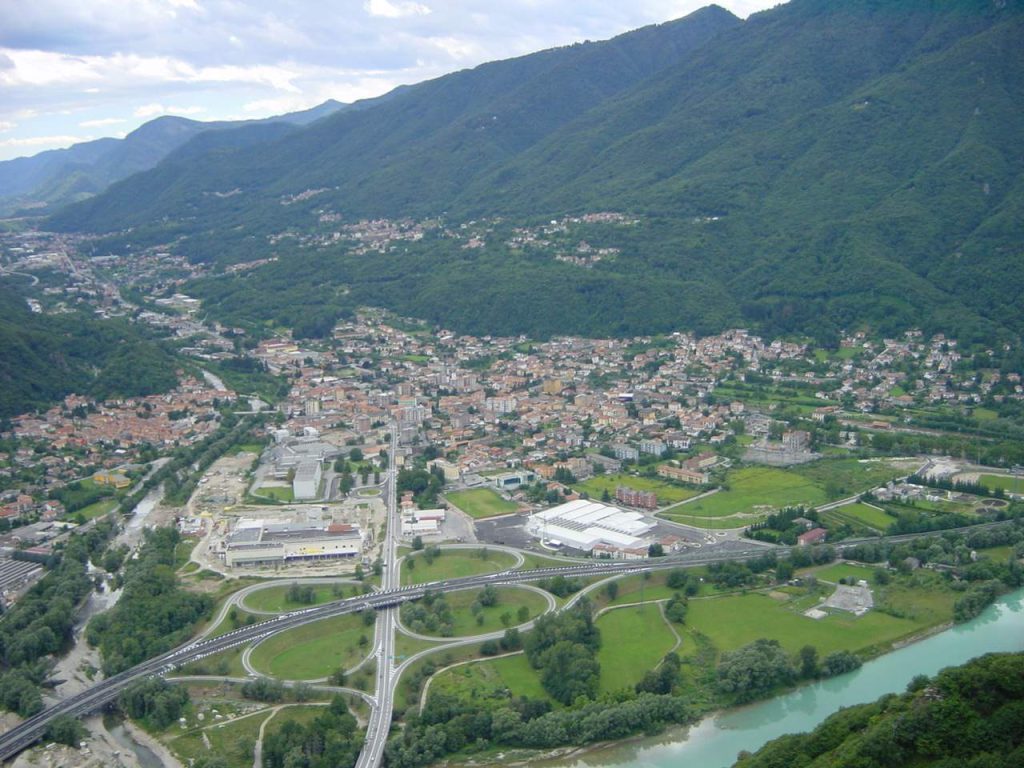
The municipality lies along the Ossola valley floor, not far from Anzola d’Ossola, and is the starting point for those wishing to head up Val Toppa to discover this piece of mining history. To organise a visit, the point of reference is the Val Toppa Ecomuseum.
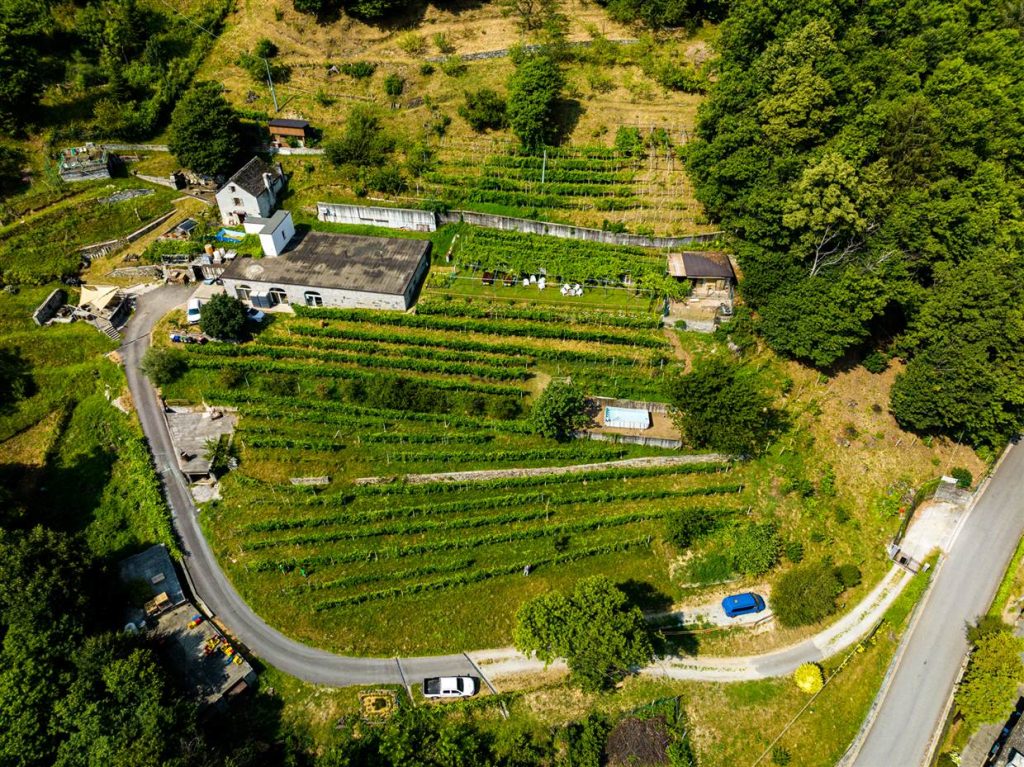
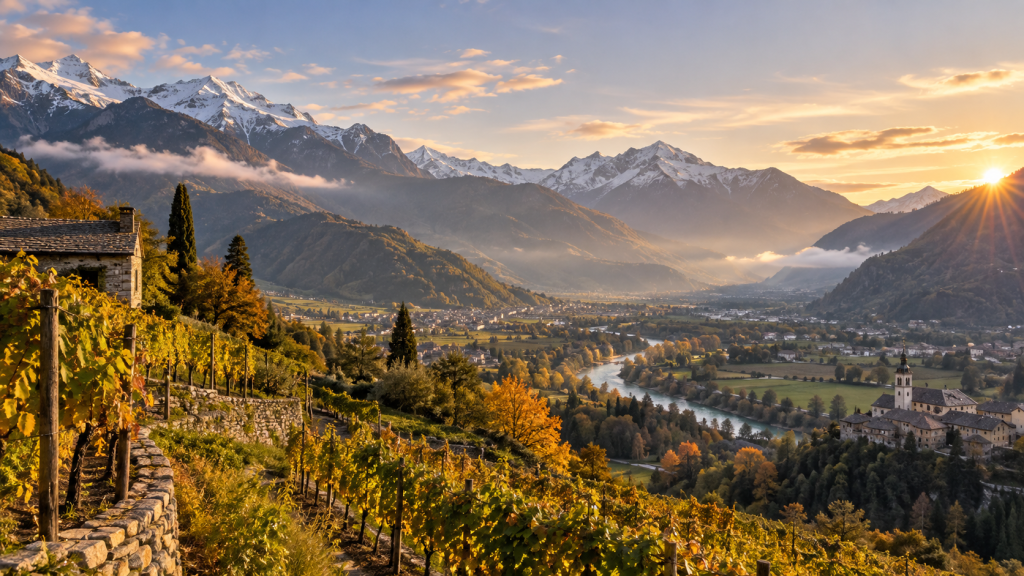
After gold panning, the vineyards of the Val d’Ossola offer another form of local “treasure”: a tasting is the best way to discover it.
An experience between mining history and nature
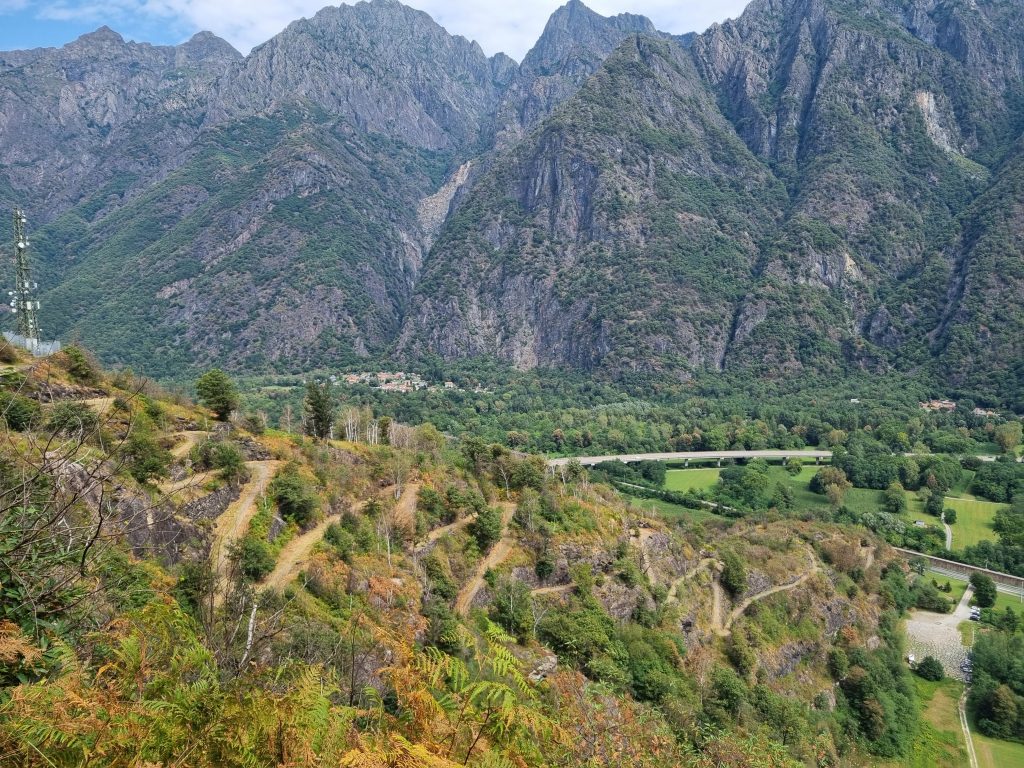
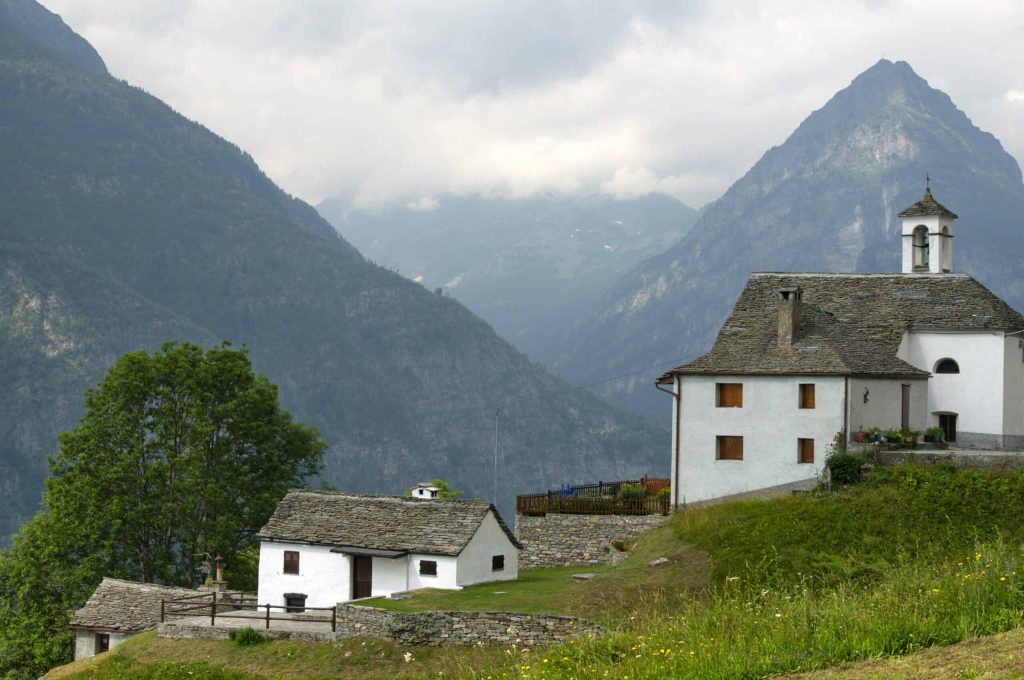
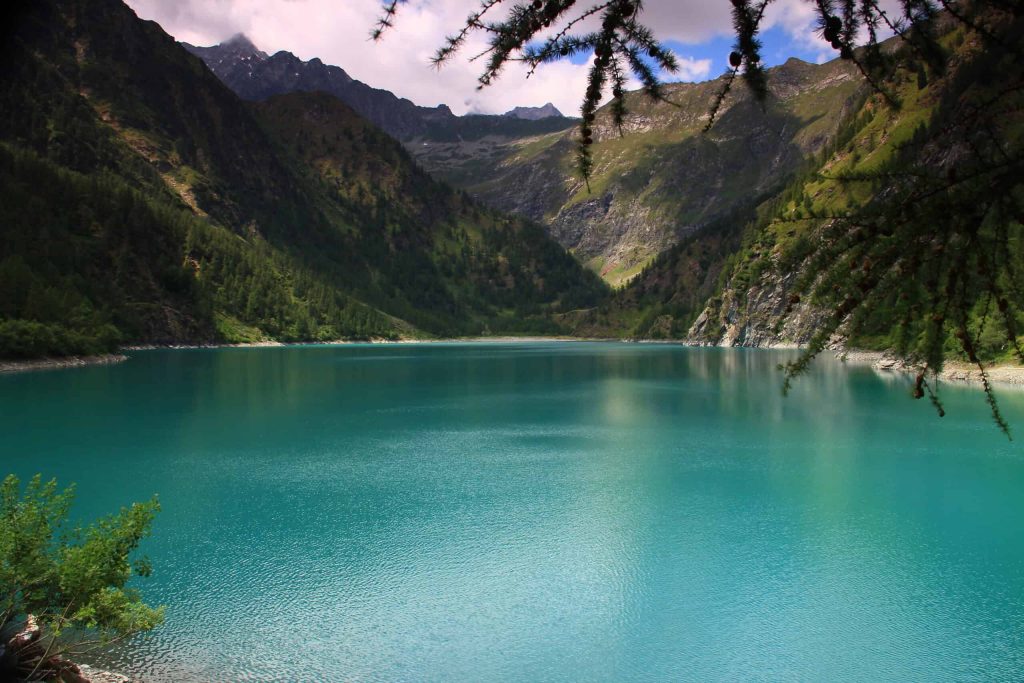
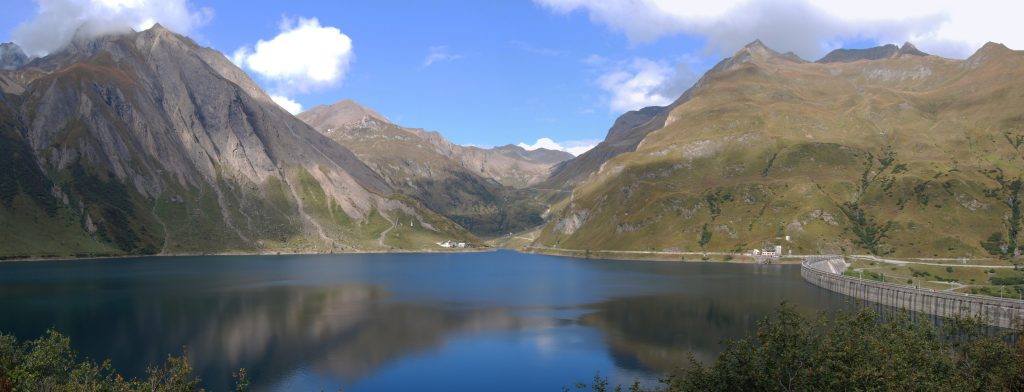
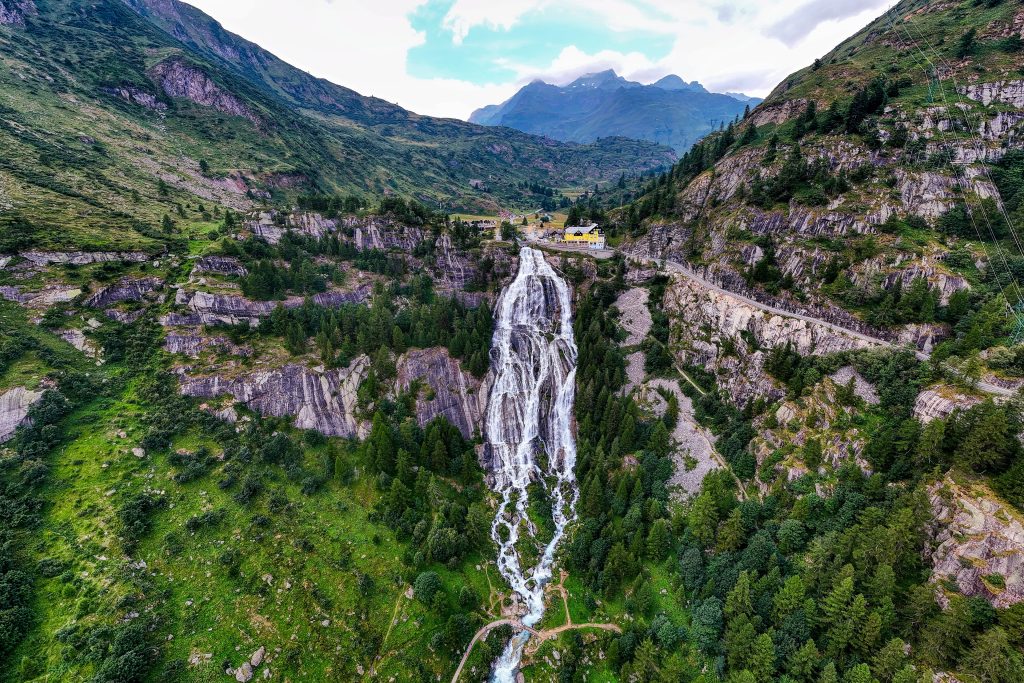
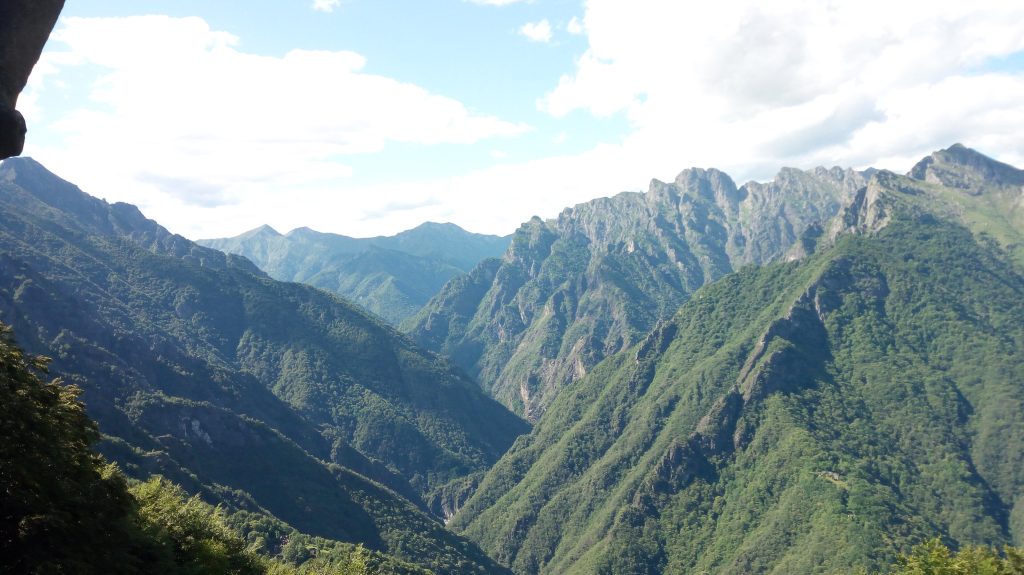
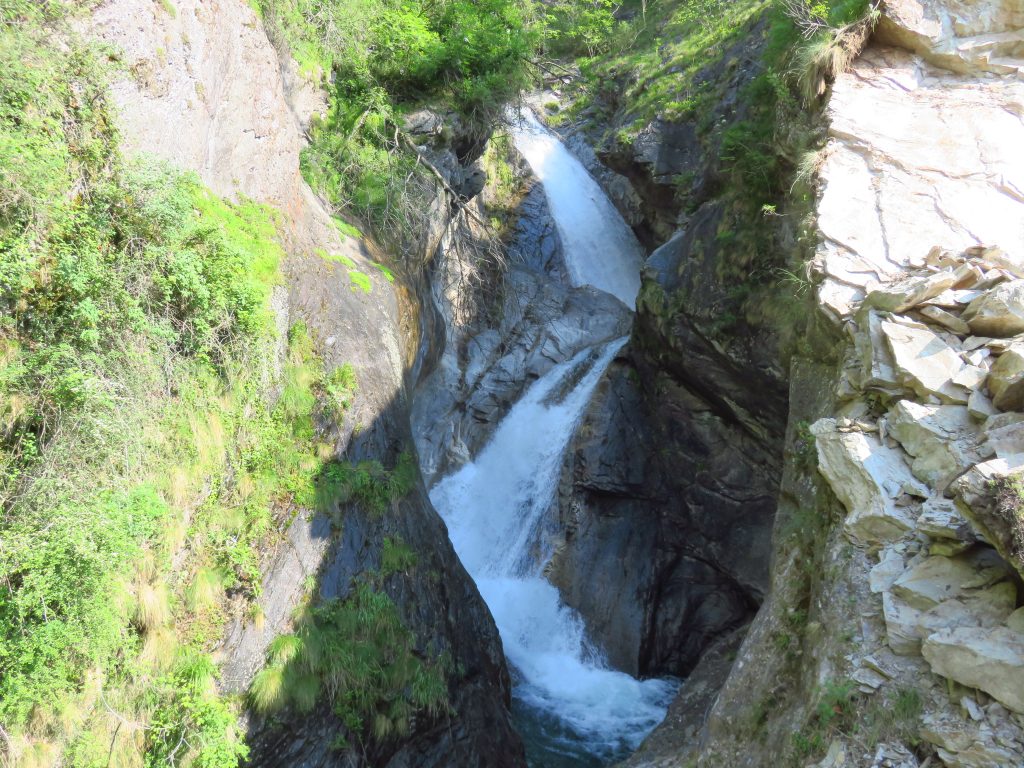
Visiting the Val Toppa gold mine also means passing through a natural environment of great value, amid woods and steep slopes that concealed this remarkable resource for centuries: an experience combining historical curiosity with immersion in the most authentic nature of the Ossola.
An ecomuseum to keep the memory alive
The Val Toppa Ecomuseum was established precisely with the aim of preserving the memory of this mining activity, collecting accounts, tools and documents from the miners who, for generations, worked in difficult conditions in tunnels carved into the rock, in an area that has now fully shifted towards nature and hiking tourism.
A model of mining tourism
The Val Toppa gold mine experience is a successful example of the tourism conversion of a disused industrial site, capable of attracting visitors interested both in mining history and in the adventure of gold panning with a batea: a model demonstrating how a region’s industrial past can become a resource for the future.
One final curiosity: gold panning with a batea, although today it is mainly a recreational activity, requires more patience and technique than one might imagine, a detail visitors often discover with surprise.
A hidden treasure among the mountains, literally and not only.
A hidden treasure, literally, among the mountains of the Ossola.
One final reflection on the Val Toppa mine: its history shows how the search for gold profoundly shaped, even in the Val d’Ossola, the economy and daily life of entire generations.
A hidden treasure among the mountains, literally.
A treasure of gold, hidden among the mountains.
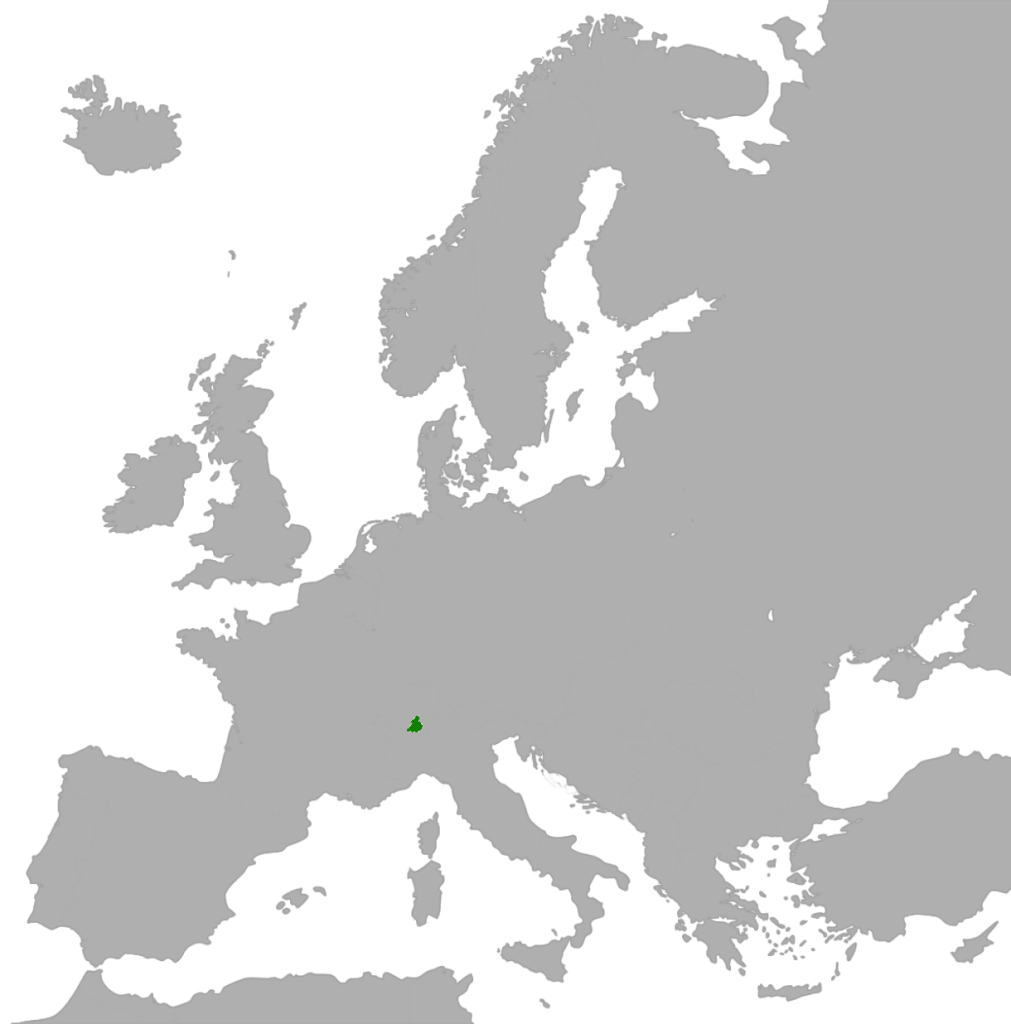
Pieve Vergonte, historically linked to the gold mines of Val Toppa, represents a distinctive chapter in Piedmont’s mining history: an extractive activity that, for a time, was an important economic resource for the entire valley, before its gradual abandonment during the 20th century.
Even today, some tunnels and remains of the old mining structures can be seen in the surrounding area, a silent testament to an era when the valley’s economy also relied on what lay beneath the ground, not only on vineyards and pastures.