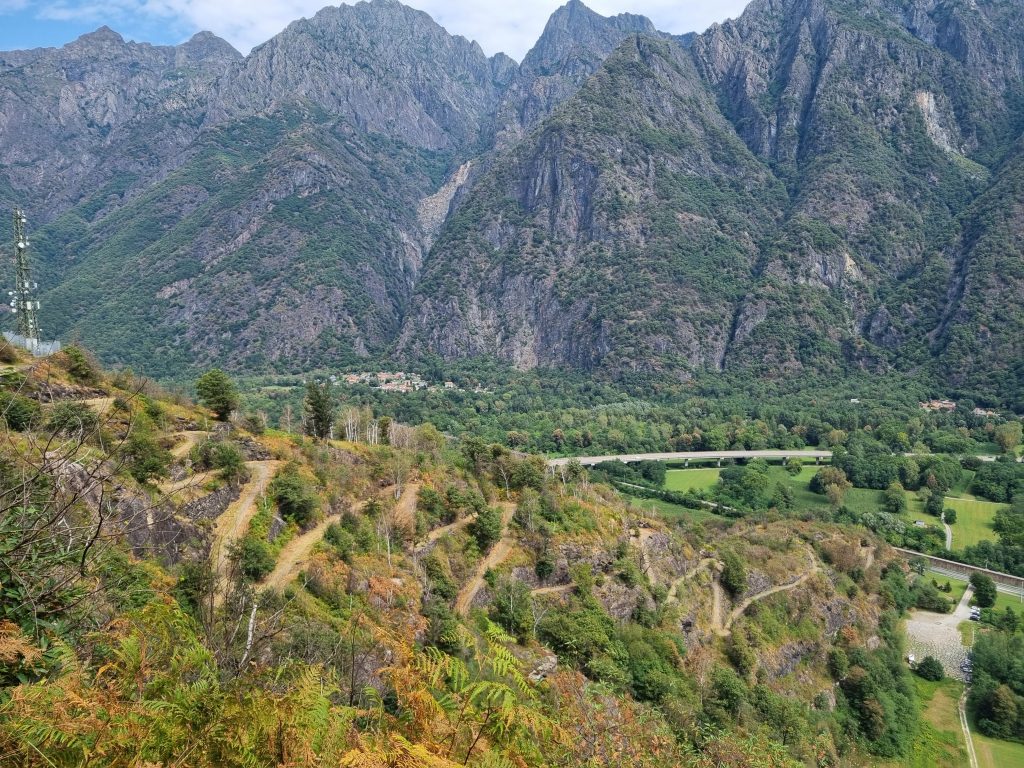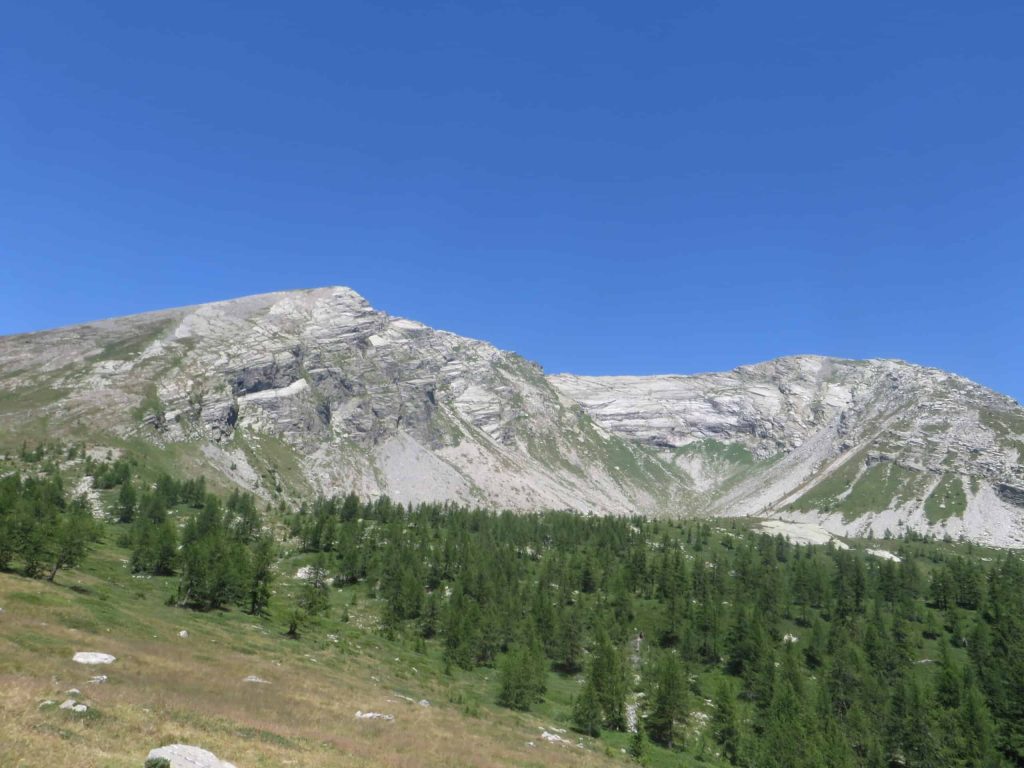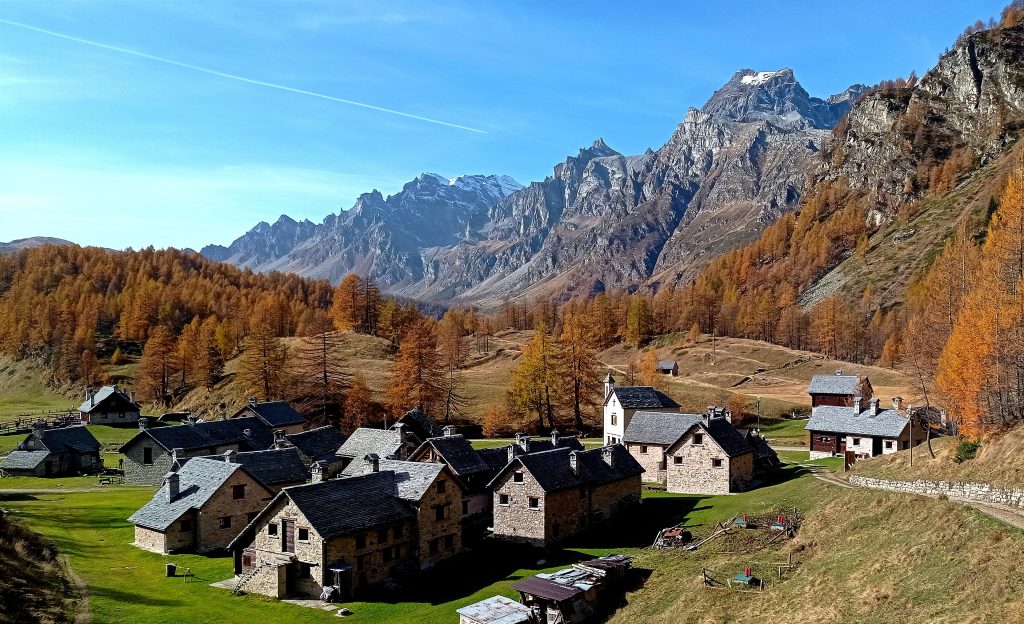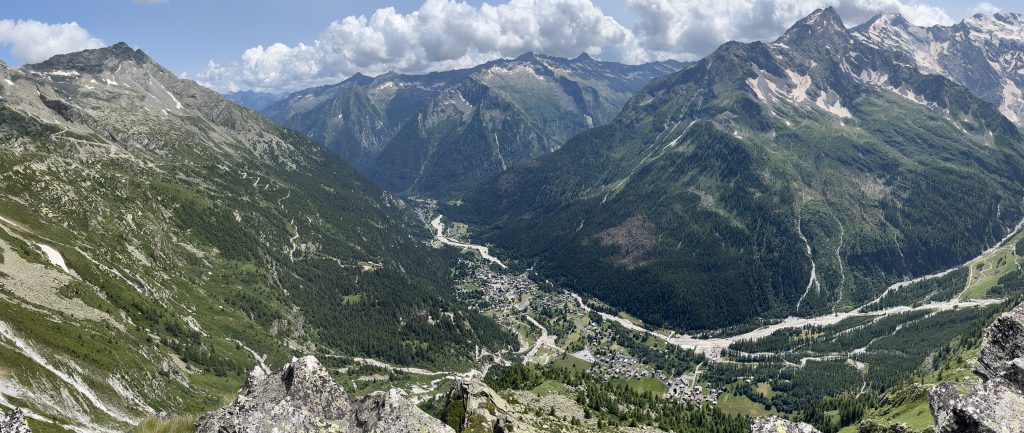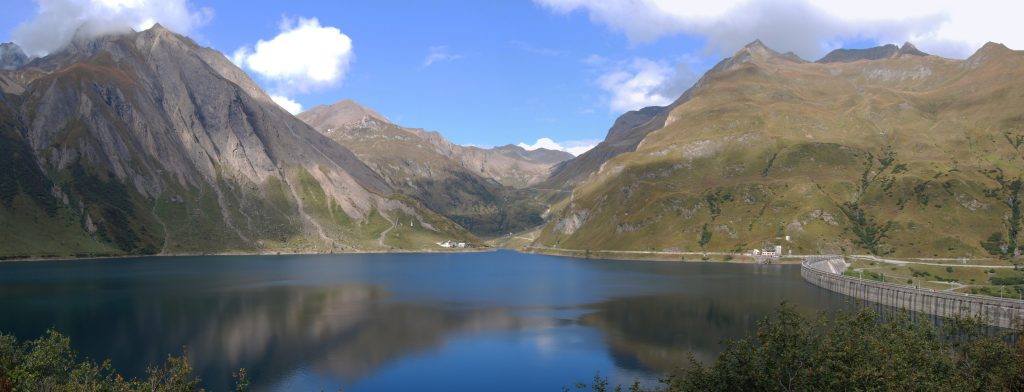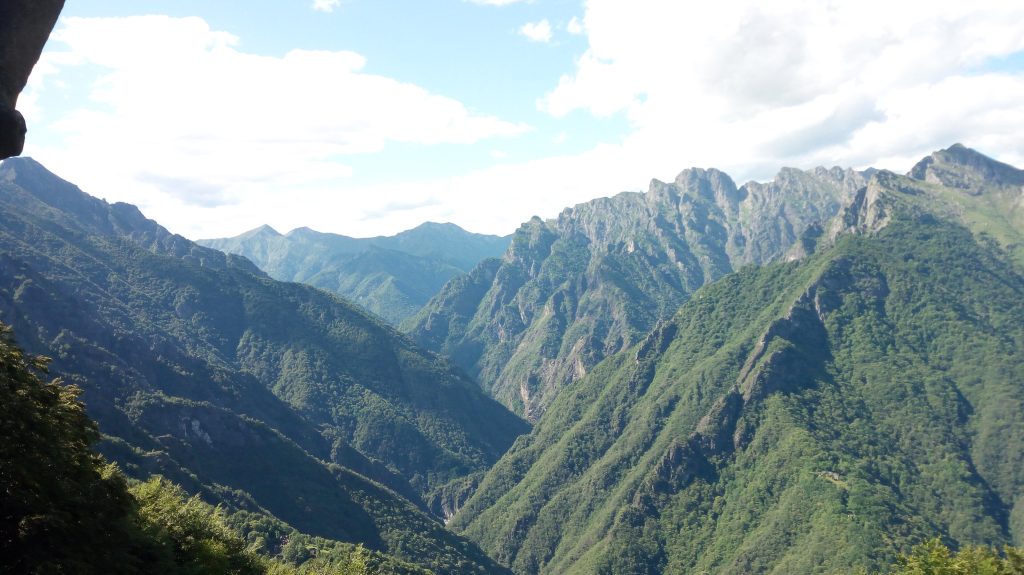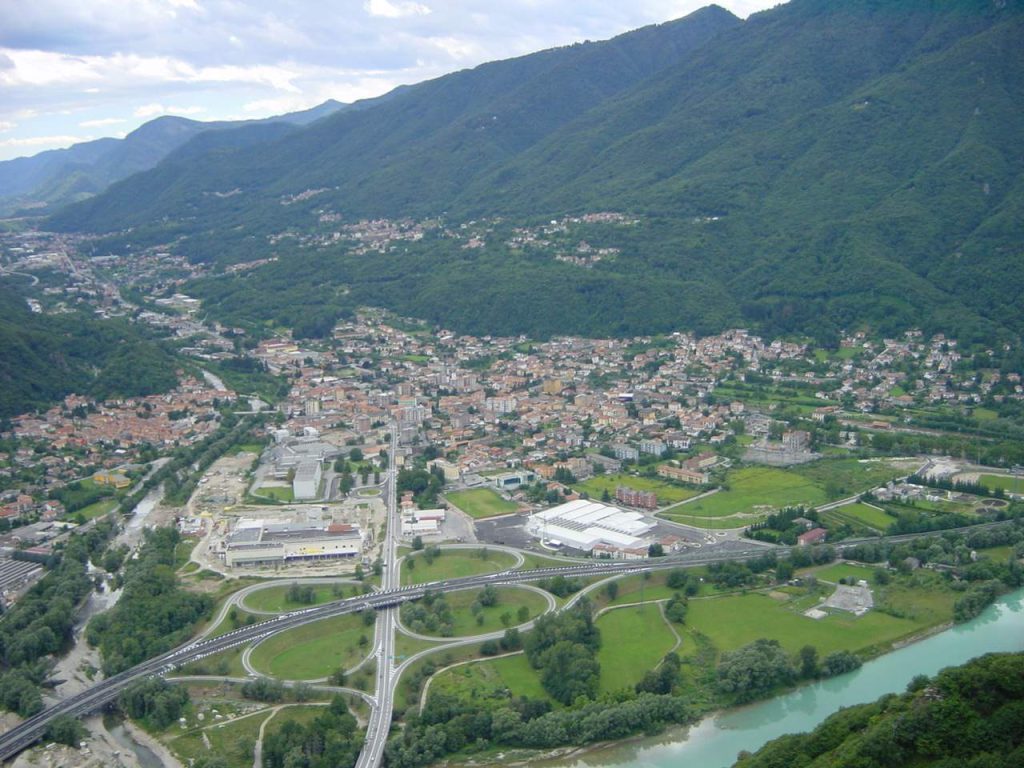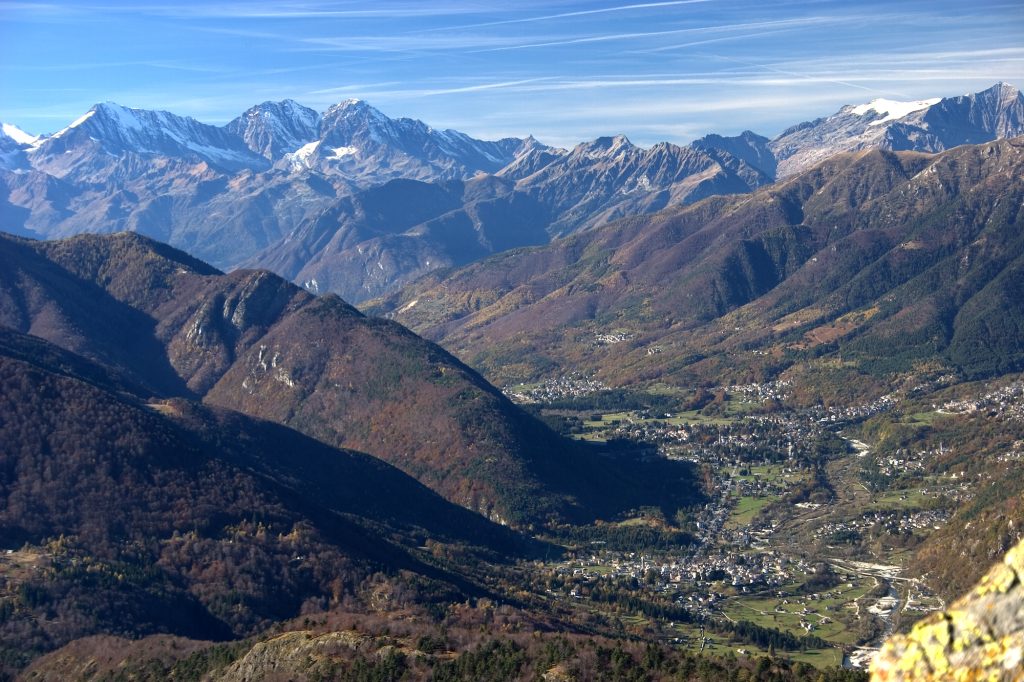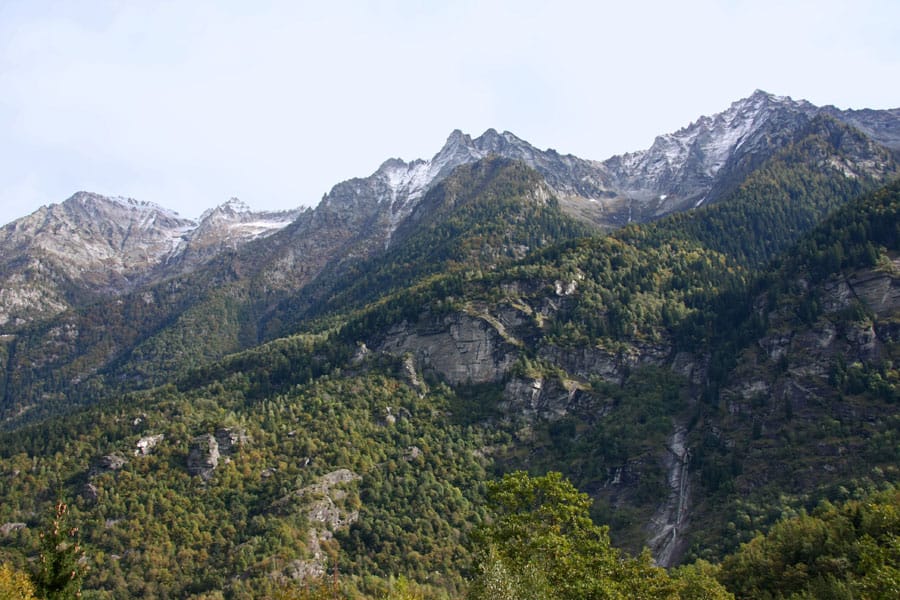
The Divedro Valley has always been a strategic corridor between Italy and Switzerland, crossed by the historic Simplon route and dominated by the mountains of Alpe Veglia.
Inhabited since the Bronze Age
The Divedro Valley area was inhabited as early as between 2000 and 1500 BC, and in the following centuries it saw the succession of different peoples, including Ligurians, Celts and Lepontii. Located along the Simplon route, the valley was for centuries an important stopping and resting point for the many travellers and merchants crossing the pass.
Varzo and its fifty-three hamlets
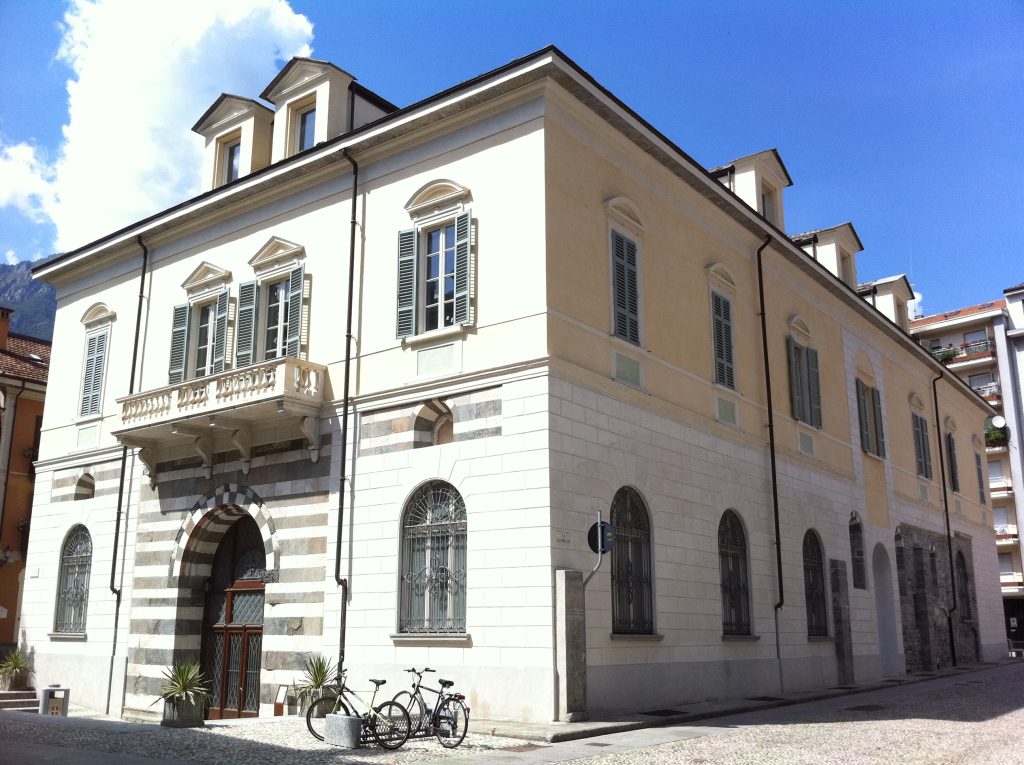
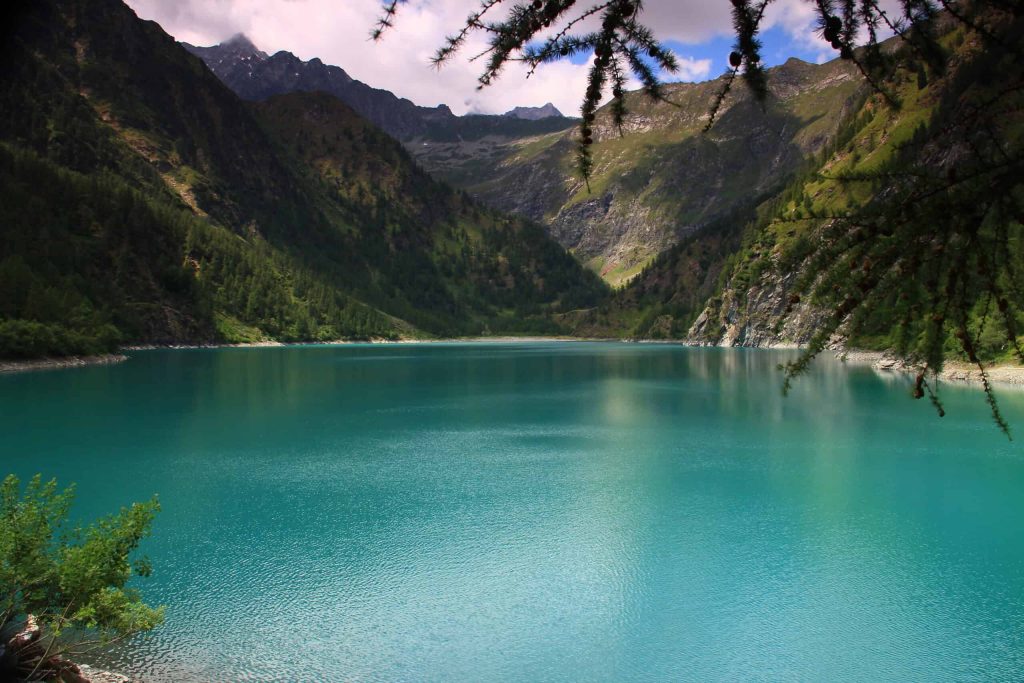
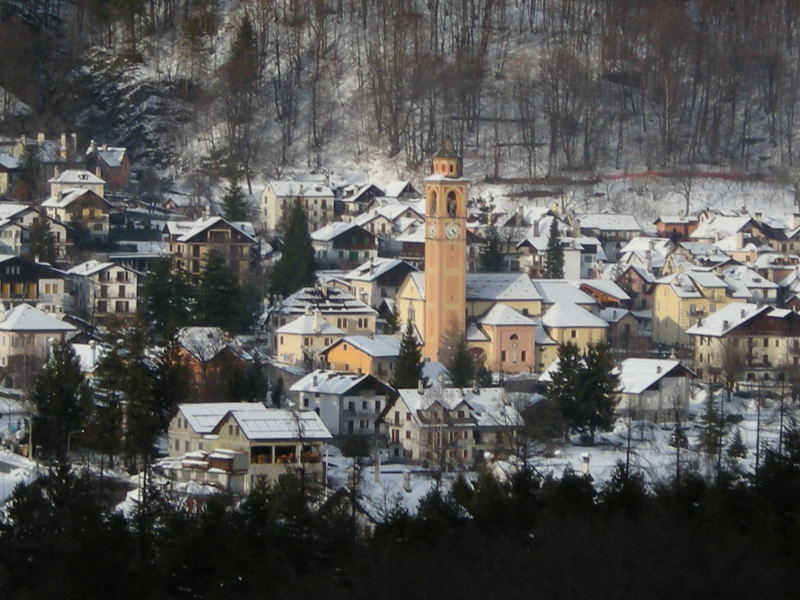
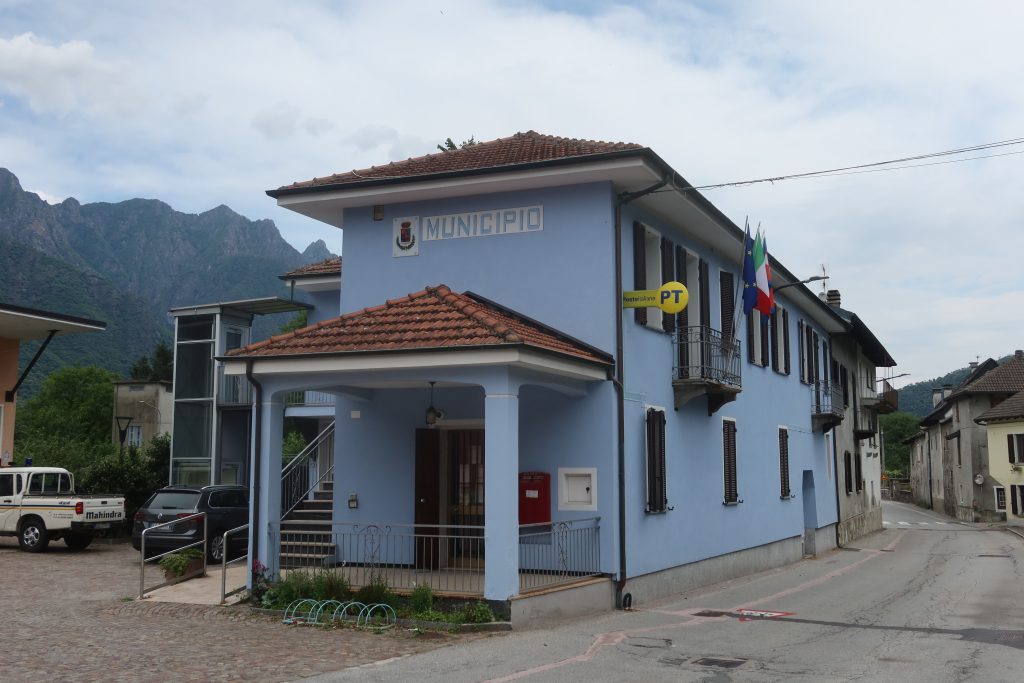
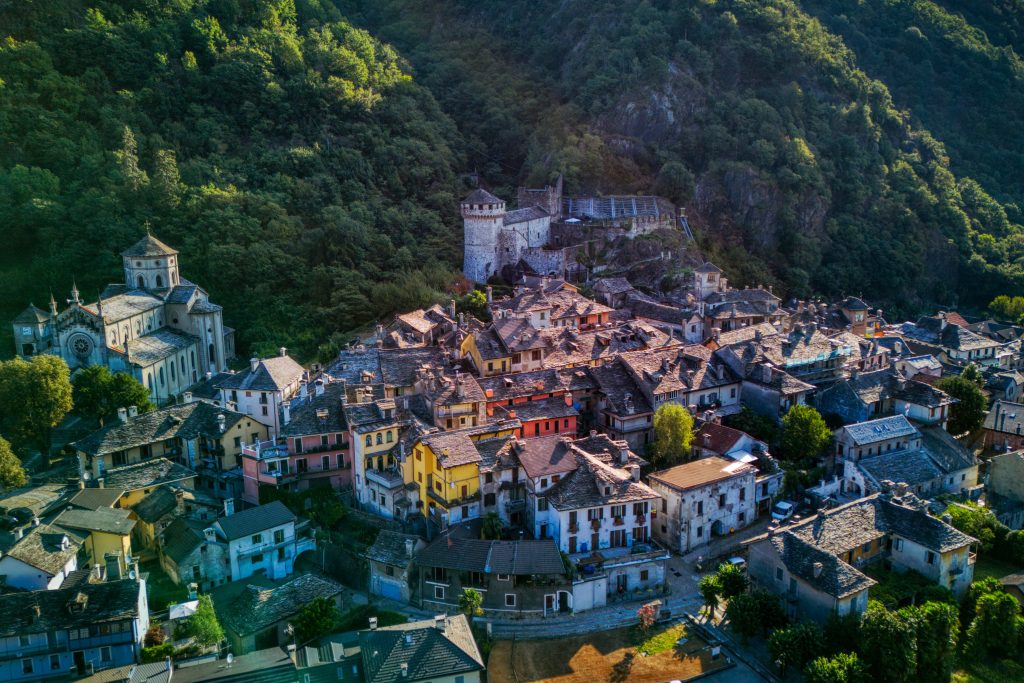
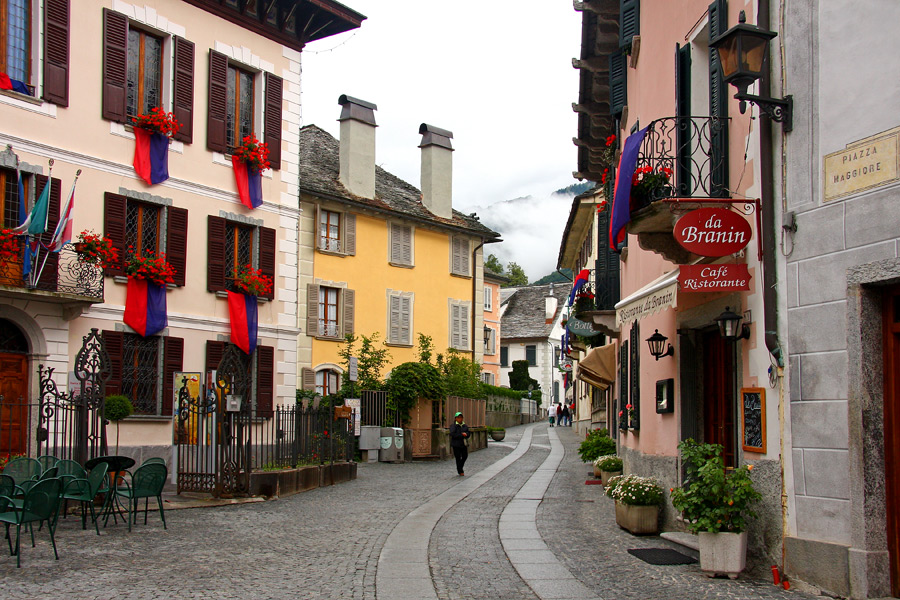
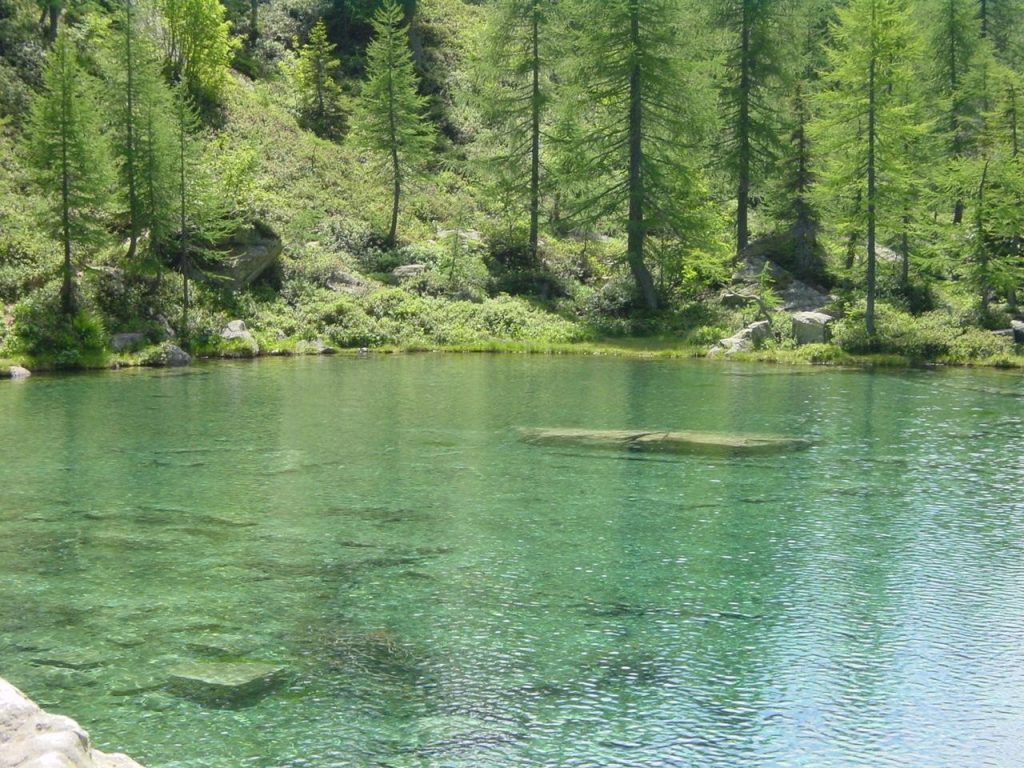
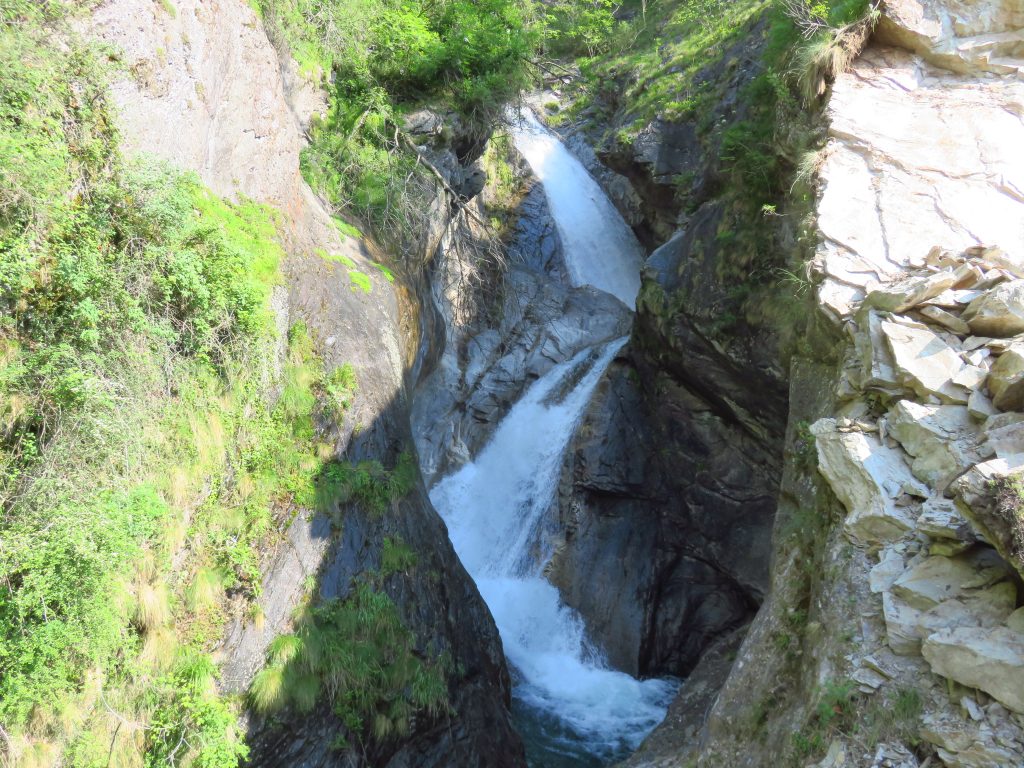
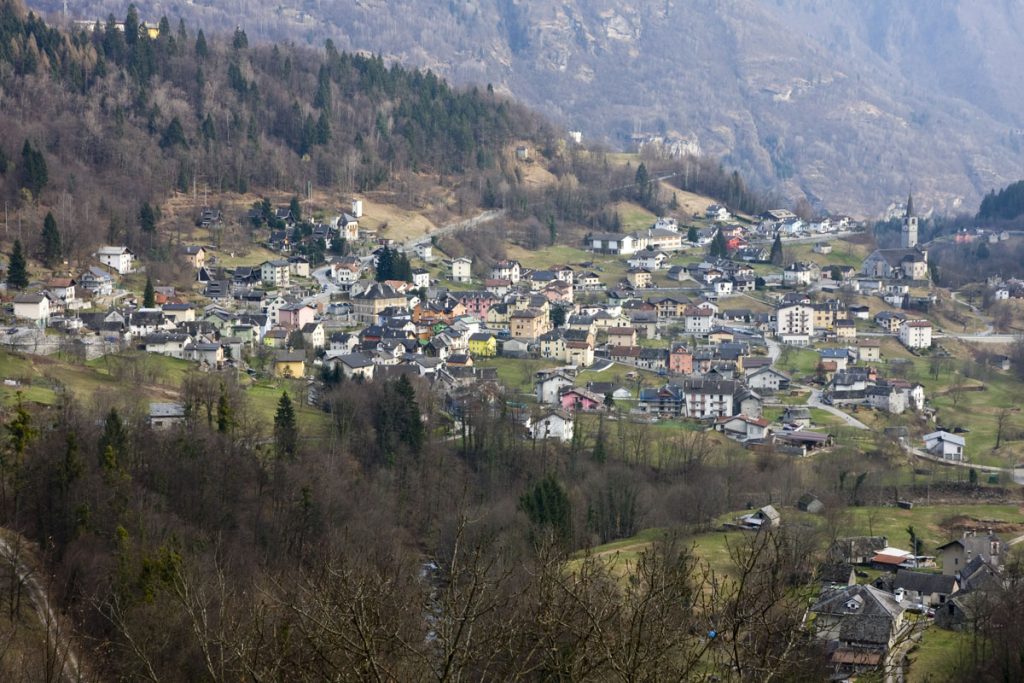
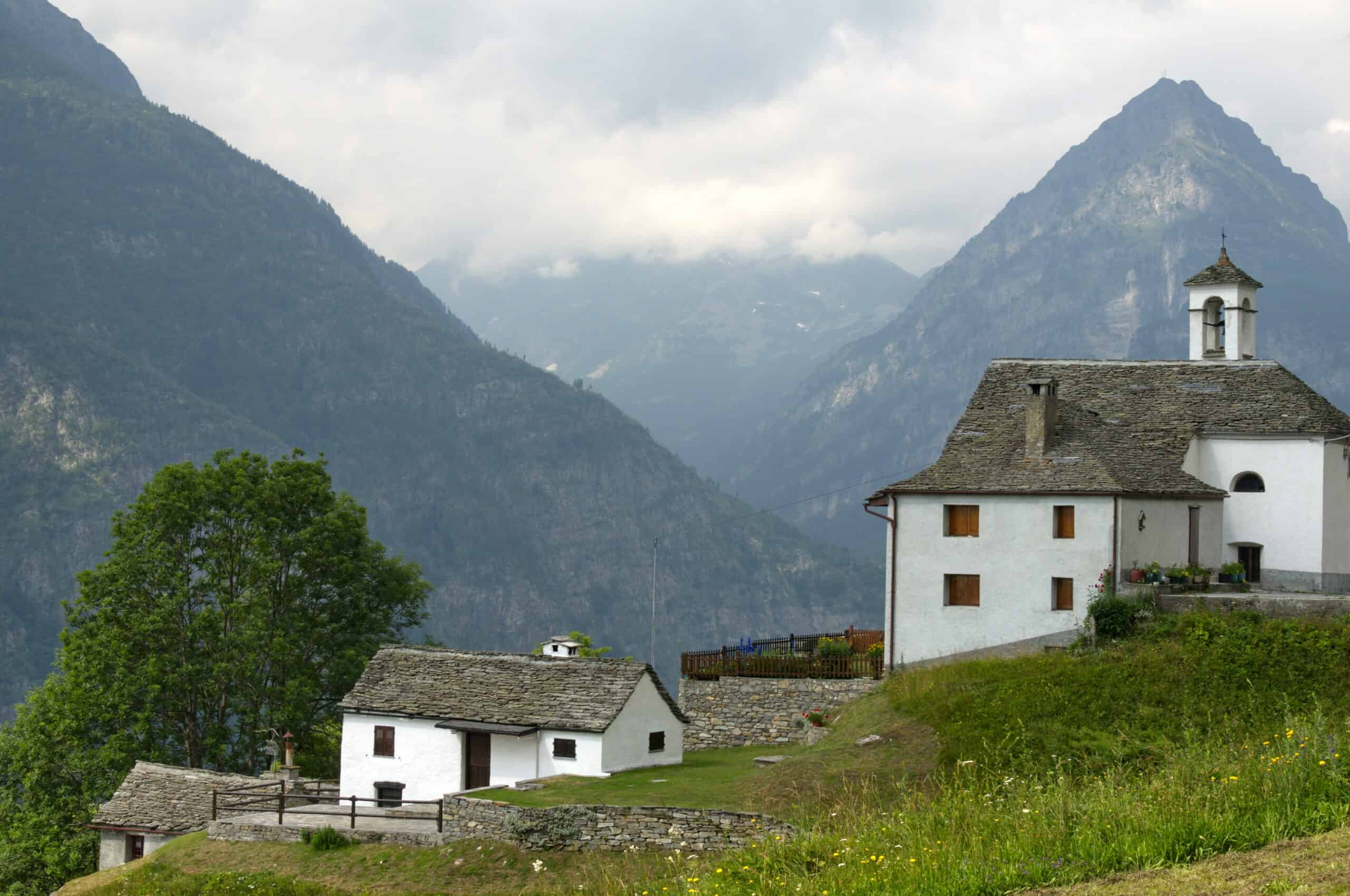
The valley’s main centre is Varzo, itself made up of fifty-three hamlets, nestled between steep gorges and vertiginous rock faces. From Varzo, the road climbs towards San Domenico and Alpe Veglia, the first natural park established by the Piedmont Region, in 1978, at an altitude of 1,750 metres on the Italian side.
The tunnel that changed the history of Alpine connections
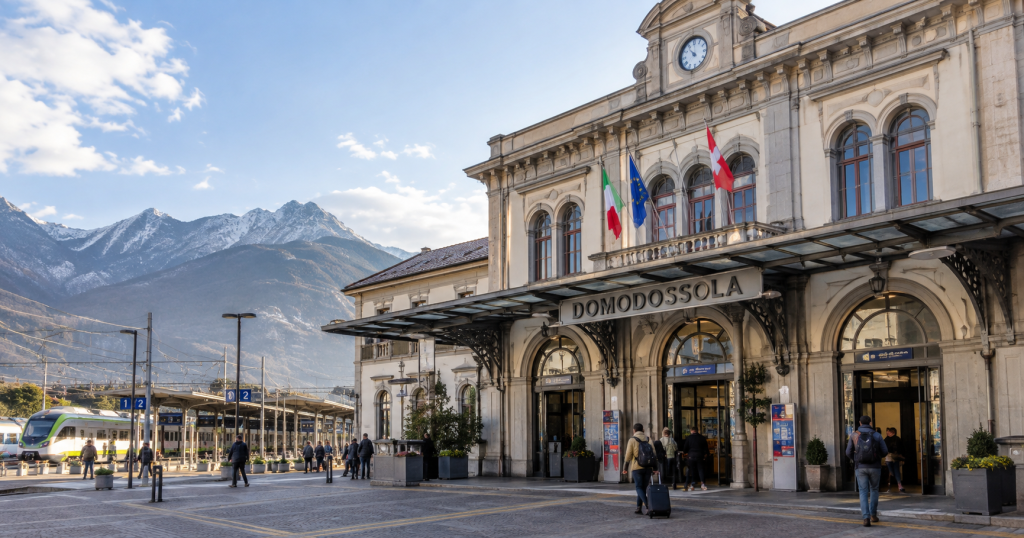
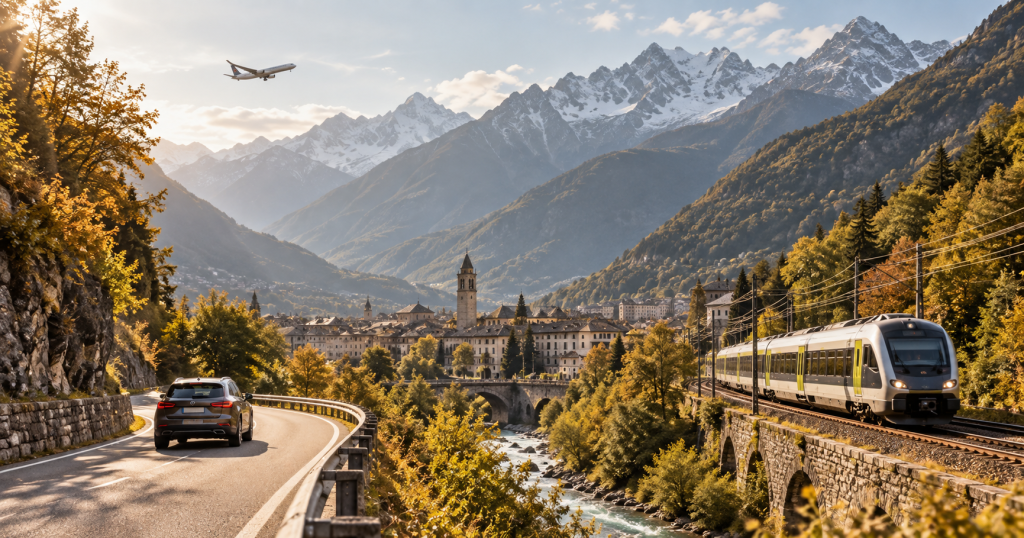
Work on the Simplon railway tunnel began in 1898, completed in 1905 with the first tunnel and in 1921 with the second. Opened in 1906, the tunnel remained the world’s longest railway tunnel for 75 years, a record that demonstrates the strategic importance of this connection between Italy and Switzerland through the Divedro Valley.
Divedro Valley, between Simplon and Alpe Veglia
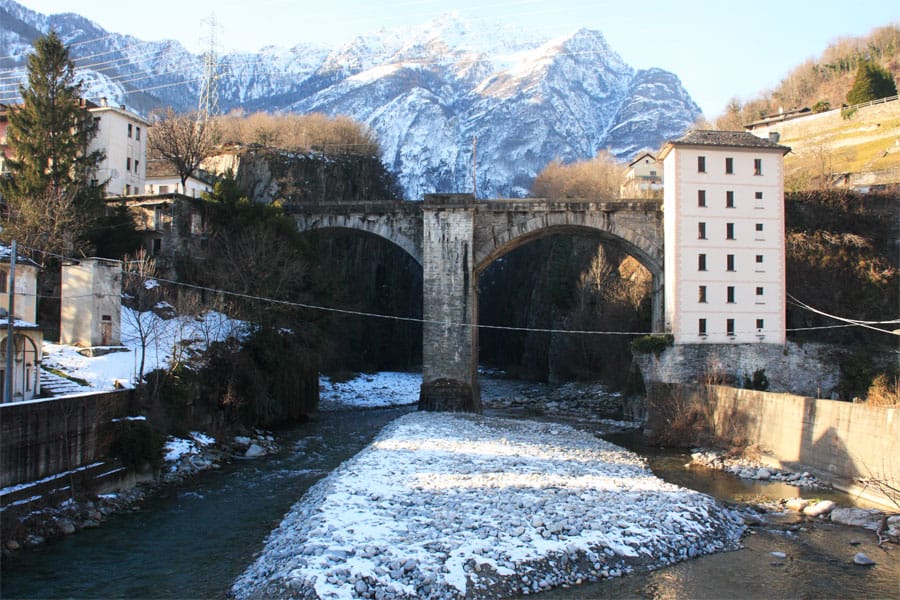
The valley leads towards Trasquera and the famous Devil’s Bridge. To explore its history and itineraries, refer to the Divedro Valley page on visitOssola.
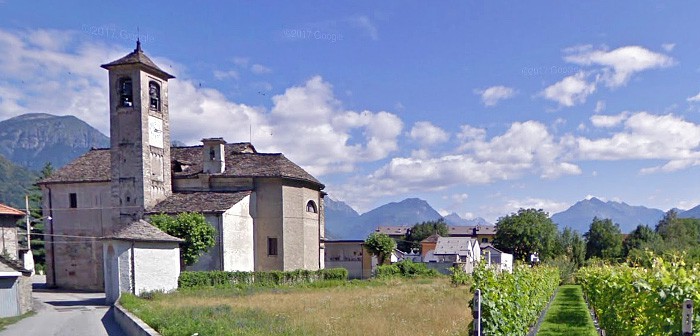
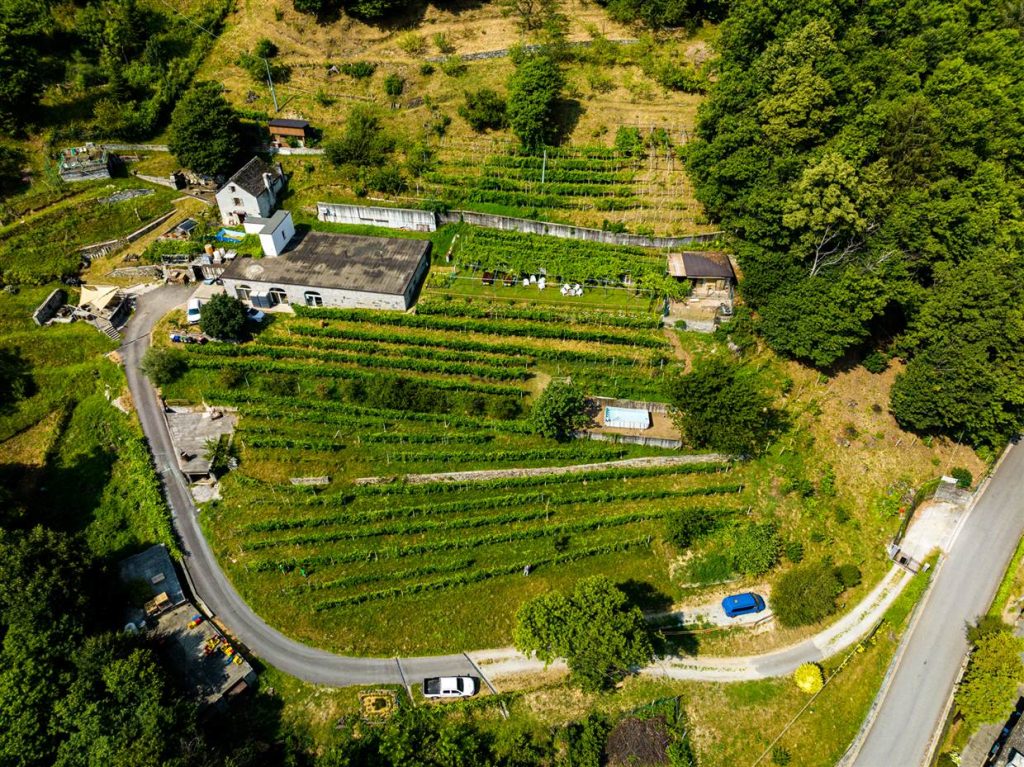
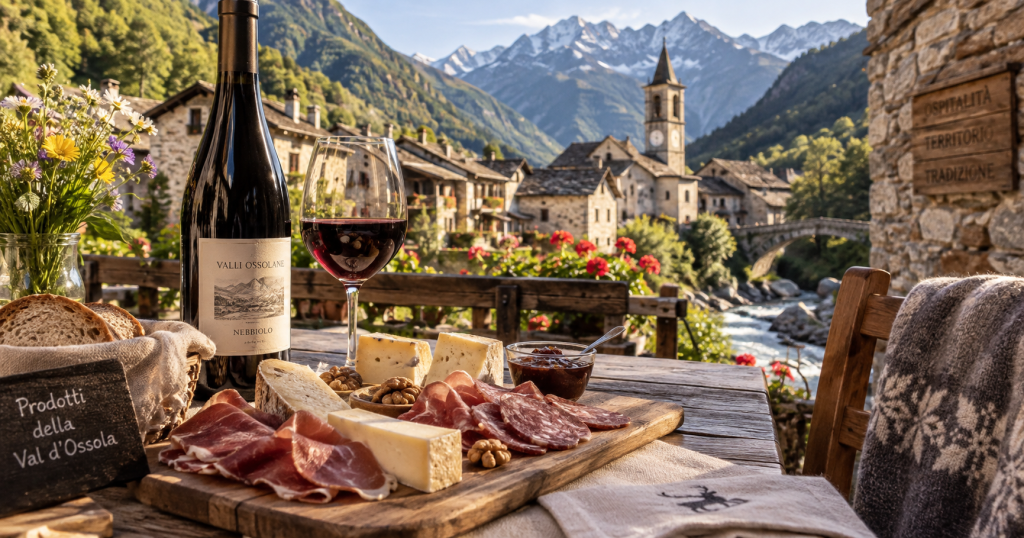
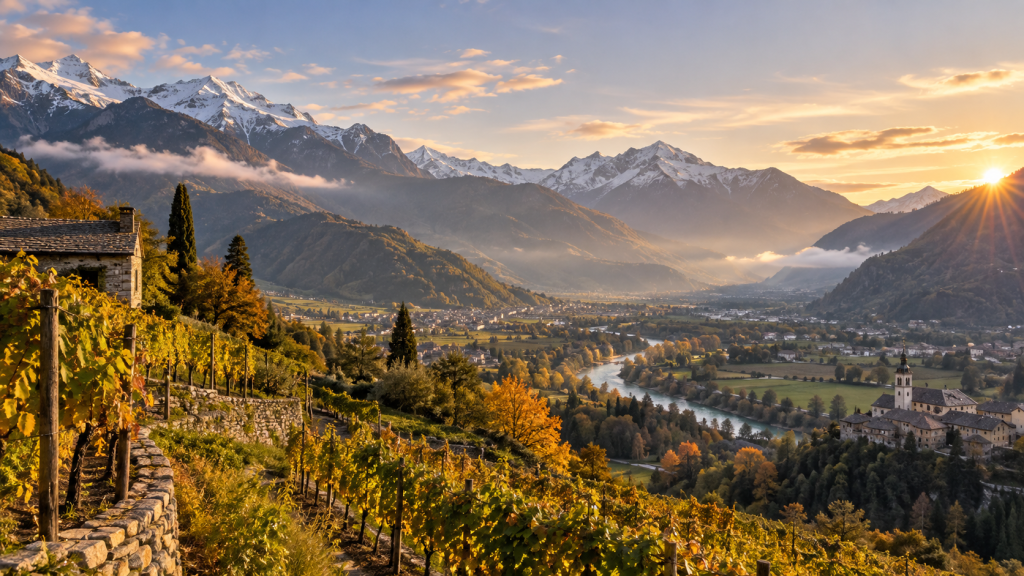
Descending towards the valley floor, the vineyards of the Ossola Valley offer one final stop with a tasting.
A corridor of peoples and cultures
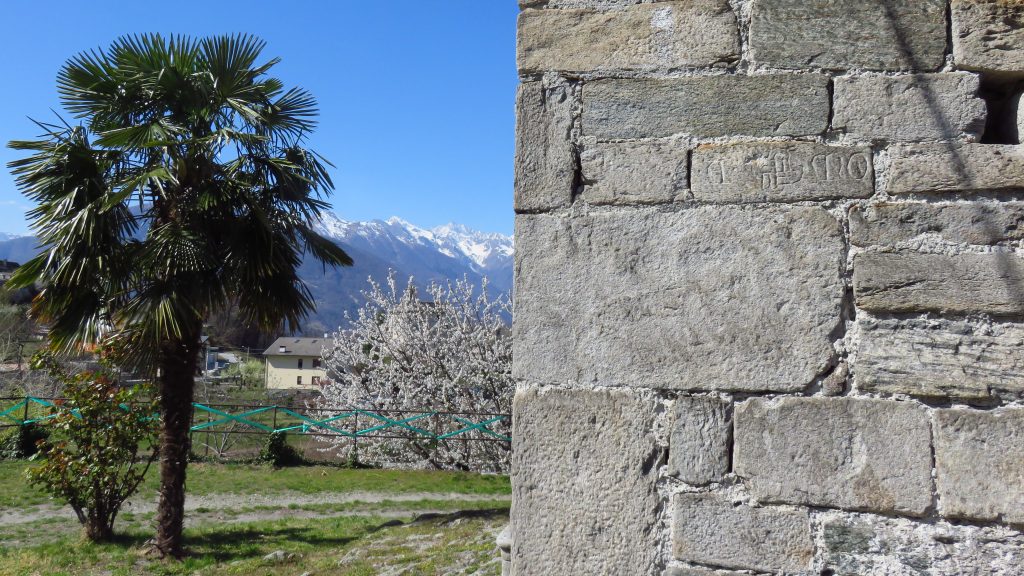
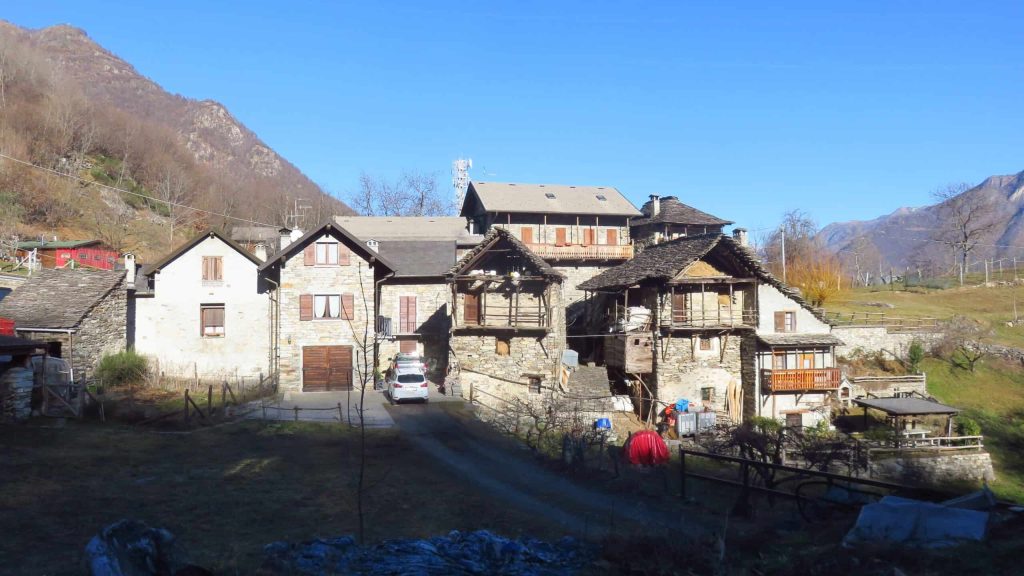
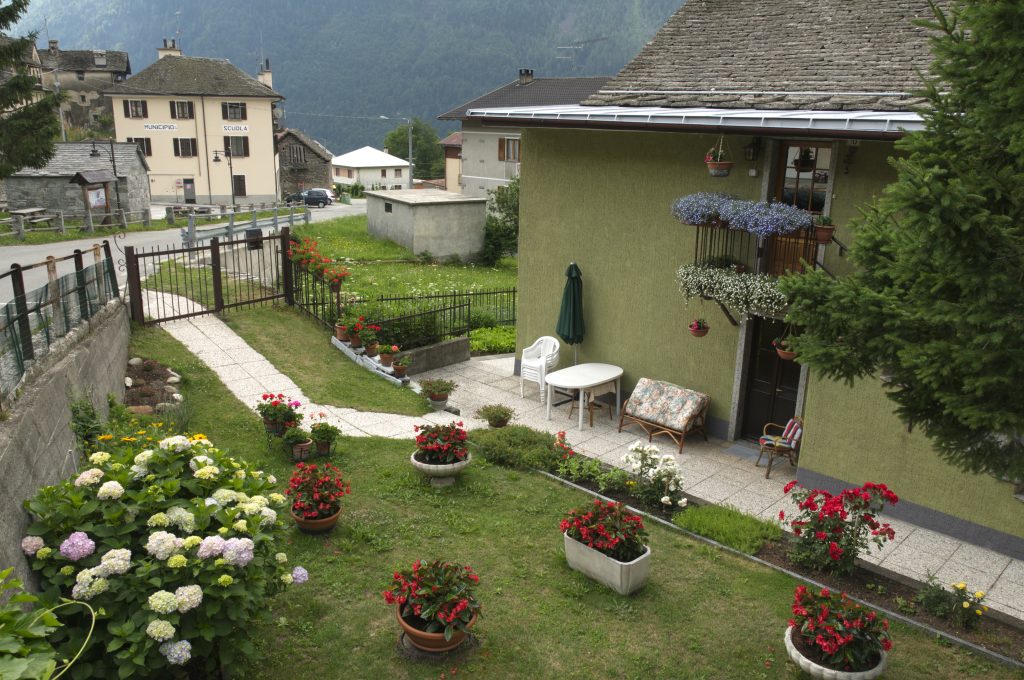
Over the centuries, the Divedro Valley has seen merchants, pilgrims and soldiers pass through on their way to the Simplon, in a constant flow that has left traces still visible in the architecture of the small villages dotting the valley floor. This history of continual passage has made the valley’s inhabitants particularly accustomed to engaging with different cultures, a characteristic that can still be felt today when visiting Varzo and its hamlets.
San Domenico, the gateway to the upper valley
From Varzo, the road climbs towards San Domenico, a hamlet that represents the most direct access point to Alpe Veglia: a scenic stretch of road that allows visitors to observe the gradual change in the landscape at close hand, from the broadleaf woods on the valley floor to the high-altitude meadows.
A border itinerary to discover
With its history as a passage between different peoples and cultures, the Divedro Valley now offers an ideal itinerary for those wishing to discover how the border between Italy and Switzerland has always represented more of a meeting point than a clear dividing line, in an area where languages and traditions have blended over the centuries.
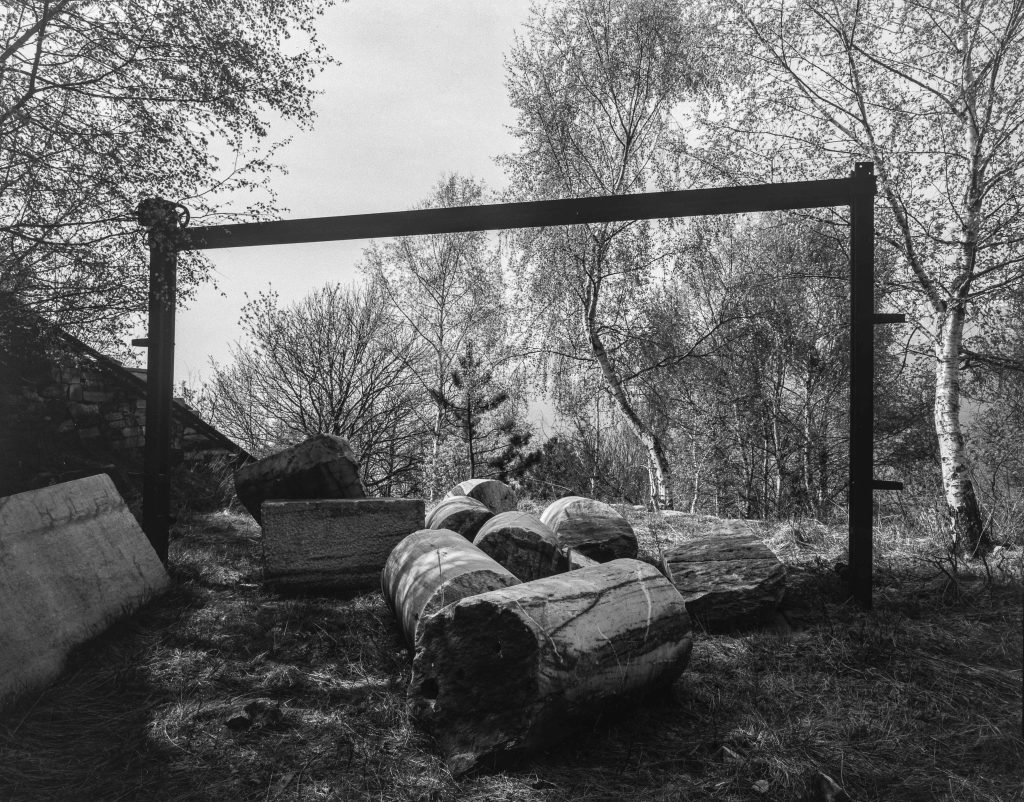
One final note: those who travel through the Divedro Valley with attentive eyes can still glimpse traces of the different eras that have passed through it, from the oldest remains to the 20th-century infrastructure linked to the Simplon Tunnel.
An Alpine corridor, always more a bridge than a border.
A bridge between peoples, always more unity than a border.
A corridor of peoples, always more of a crossroads than a border.
One final reflection on the Divedro Valley: being a passage corridor for millennia has made its inhabitants particularly open to engaging with different cultures.
A bridge between peoples, always more unity than a border.
An Alpine corridor, always more a bridge than a border.
The Divedro Valley, with Alpe Veglia and Varzo, has been one of the most important Alpine gateways to Switzerland since the days of the Simplon Tunnel, and today offers hikers unspoilt high-mountain landscapes just a short distance from the valley floor.
The Simplon Tunnel, still in operation today, remains a strategic connection between Italy and Switzerland through the Alps.