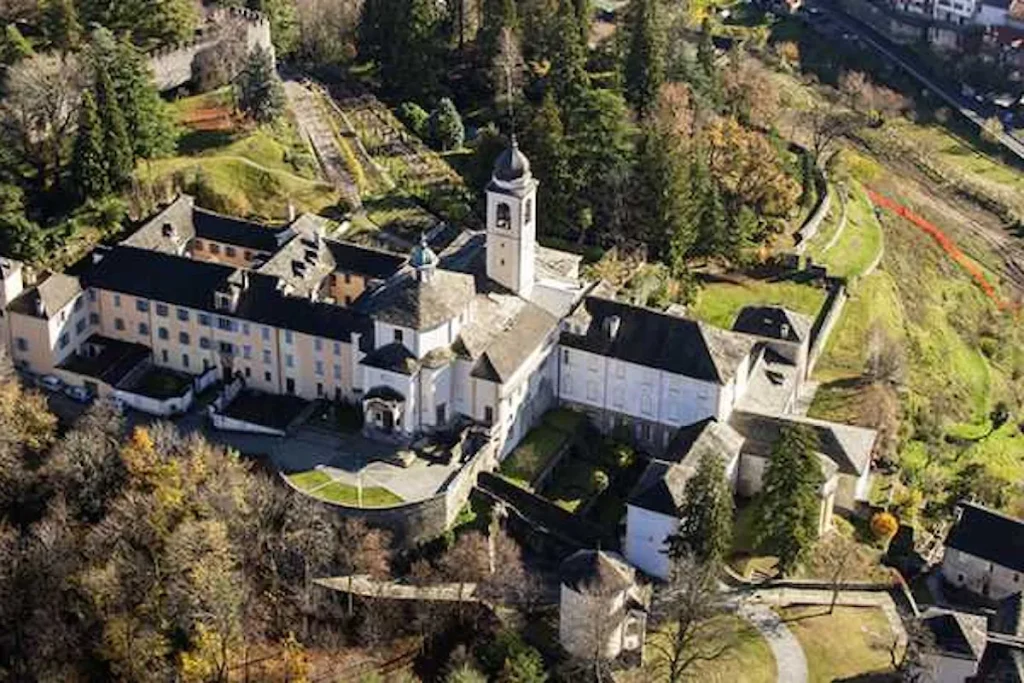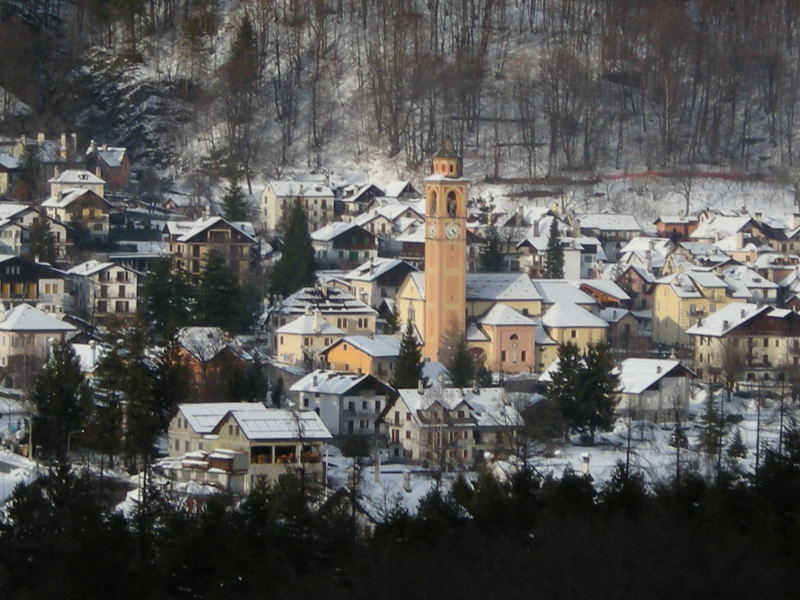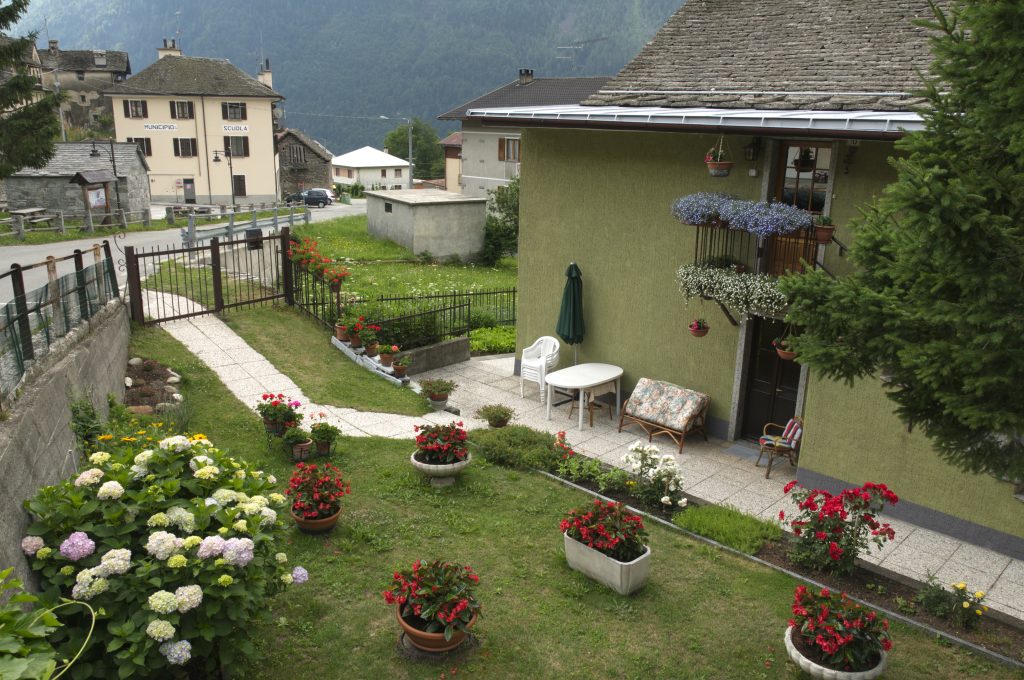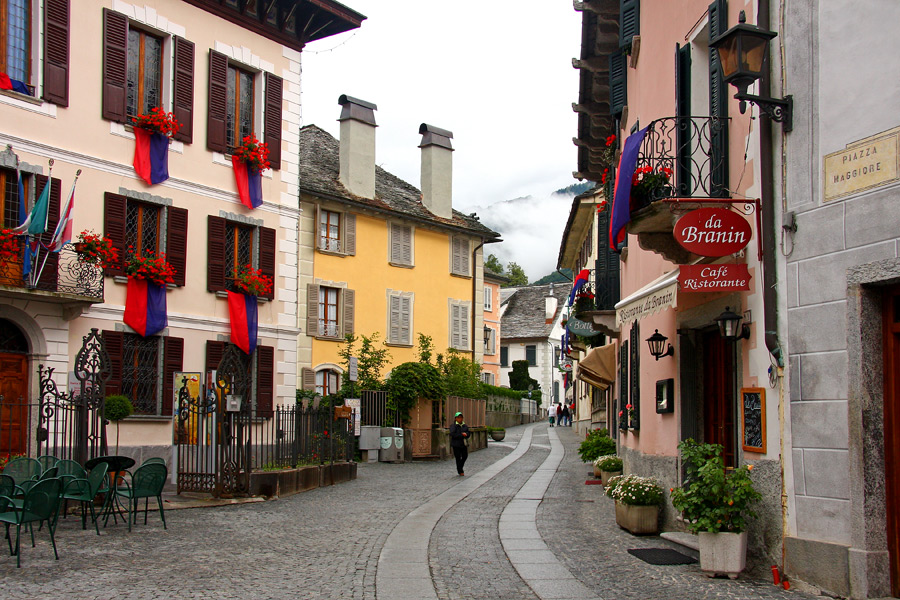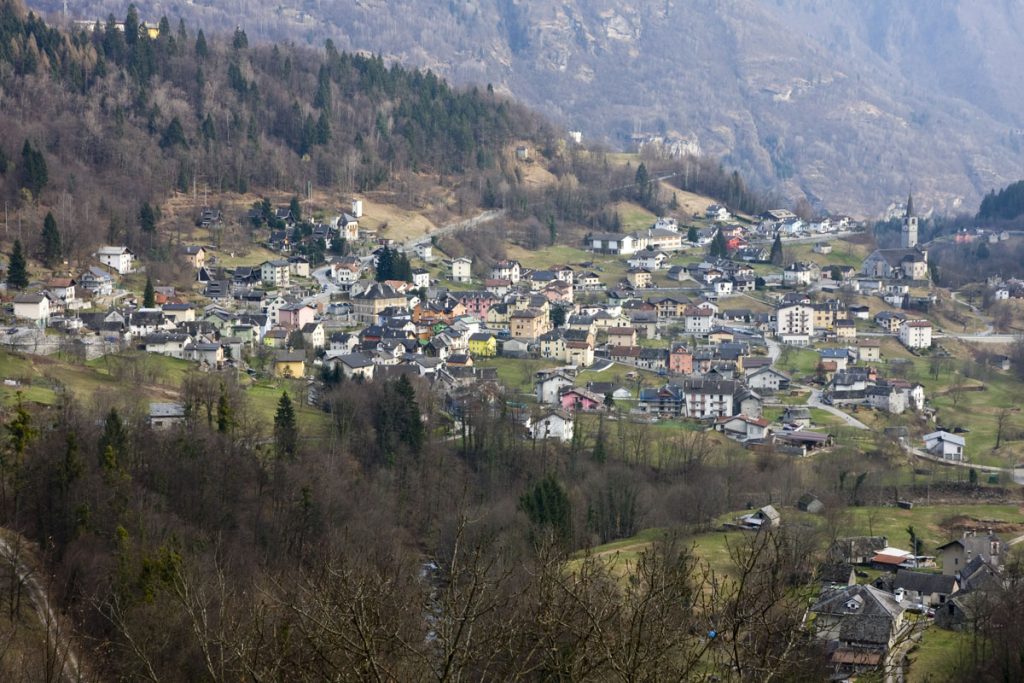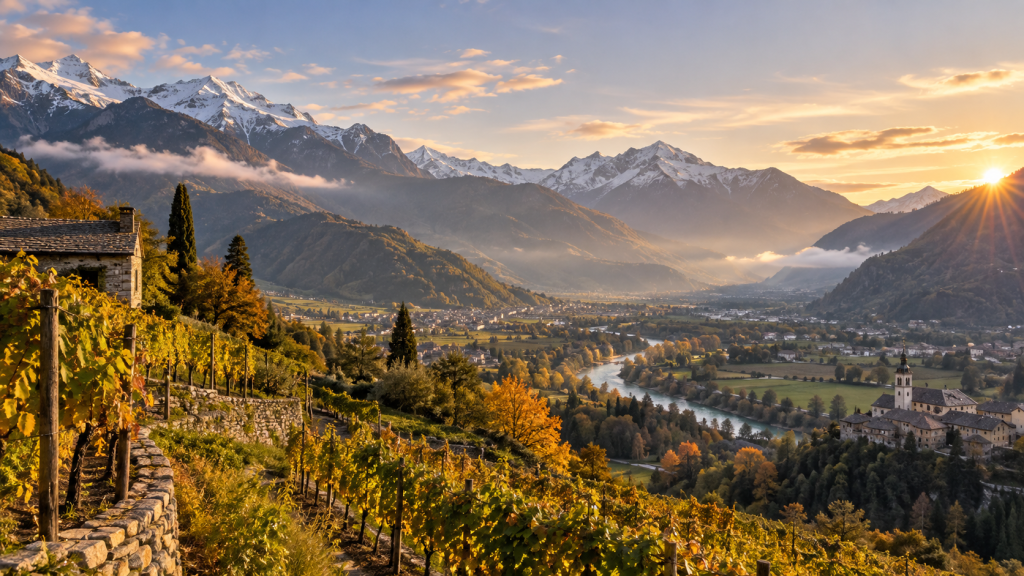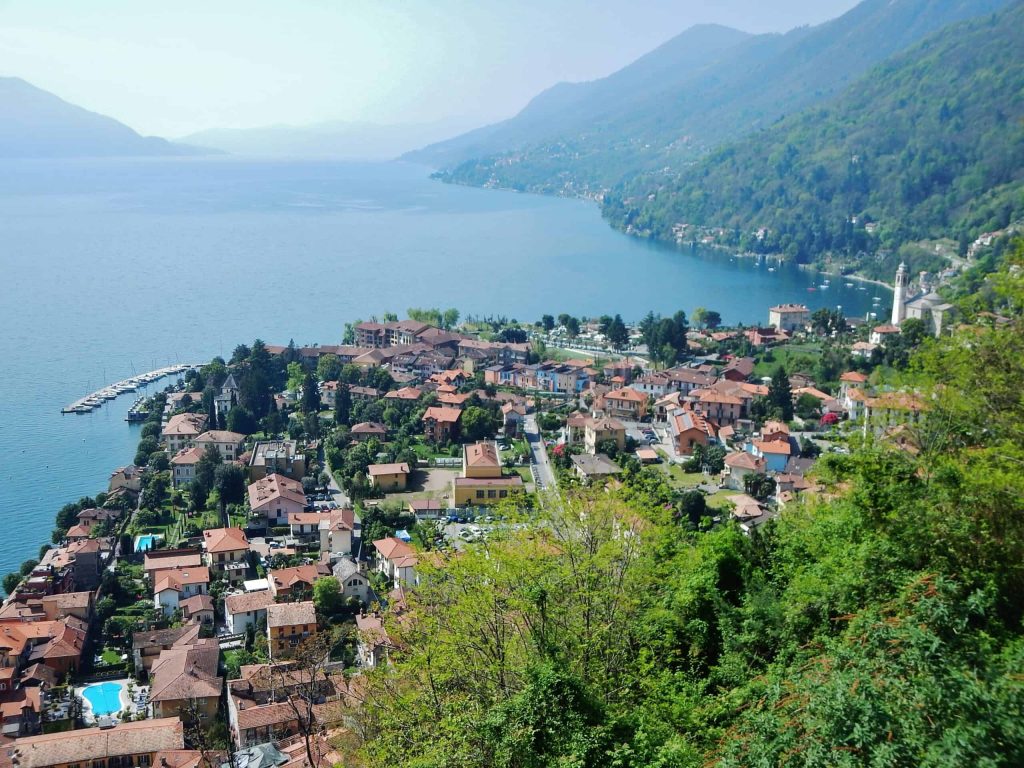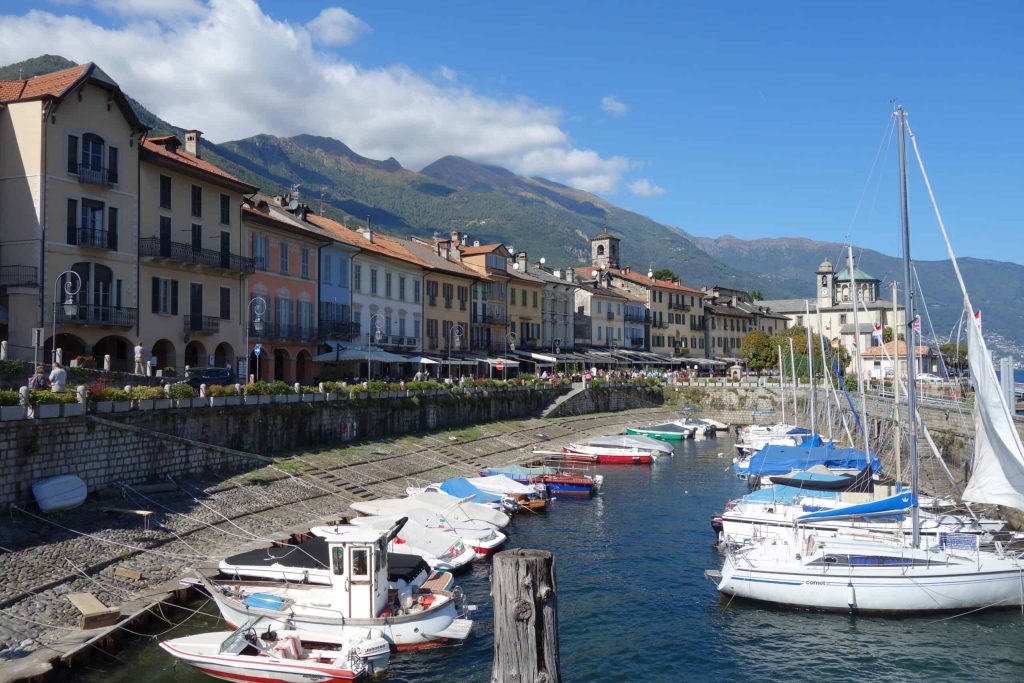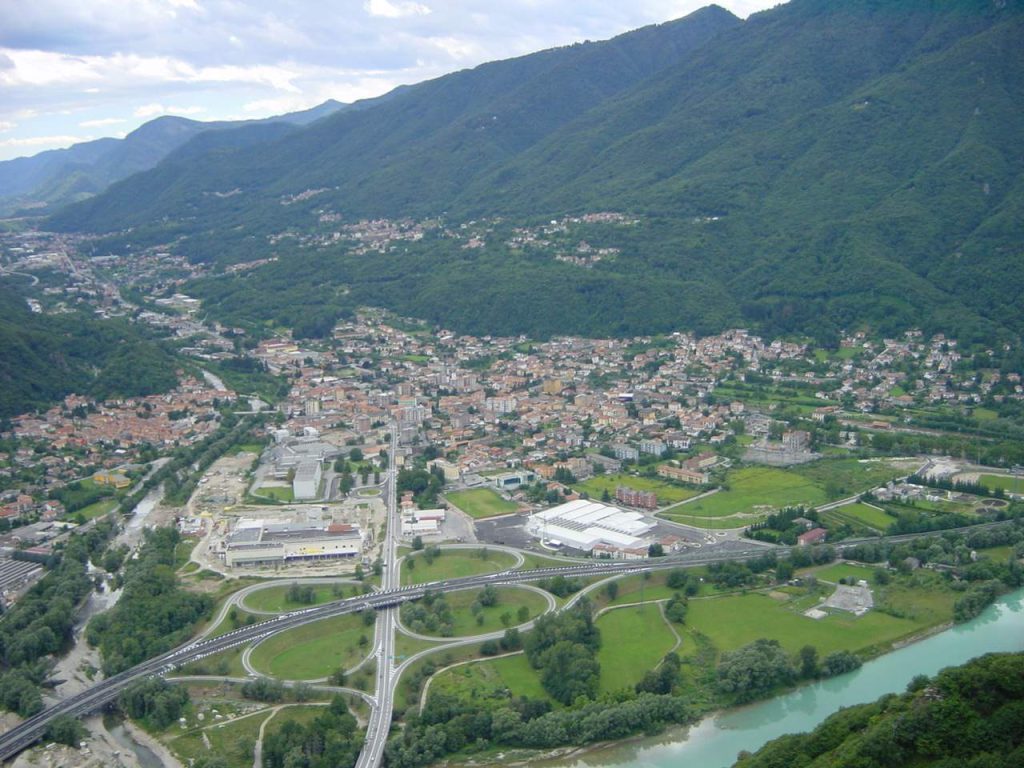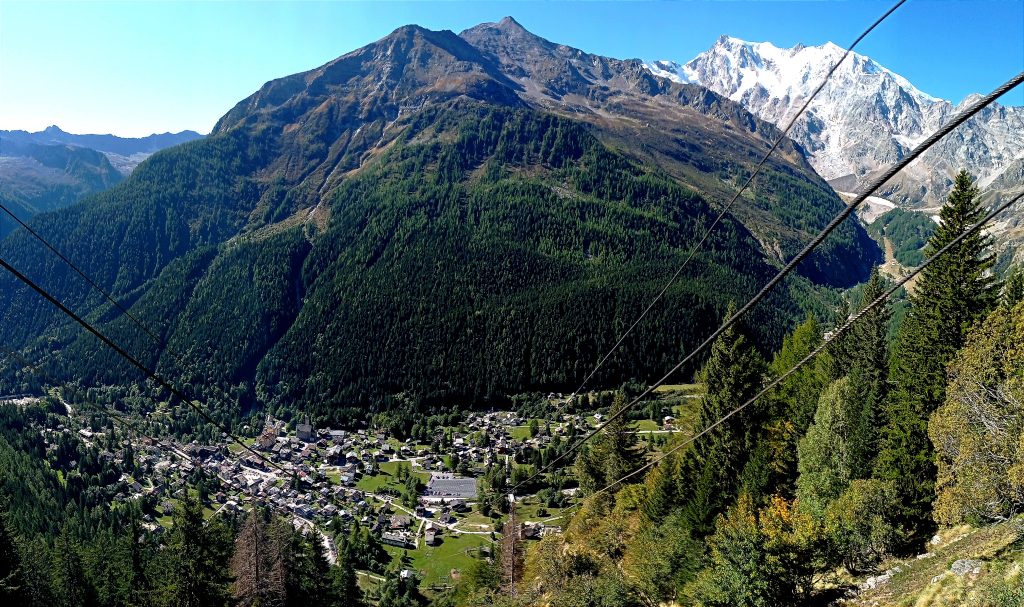
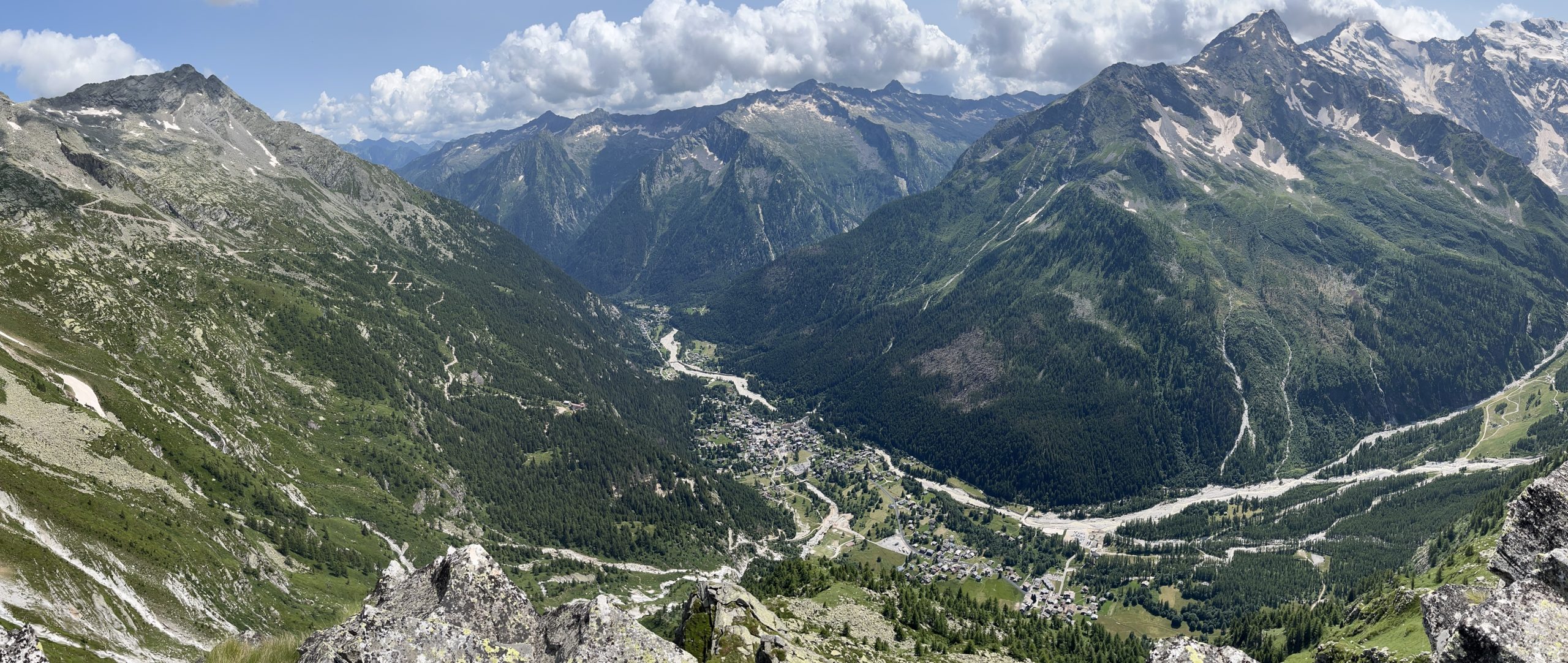
Macugnaga is the most famous Walser village in the Ossola Valley, nestled at the foot of the spectacular eastern face of Monte Rosa.
A colony founded in the 13th century
Macugnaga was founded around 1256 by the Walser, an ancient people of Alemannic origin from the Canton of Valais in Switzerland, who between the Middle Ages and the centuries that followed colonised several Alpine valleys around Monte Rosa, from the Formazza Valley to the Simplon Valley and as far as the Aosta Valley. According to the most widely accepted theory, the colony originated from an initiative by Gotofredo, Count of Biandrate and lord of Valsesia, who, after marrying Aldisia, daughter of the lord of Visp in Valais, in 1250, promoted agreements providing for the exchange of populations and the settlement of Valais colonists on the Macugnaga plateau.
A culture still alive today
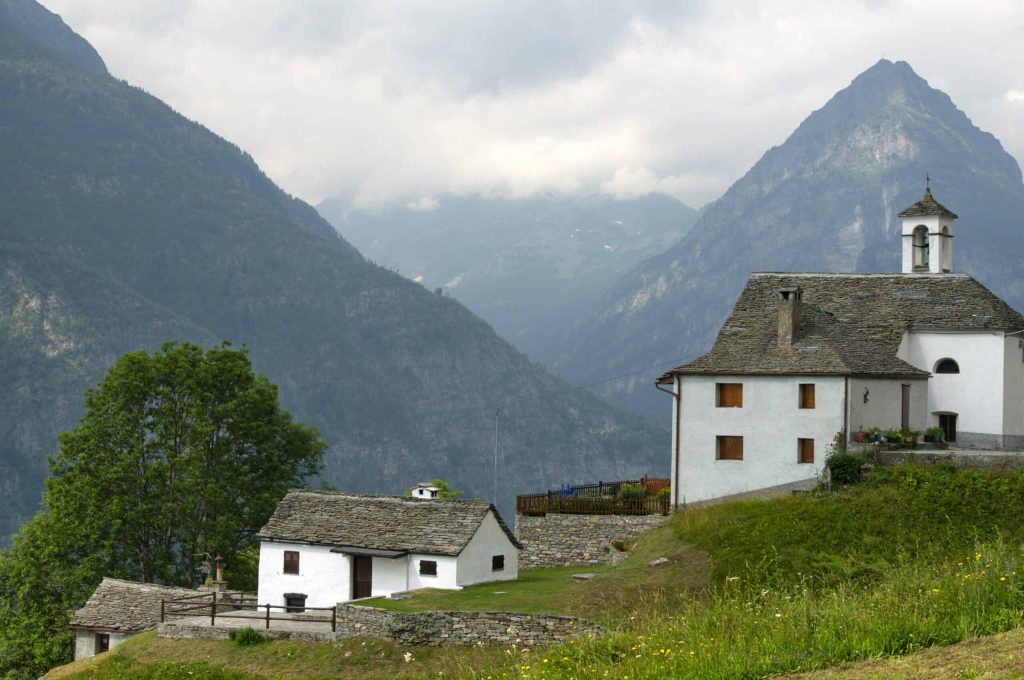
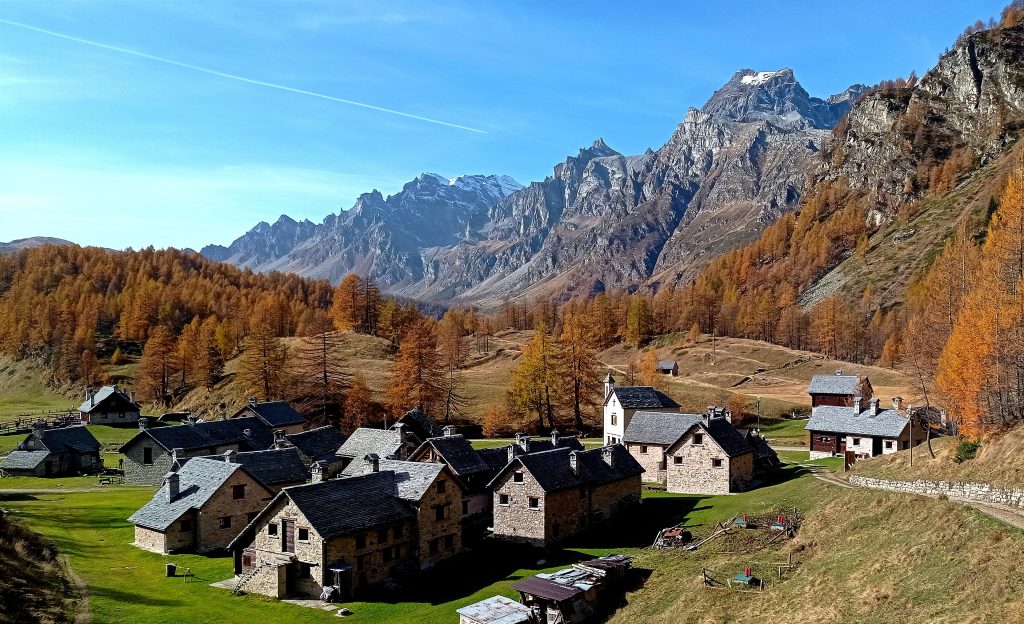
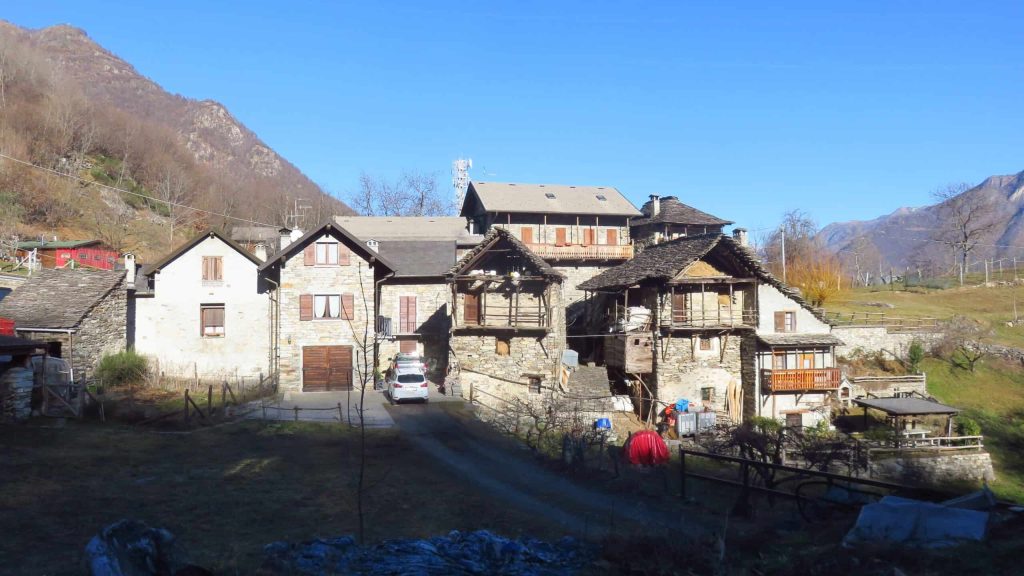
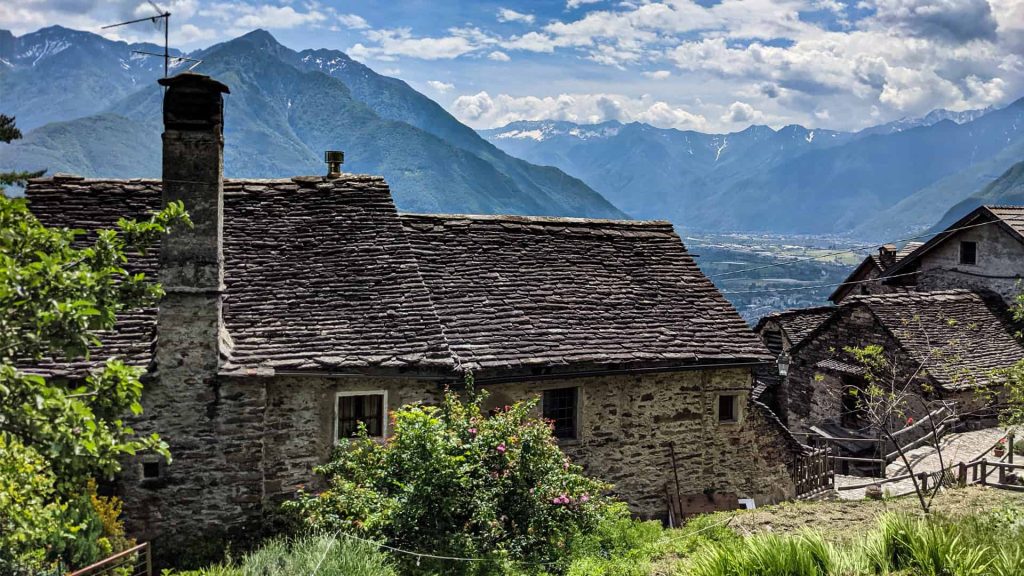
The Walser adapted ingeniously to the Alpine environment, making use of high-altitude pastures and passing down their language, customs and culture from generation to generation. Even today, Macugnaga retains living traces of this past: the distinctive architecture of wooden and stone houses, the traditional costumes worn by women on special occasions such as the St Bernard Fair, and the Titsch language, still spoken by the village’s elderly residents. The characteristic “Dorf”, a small settlement dating back to the 13th century, is one of the most authentic images of this heritage.
At the foot of Monte Rosa
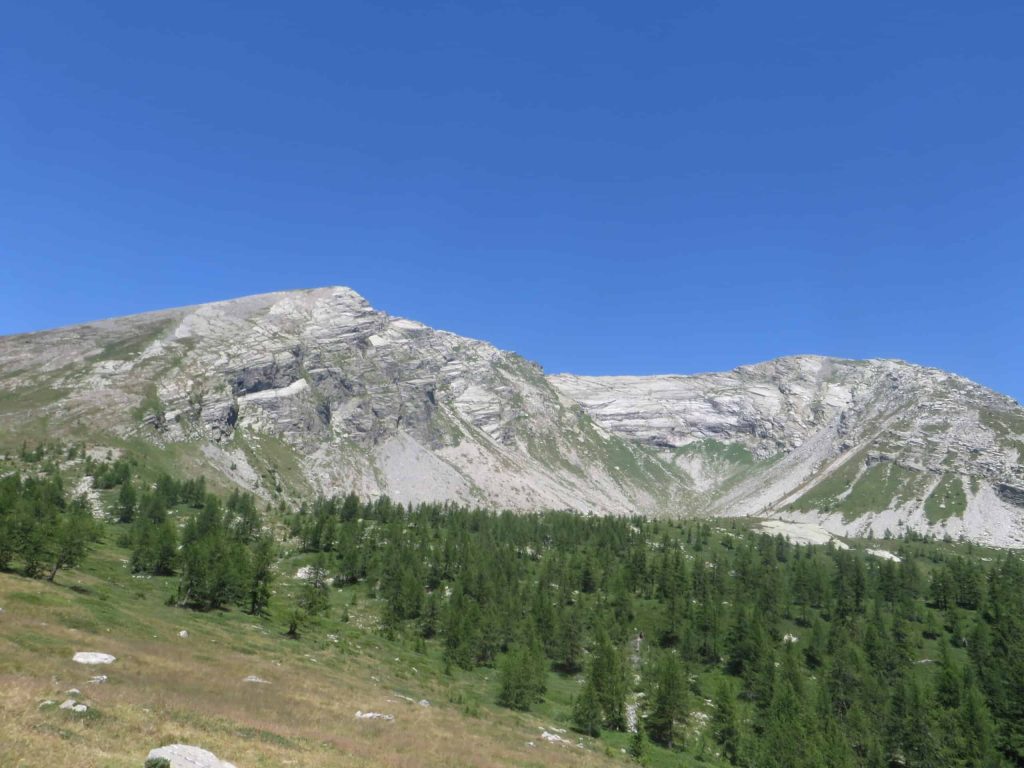
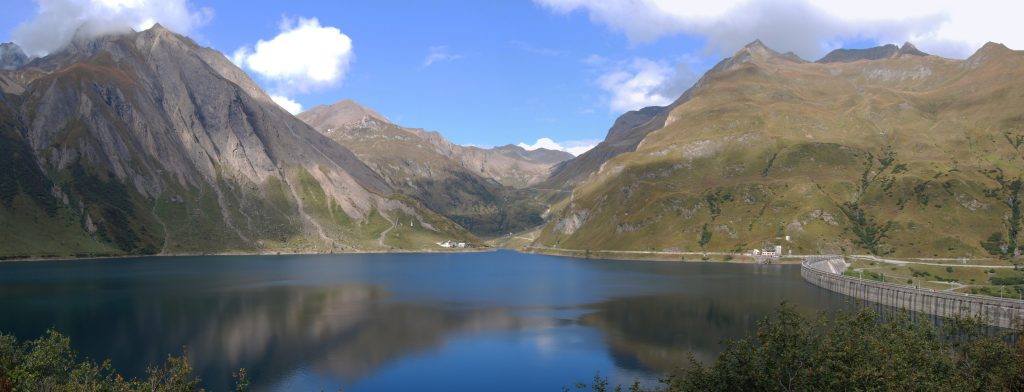
Macugnaga lies directly opposite the eastern face of Monte Rosa, one of the most imposing Alpine faces in Europe, which gives it a unique panorama throughout the Ossola Valley.
Macugnaga in the Anzasca Valley
The village lies at the end of the Anzasca Valley, and is a destination for hikers and mountain enthusiasts all year round. To learn more about Walser history, see Bandiere Arancioni del Touring Club Italiano.
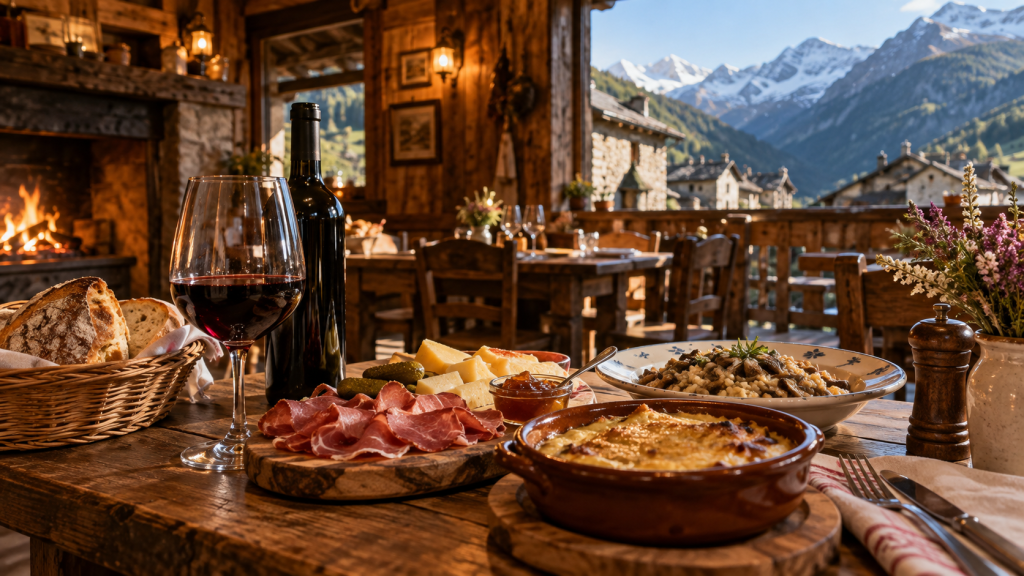
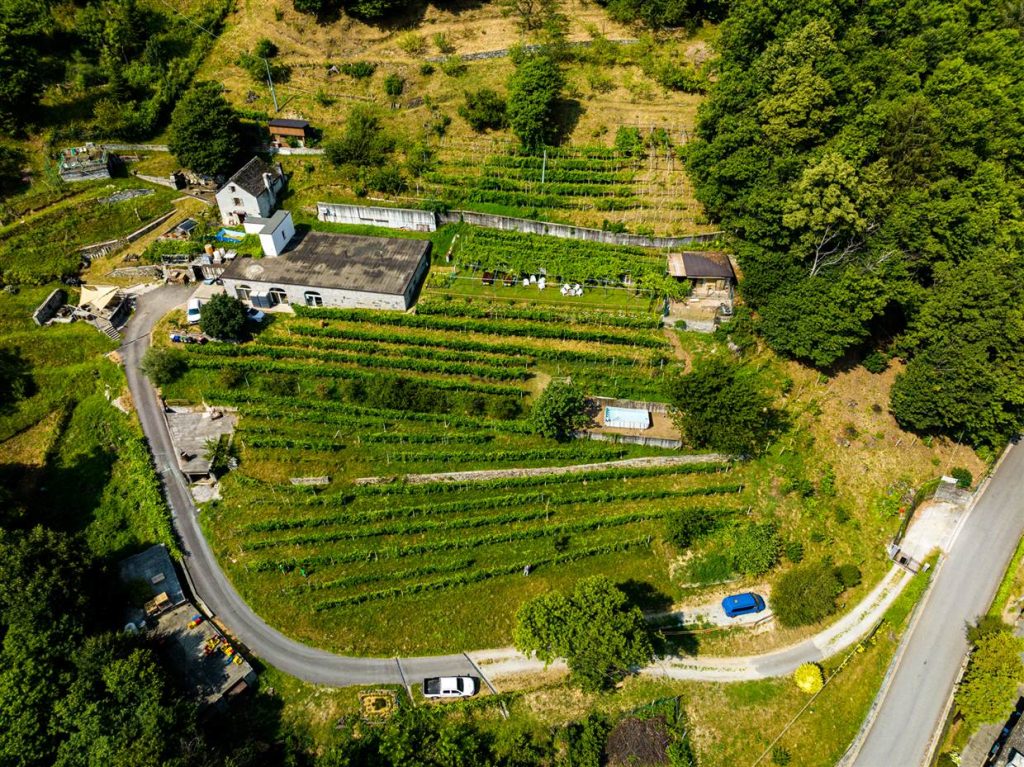
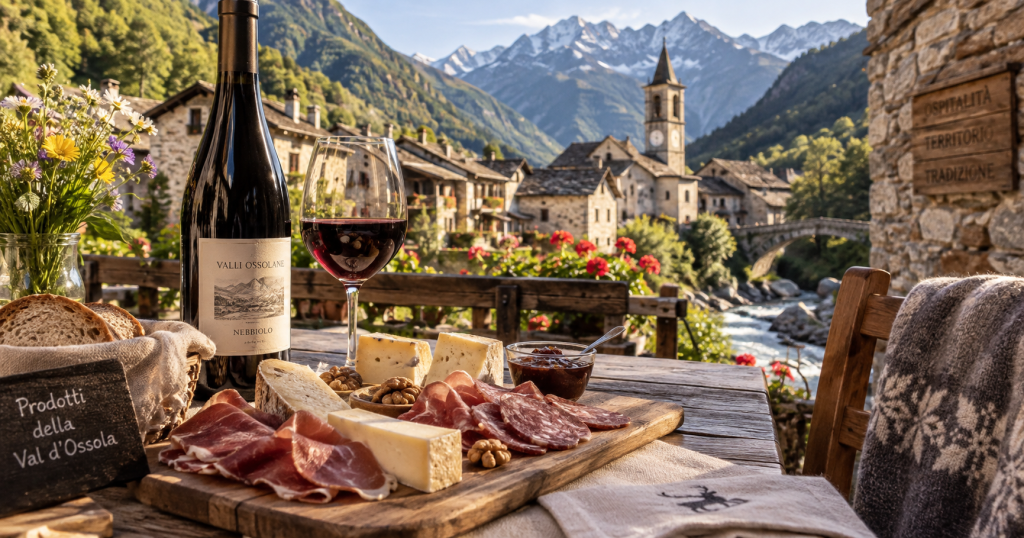
Visitors to Macugnaga can also taste Burki cheese, produced in the area’s Alpine pastures, perhaps paired with a wine from the Ossola Valley during a tasting.
A recognised heritage
Macugnaga’s Walser culture is receiving growing attention from heritage bodies and researchers interested in documenting its language, architecture and traditions before they may be lost. Numerous Dorf, the characteristic clusters of dark wooden houses, have been restored over time to preserve their original building features, becoming one of the village’s attractions for those interested in traditional Alpine architecture.
A future between tourism and tradition
Macugnaga continues to carefully balance tourism development, both in summer and winter, with the need to preserve the Walser identity that makes it unique: a delicate balance that local authorities seek to maintain through sustainable development policies and the cultural enhancement of the area.
One final thought: the coexistence of extreme mountaineering and family tourism makes Macugnaga a destination capable of meeting the needs of very different visitors, a rare feature among high-mountain destinations.
Walser by name and by nature, at the foot of the giant.
Walser by name and by nature, beneath the giant’s gaze.
One final thought on Macugnaga: the coexistence of ancient Walser culture and modern mountaineering remains one of the most fascinating aspects of this village at the foot of Monte Rosa.
Walser by name and by nature, in the giant’s shadow.
Walser by name and by nature, beneath Monte Rosa’s gaze.
Macugnaga, at the foot of Monte Rosa’s eastern face, is one of the best-preserved Walser villages in the Western Alps, with its characteristic wooden and stone houses. Its proximity to one of Europe’s most imposing Alpine faces makes it a sought-after destination for both summer mountain lovers and winter skiers.
In winter, the local ski lifts attract enthusiasts of alpine skiing and ski touring, while in summer trekking to high-altitude refuges takes centre stage.