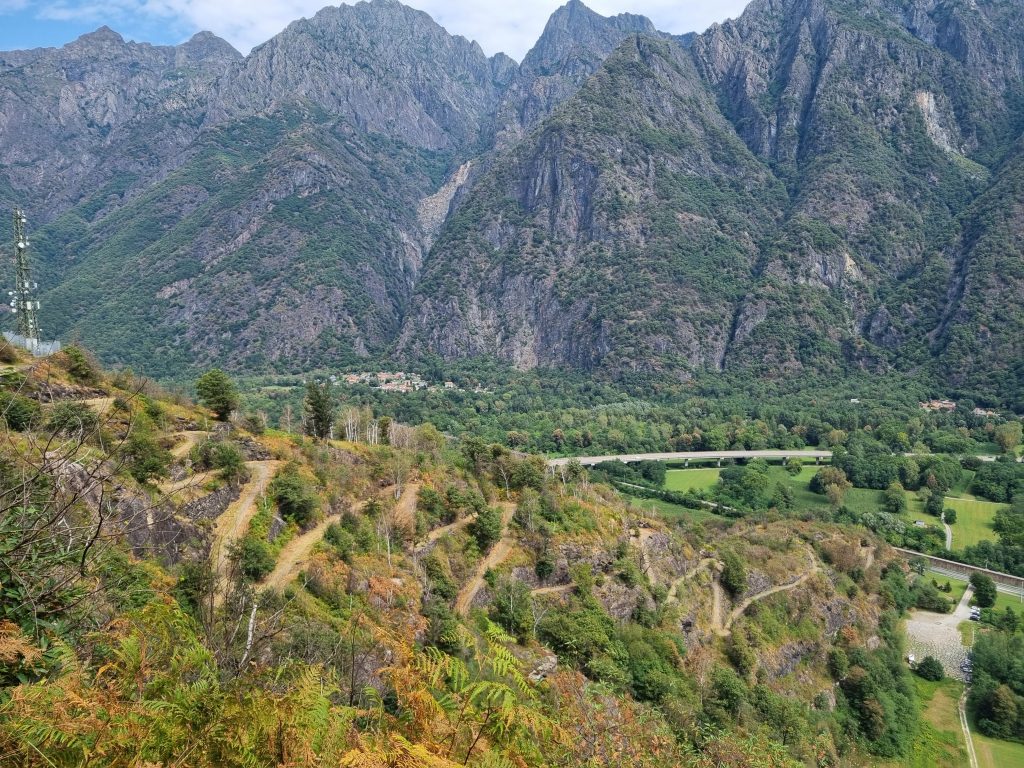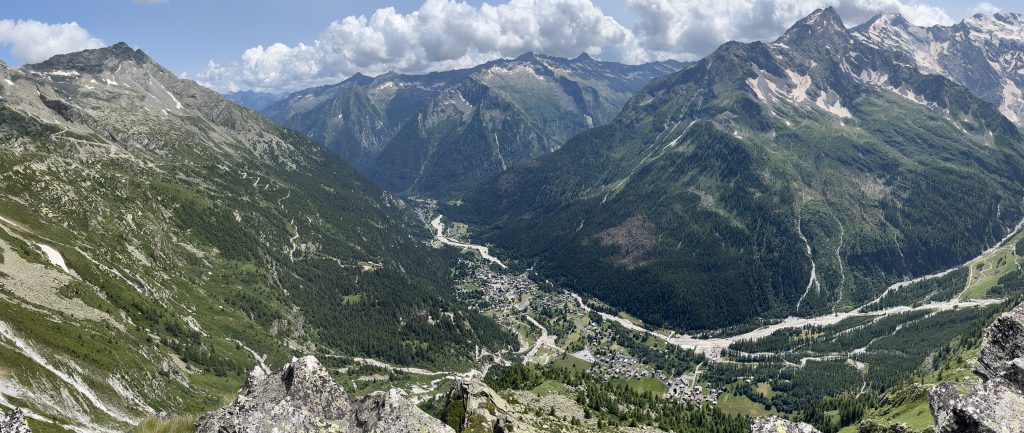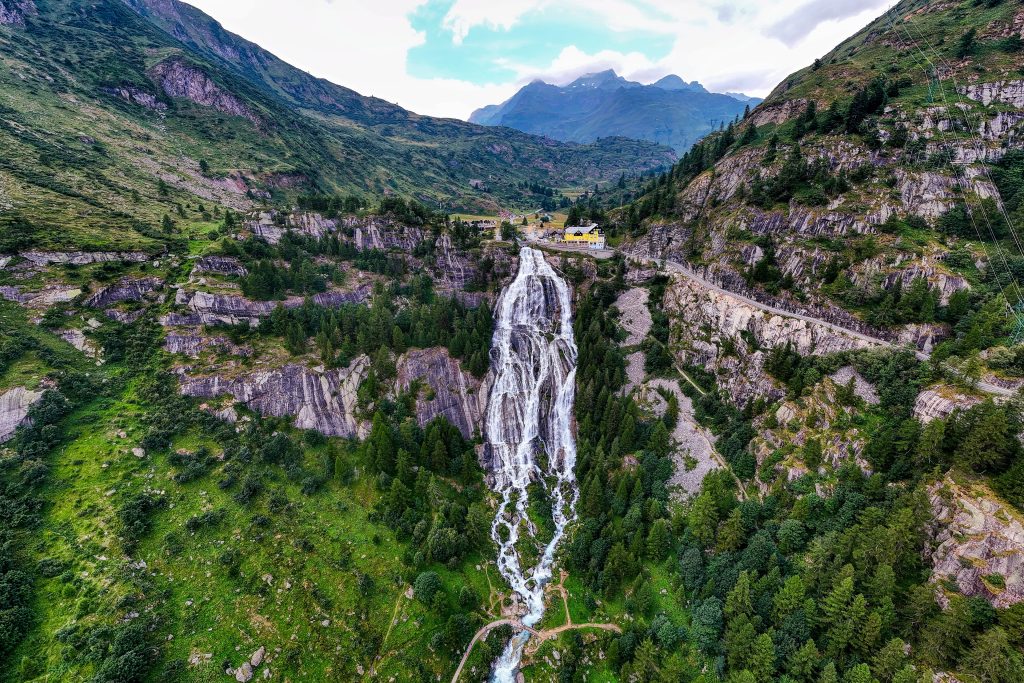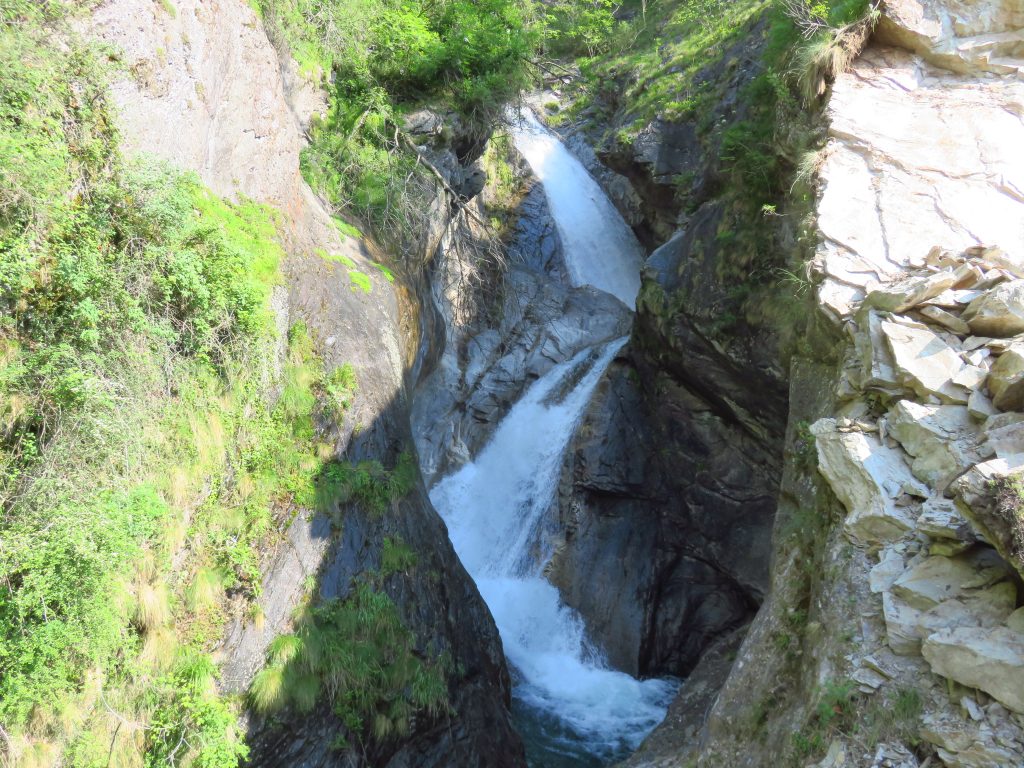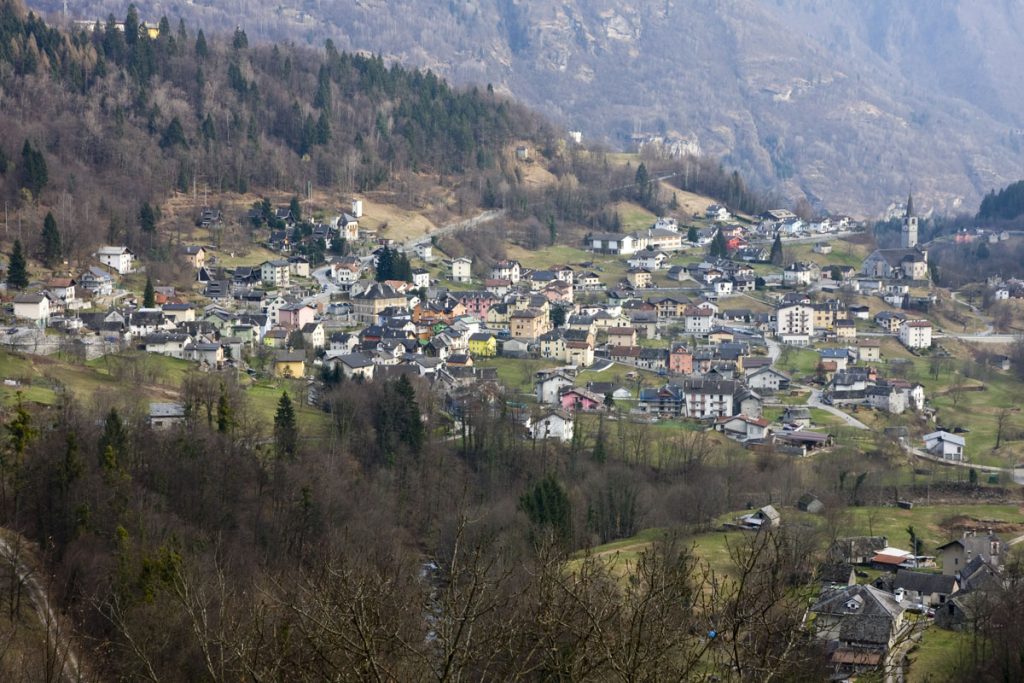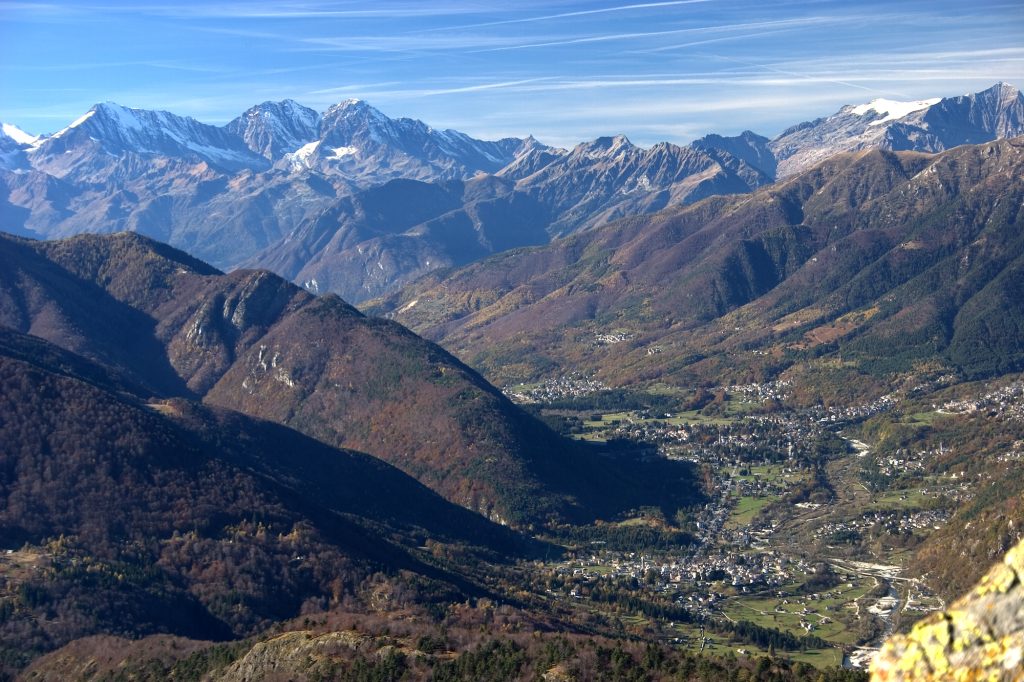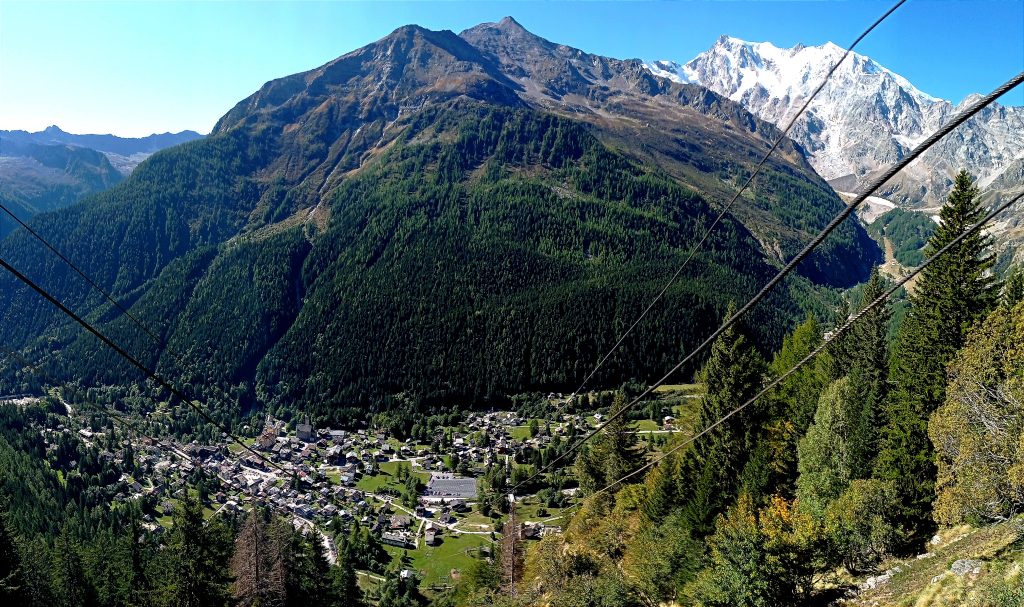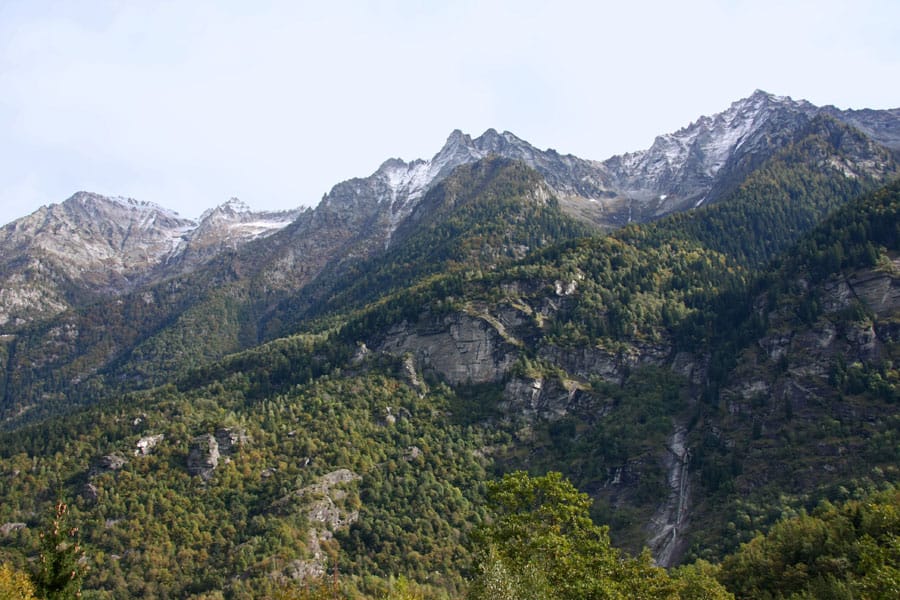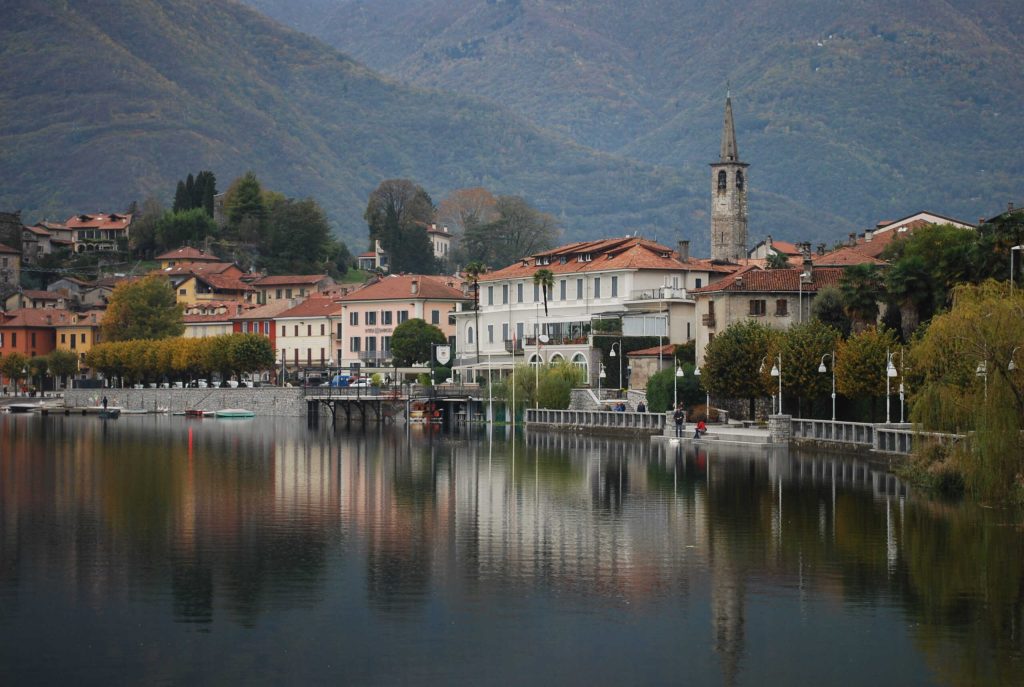
The Val Bognanco is known as the “valley of a hundred waterfalls”, a nickname that aptly describes the abundance of water in this corner of the Val d’Ossola.
Twenty-nine trails among lakes and waterfalls
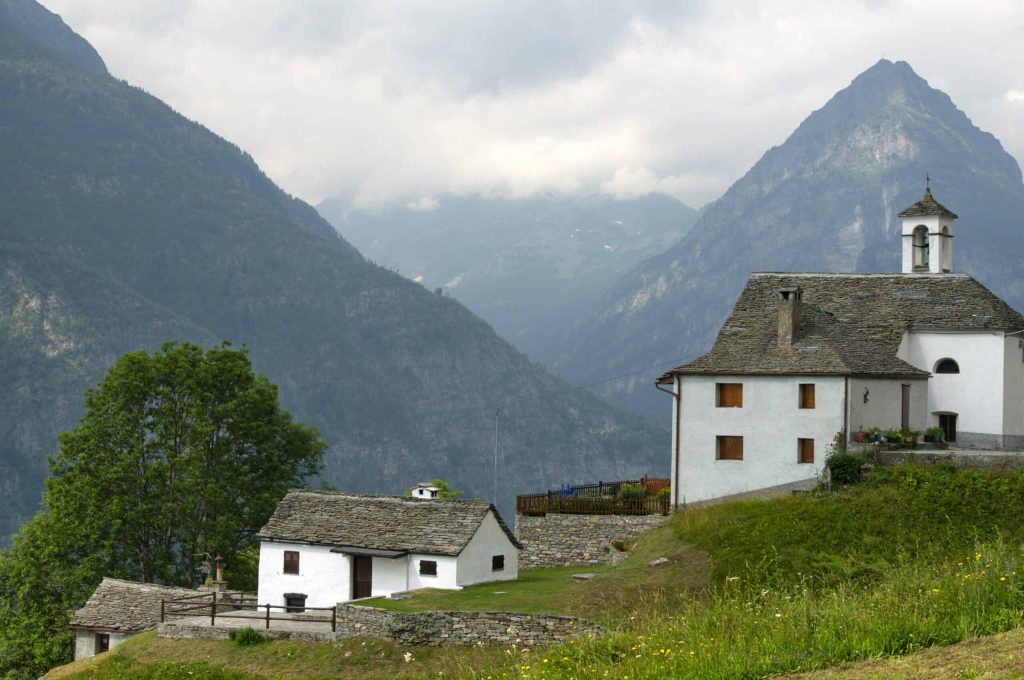
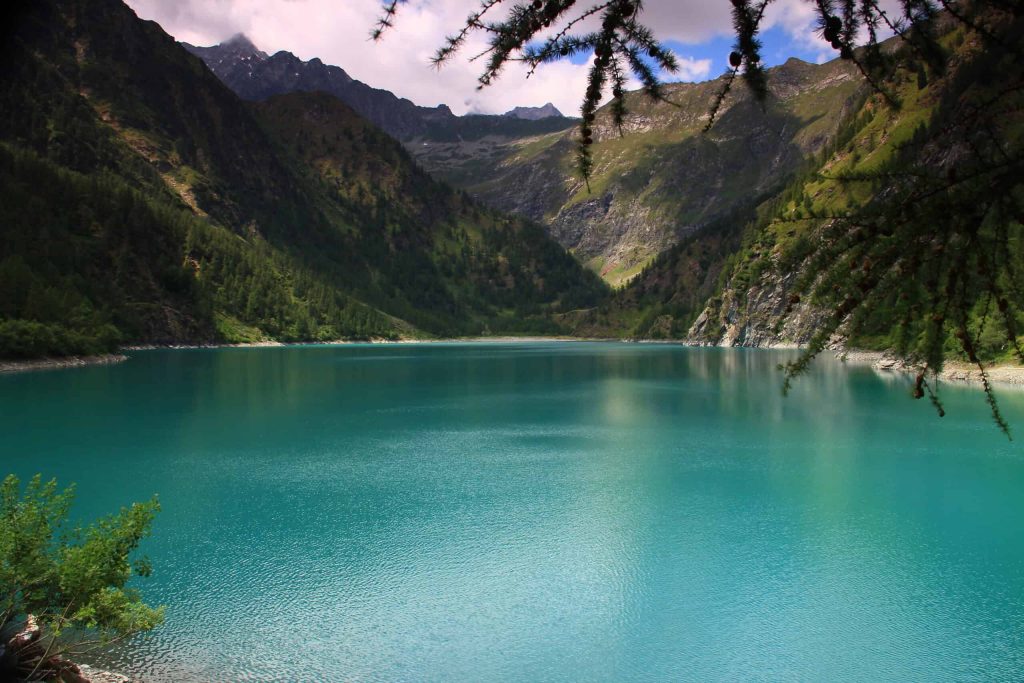
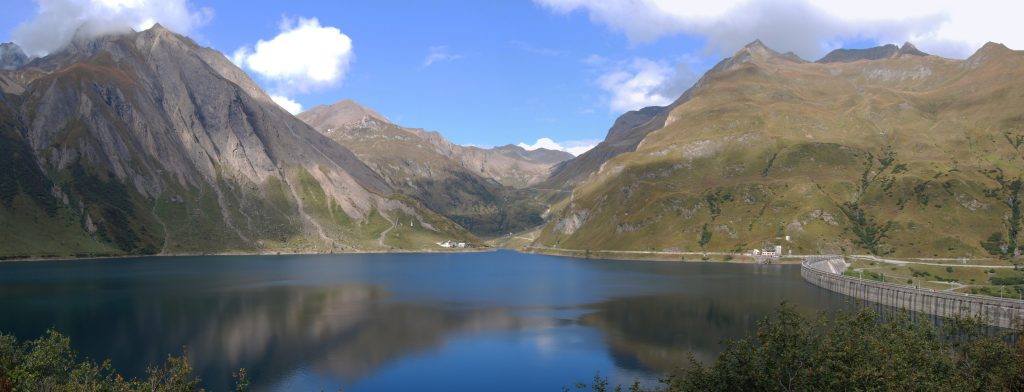
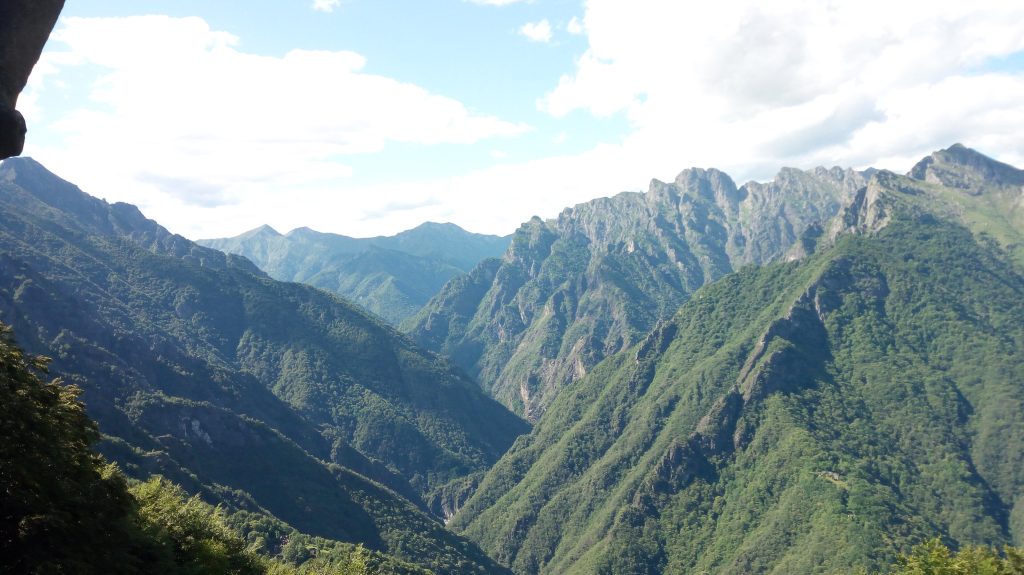
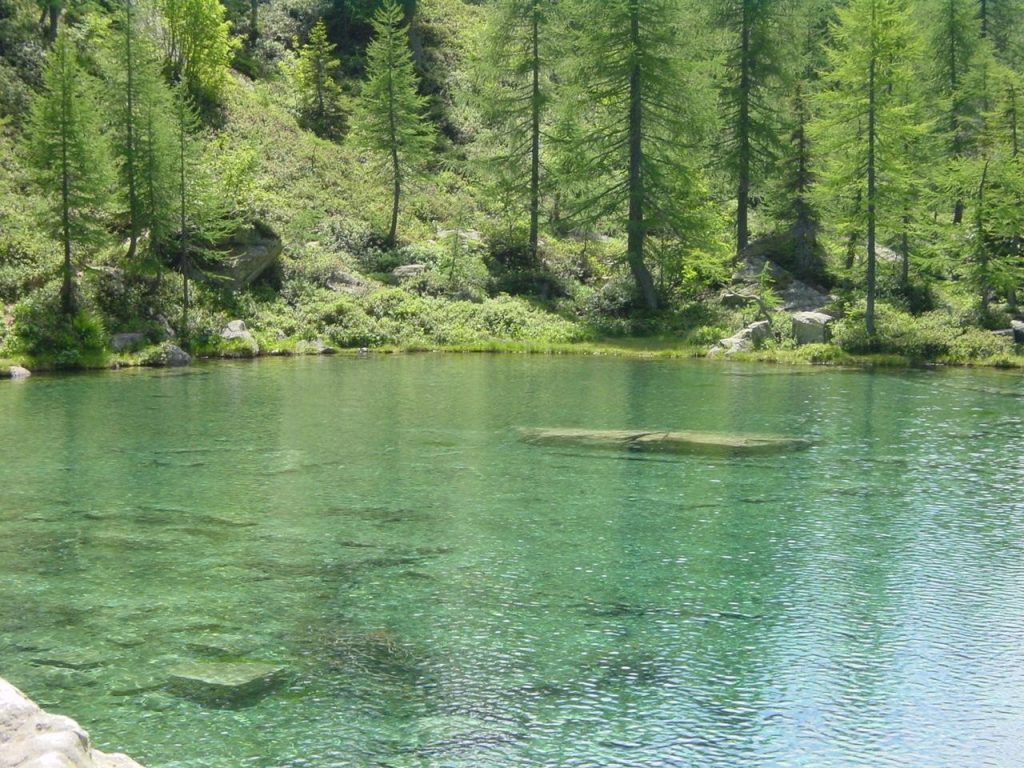
The valley offers twenty-nine hiking itineraries, including trekking routes and cultural walks. Along the trails, you will encounter three alpine lakes, numerous streams and peat bogs, passing through fir and larch forests up to the tree line, before continuing across broad pastures to the Swiss border.
From agricultural valley to spa destination
Over the past two centuries, Val Bognanco has undergone profound transformations: from a predominantly agricultural valley until the end of the nineteenth century, it gradually became associated with mineral waters and finally with its current tourism and nature-focused vocation. It all began in 1863, with the discovery of a small iron-rich medicinal spring, followed in the twentieth century by the construction of the hydrotherapy facility thanks to investments by Emilio Cavallini.
The ancient muleteers’ route
At Monscera Pass, one can still imagine the footsteps of the ancient muleteers who transported goods along this route, preferring it because it was considered easier and safer than the narrow Gondo gorges: a detail that reveals the historical commercial importance of these Alpine passes.
Val Bognanco, between springs and vineyards
The best-known part of the valley from a spa perspective is Bognanco Fonti. To learn more about the valley’s trails and history, the reference is Natura Benessere Cultura.
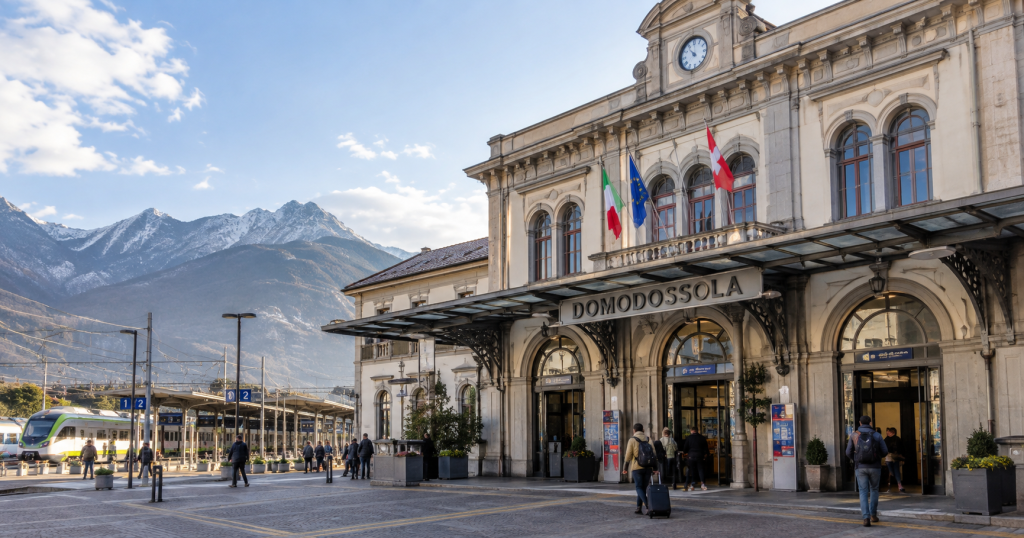
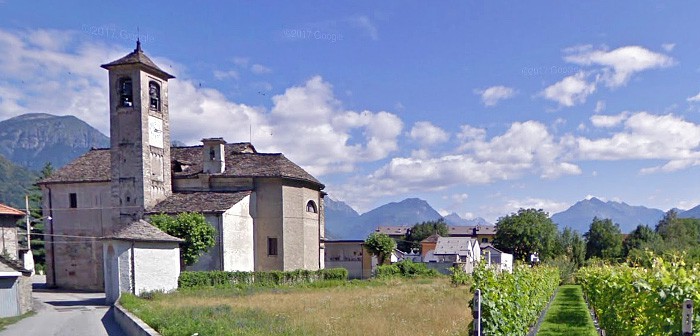
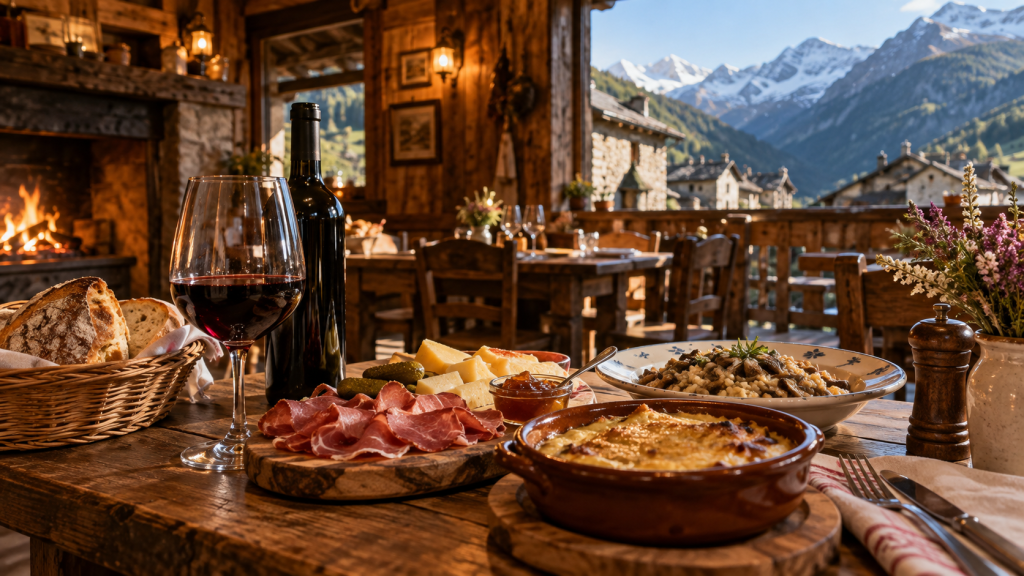
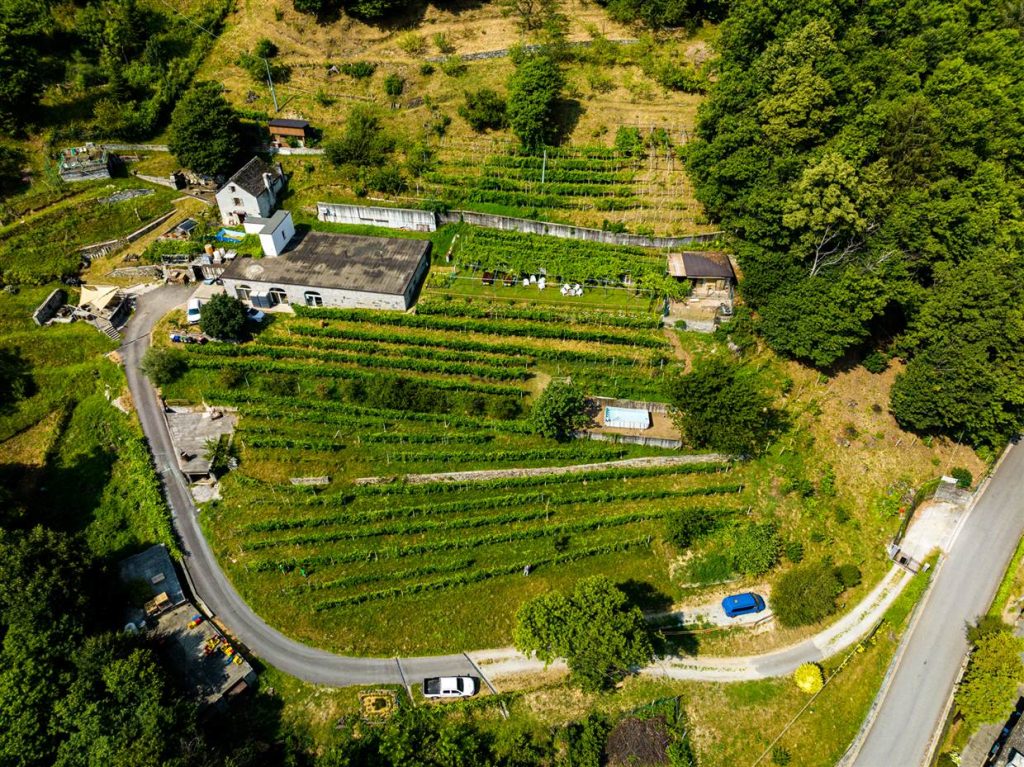
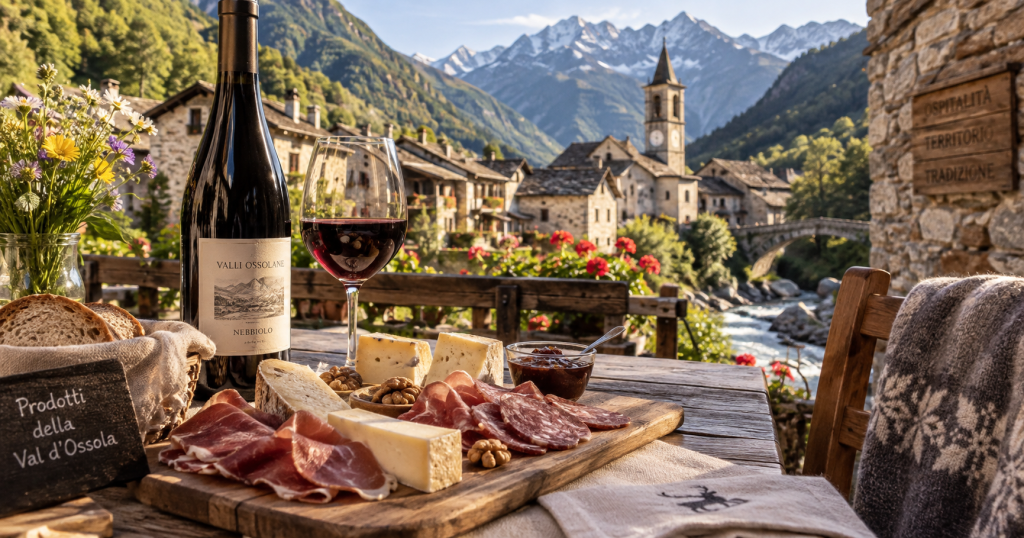
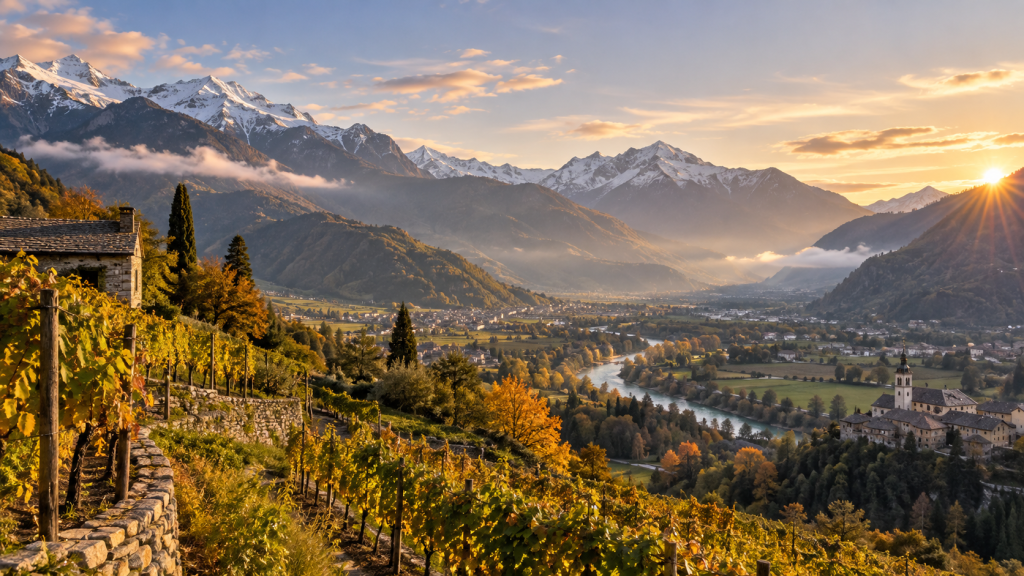
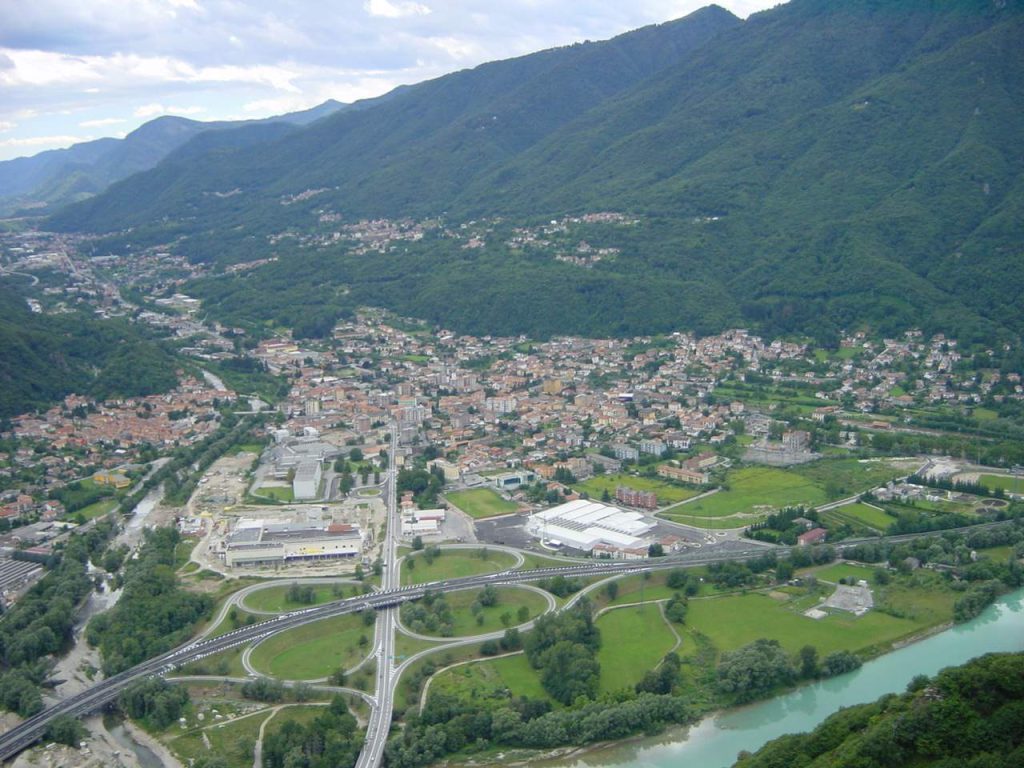
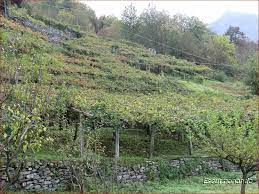
After a hike among the waterfalls, the Ossola valley floor, with its vineyards, is only a short distance away: an opportunity for a tasting.
A water heritage to protect
Val Bognanco’s wealth of water, evidenced by its hundred waterfalls and thermal springs, is also a natural heritage to be carefully protected: local associations and land management bodies work to ensure that this balance between tourism use and environmental conservation can endure over time.
The valley’s lesser-known springs
Beyond the famous springs of Bognanco Fonti, the valley is home to numerous lesser-known springs, often known only to the most experienced hikers: small water sources that feed streams and secondary waterfalls all along the route towards the upper valley, contributing to the extraordinary abundance of water that gave Val Bognanco its nickname.
Monscera Pass and the Paione lakes
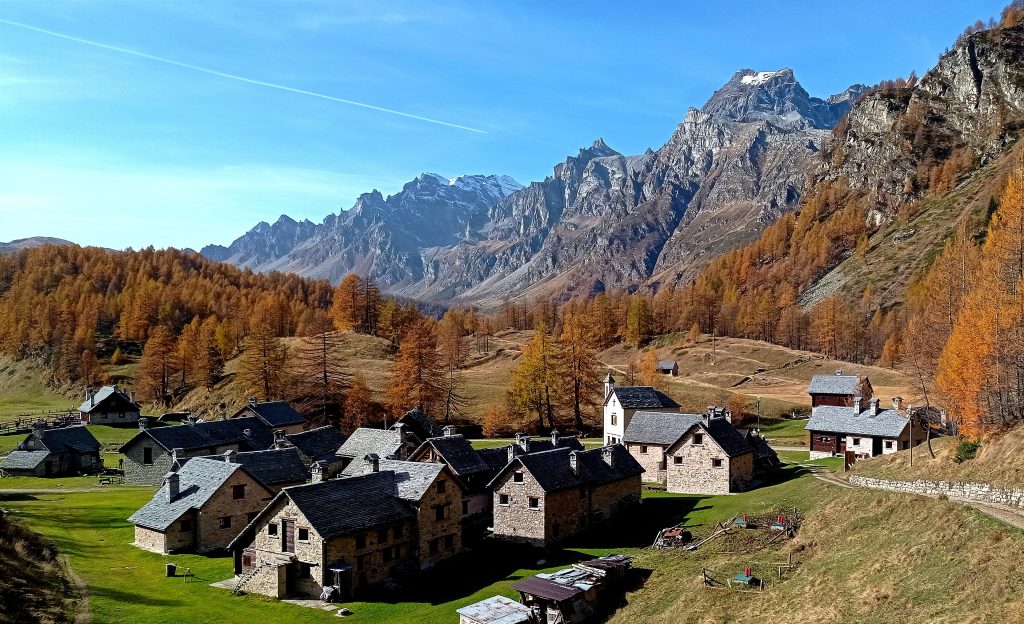
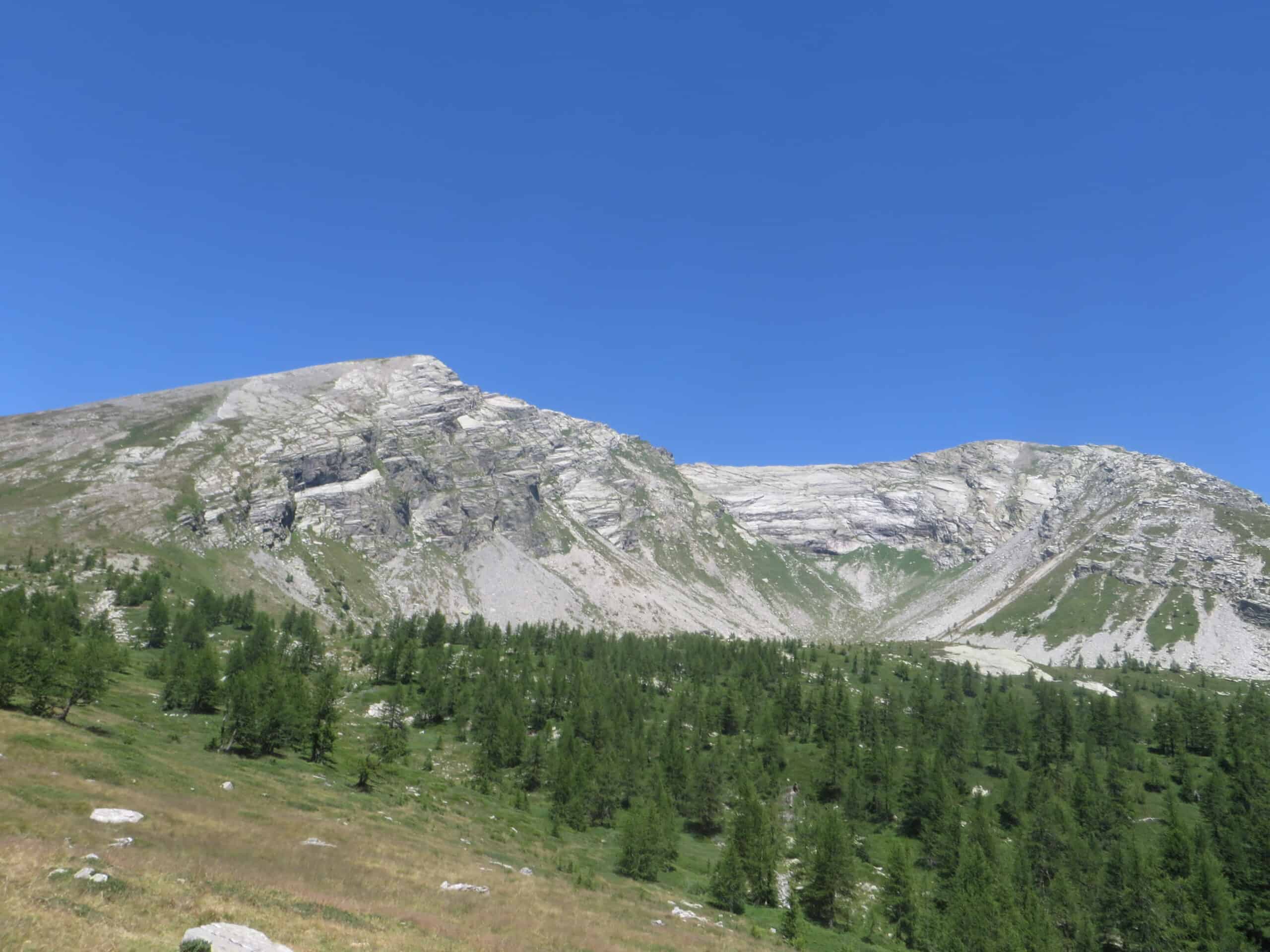
Monscera Pass, at an altitude of 2,103 metres, marks the border between Piedmont and the Swiss Canton of Valais, along a route that local people had already crossed in the Middle Ages to trade and travel between the two valleys. A classic hike in upper Val Bognanco leads to the three Paione lakes, also passing a peat bog, alpine pastures and two mountain huts, with an elevation gain of less than 700 metres: one of the most comprehensive and least strenuous options in the entire valley.
Views of the Swiss peaks
From Monscera Pass, the view opens onto some of the best-known giants of the Pennine Alps: the Weissmies, Lagginhorn and Fletschhorn, all peaks over 4,000 metres, with Monte Leone visible on the clearest days. A panorama that bears witness to Val Bognanco’s privileged position, suspended between Italy and Switzerland.
Those walking these trails for the first time are often surprised by the contrast between the geographical proximity of the Ossola valley floor and the feeling of remote isolation that can already be experienced after just a few hours’ walk, an experience that makes Val Bognanco one of the most underrated valleys in the entire area.
One final recommendation: always bring suitable trekking footwear, even for shorter hikes, given the often uneven terrain typical of this valley.
A valley simply waiting to be discovered at a leisurely pace, one step at a time.
A hundred waterfalls, and a thousand reasons to return.
Trails, springs and silence: Val Bognanco is simply waiting to be experienced.