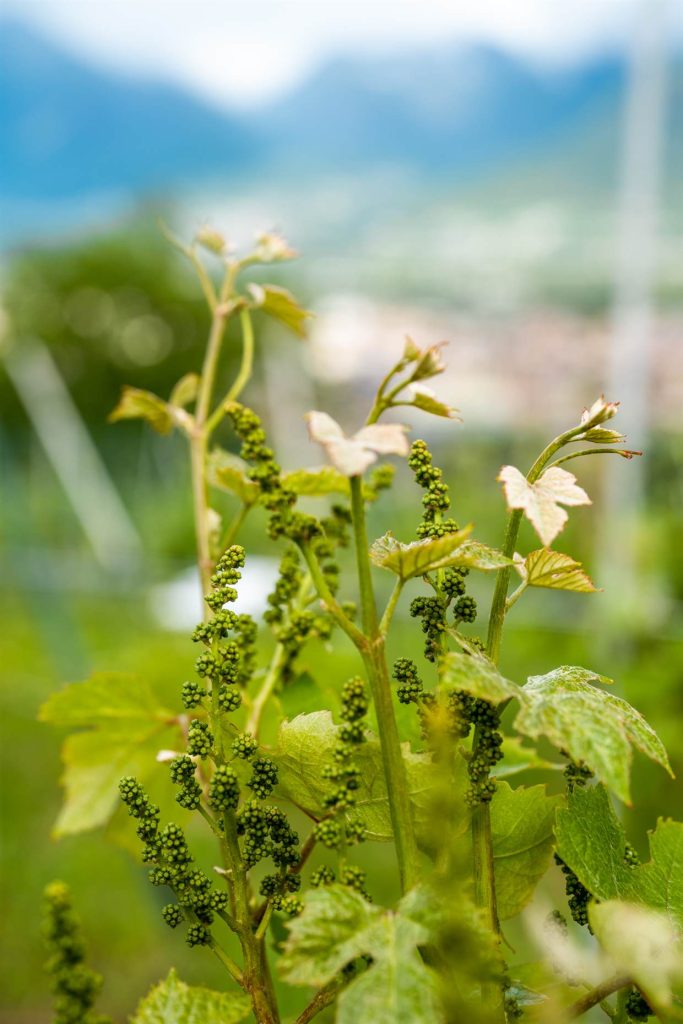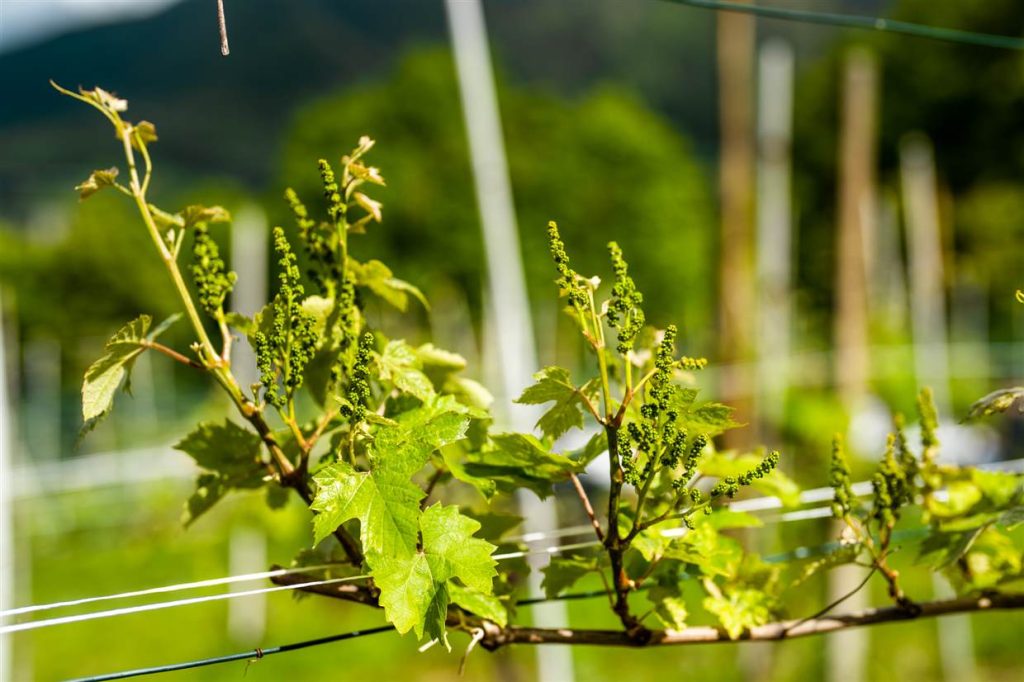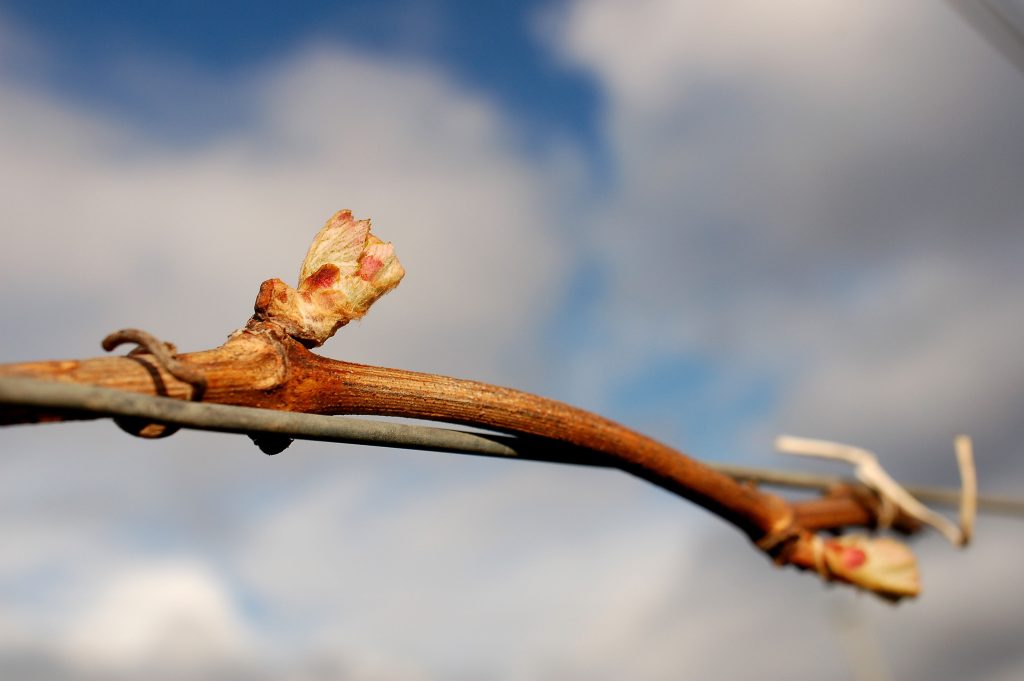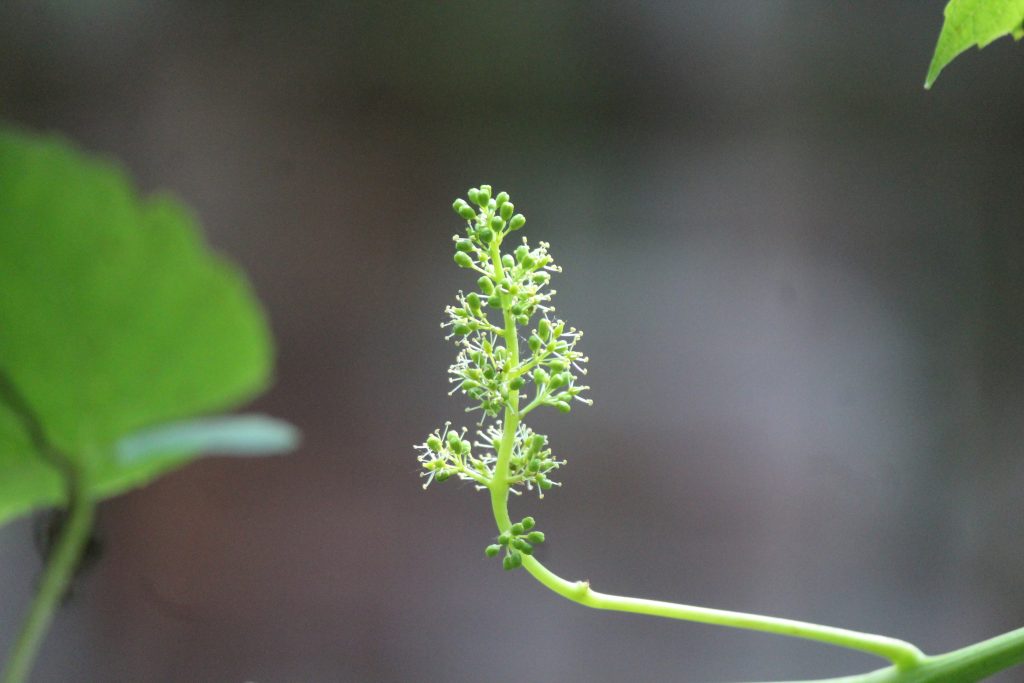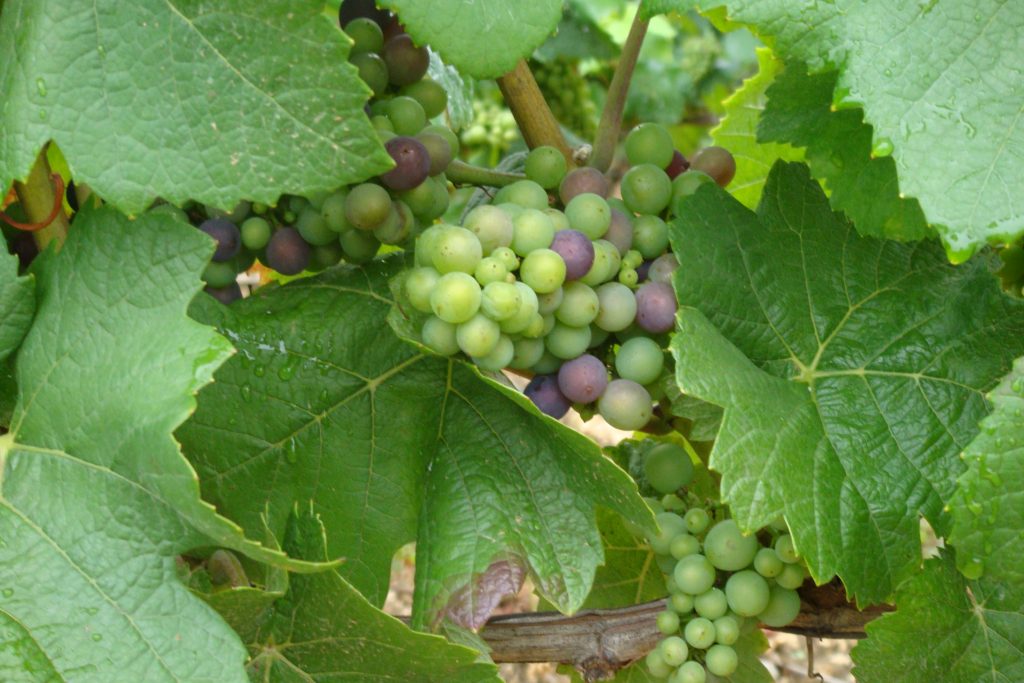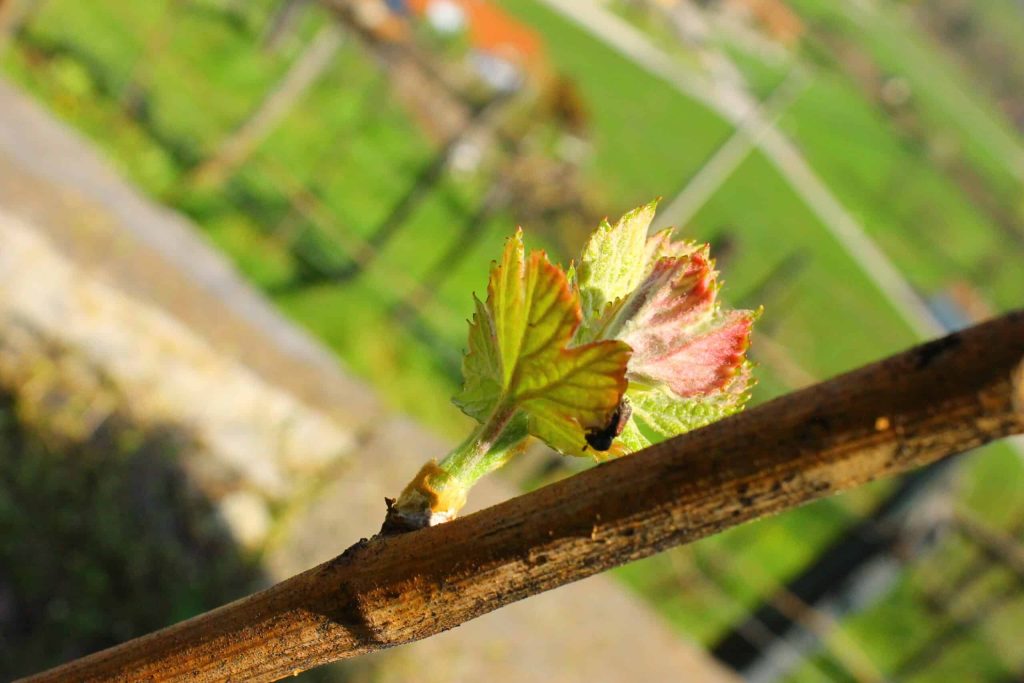
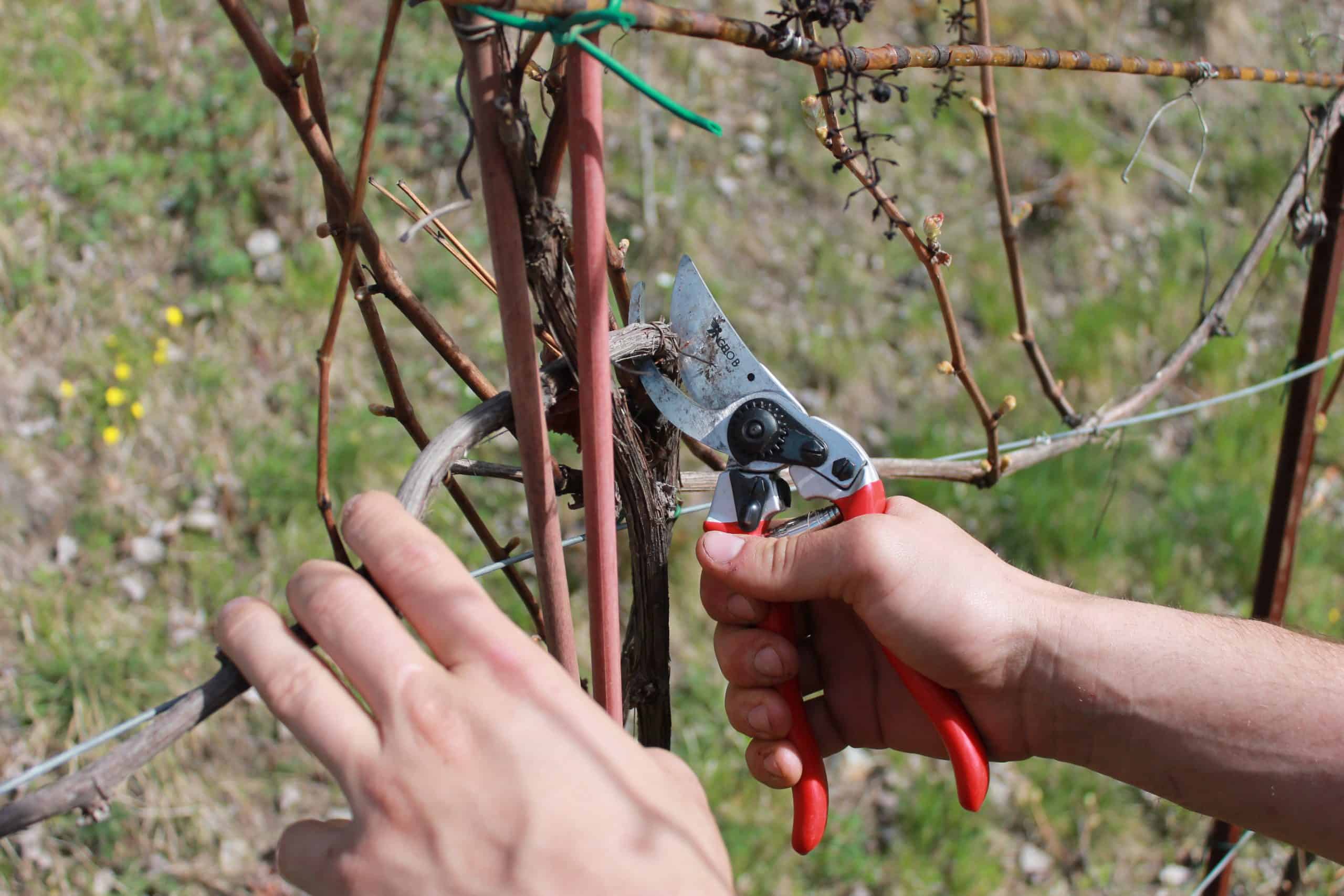
Vine pruning is the act of cutting branches to regulate the plant’s vegetative growth and yield, giving it a defined shape. The vine is, in fact, a climbing plant that grows upwards in a disorderly manner: without guidance, it would grow uncontrollably, to the detriment of grape quality.
The Guyot system
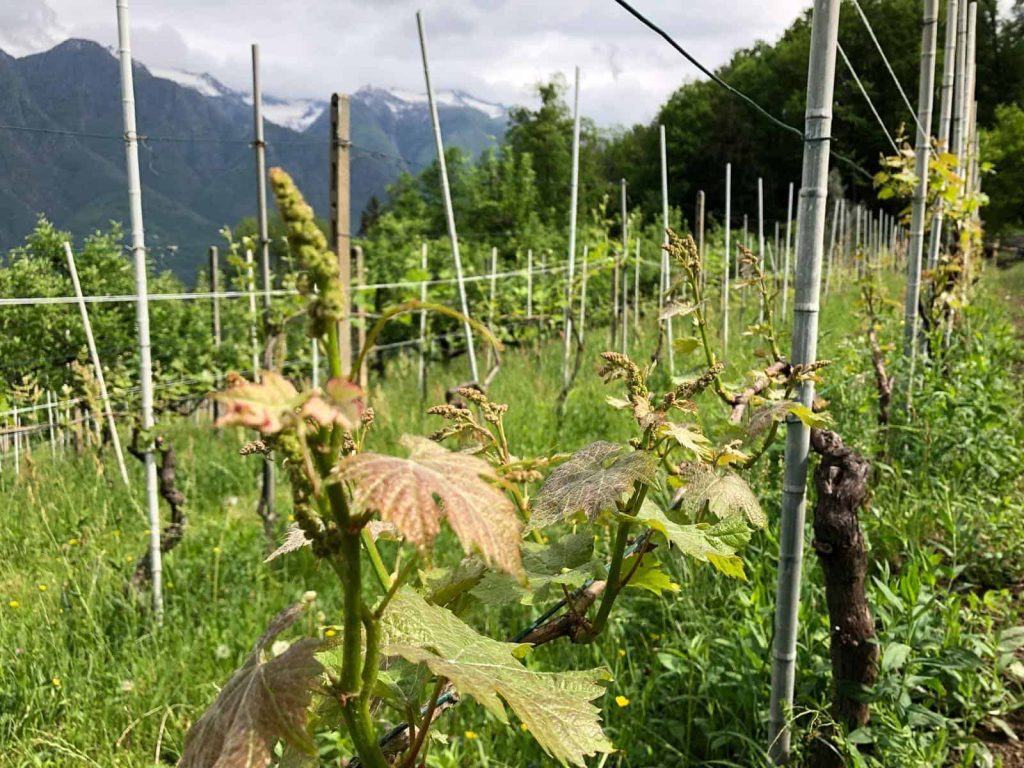
The most widespread training system in the world is Guyot, invented by the French winegrower Jules Guyot in the second half of the nineteenth century, a system particularly suited to vineyards producing wine grapes. It is a low-expansion training system, with support posts standing 1.80 metres high and holding three wires. The trunk height ranges from 30 to 100 centimetres, with a fruiting cane bearing 6–12 buds bent horizontally and a spur with 1–2 buds, while the fruit-bearing shoots are fixed to the support wires above the cane. This system provides excellent leaf exposure and good production quality.
Spur-pruned cordon
Another very common system is the spur-pruned cordon, in which the vine is trained by maintaining a permanent horizontal arm, known as the cordon, from which short spurs with 1–2 buds each grow every year. Compared with Guyot, spur-pruned cordon requires fewer manual interventions from season to season, but it must be carefully managed to prevent old wood from moving too far away from the main trunk over the years.
The toppia system
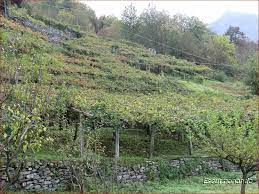
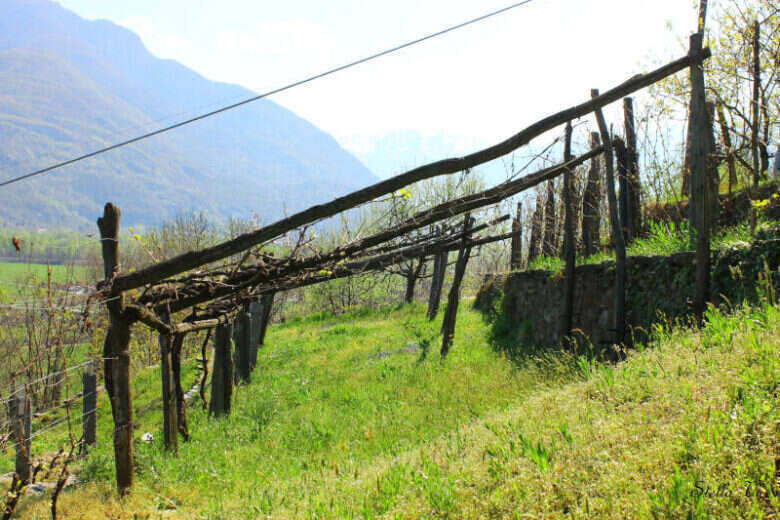
Another historic method is the pergola: the vineyard consists of vertical posts supporting a horizontal or sloping framework, to which the wires holding the fruiting branches are attached. The Ossola variation is called “toppia” or “topia”: the plant is supported by monolithic columns made from local stone, readily available thanks to the many quarries in the area, with chestnut-wood beams above supporting the canes. This system is suited to well-exposed, well-ventilated vineyards, as it protects the grapes from excessive rain, sun and wind. In Ossola, this technique was probably adopted because of the steep terrain, which made it more practical to use vertical space rather than traditional rows. Both the support posts and the wooden beams must be custom-made according to the characteristics of each individual vineyard.
A balance between vegetation and fruit
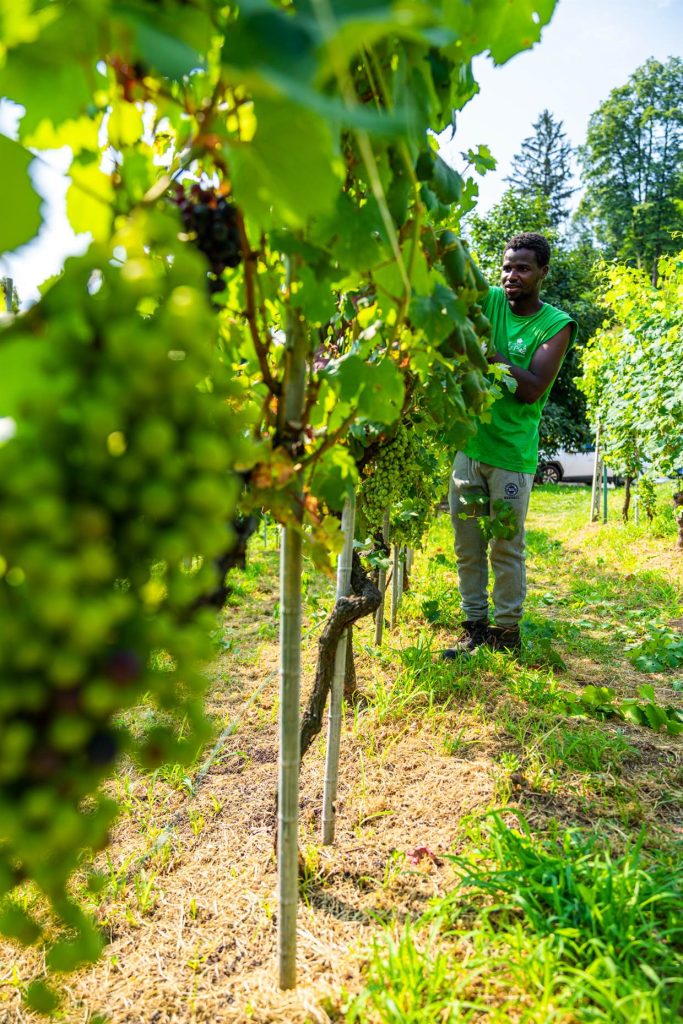
Whatever training system is chosen, pruning remains an action of utmost importance for the health and productivity of the vine: the aim is to maintain a balance between the plant’s vegetation and its fruit, an essential condition for achieving good grape quality. A vine left to grow unchecked would tend to produce a great deal of wood and foliage at the expense of the concentration of sugars and aromas in the grapes.
See pruning up close
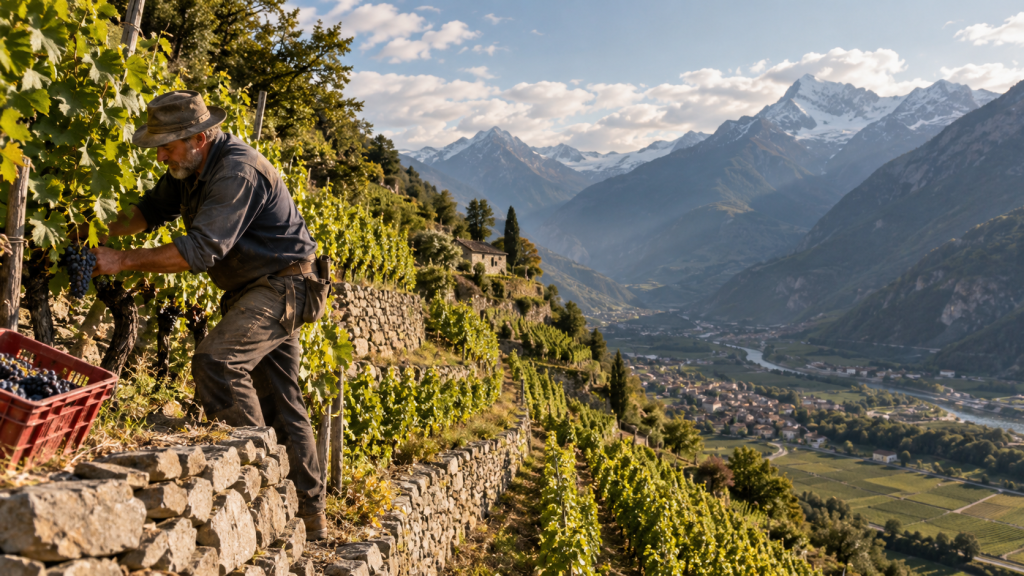
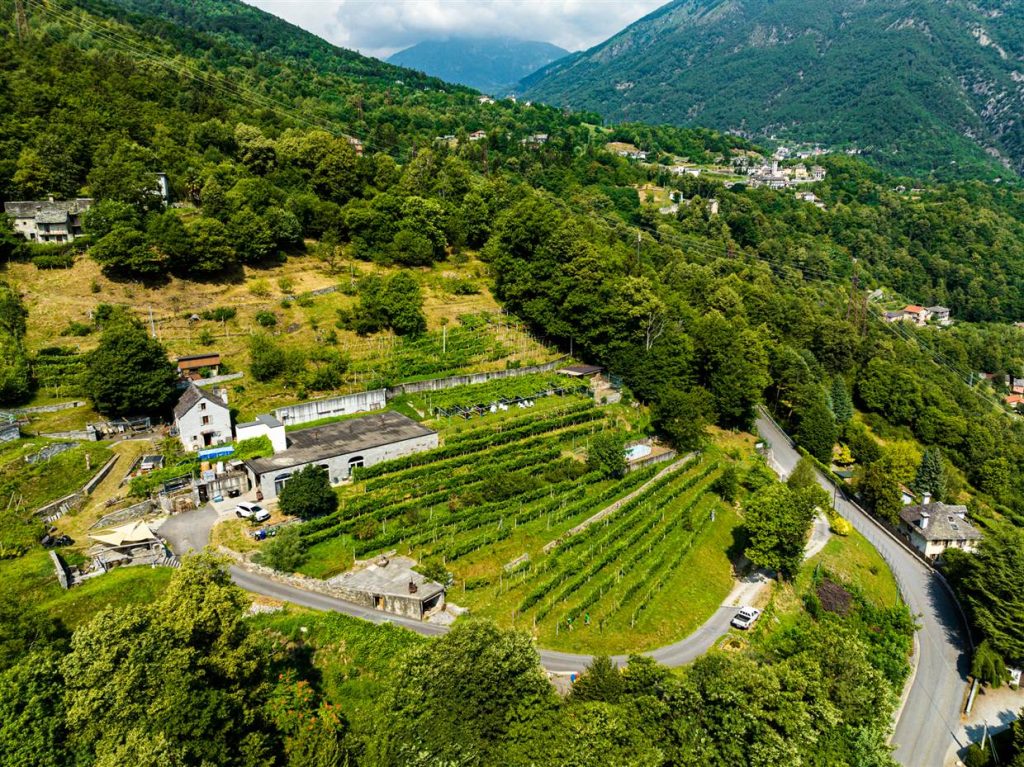
Training systems also tell the story of an area: the Ossola toppia, in particular, is a direct response to the steep morphology of Val d’Ossola, as explained in the article on heroic viticulture.
You can book a tasting to find out more about the subject and visit our vineyards in person: we will enable you to gain a better understanding of these techniques by observing them directly in the field.
Whether it is Guyot, spur-pruned cordon or toppia, each training system ultimately represents a different answer to the same question: how best to balance the plant’s natural vigour with the quality of fruit to be achieved, taking into account the specific characteristics of the area in which the vine is grown.
Finally, it should be remembered that the choice of training system is never final: over the years, a winegrower may decide to convert a vineyard from one technique to another, based on the experience gained and the specific production needs that emerge over time, in a process of continuous adaptation that has always characterised work in the vineyard.