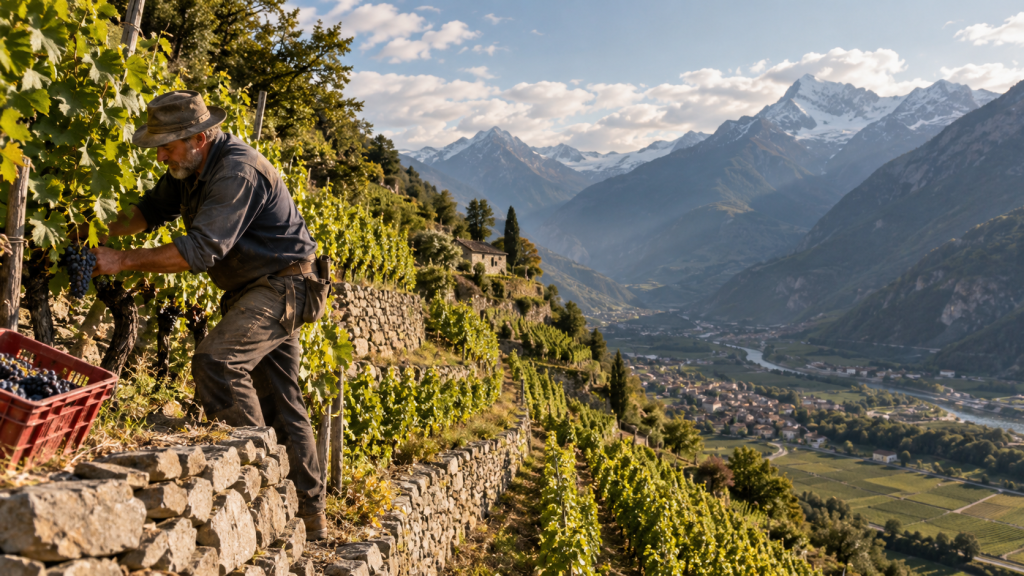
The completion of the ripening process of wine grapes on the vine signals the start of the harvest.
Determining the optimum point of ripeness for harvest is one of the crucial decisions in the entire winemaking process.
While grapes are at the veraison stage, the sugars in the grapes increase while acid levels decrease. The balance between sugars, which will influence the potential alcohol content, and acidity is one of the most critical aspects in the production of quality wine. Once the fruit has been harvested, in fact, the physical and chemical components of the grapes that will influence the quality of the wine are established.
The stages and timing of grape ripening
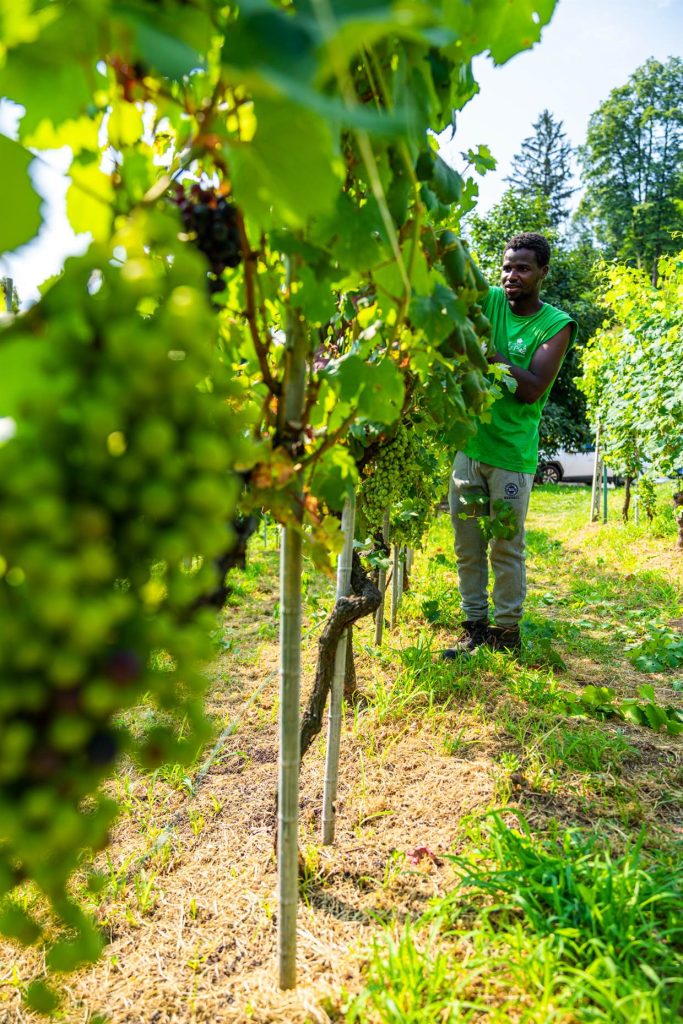
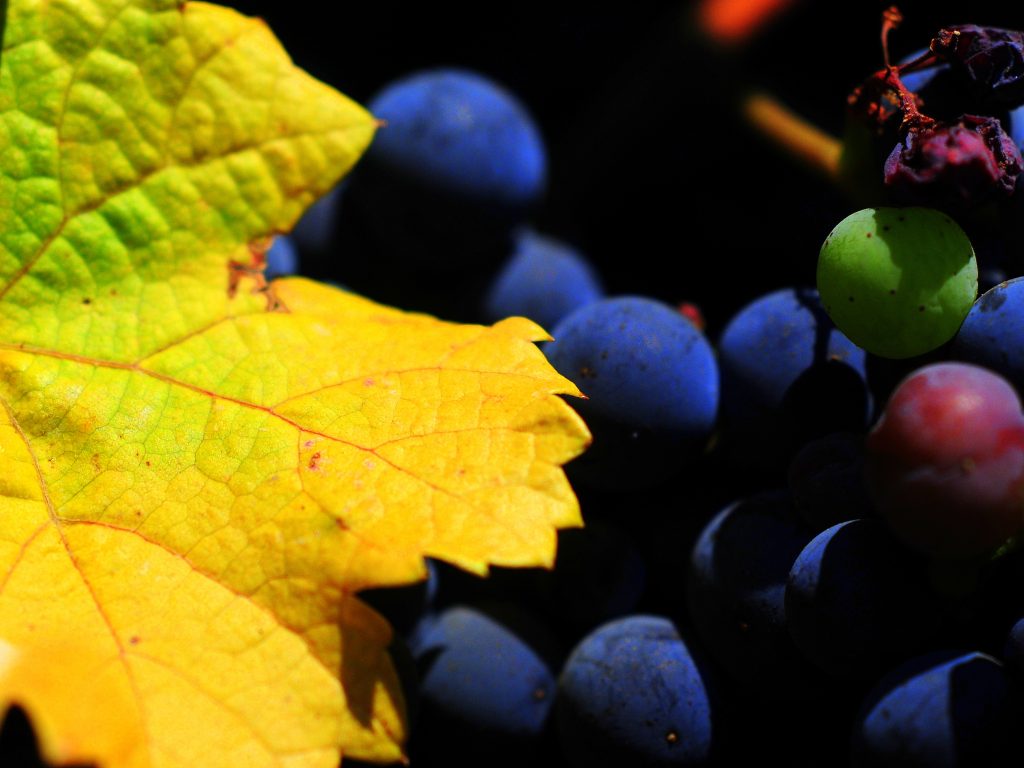
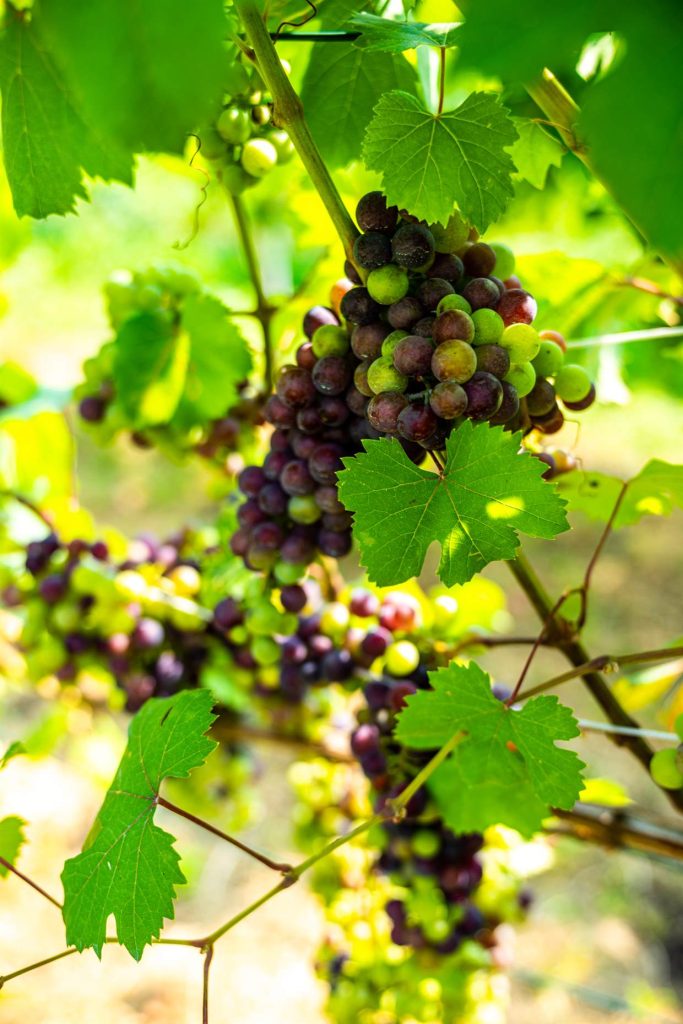
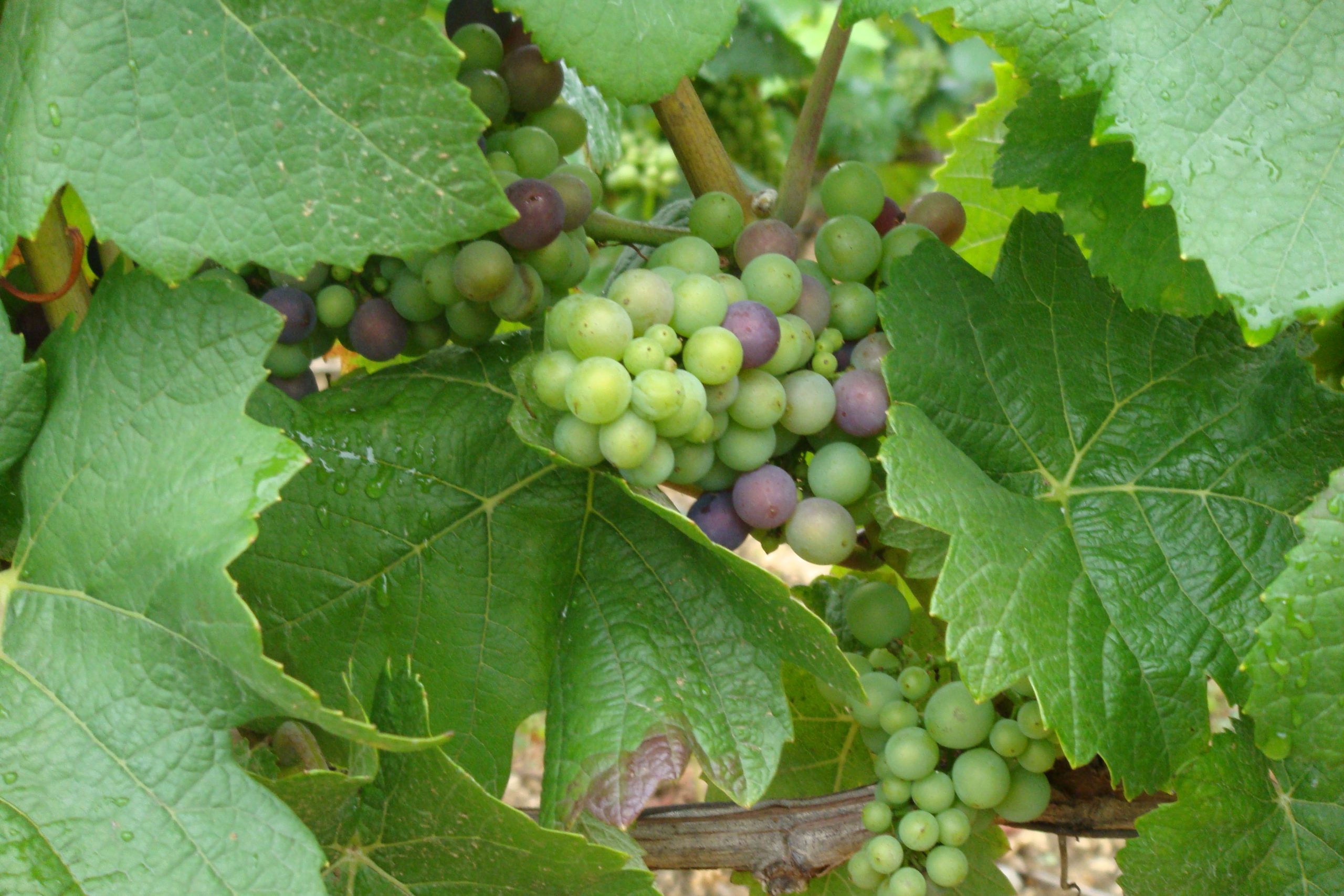
After fruit set, the berries are hard and green, with low sugar levels and high acidity. During veraison, grapes undergo numerous changes that affect the balance of sugars, acids, tannins and minerals. This phase can last from 30 to 70 days depending on the climate and other factors. Gradually, the concentration of phenolic compounds in the skin, particularly anthocyanins in red wine grapes, replaces the green colour of chlorophyll, the berries change colour.
In the past, ripening was understood to mean the cessation of the vascular connection between the vine and the berry. The point at which the fruit stopped absorbing the sap produced by the plant represented the concept of the grape’s “physiological” ripeness.
Today, the right point of grape ripeness is defined by the characteristics desired in the wine being produced and, therefore, by the technical judgement of the oenologist and winegrower.
The characteristics of grape ripening
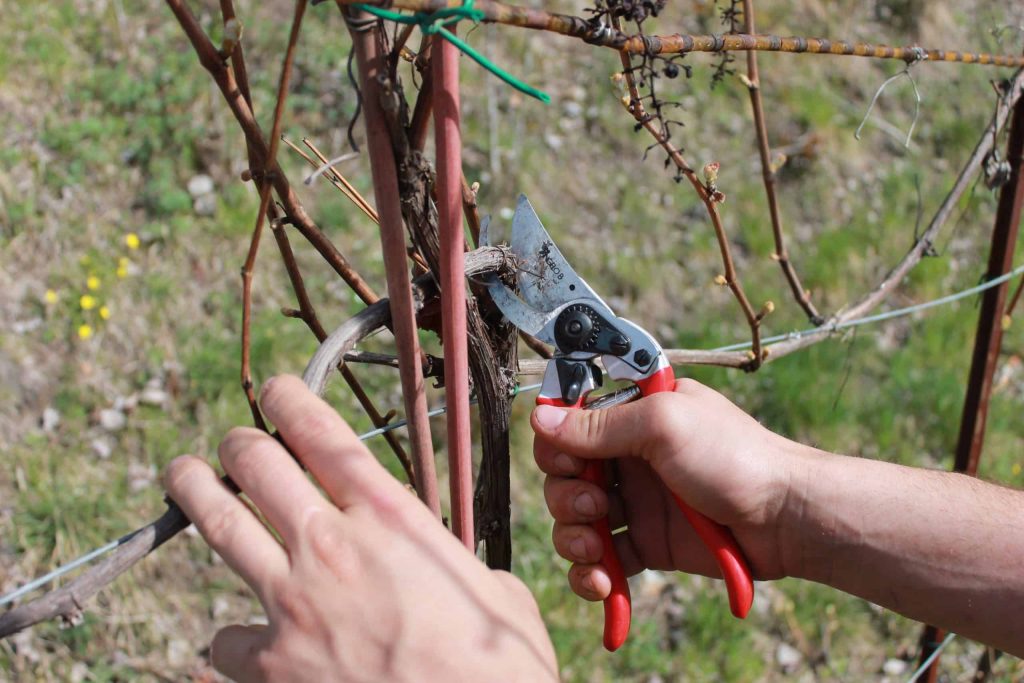
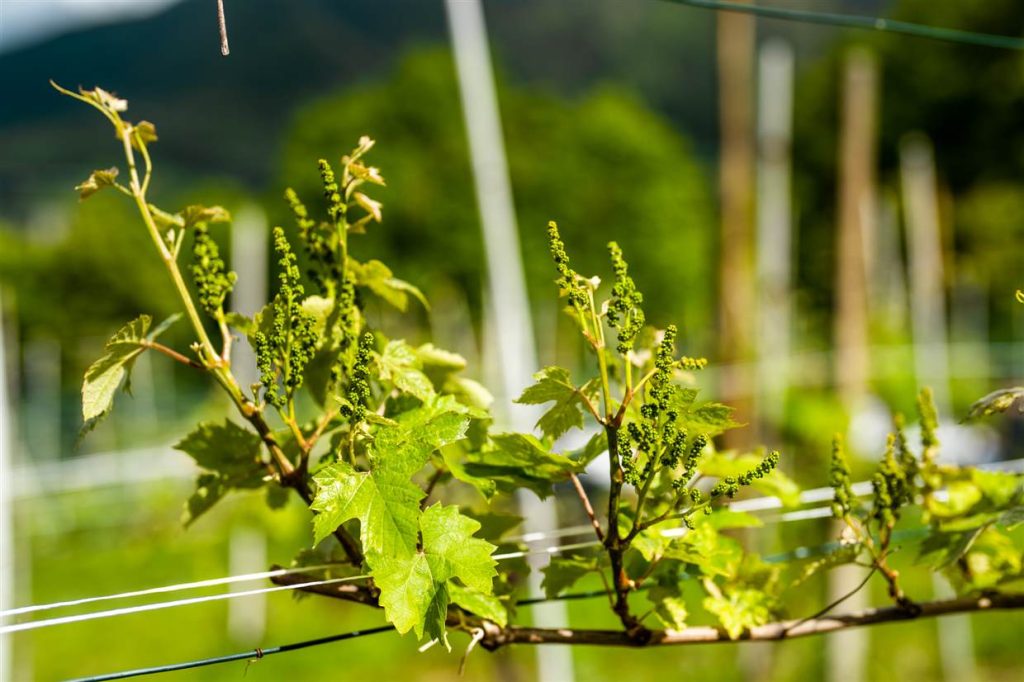
The increase in sugars in grapes results from the circulation within the plant of carbohydrates stored in the roots, as well as those produced through the process of photosynthesis. The sucrose produced by photosynthesis is transferred from the leaves to the berries, where it is broken down into glucose and fructose molecules. The rate of this accumulation depends on several factors, primarily the climate and the duration of exposure to sunlight, as well as the quantity and size of the grape bunches on the plant. The number of young shoots still in the early stage of their development, which compete with the fruit for nutrients, is also decisive. For this latter reason, vine pruning plays a fundamental role in the timing of grape ripening in relation to the final quality of the wine,
As the concentration of sugars increases, the presence of acids decreases partly due to simple dilution, but also to the consumption of acids in the plant respiration process. The decrease in free acids, as well as the accumulation of minerals, causes an increase in the pH level of the juice contained in the grape berry.
The colour of the berries begins to change due to the accumulation of phenolic compounds such as anthocyanins in the skins. Flavonoids and volatile compounds that contribute to the wine’s final flavour and aroma also begin to accumulate in the skins and pulp. In addition, the concentration of tannins increases in the skin, seeds and stems. If these tannins are rather bitter at the start of the grape ripening process, exposure to sunlight changes them until they are able to give the wine the right tannin content.
Different ripeness levels for different wines: sugars and alcohol
Although the climate and the particular grape variety play a role in determining the harvest date, defining the right point of ripeness depends, as mentioned above, on the views of winegrowers and oenologists, in relation to the type of wine produced. The style of wine is in fact determined largely by the balance between sugars and acidity.
Since sugars in grapes increase during ripening, the desired level of sweetness and potential alcohol content will play a considerable role in determining when a grape is sufficiently “ripe”.
Sugars are converted by yeast into alcohol through the fermentation process: the higher the concentration of sugars in the grapes, the greater the potential alcohol content. However, most wine yeast strains struggle to survive in an alcoholic solution with an alcoholic strength (percentage of alcohol by volume – alcohol by volume “ABV”) above 15%, and they stop fermentation before all the sugar has been converted into alcohol. This leaves a certain amount of residual sugar that affects the wine’s sweetness level. Wines intended to be sweet, such as dessert wines, are often late-harvest wines. The grapes are harvested at an advanced stage of ripeness, when the concentration of sugars is higher. Significantly later than when grapes intended for ordinary table wine are harvested.
Unripe grapes for sparkling wines
For other types of wine, such as sparkling wines and Champagne, retaining a certain amount of acidity in the grapes is important for the winemaking process. Since acid concentration decreases as grape ripening progresses, grapes intended for sparkling wines are often among the first to be harvested in the vintage. Grapes at an early stage of ripeness, with their high acidity and low sugar levels, would be too unripe for many table wines, but it is precisely this particular balance of sugars and acids that makes not fully ripe grapes suitable for producing a good sparkling wine.
Find out more
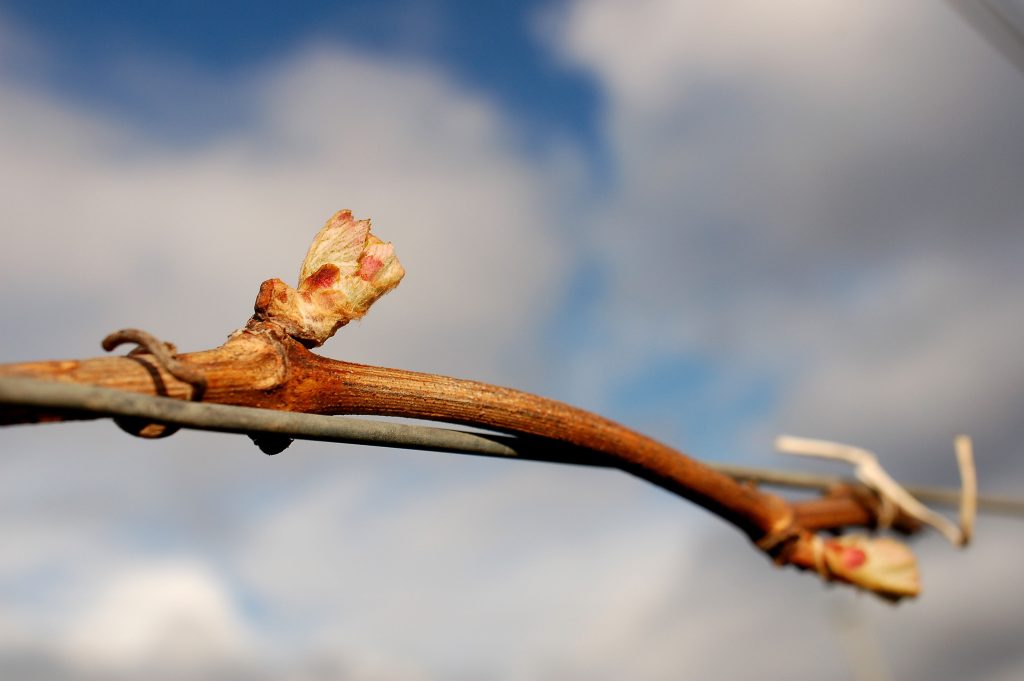
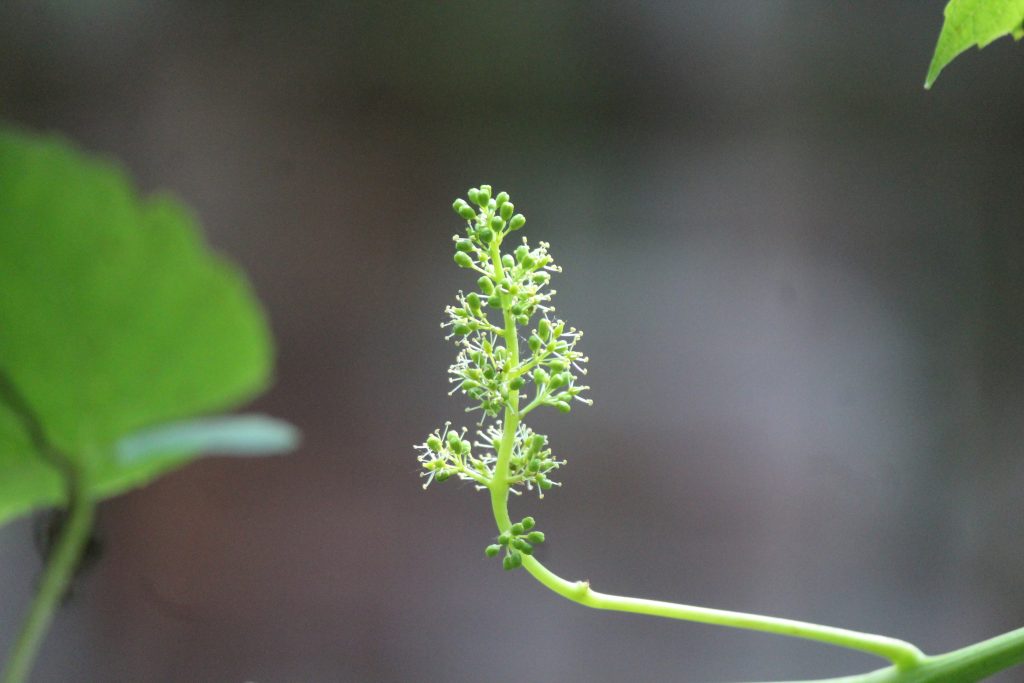
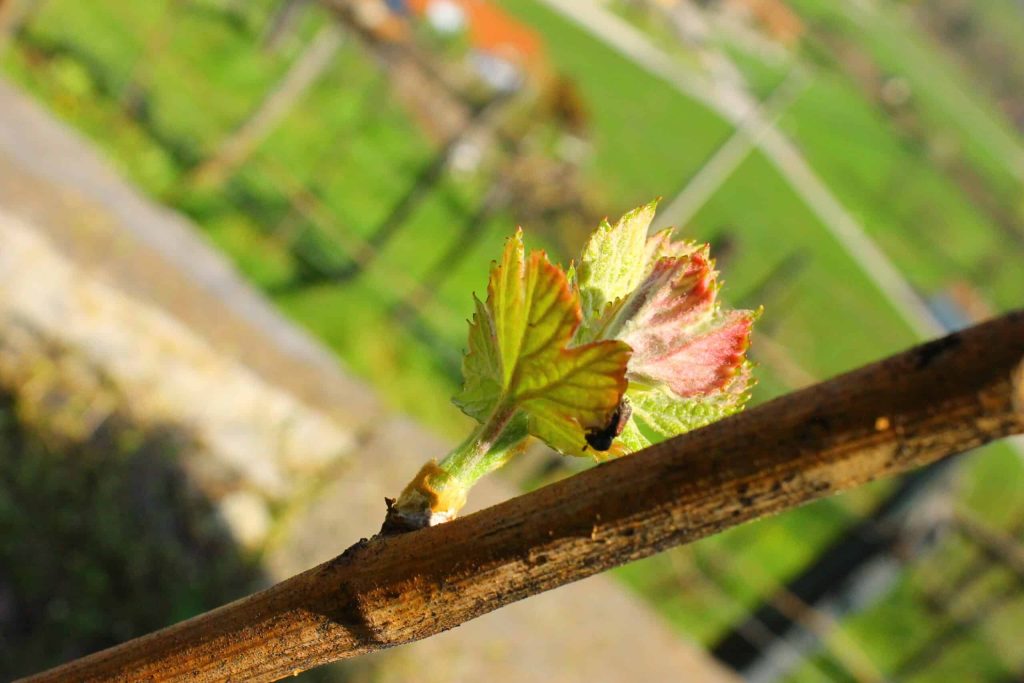
The stages linked to ripening: grape veraison, the harvest, vine budburst.