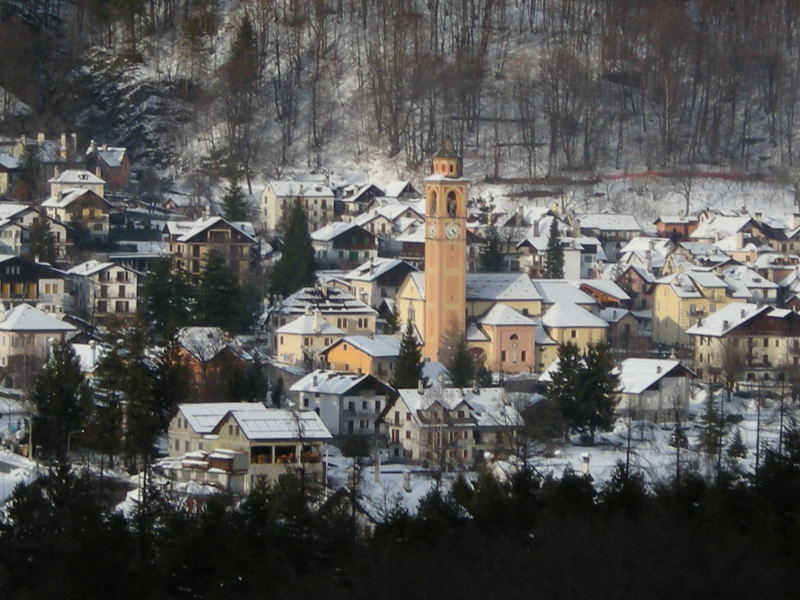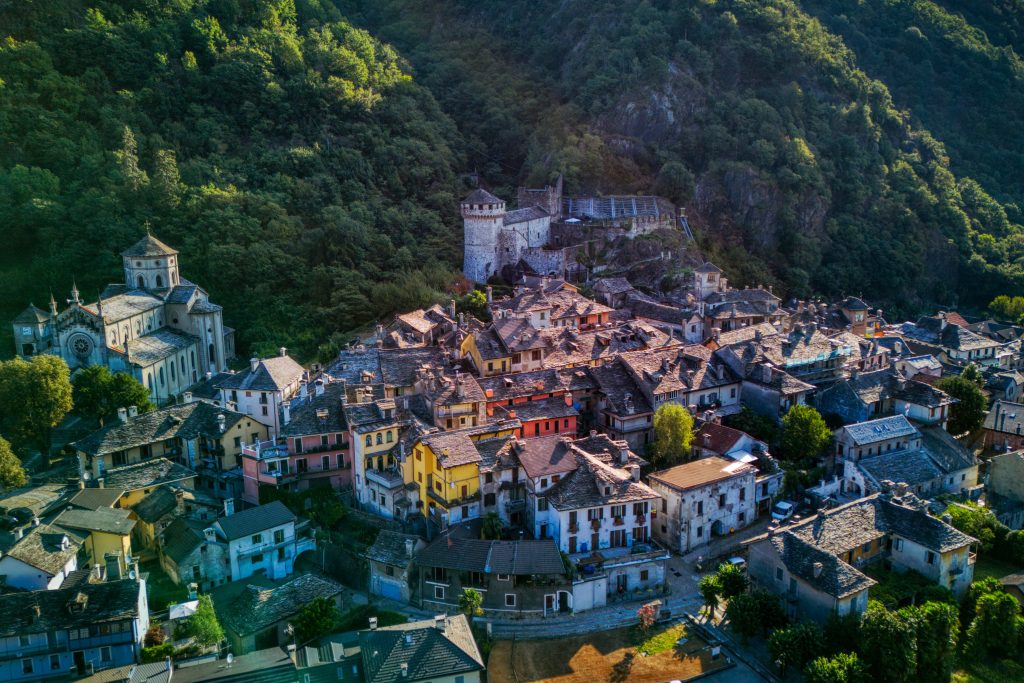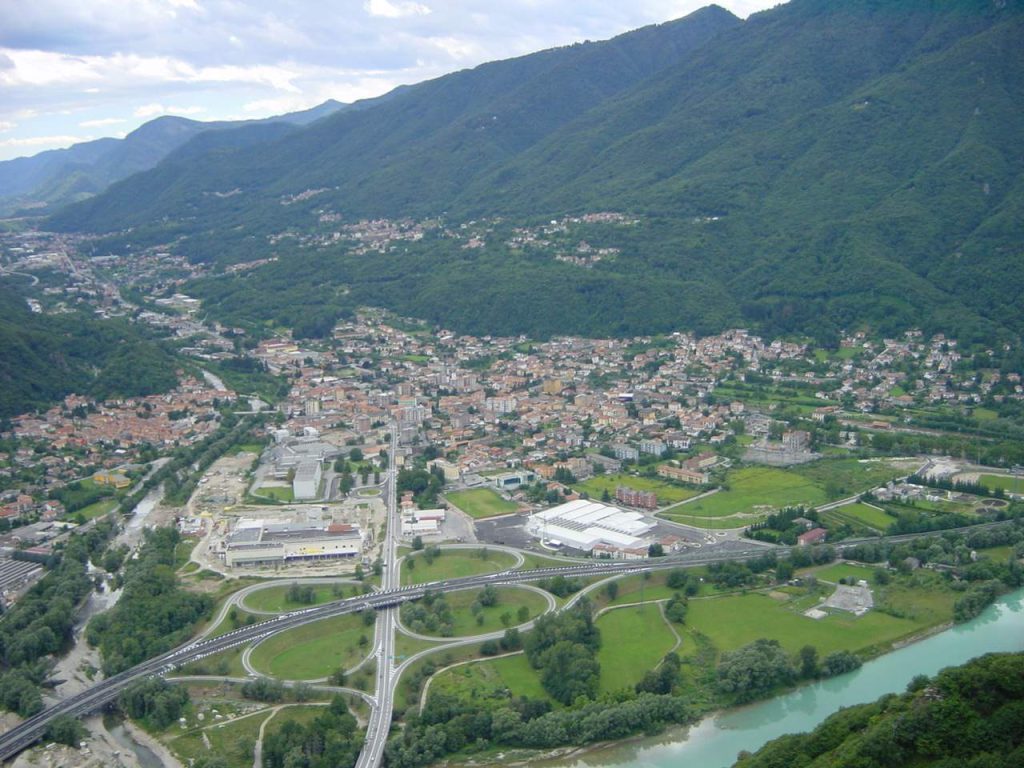
Villadossola is home, at the entrance to the Antrona Valley, to one of the most important Romanesque monuments in the entire Ossola Valley: the Church of San Bartolomeo. However, its more recent history also tells a remarkable industrial story.
One of the masterpieces of Ossola Romanesque architecture
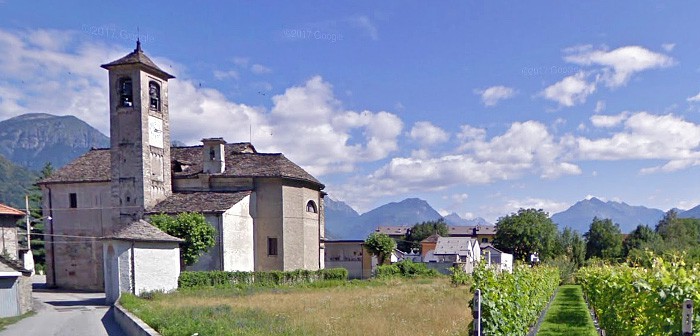
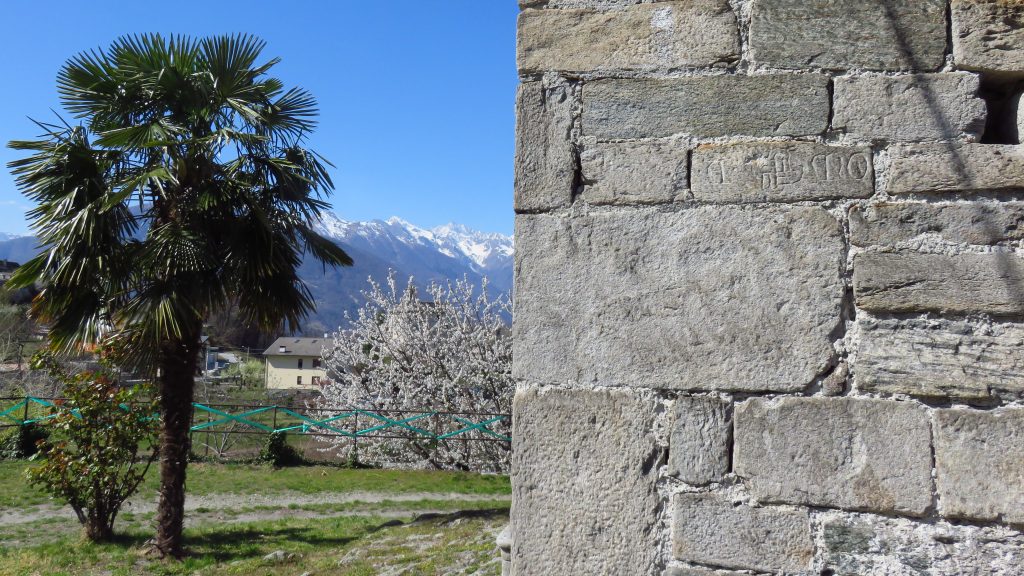
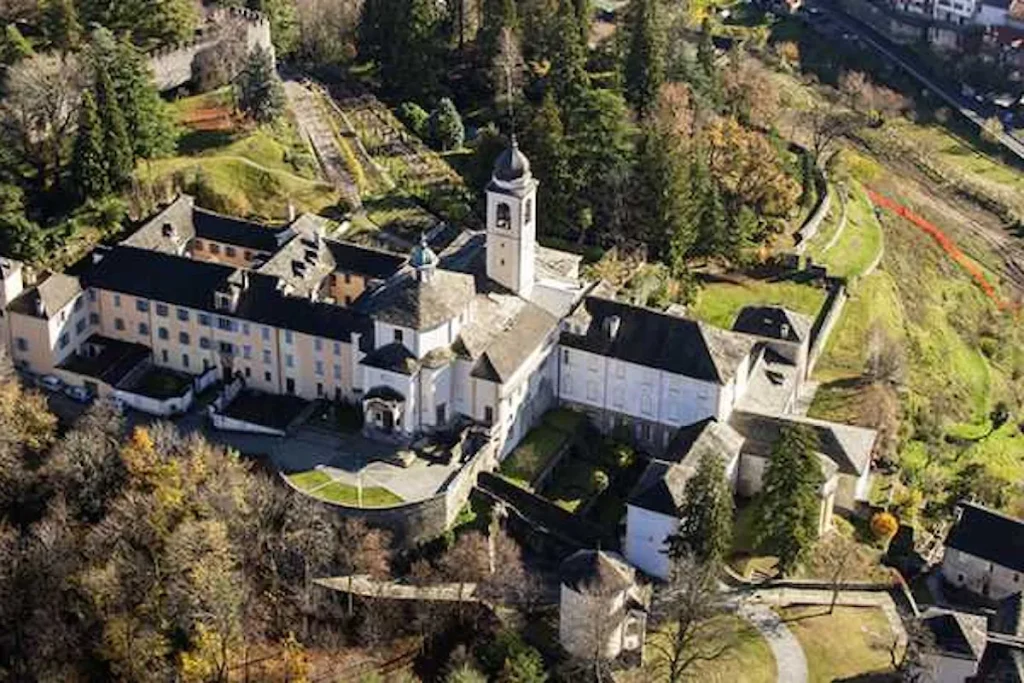
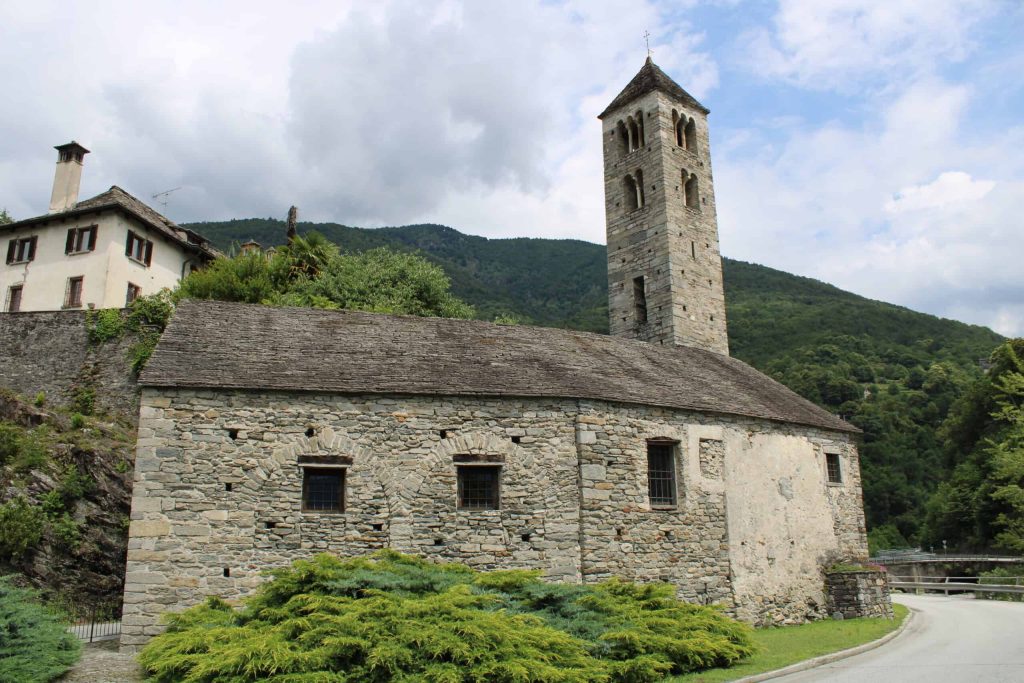
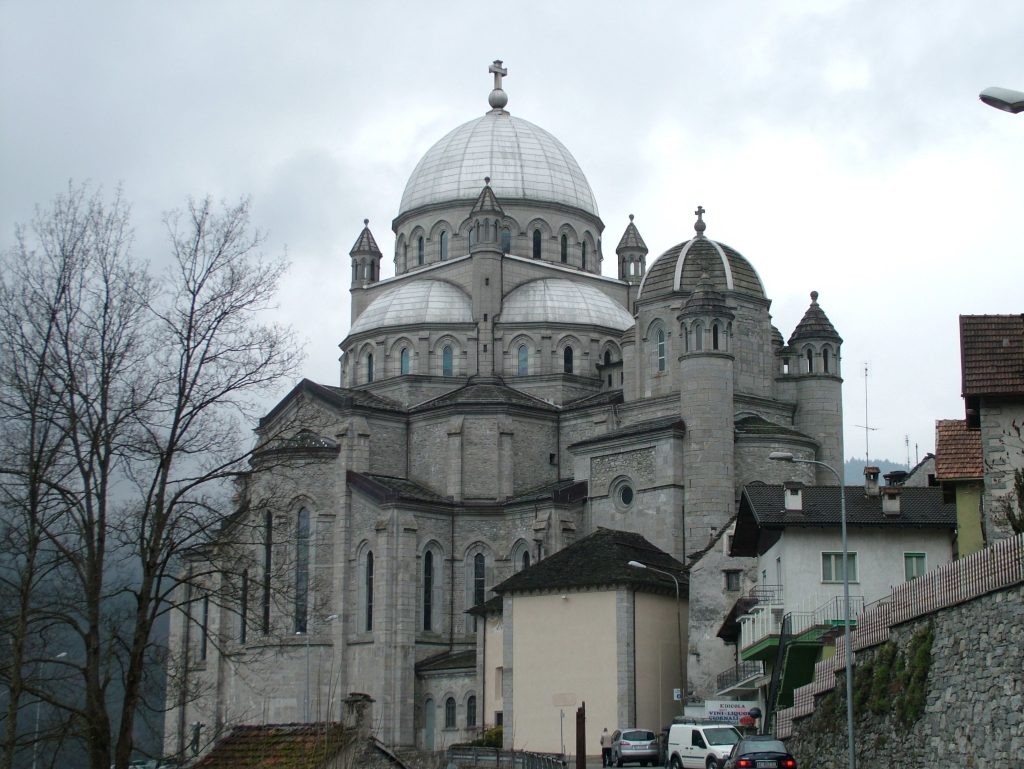
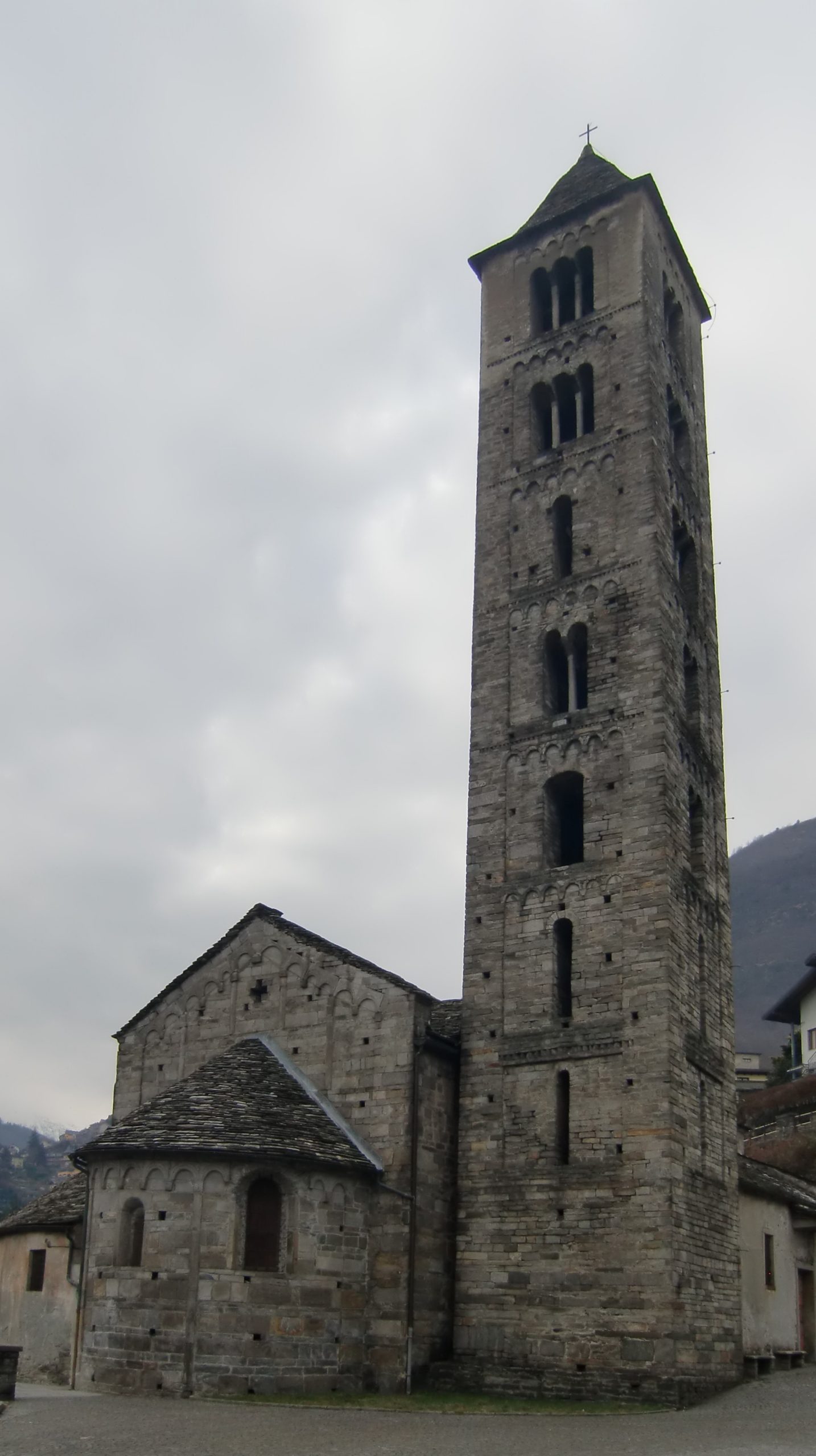
The Church of San Bartolomeo dates back to a period between the 10th and 12th centuries and is considered one of the finest examples of Ossola Romanesque architecture. The first document mentioning it dates from 1289: at the time, it was dedicated to Saints Fabian and Sebastian, invoked as protectors against the plague. Only from the mid-14th century was the church dedicated to San Bartolomeo, the patron saint of Villadossola, celebrated on 24 August. Of the original building, the upper part of the side walls, the eastern side with its semicircular apse, and the 34-metre-high bell tower remain visible; the latter is considered the most beautiful in the entire Ossola Valley. Inside, a large wooden altarpiece from 1596, the work of Andrea Merzagora from Craveggia, depicts the Crucifixion surrounded by five scenes from the life of San Bartolomeo.
The “Manchester” of the Novara area
In 1804, the “Pietro Maria Ceretti” company set up the first furnace and hammer mill in Villadossola to turn pig iron produced in the Antrona Valley into iron, launching a long steelmaking tradition. With the construction of the Novara-Domodossola railway in 1888 and the completion of the Simplon Tunnel in 1906, industrial activity experienced considerable growth. In 1892, Sisma (Società Industrie Siderurgiche Meccaniche e Affini) was founded, a small bolt manufacturing company which, between the two world wars, became one of Italy’s leading steel industries: for this reason, Villadossola was called the “Manchester of the former Novara area”. At the height of the economic boom, in 1963, the company had 1,869 employees.
From industrial crisis to “La Fabbrica”
In the 1970s, an inevitable crisis arrived due to international competition, which within a few years led to the closure or change of ownership of Villadossola’s plants. In memory of this industrial past, the town’s former ironworks has now become “La Fabbrica”, a multi-purpose cultural centre with a theatre, which has succeeded in transforming a symbol of industry into a place of culture for the whole community.
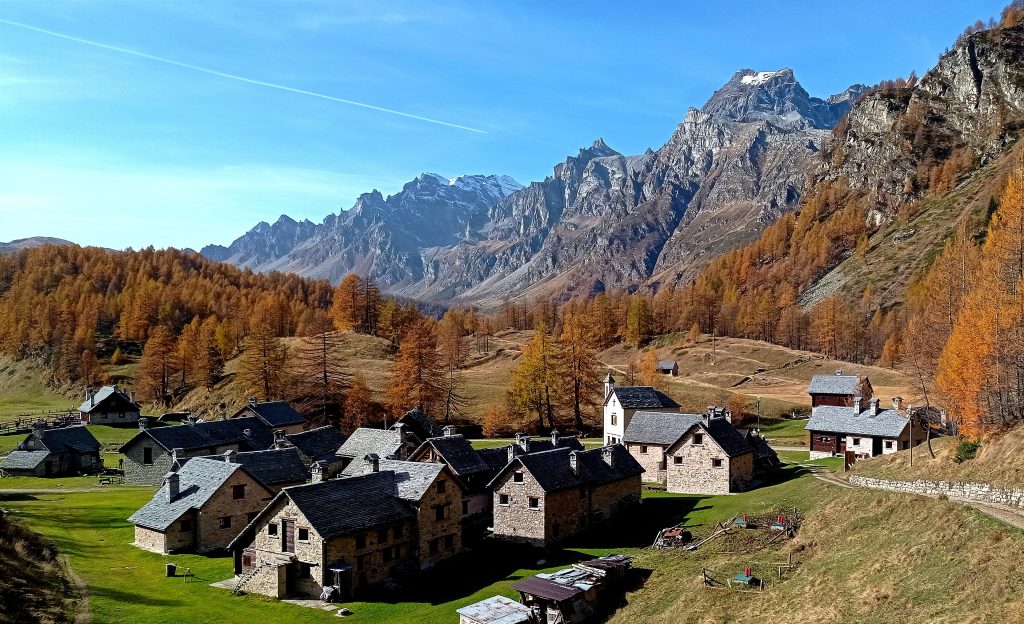
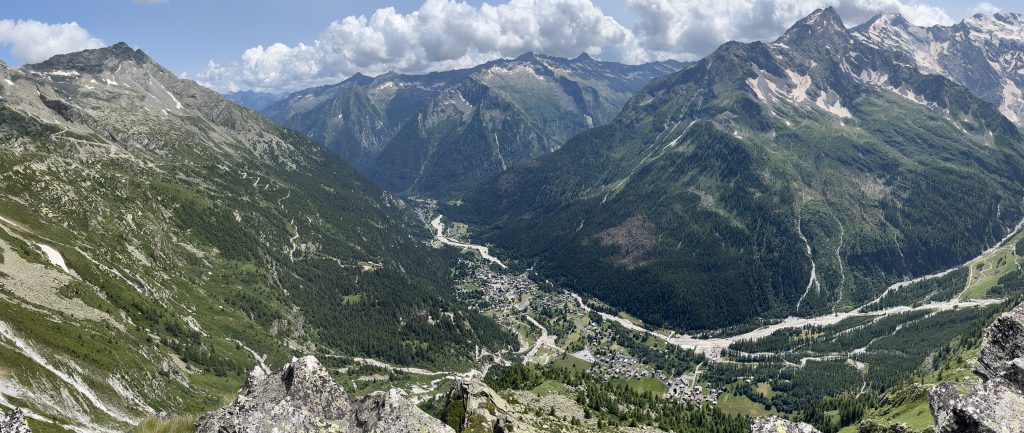
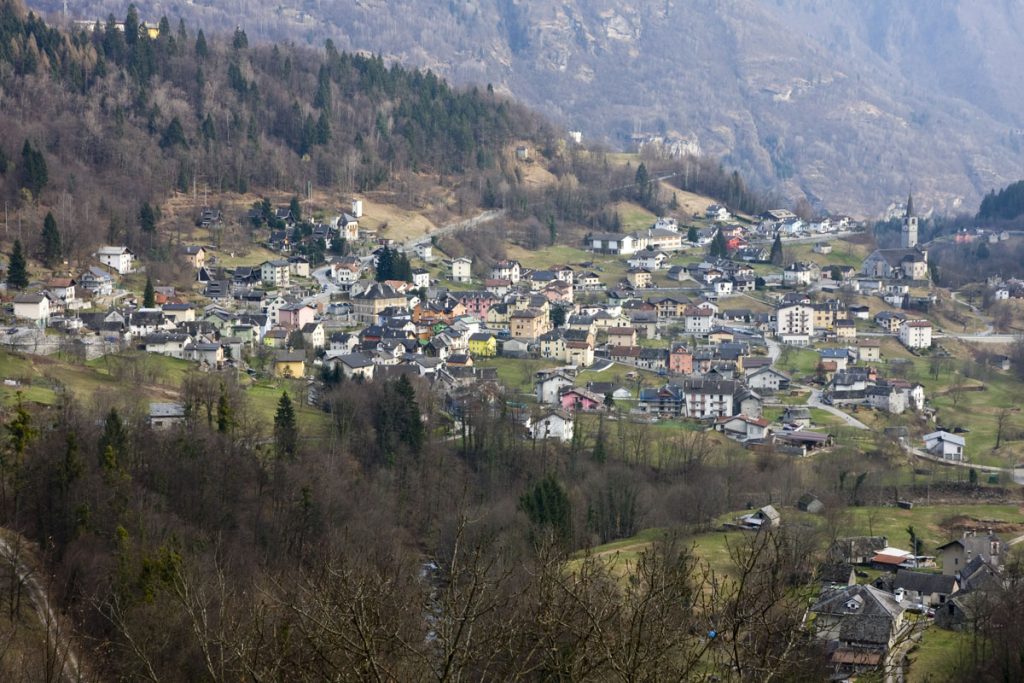
Villadossola, gateway to the Antrona Valley
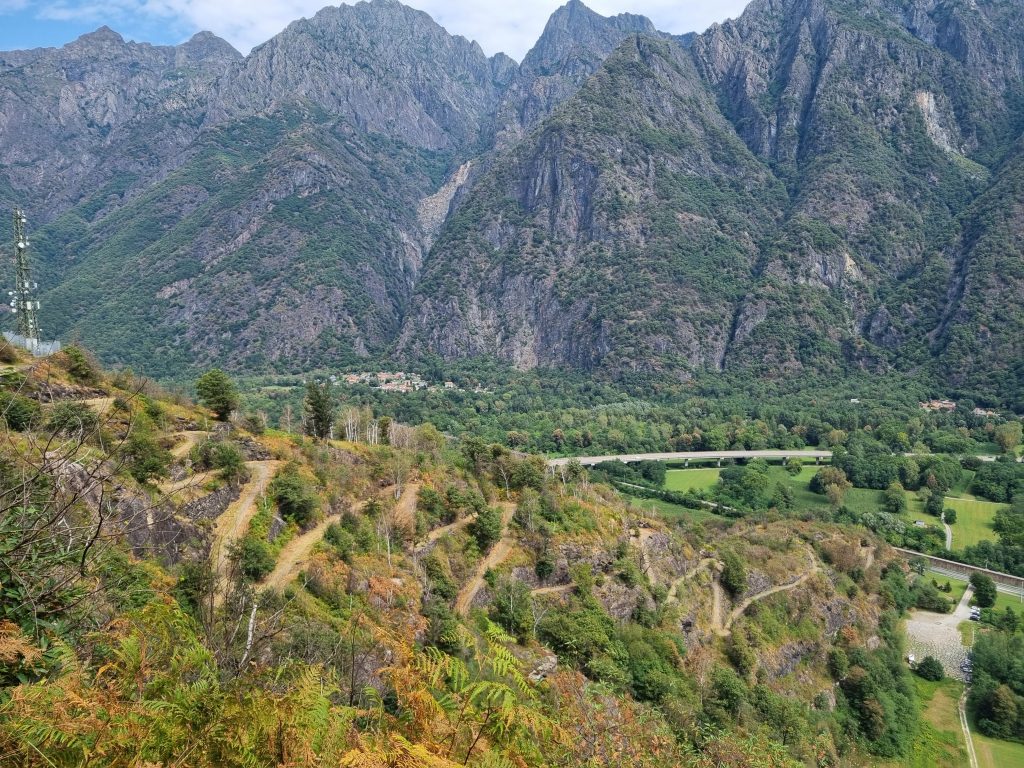
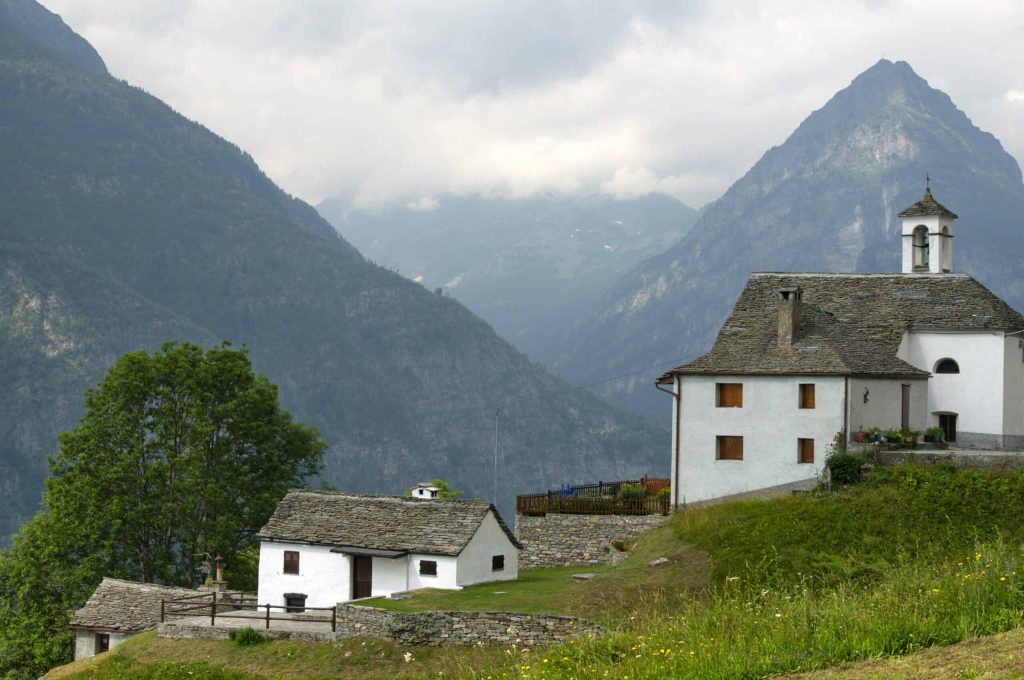
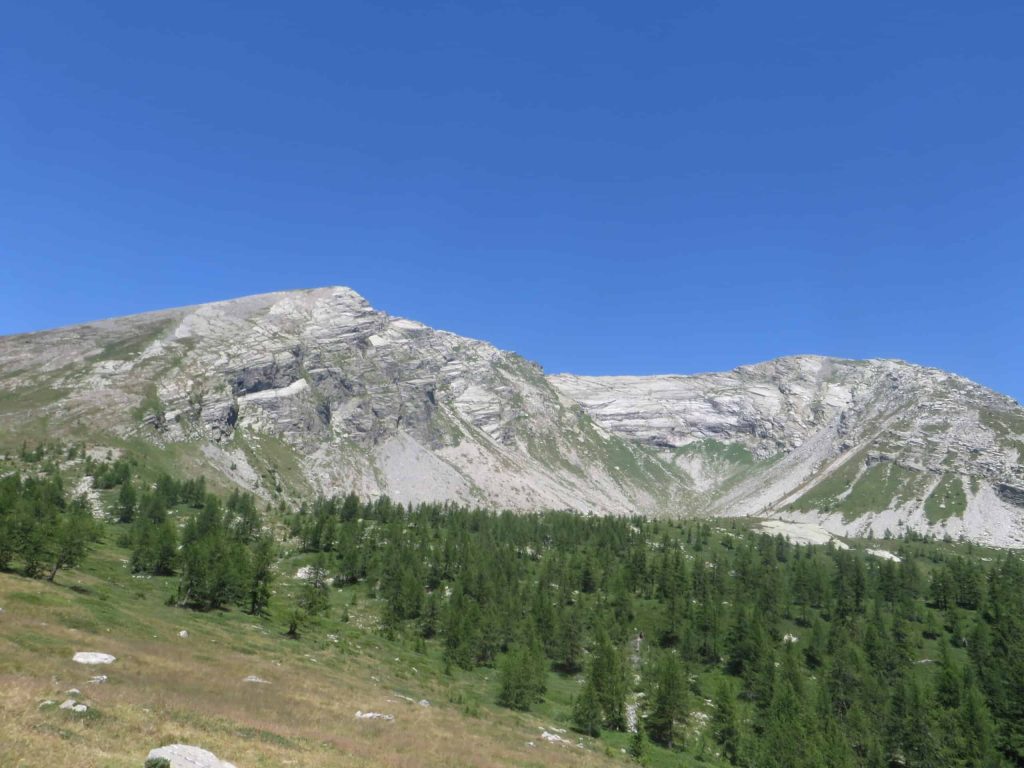
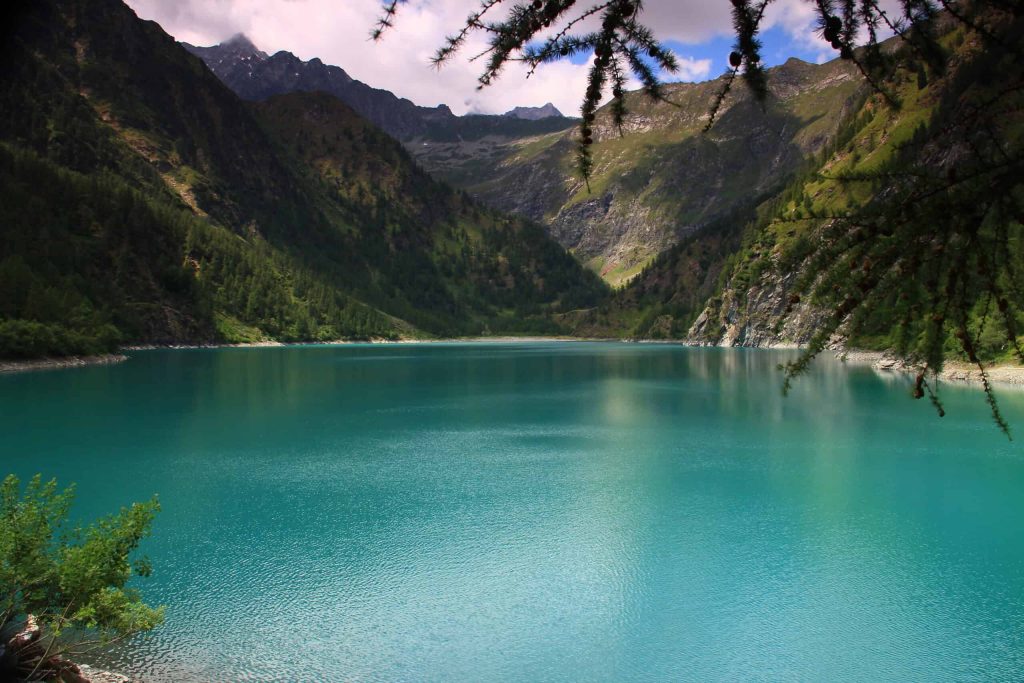
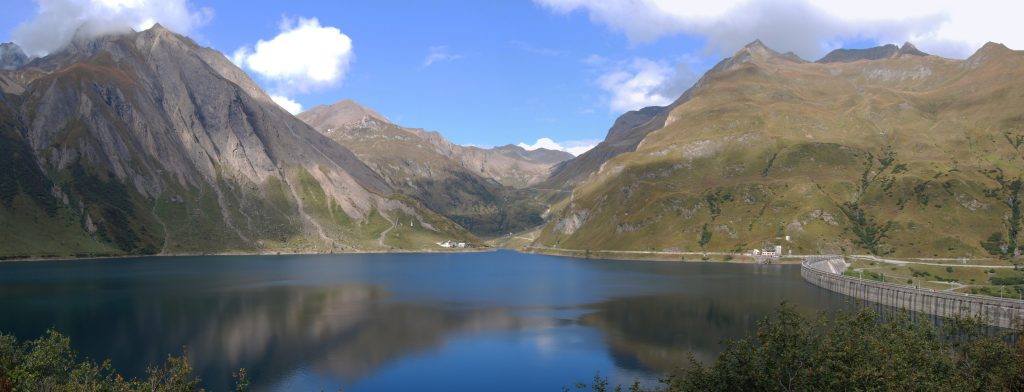
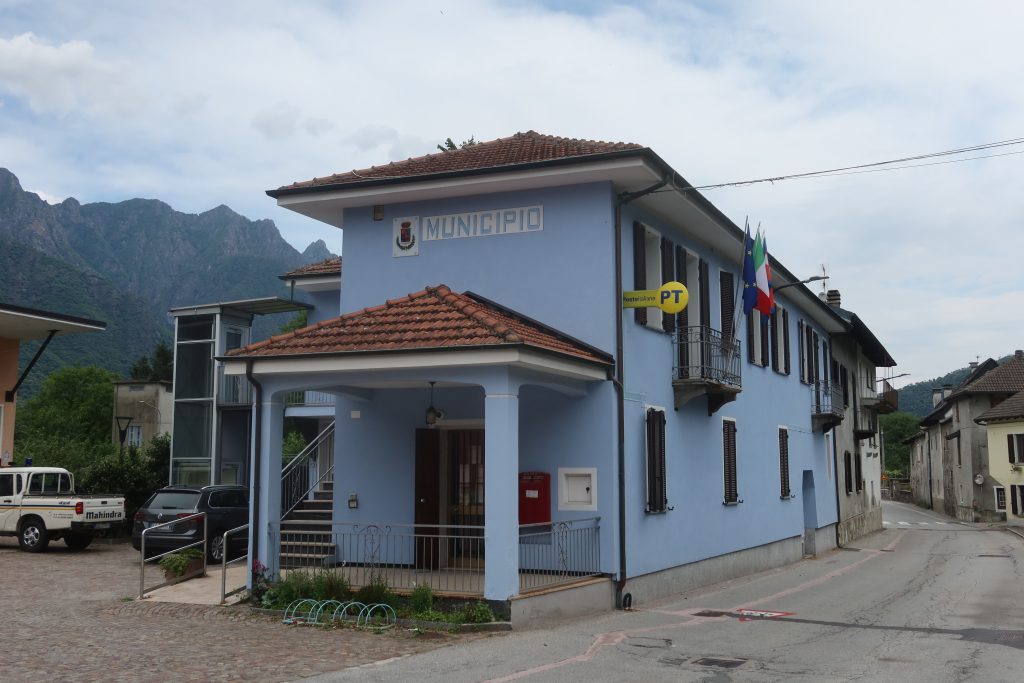
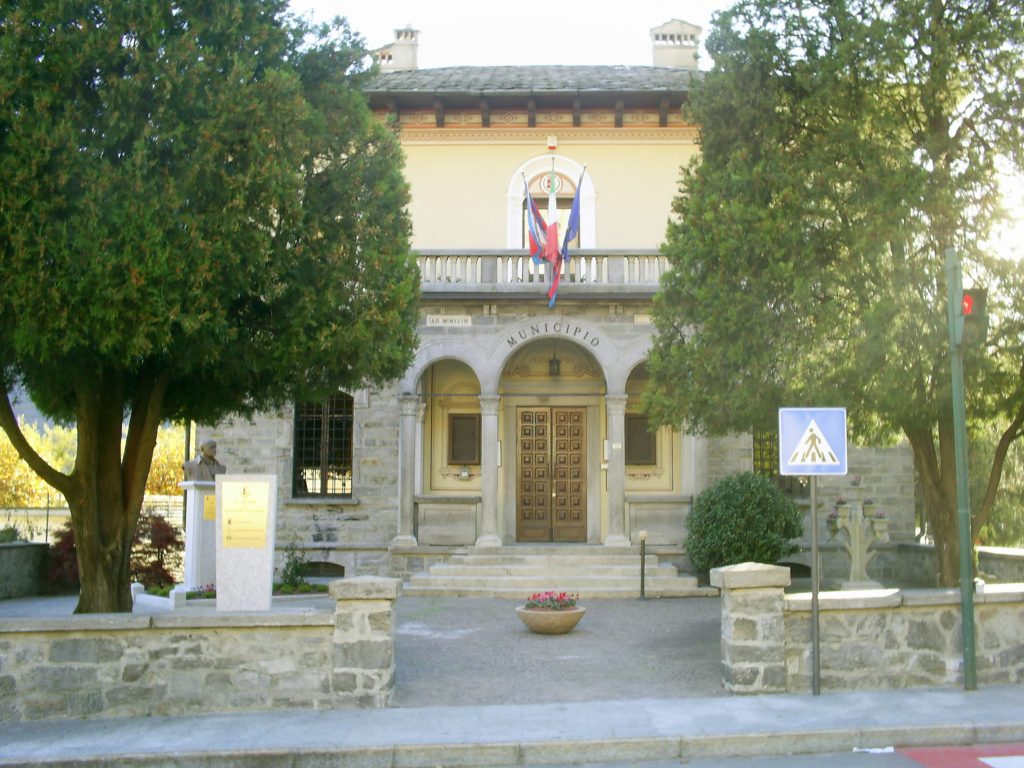
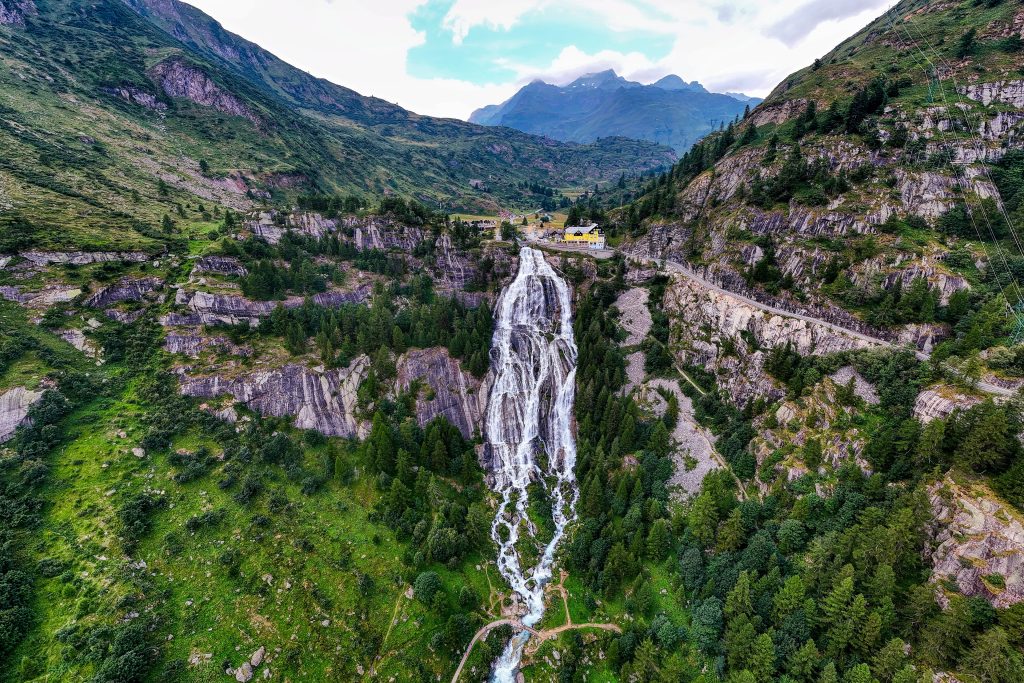
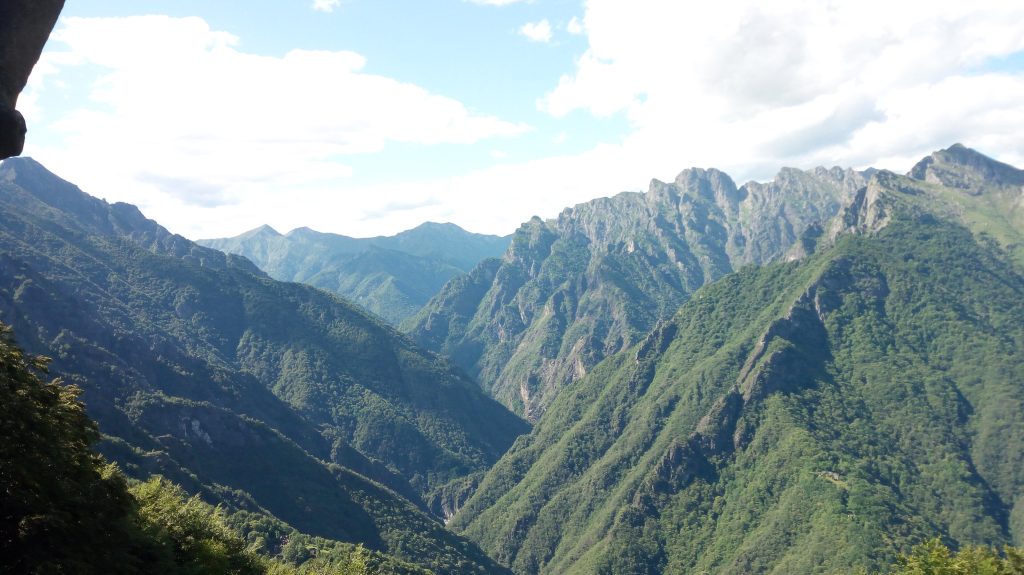
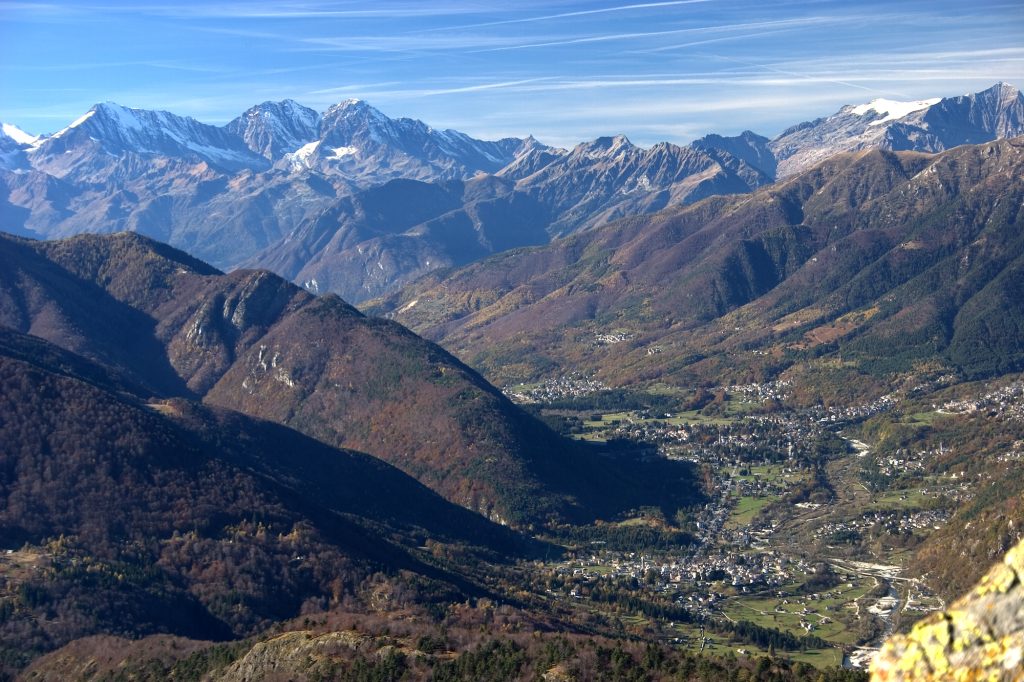
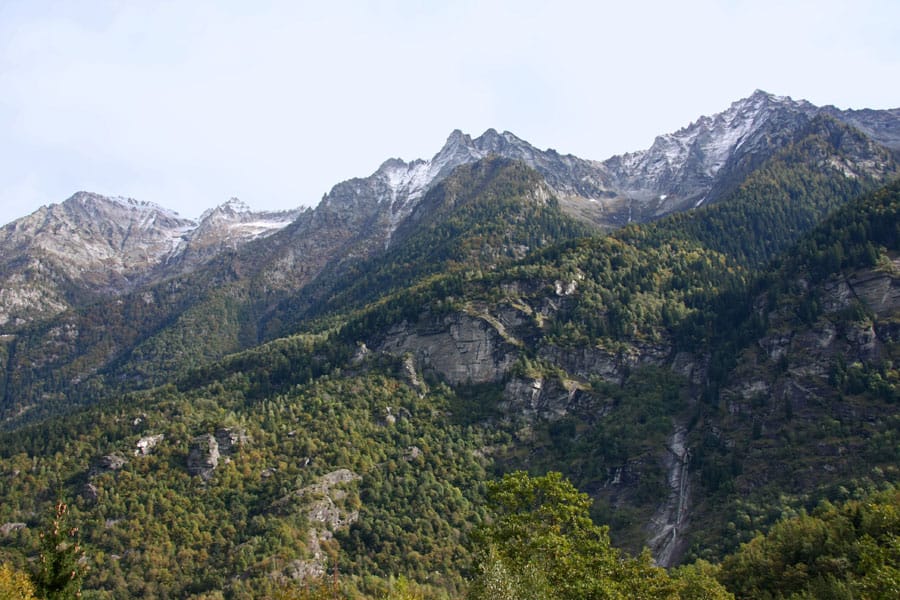
In addition to its Romanesque and industrial heritage, Villadossola is the natural access point to the Antrona Valley, one of the less frequented and wilder side valleys of the Ossola Valley. To learn more about the history of the church, see the page provided by the Municipality of Villadossola.
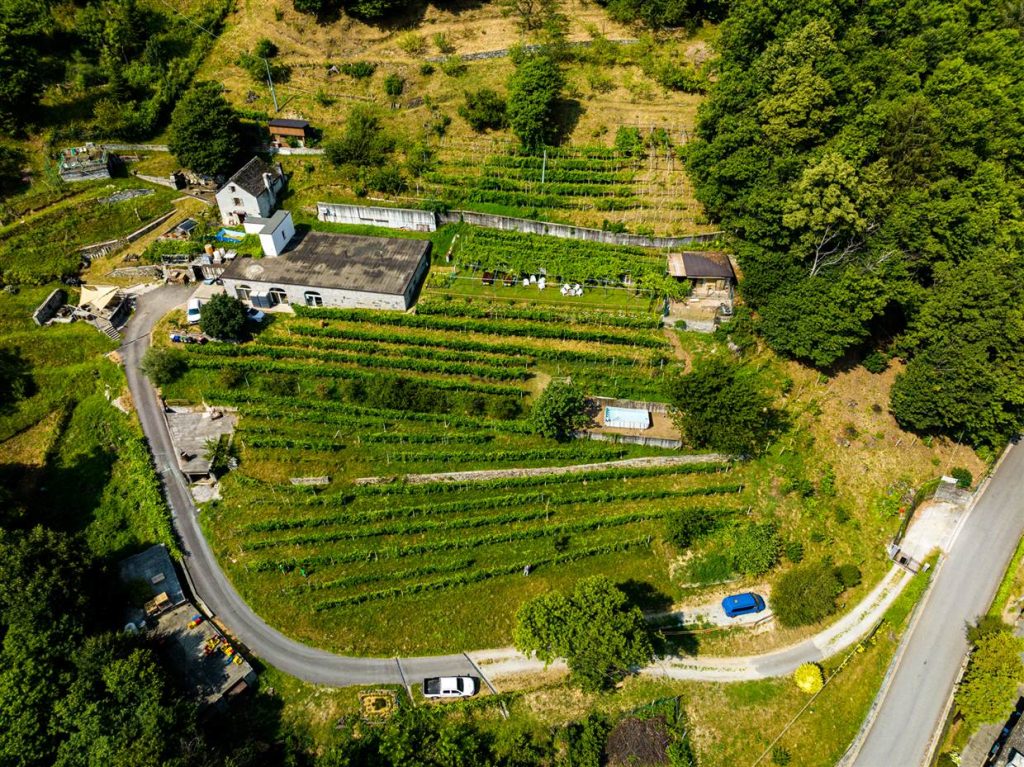
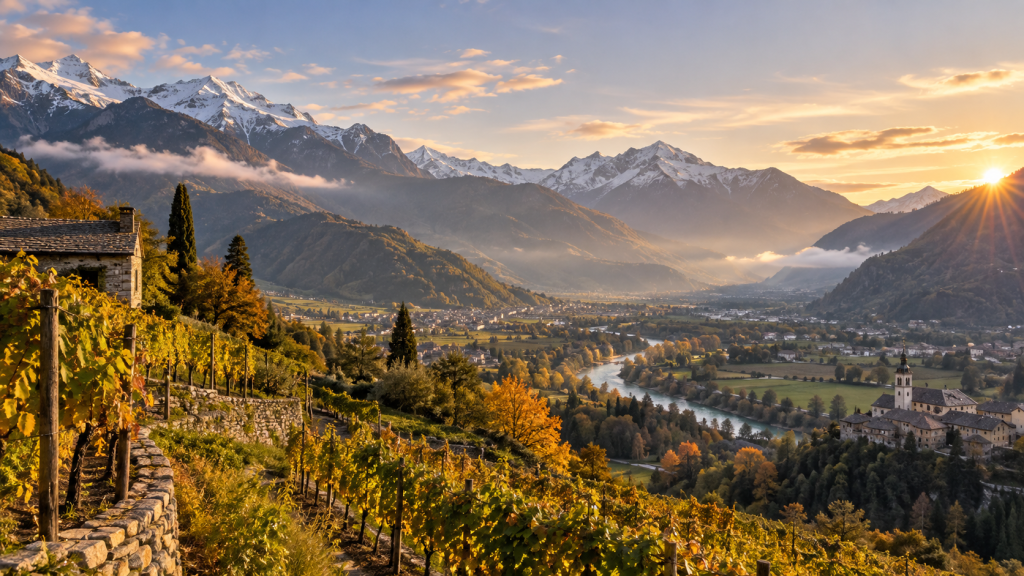
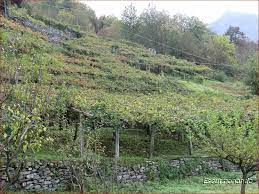
Visitors to Villadossola can easily head down towards the valley floor for a tasting among the vineyards of the Ossola Valley.
Villadossola today
Despite the end of the great steelmaking era, Villadossola remains one of the most populous municipalities in the Ossola Valley, with an economic life that has gradually diversified into small and medium-sized businesses, trade and services. Today, industrial memory coexists with the Romanesque heritage of the Church of San Bartolomeo, in a balance that makes the town an interesting example of how a settlement born around a factory has managed to reinvent itself while retaining a direct link with its oldest history, its medieval past.
The hamlets and the Oratory of San Maurizio
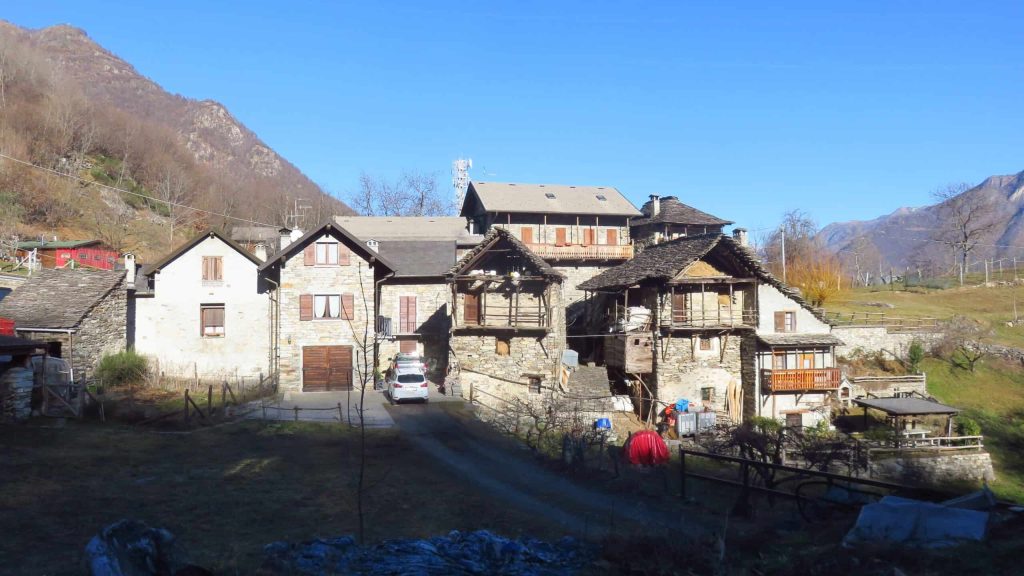
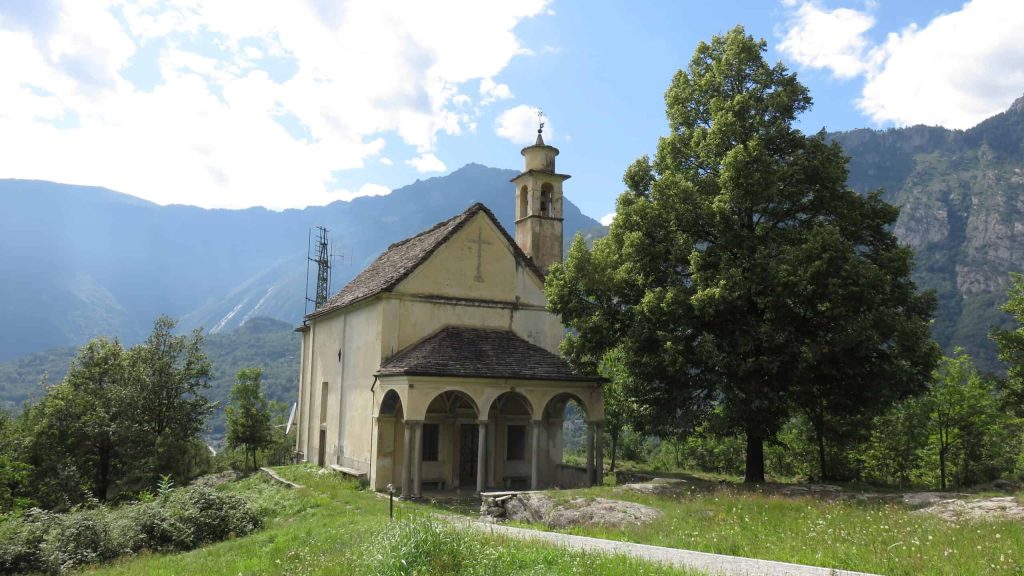
In addition to the town centre, Villadossola includes several hamlets, including Boschetto, Noga, Piaggio, Villaggio and Gaggio, bearing witness to an area that developed for centuries around small rural settlements before the industrial expansion of the 20th century. Among the municipality’s smaller religious buildings is also the Oratory of San Maurizio, whose existence was already documented in the 1591 Synod of Bishop Speciano of Novara, testifying to a religious life that was widespread throughout the area long before the major urban growth linked to steelmaking.
The Ovesca stream
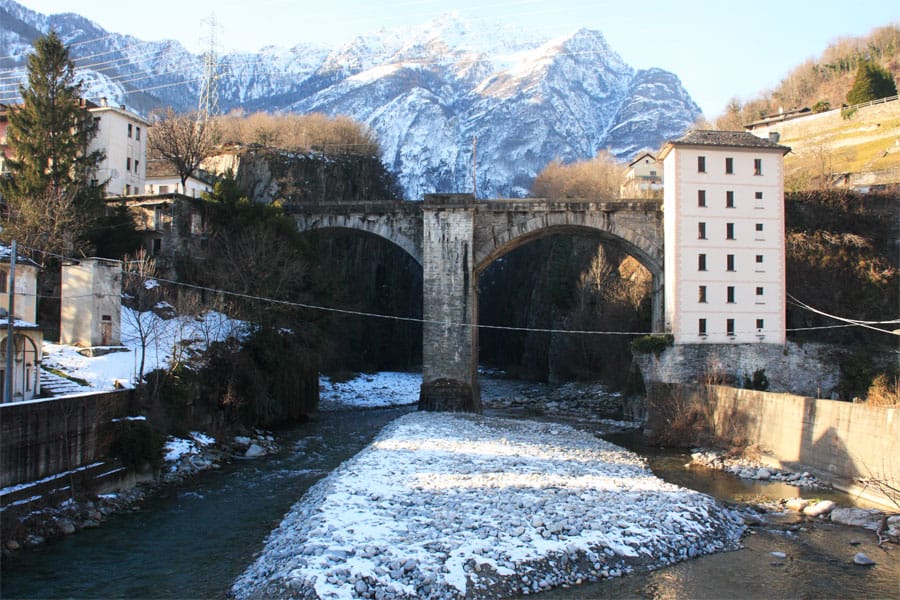
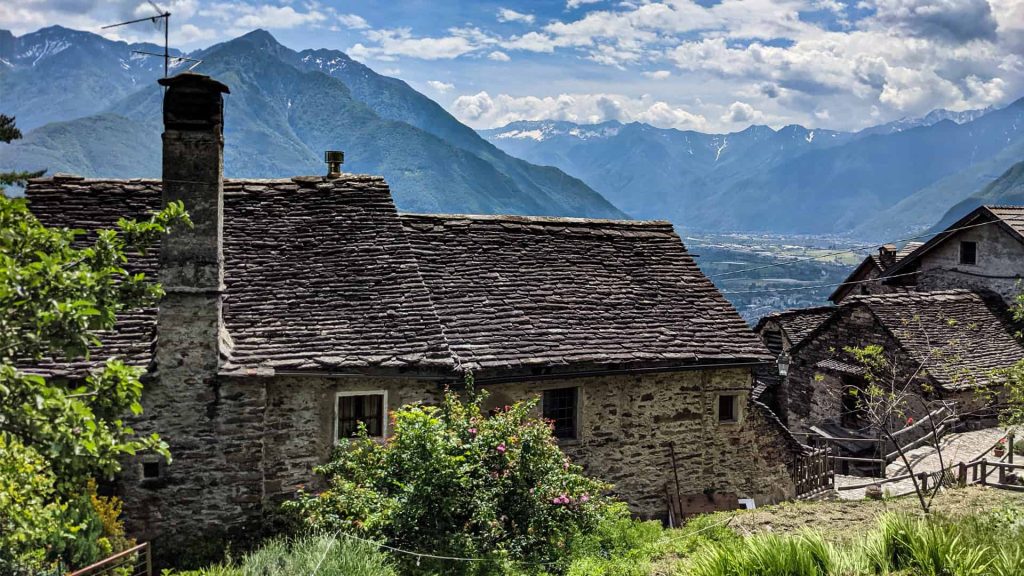
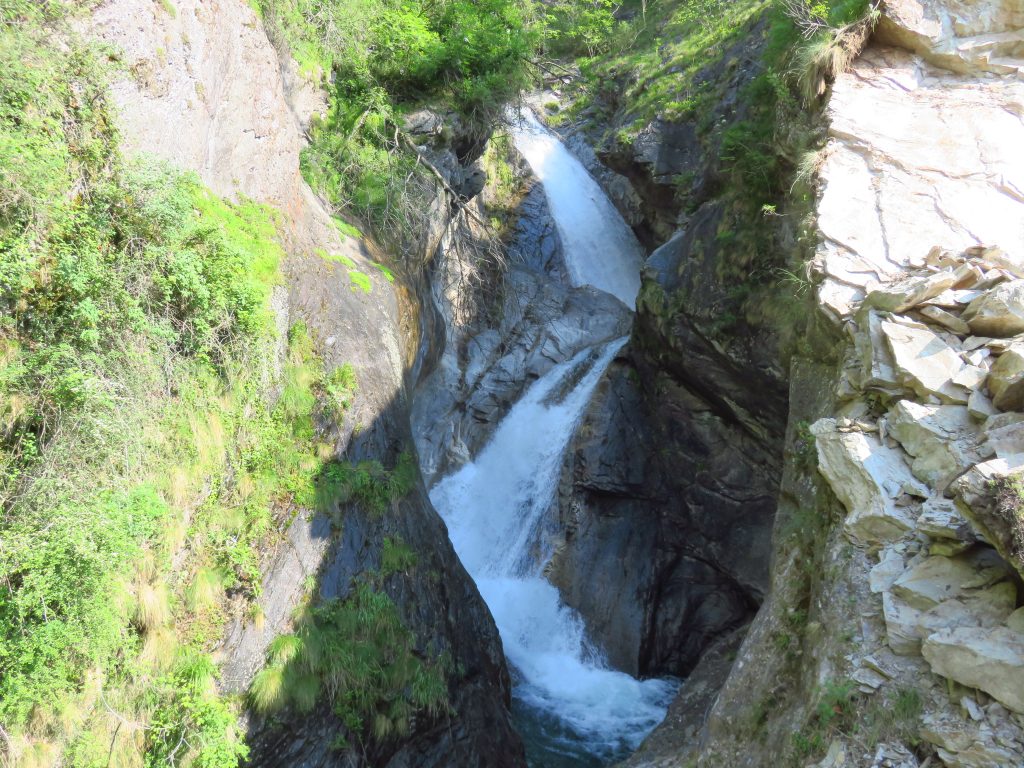
Villadossola also provides access to the small and picturesque Antrona Valley, crossed by the Ovesca stream, whose waters historically powered mills and local craft activities before being partly diverted for hydroelectric use, in an interweaving of nature and industrial development that still characterises the local landscape today.