
by Patrizia | Sep 21, 2026 | Wines and oenology
Wine analysis is a complex art involving not only the palate, but also the nose and the eyes. To fully appreciate a good wine, it is important to understand the different elements that contribute to its unique and distinctive flavour. The first step in assessing the...
by Patrizia | Sep 21, 2026 | Wines and oenology
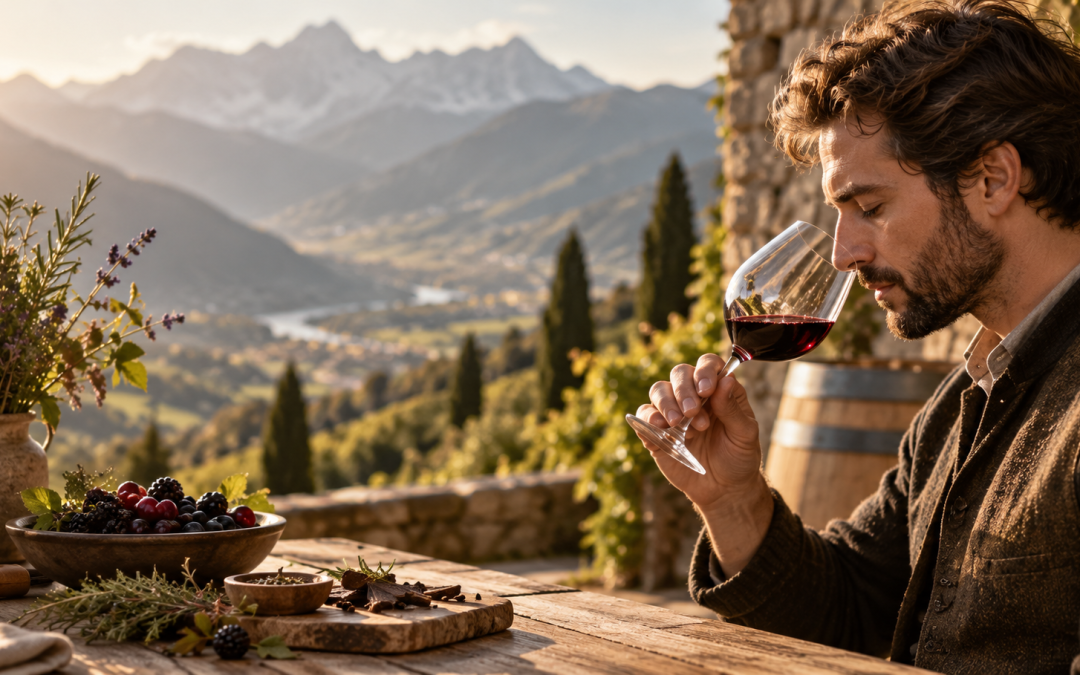
Wine tasting is an ancient art that involves all the senses, including the sense of smell. Indeed, the sense of smell plays a crucial role in the wine tasting experience, as our sense of taste is largely influenced by what we perceive through the nose. Therefore,...

by Patrizia | Sep 21, 2026 | Wines and oenology
The visual examination of wine is a fundamental part of tasting, allowing us to appreciate not only the organoleptic characteristics of the beverage, but also to assess elements such as its quality and age. By looking carefully at the wine, it is possible to pick up...

by Patrizia | Sep 21, 2026 | Viticulture
Phenological stages The grapevine is a plant that goes through several phenological stages during its growth cycle. These stages are fundamental to its life cycle and directly influence the quality of the grapes and the wine produced. They include winter dormancy,...
by Patrizia | Sep 21, 2026 | Wines and oenology
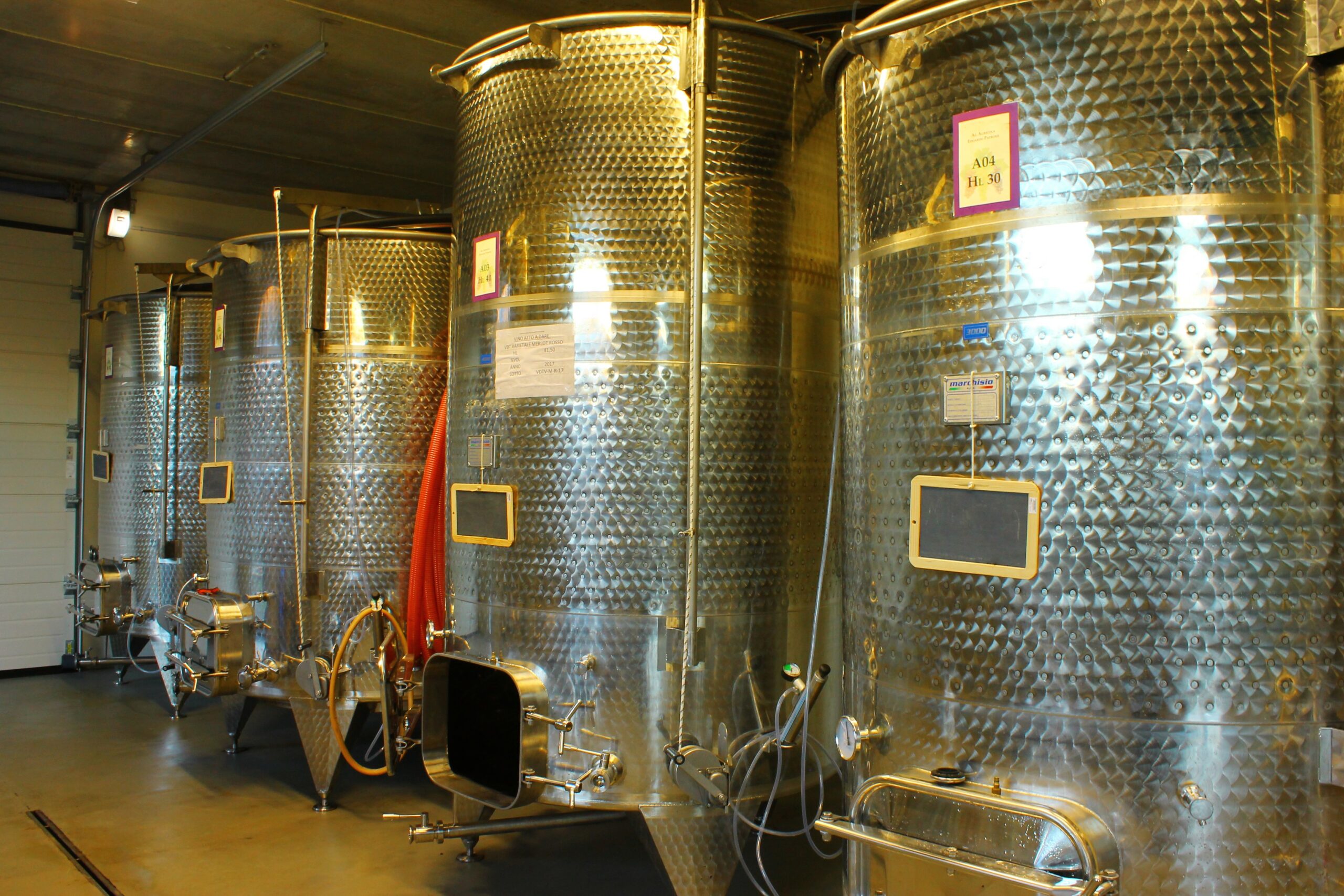
Where does wine rest? Wine ageing in wood is an ancient practice that has played a significant role in the development and diversification of the flavour profiles of wines around the world. Wood has been used for wine ageing since ancient times, when terracotta...