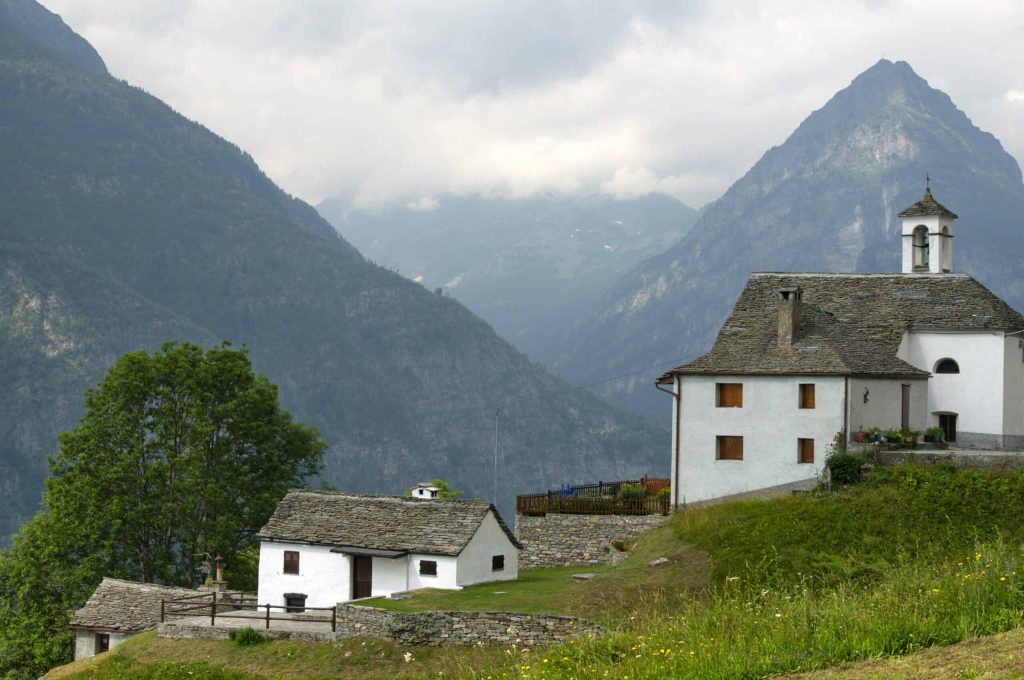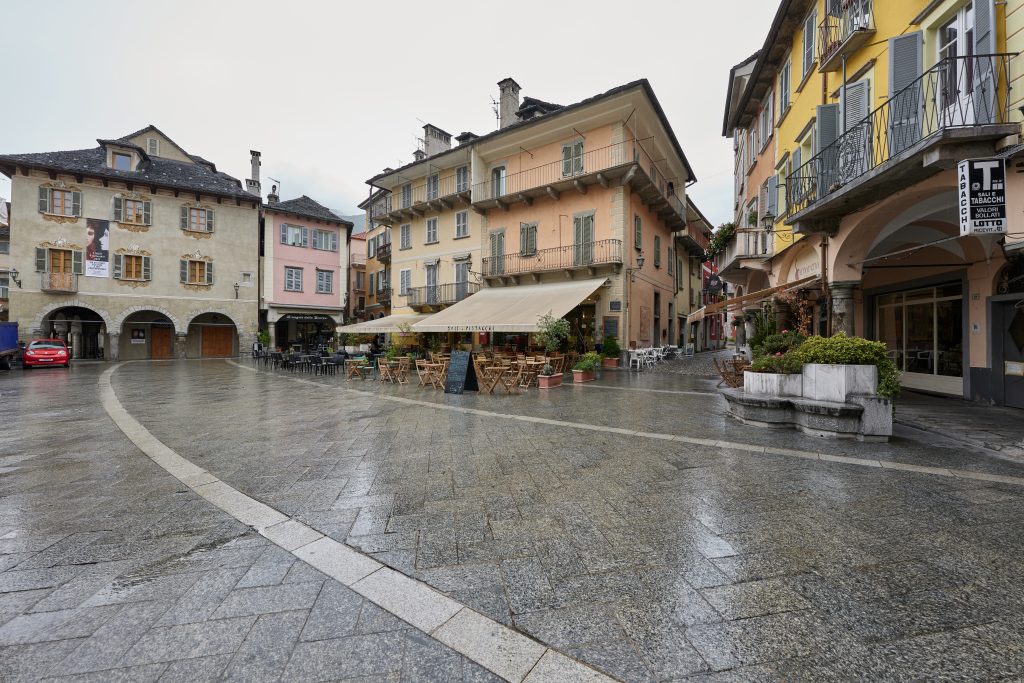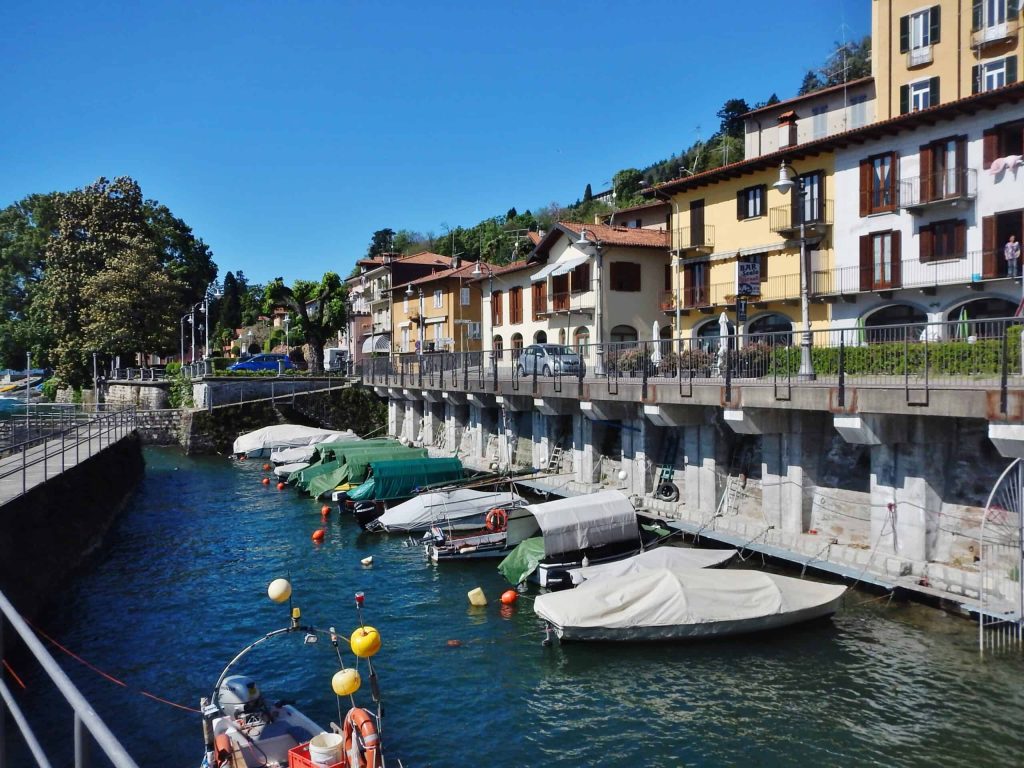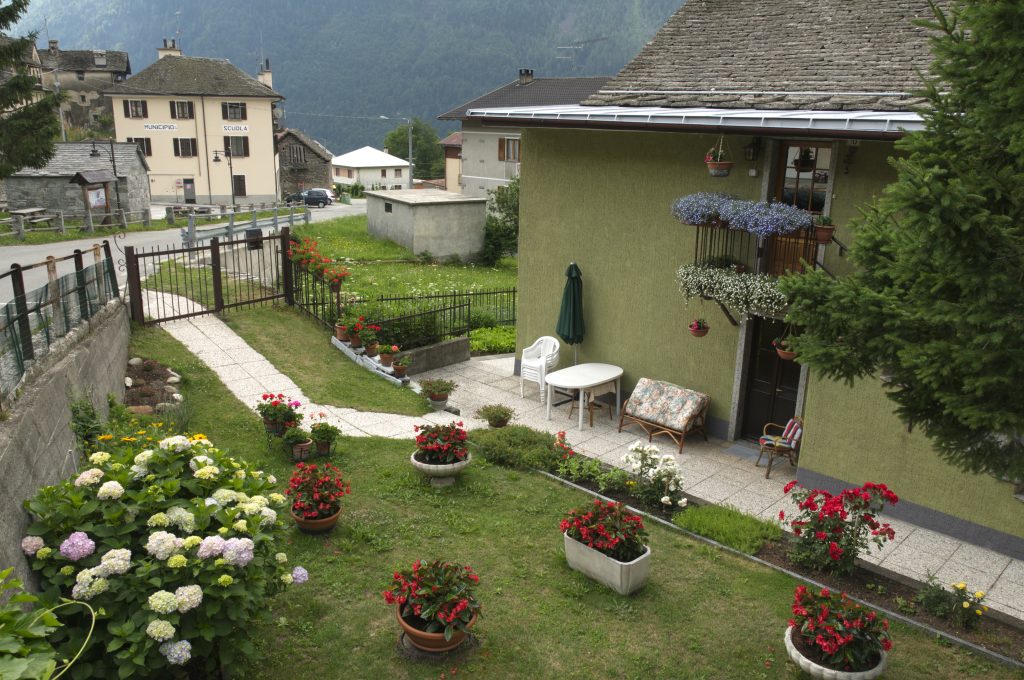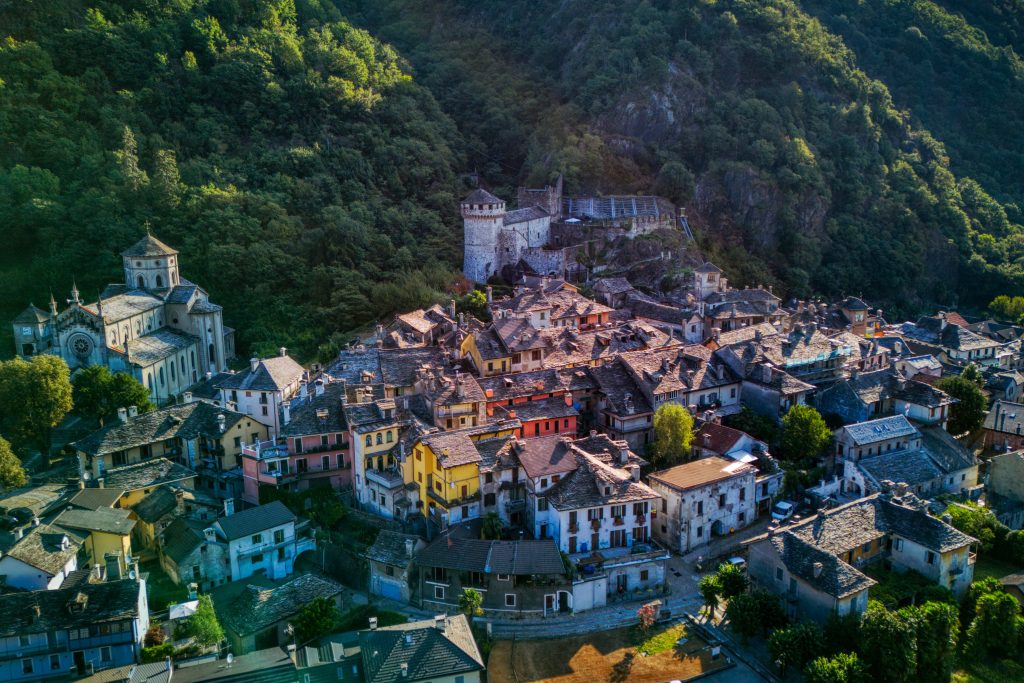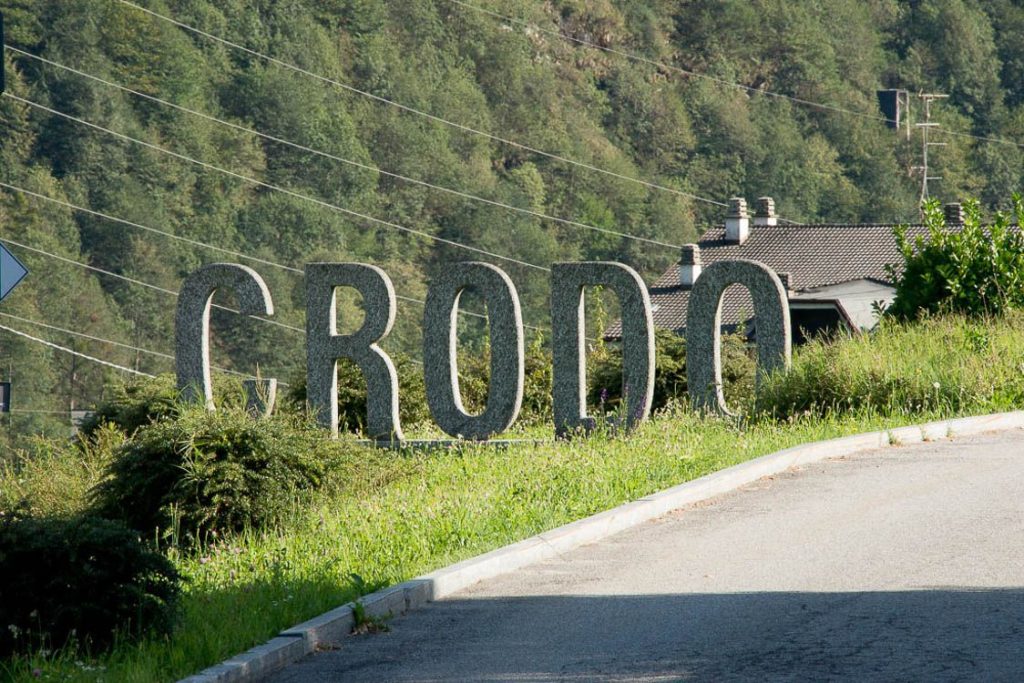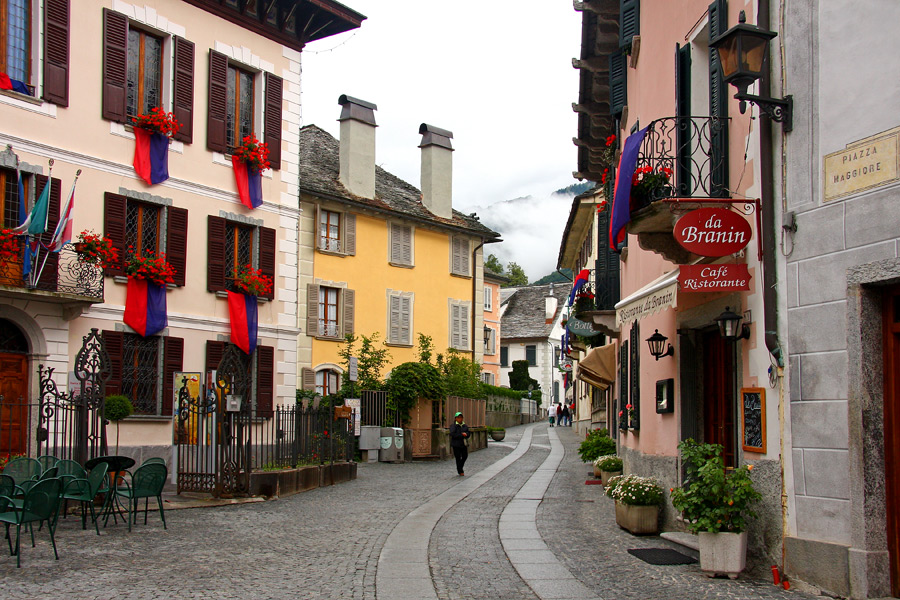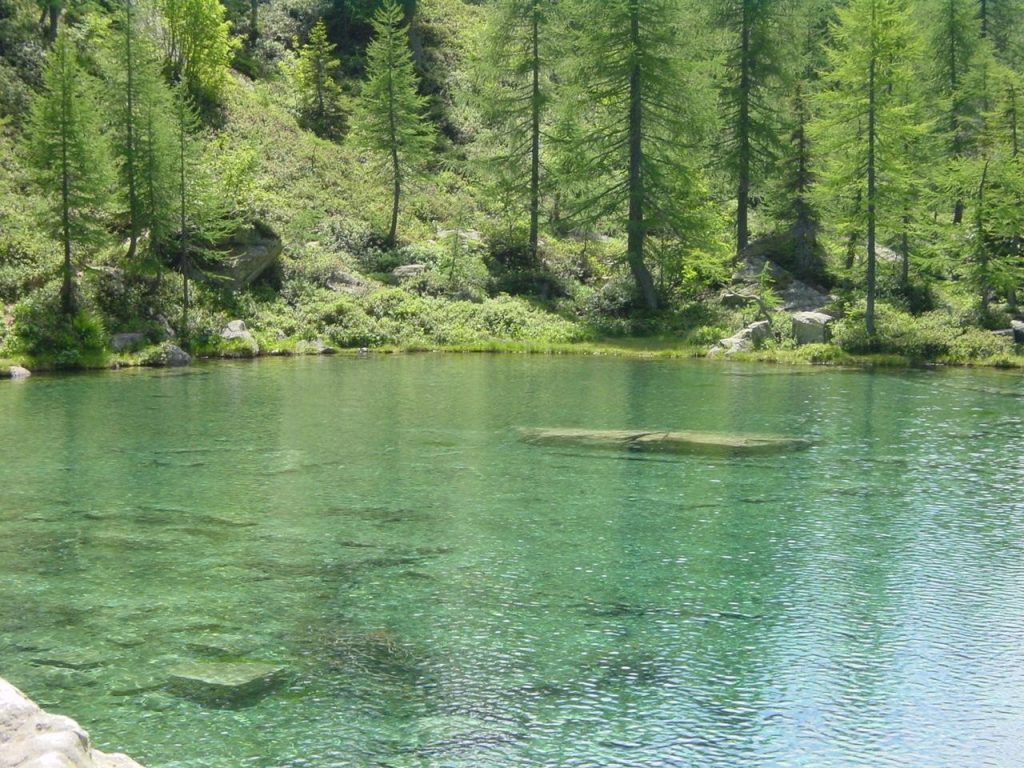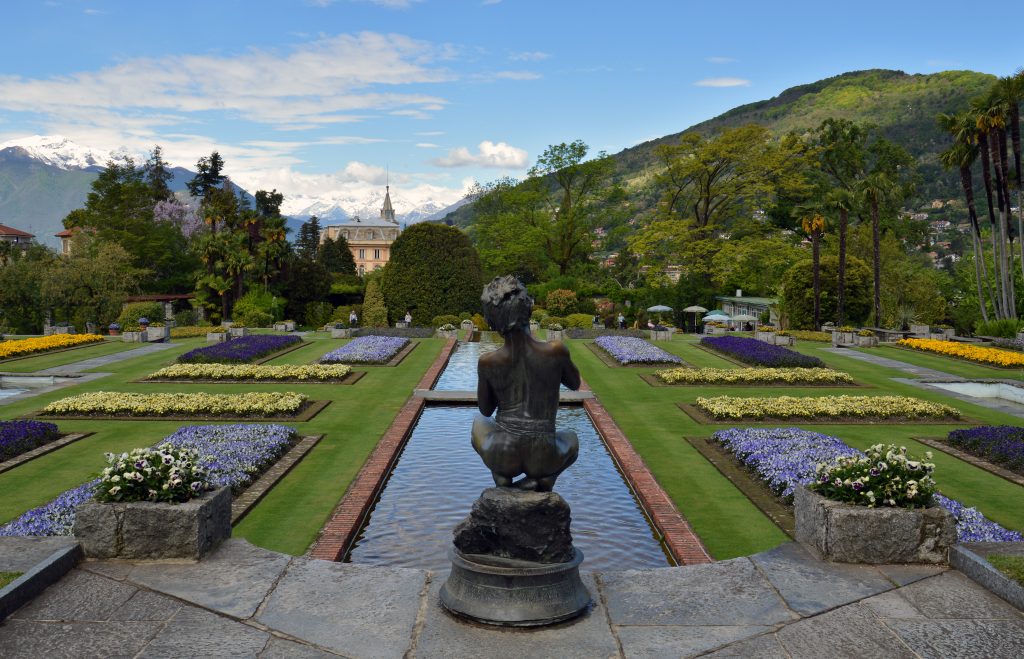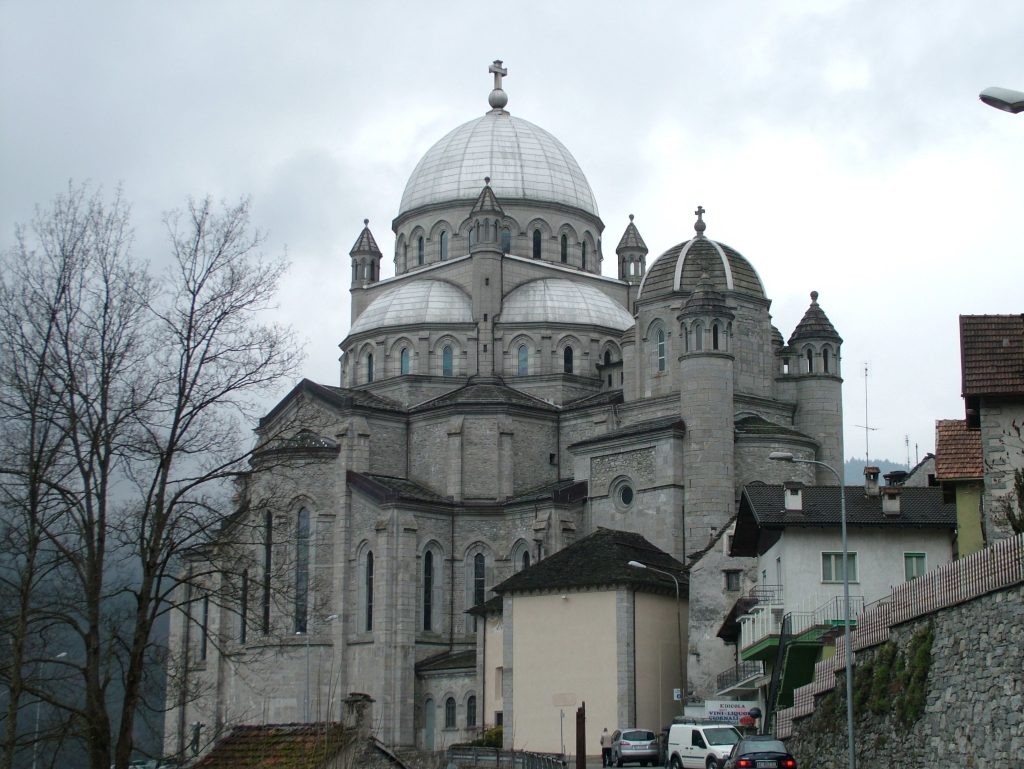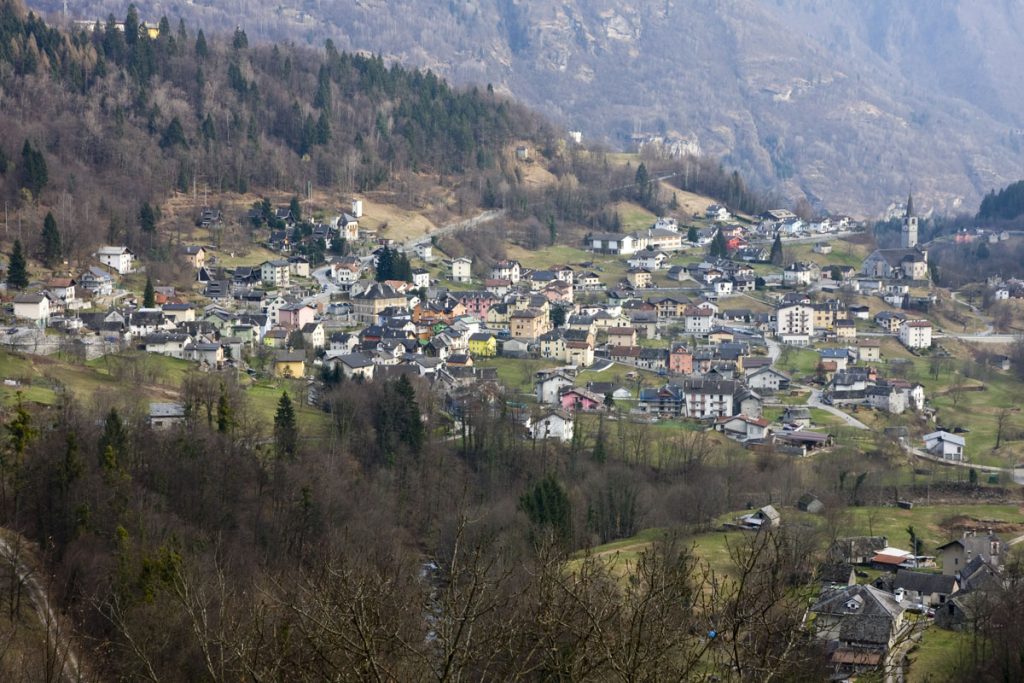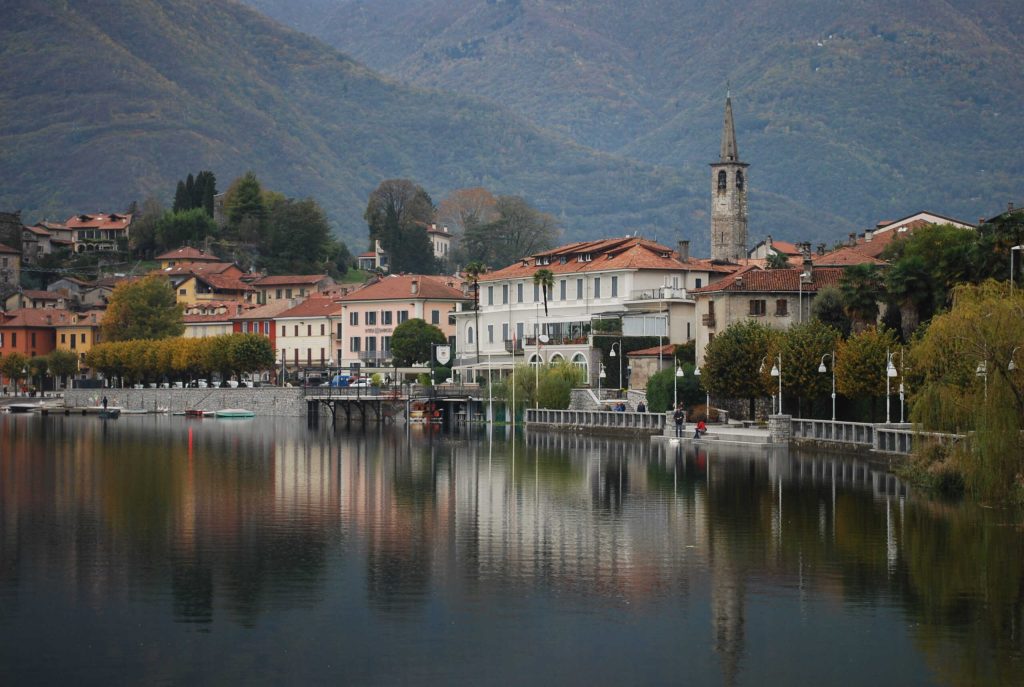
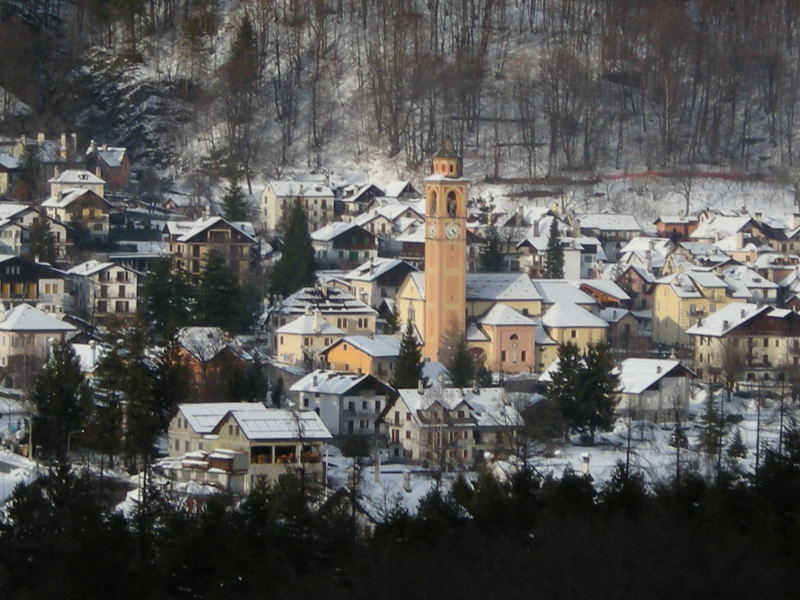
Druogno, at the gateway to Valle Vigezzo, is a village of ancient origins that is home to some of the valley’s most interesting churches.
A village of Celtic origin
The name Druogno has its roots in the Celtic era and means “the village of oaks”. A key moment in its history dates back to 1113, when Pope Innocent II’s bull to Litifredo, Bishop of Novara, decreed the separation of Valle Vigezzo from Domodossola, with the establishment of the Vigezzo parish, centred on the Church of Santa Maria.
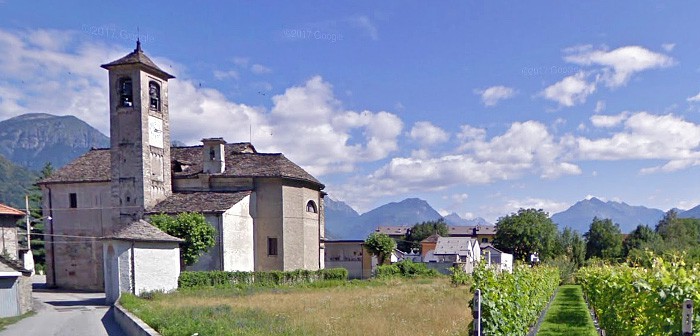
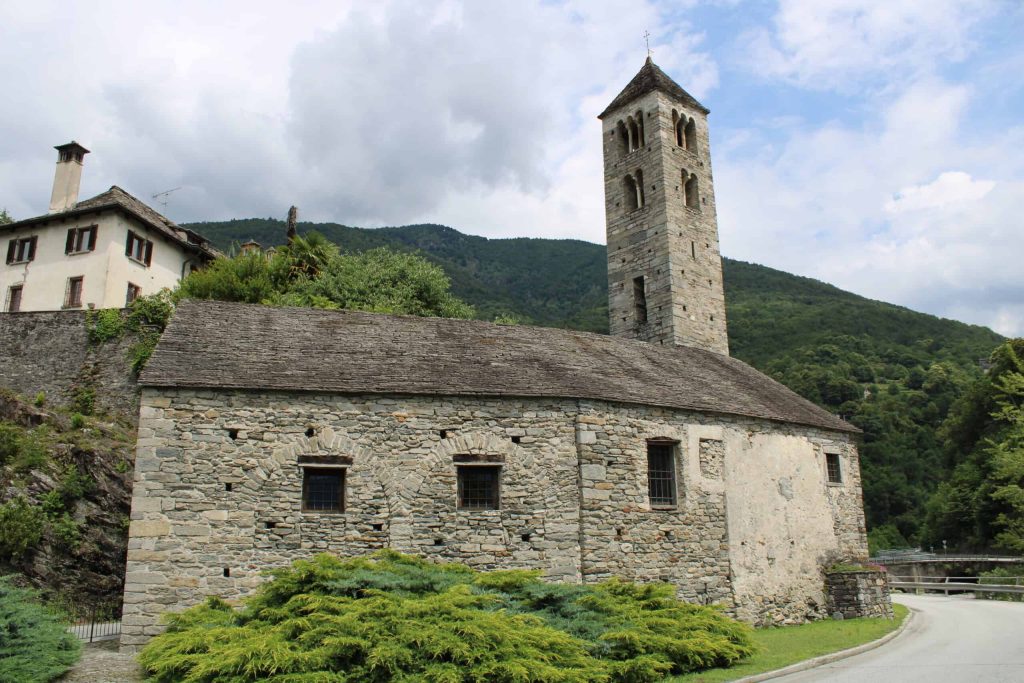
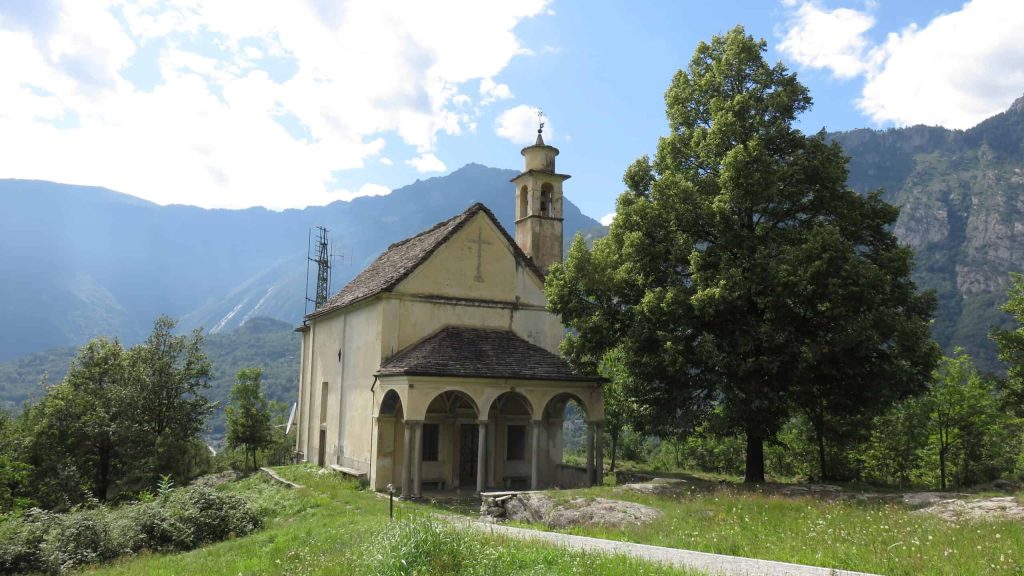
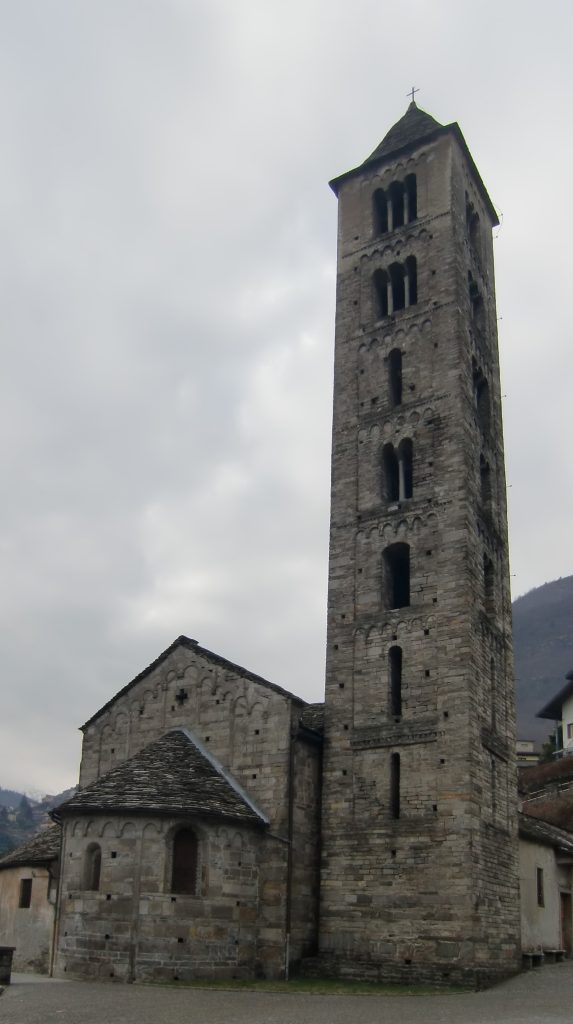
The Church of San Silvestro
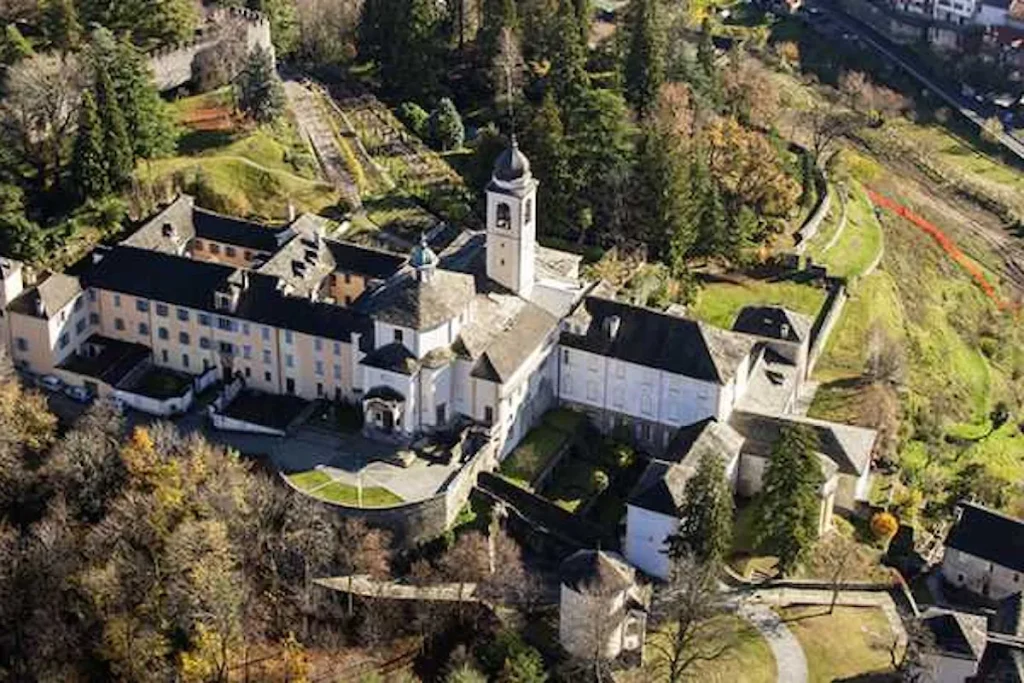
In the 17th century, the Church of San Silvestro separated from that of Santa Maria Maggiore, becoming Druogno’s main place of worship. Inside, there are murals by local painters and a 1685 canvas by Gustavo Maes, as well as the frescoes on the vault and apse by Carlo Mellerio and Giacomo Rossetti.
Coimo, between rye bread and mills
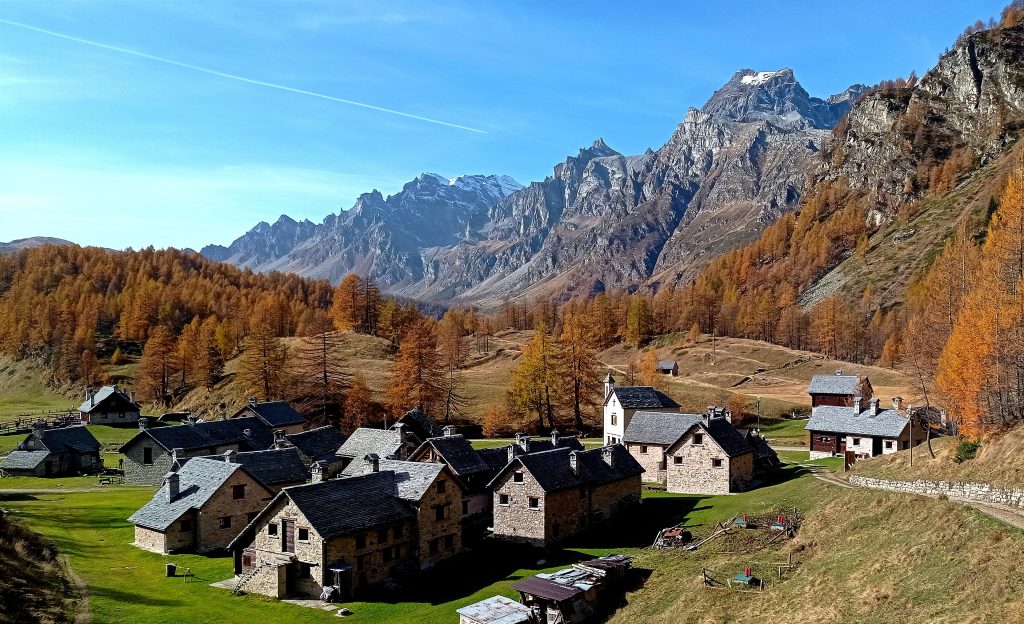
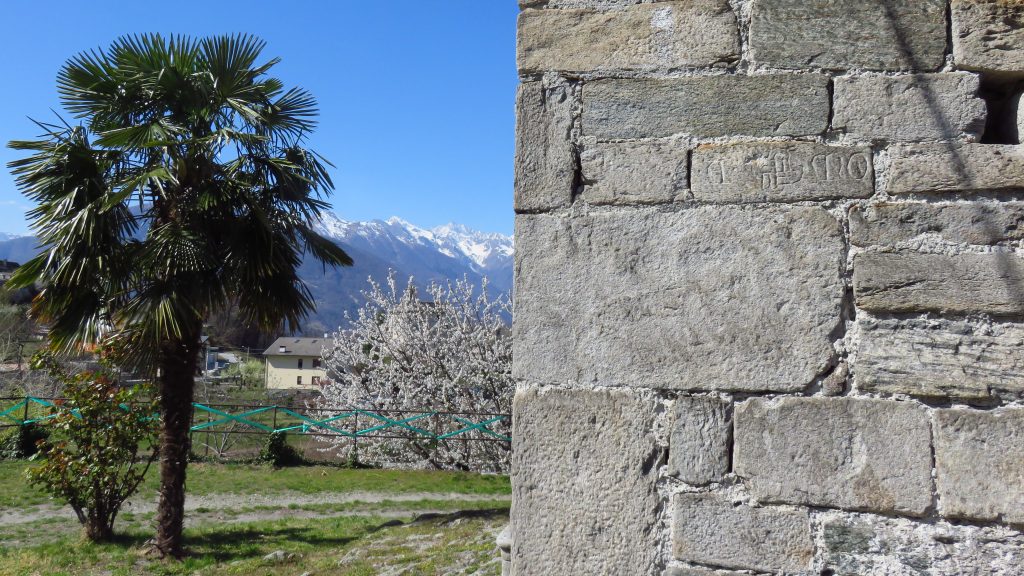
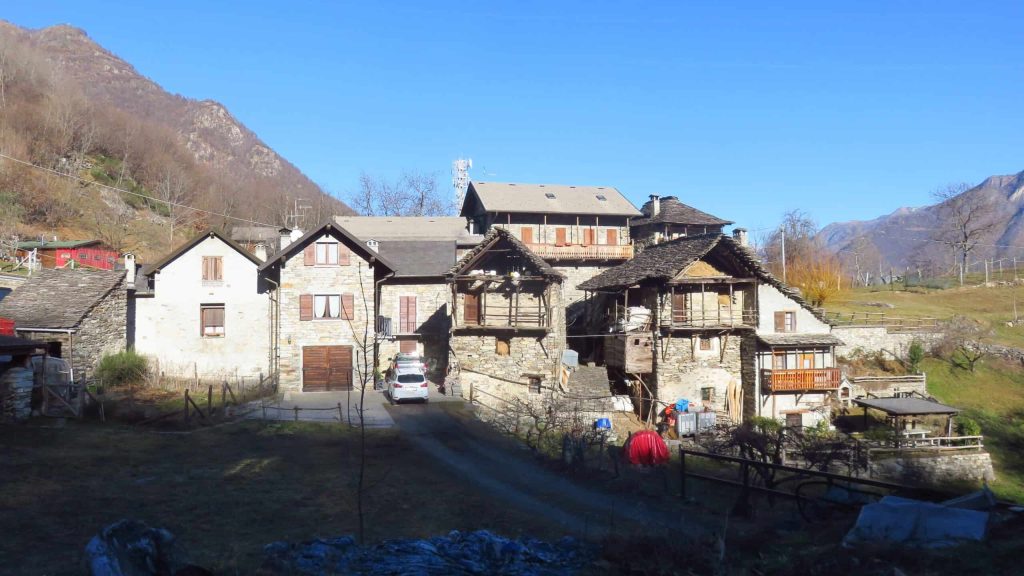
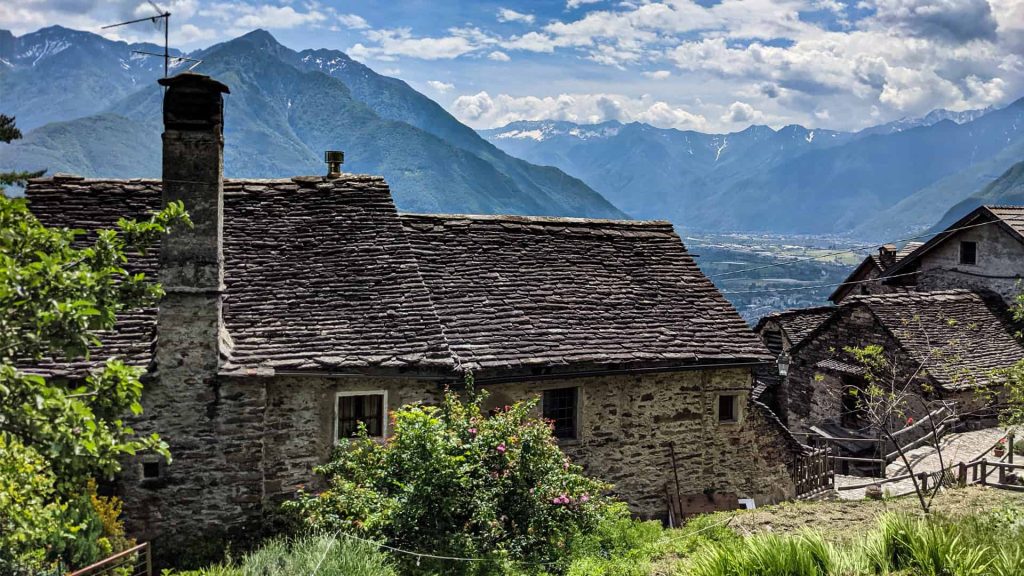
About a 45-minute walk from the centre of Druogno lies the hamlet of Coimo, known for its sunny, panoramic location and traditional rye bread. At the beginning of the path leading to the village stands a characteristic watermill, still one of the area’s most evocative sights today.
Druogno in Valle Vigezzo
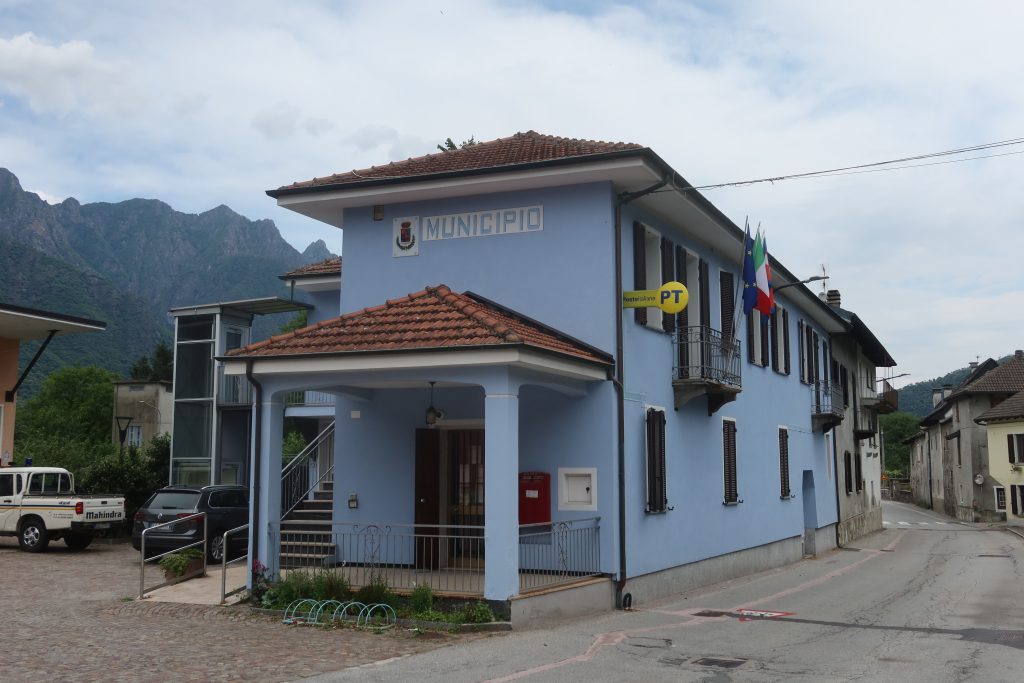
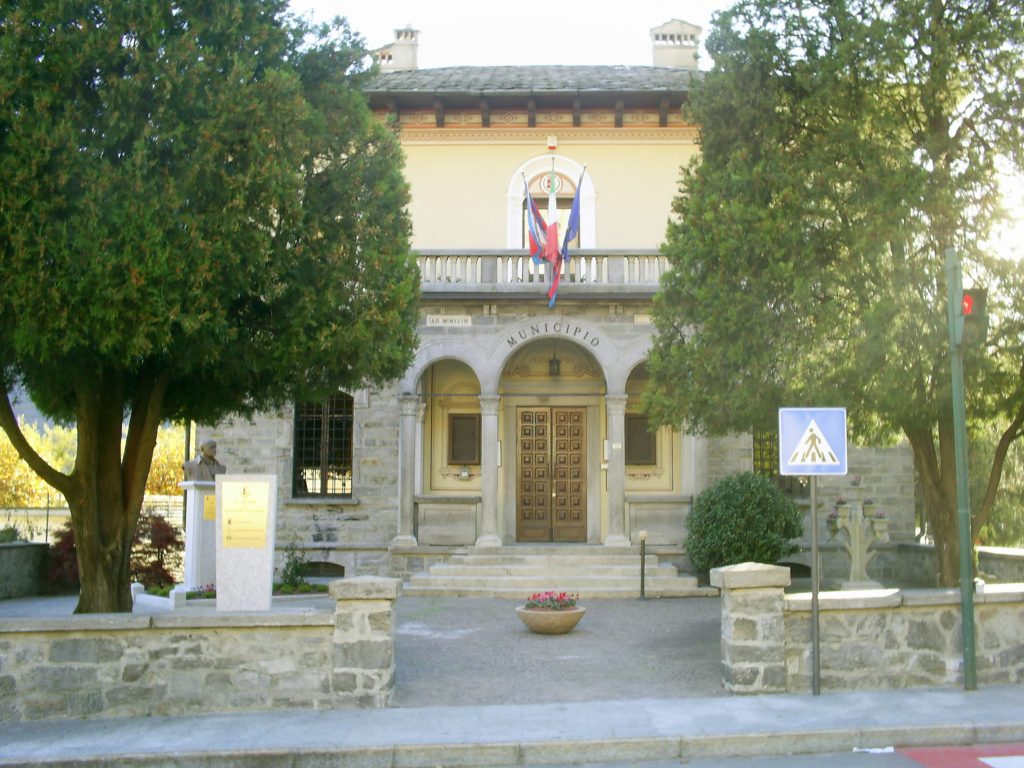
Druogno is one of the gateways to Valle Vigezzo, not far from Santa Maria Maggiore, the valley’s main town. To learn more about the history of the village and its churches, refer to the Municipality of Druogno.
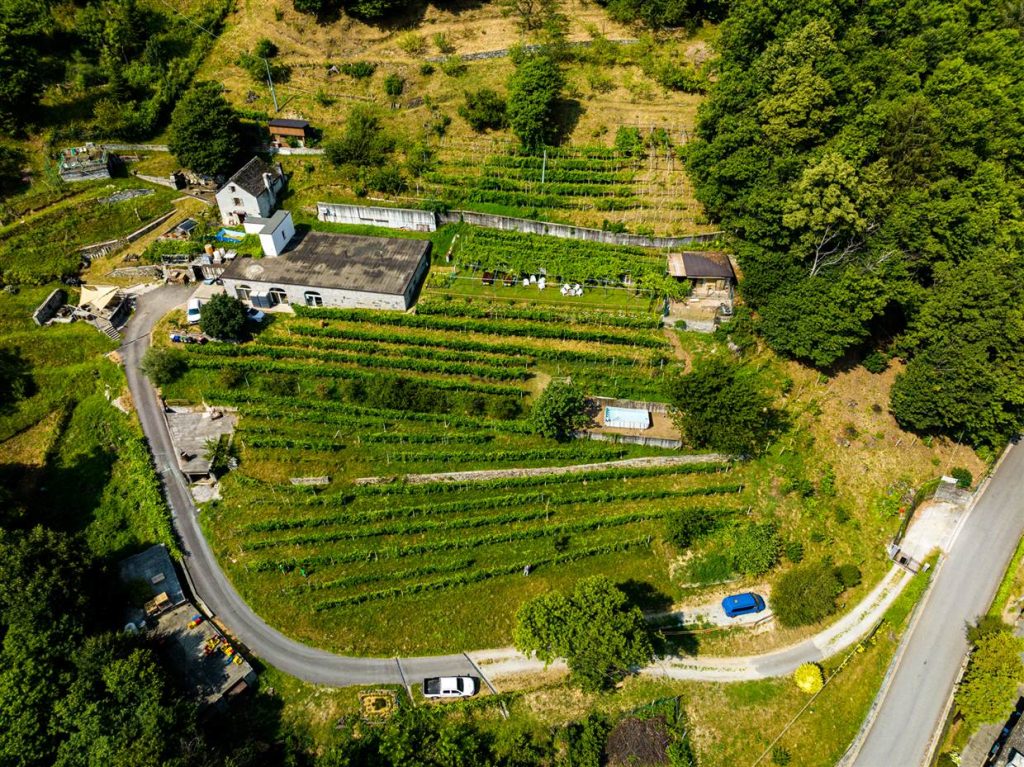
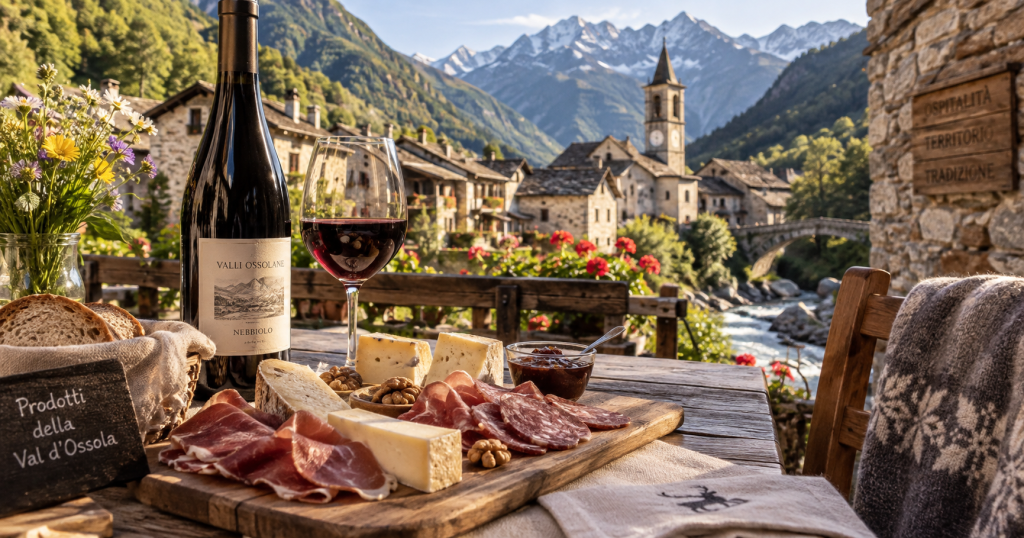
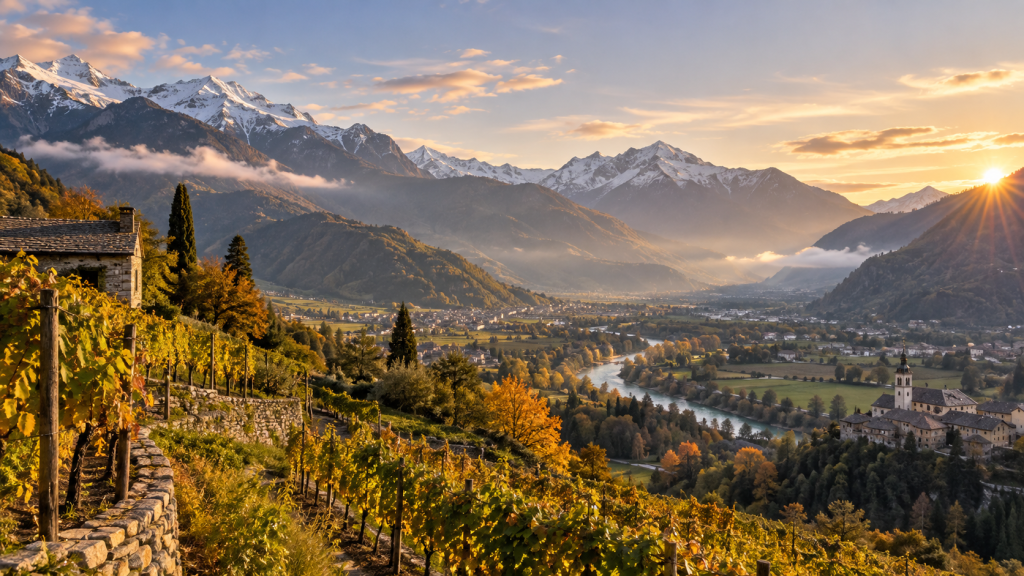
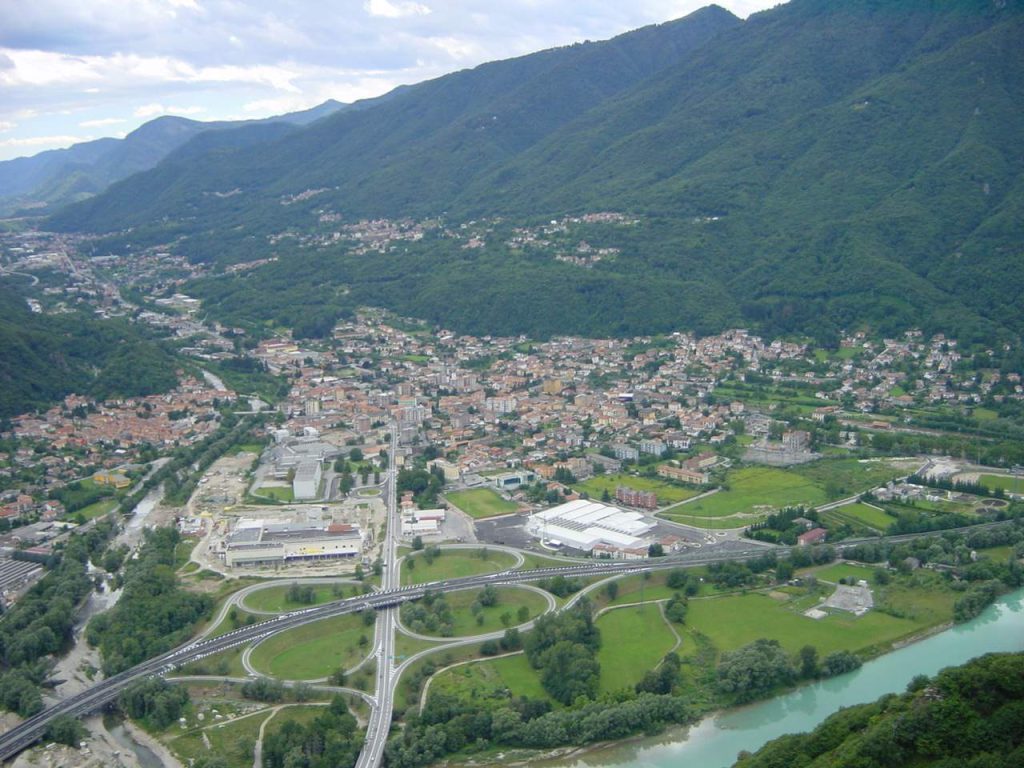
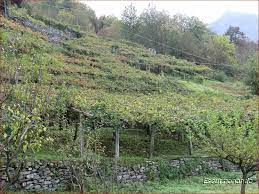
Visitors to Valle Vigezzo can easily combine their day with a trip down to the Ossola valley floor, for a tasting among the vineyards of Val d’Ossola.
A starting point for the upper valley
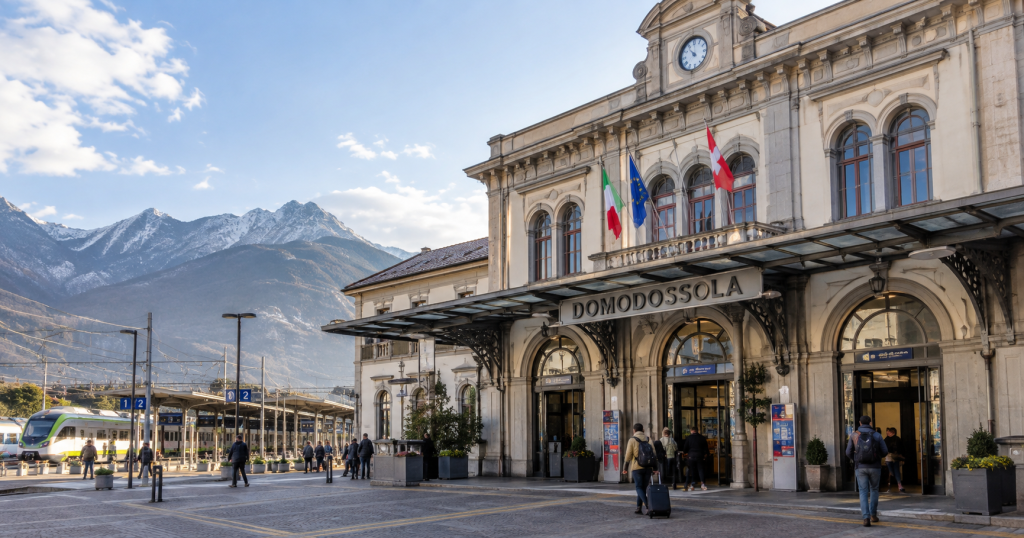
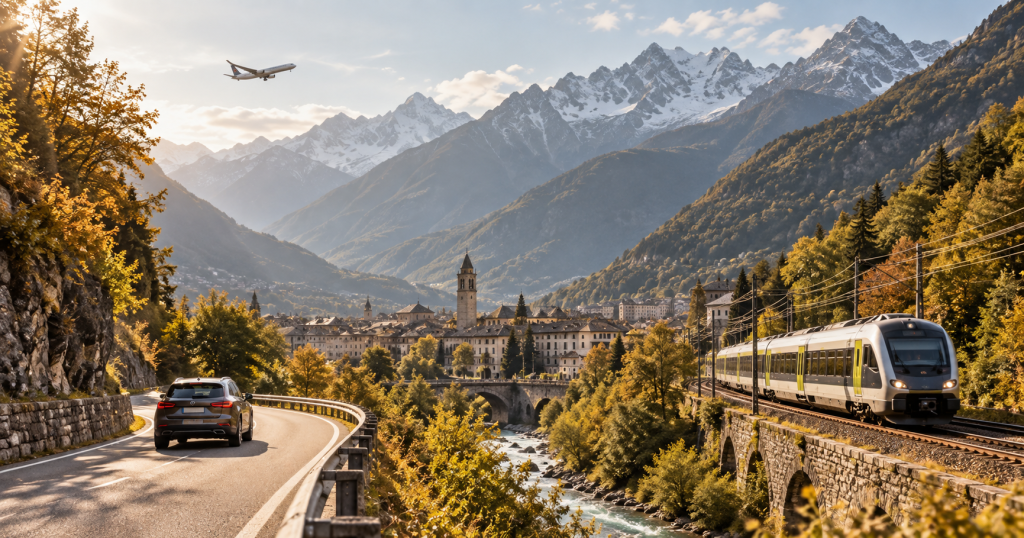
Druogno is often the first point of contact with Valle Vigezzo for those arriving from the Ossola valley floor, a role the village has maintained over time thanks also to the Vigezzina railway station, which connects it directly to both Domodossola and Locarno, Switzerland.
Coimo, the panoramic hamlet
Not far from the centre of Druogno, the hamlet of Coimo deserves a stop of its own for its sunny, panoramic location, as well as for the tradition of rye bread that still characterises local production today: a little world of its own, reachable by a pleasant walk from the main village.
A village in evolution
Druogno continues to invest in its tourism offering, enhancing both the historical heritage of its churches and hiking opportunities towards Coimo and the other hamlets, as part of a growth process involving the entire local community, always committed to preserving the village’s authentic identity.
One final idea: combining a visit to Druogno with the nearby Coimo, perhaps on foot along the panoramic trail, makes it possible to discover two different sides of the same area of Valle Vigezzo.
One gateway, a thousand reasons to stop.
An open gateway, a thousand reasons to stay longer.
One final note on Druogno: its Celtic origins, still visible in its name, bear witness to a history rooted long before the arrival of the Romans in this part of the Alps.
An open gateway, a thousand reasons to stay longer.
An open gateway to Valle Vigezzo, waiting to be crossed.
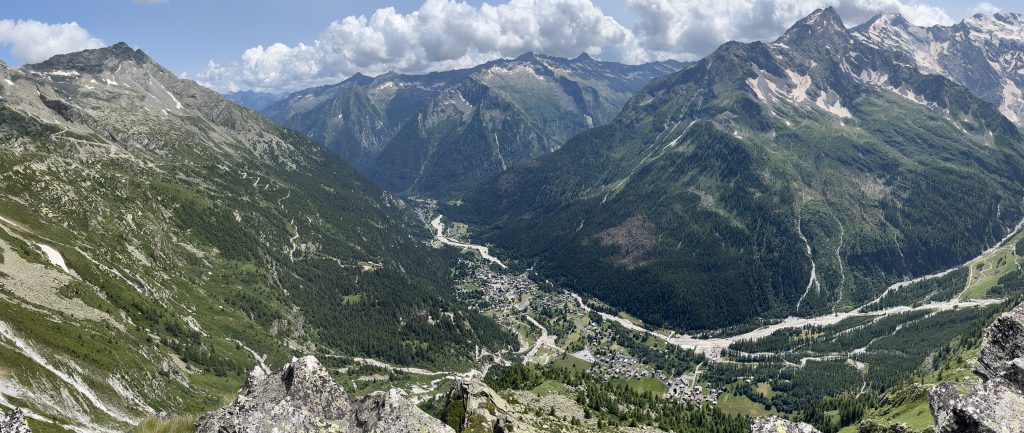
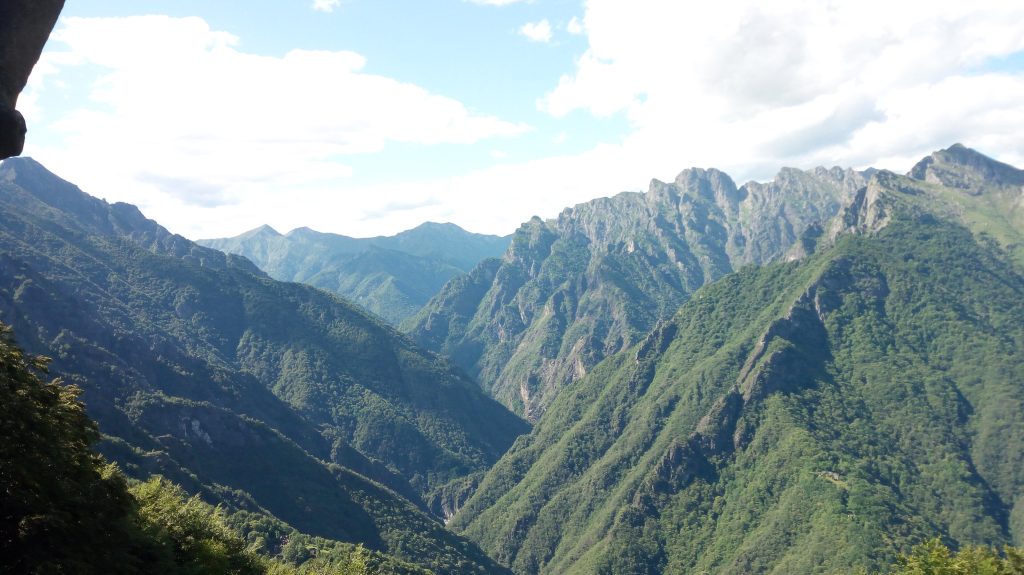
Druogno, the gateway to Valle Vigezzo, still retains the atmosphere of the Walser and Piedmontese villages that shaped the history of this valley of painters. It is a good starting point for those wishing to explore the valley’s trails before continuing towards Switzerland, along a route that alternates villages, woods and Alpine views.
The centre of Druogno, with its traditional houses, invites visitors to take a peaceful break before setting off again towards the other villages of Valle Vigezzo.