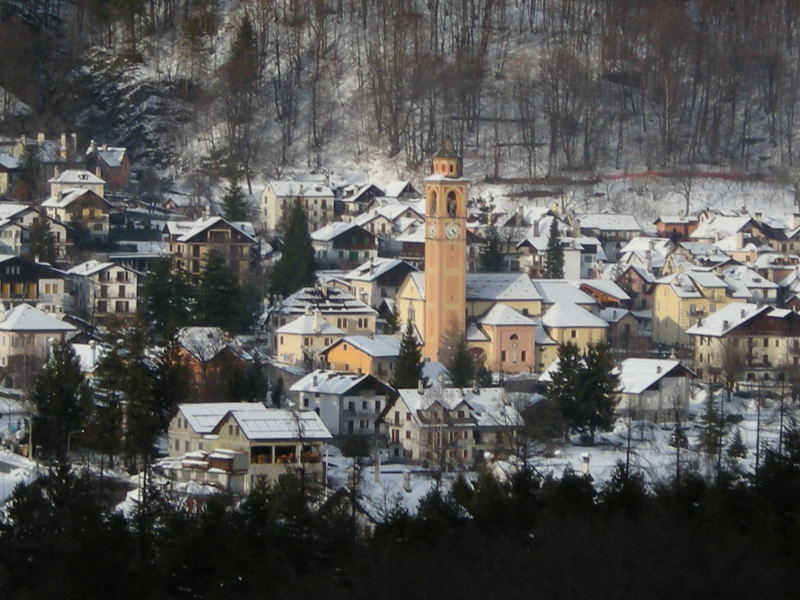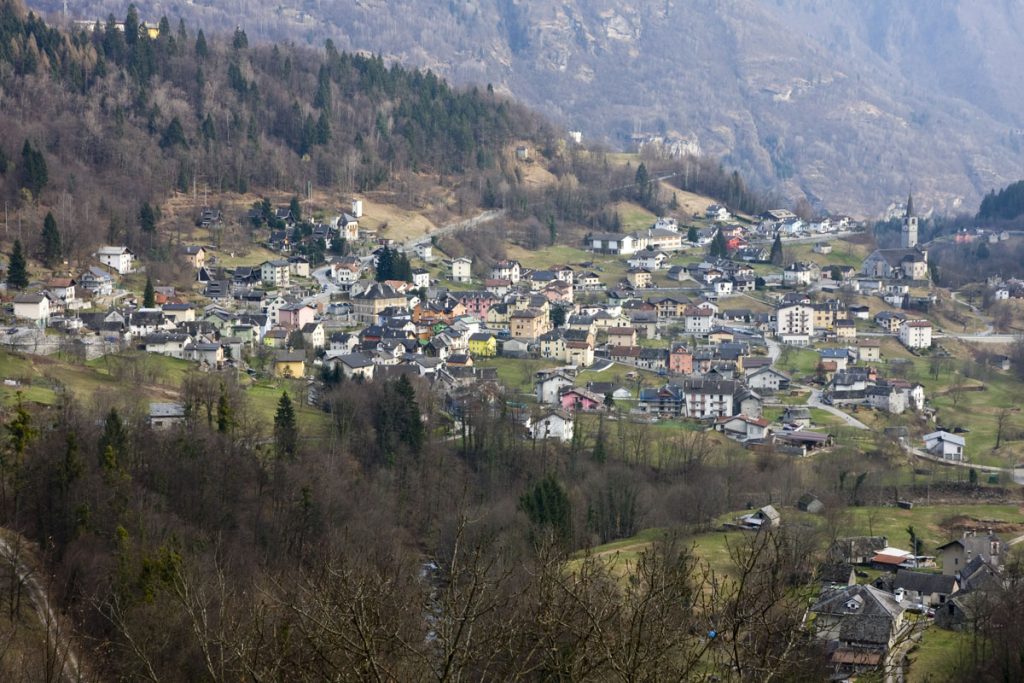
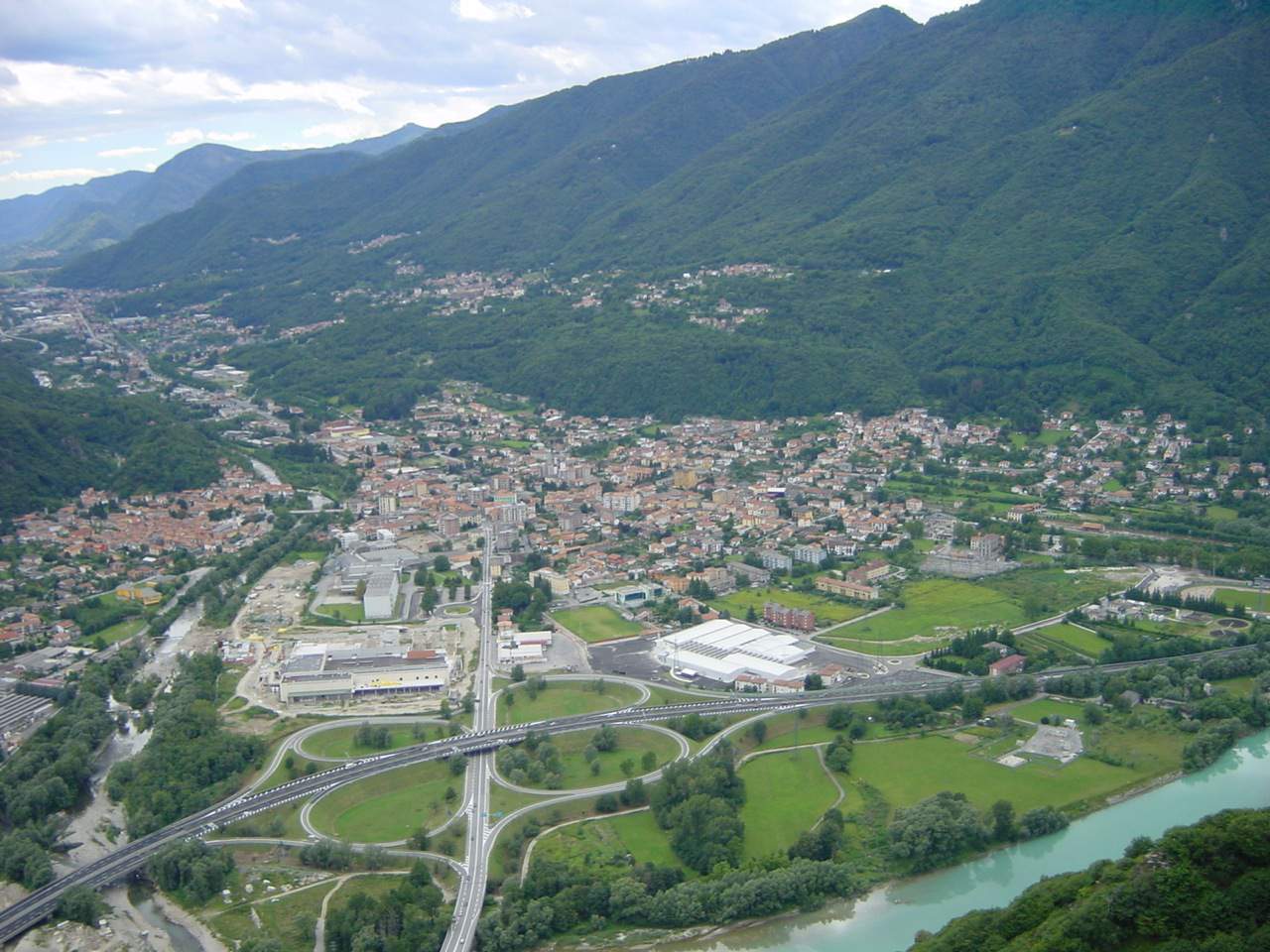
Gravellona Toce is now a modern, lively town, a crossroads between Lake Maggiore and Lake Orta, but beneath its surface lies one of the most important archaeological testimonies in the entire province: the Pedemonte necropolis.
Millennia of history beneath Pedemonte
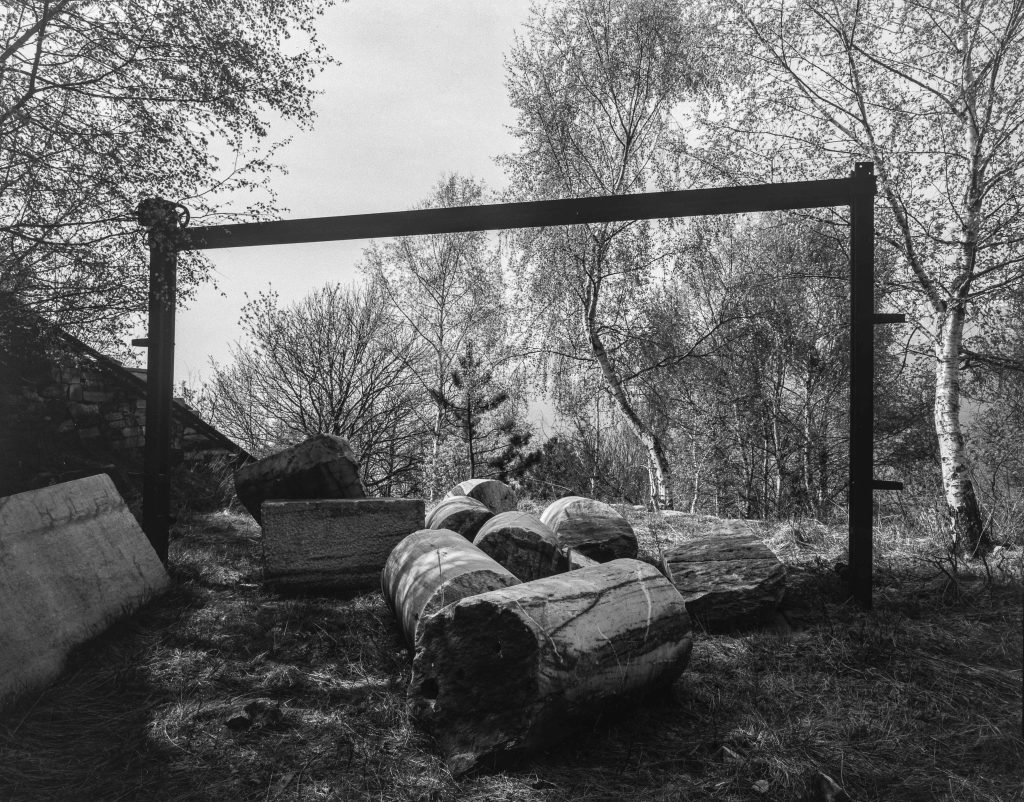
The burial area, discovered between 1954 and 1959 by archaeologist Felice Pattaroni, yielded around 126 burials used for almost a thousand years, from the 5th century BC to the 4th century AD. The oldest tombs date back to the end of the Early Iron Age: the cremation of bodies, accompanied by Celtic-style weapons and imported Etruscan pottery, bears witness to the commercial prosperity of the Golasecca peoples who inhabited the area. In the more recent phases, the coexistence of inhumations typical of the Alpine Lepontii peoples and indirect cremations recounts the meeting, around the 2nd century BC, of different cultures in this corner of Ossola.
The Antiquarium and the Archaeological Park
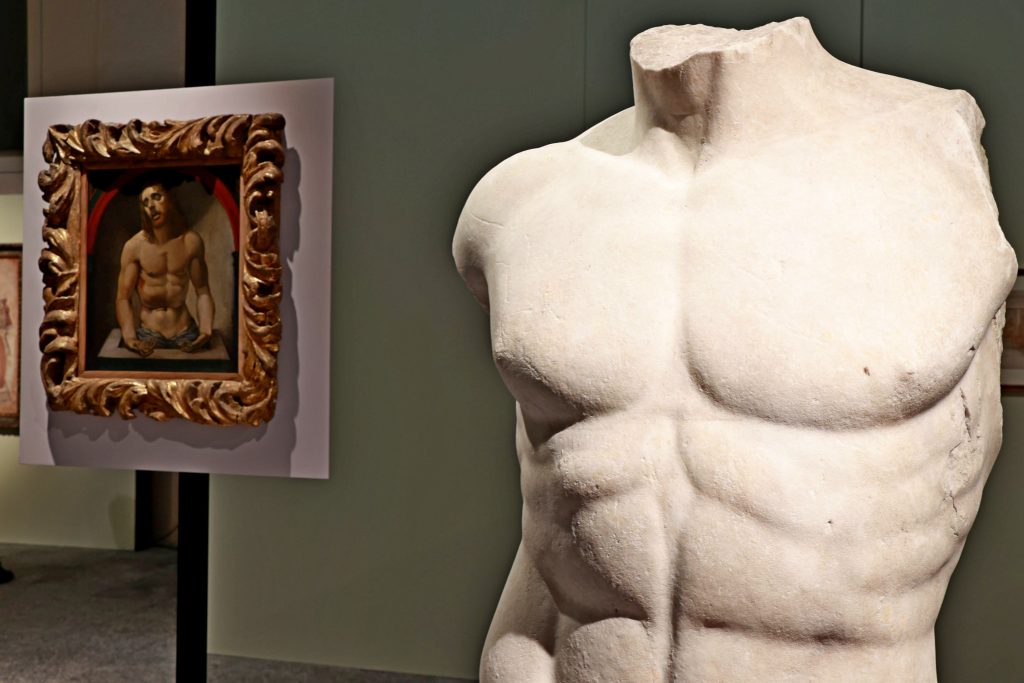
Pattaroni’s excavations also brought to light the remains of an ancient settlement, inhabited from the 1st century BC to the 5th century AD, when the area was a strategic transit point between the plains and the Alpine valleys, crossed by the Via Severiana Augusta, which linked Milan to the north of the Empire. Today, the Antiquarium Museum tells this story through an exhibition arranged into five themed sections, from daily life to trade, while the Pedemonte Archaeological Park allows visitors to walk among the remains of the open-air Roman settlement.
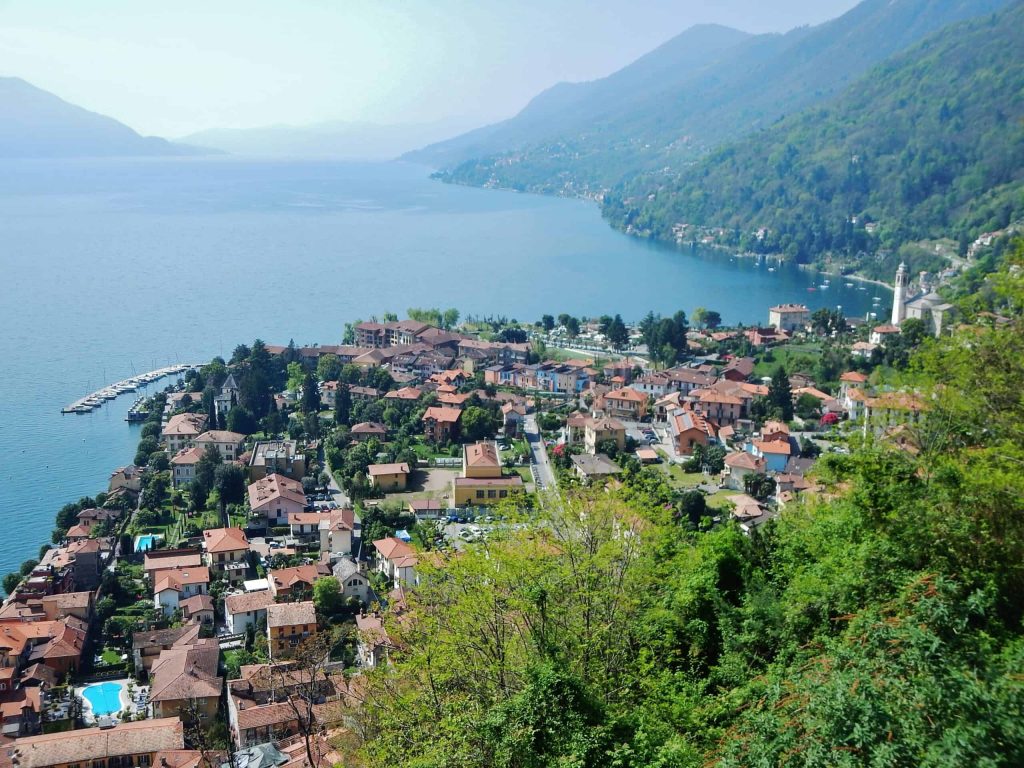
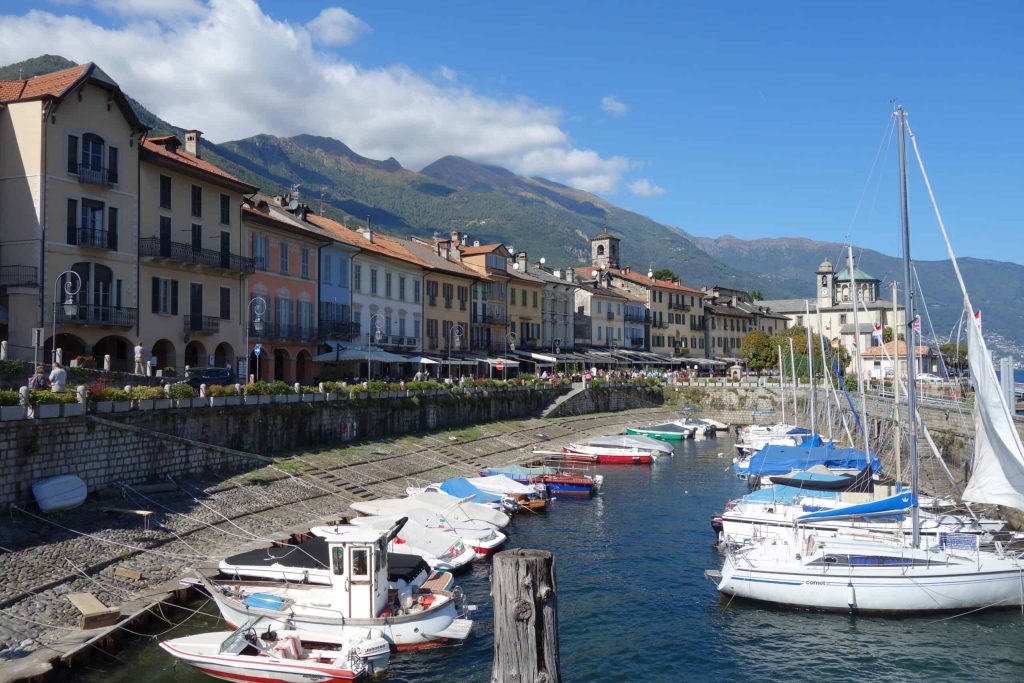
Gravellona Toce, a crossroads between two lakes
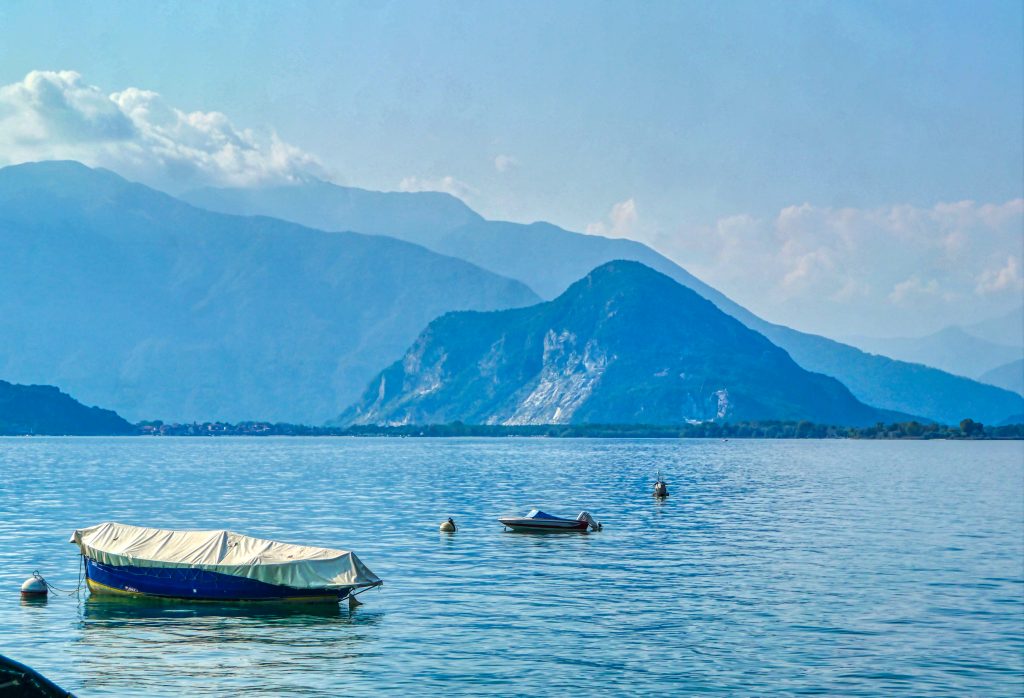
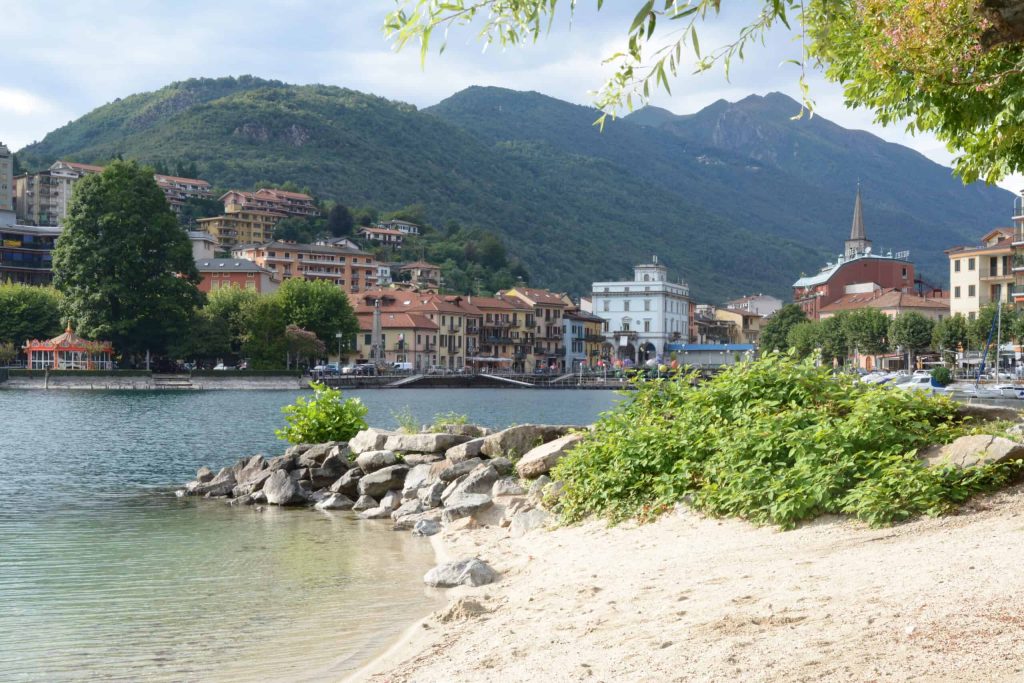
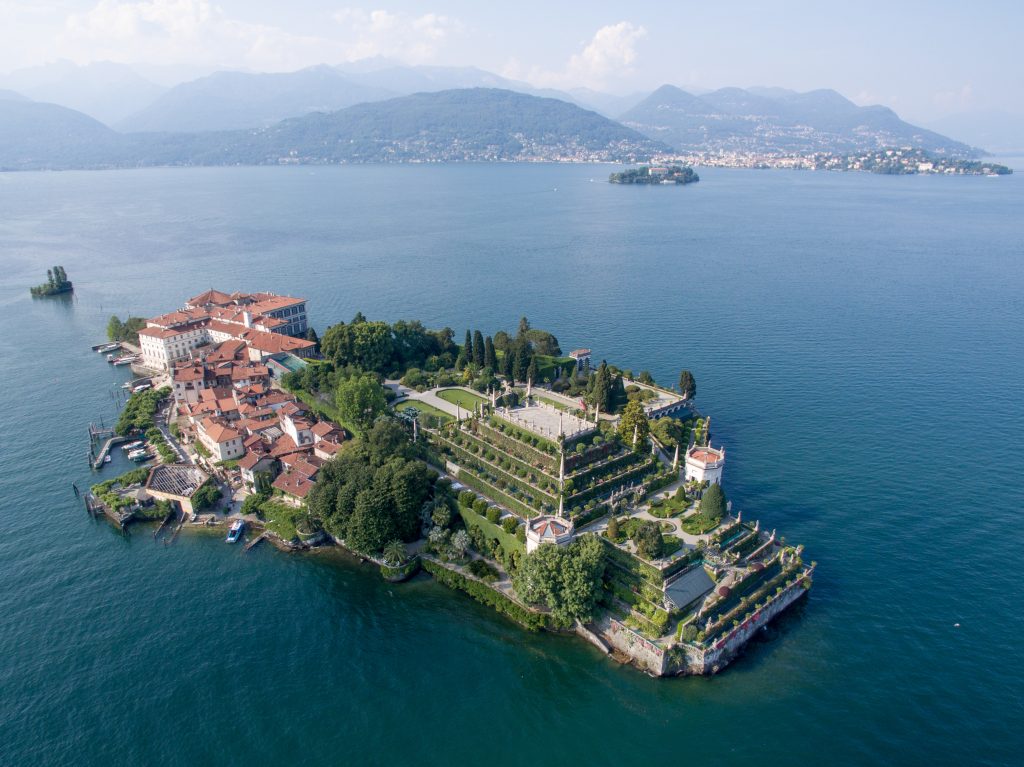
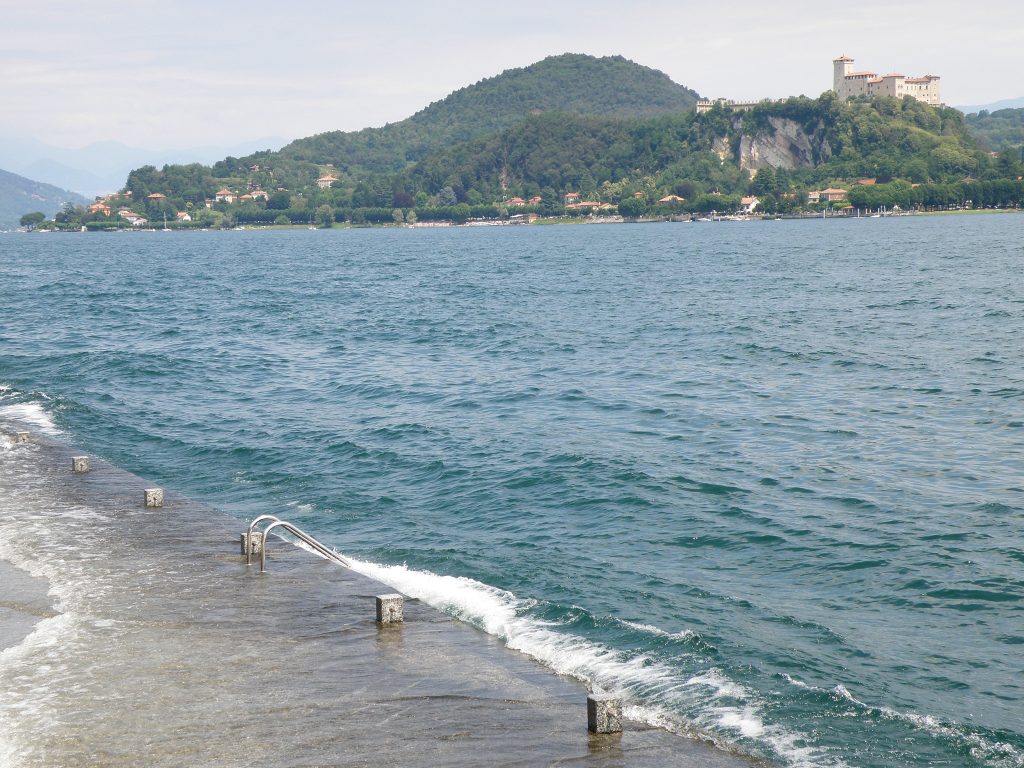
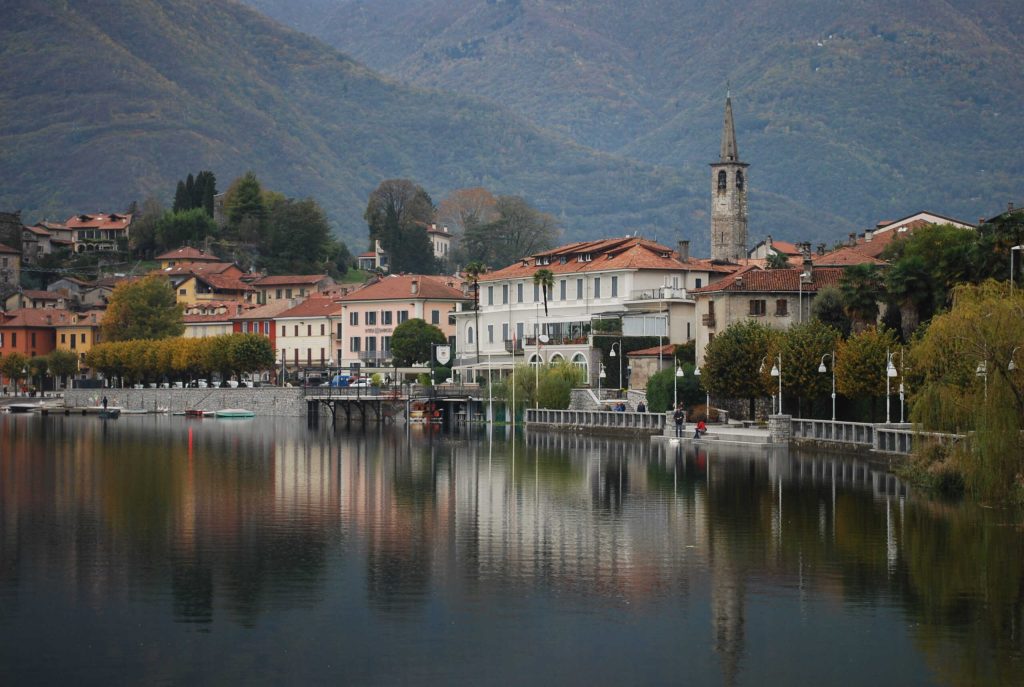
Thanks to its location, Gravellona Toce is often a transit point for those travelling between Lake Mergozzo, Lake Maggiore and Lake Orta. To learn more about the history of the necropolis, refer to the Antiquarium Museum of the Municipality of Gravellona Toce.
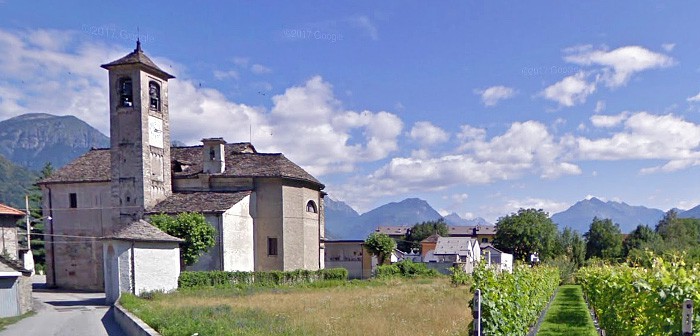
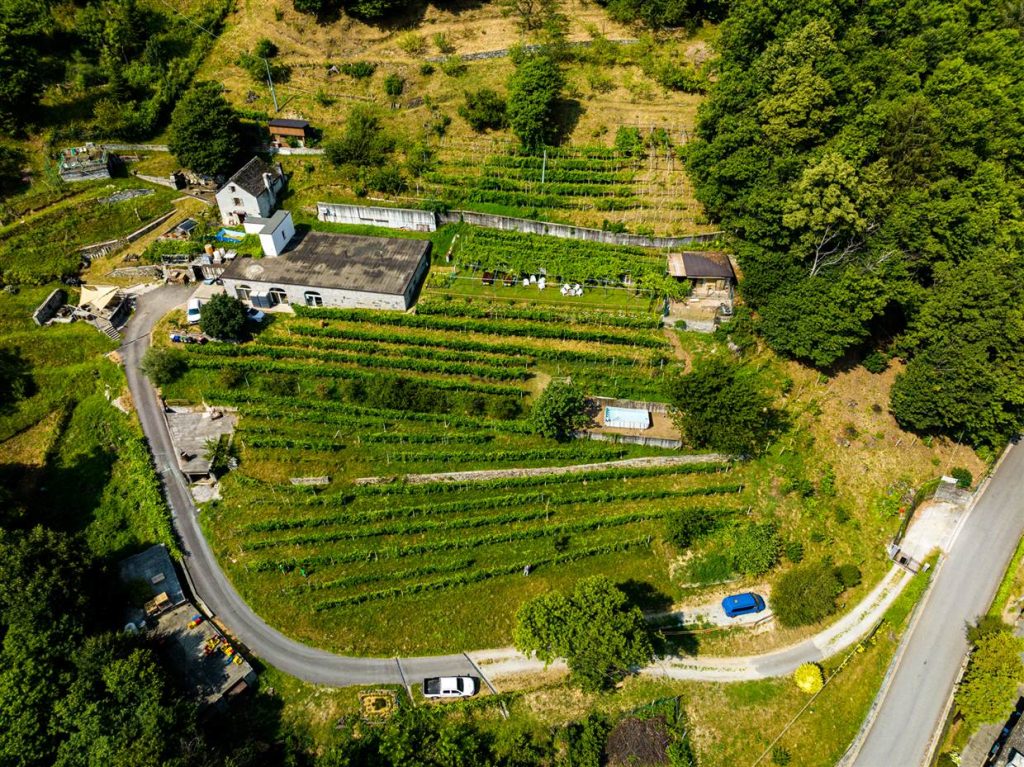
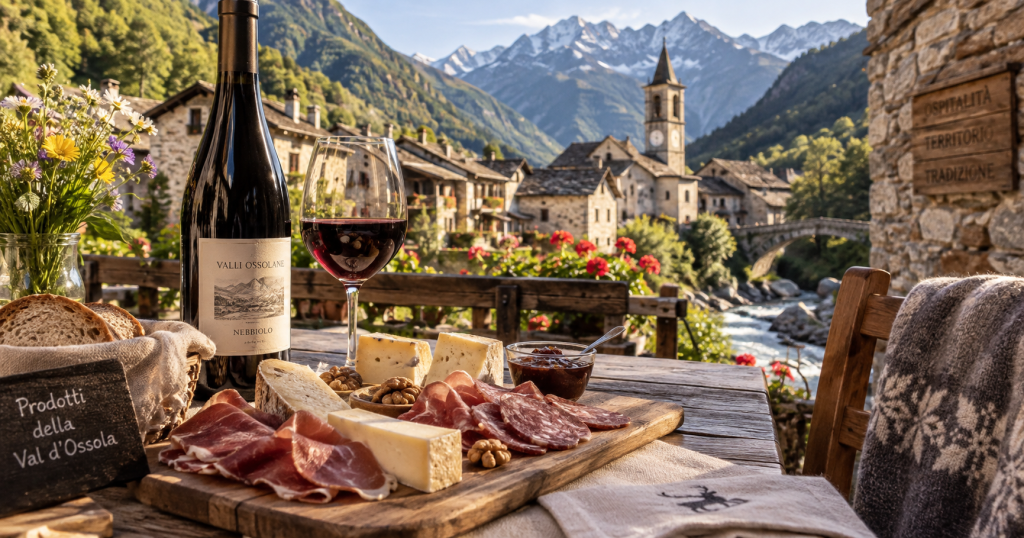
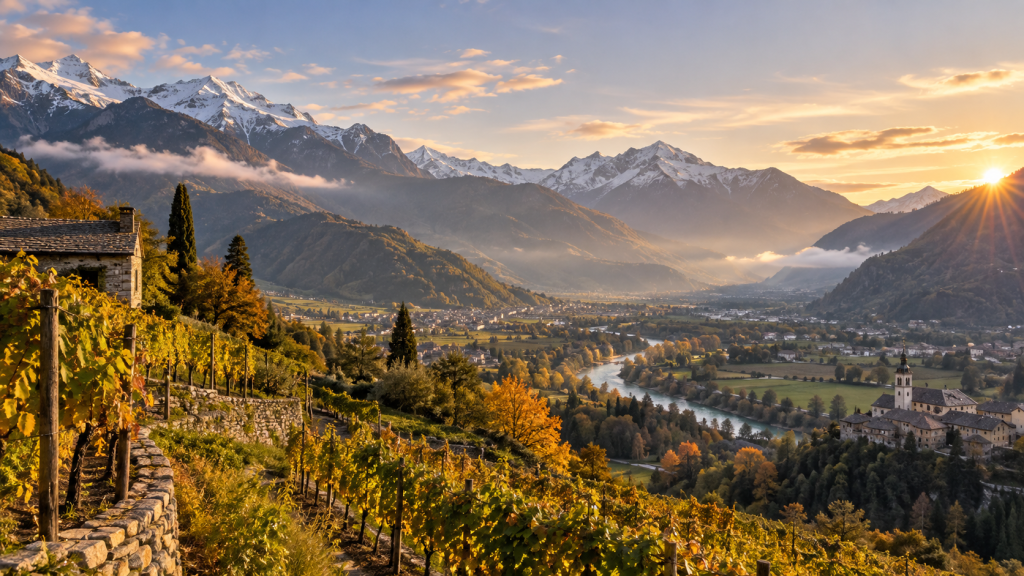
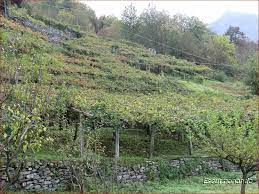
After a dive into ancient history, the vineyards of Val d’Ossola are just a short distance away: a tasting is a good way to continue discovering the area.
Gravellona Toce today
In addition to its important archaeological heritage, Gravellona Toce is now a leading commercial and industrial centre for the whole of Verbano-Cusio-Ossola, also thanks to its strategic location along the main roads connecting Piedmont with Switzerland. This dual identity, combining deep ancient roots with a contemporary vocation, makes the town a convenient starting point for exploring both Lake Maggiore and Lake Orta in a single day.
A bridge between past and present
Gravellona Toce shows how an area can successfully combine contemporary economic development with the enhancement of archaeological heritage of international importance, offering visitors an experience that combines the convenience of modern services with millennia of historical depth.
One final note: the Antiquarium Museum is worth visiting even for just an hour, enough time to get an idea of the archaeological richness preserved in this corner of Lower Ossola.
Two and a half thousand years of history, just steps from the present.
Two and a half thousand years of history, one step away from the present.
One final thought on Gravellona Toce: its dual role as a modern centre and an archaeological site of international importance makes it a surprising stop for those unfamiliar with it.
Two and a half thousand years of history, one step away from the present.
Two and a half thousand years of history, one step away from the present.
Gravellona Toce, a crossroads between Lake Maggiore and Val d’Ossola, preserves in the Pedemonte necropolises one of the area’s most important archaeological testimonies, dating back to the pre-Roman and Roman periods. A site that makes it possible to understand just how ancient human presence in this area is, long before the villages and vineyards that now characterise the landscape developed.
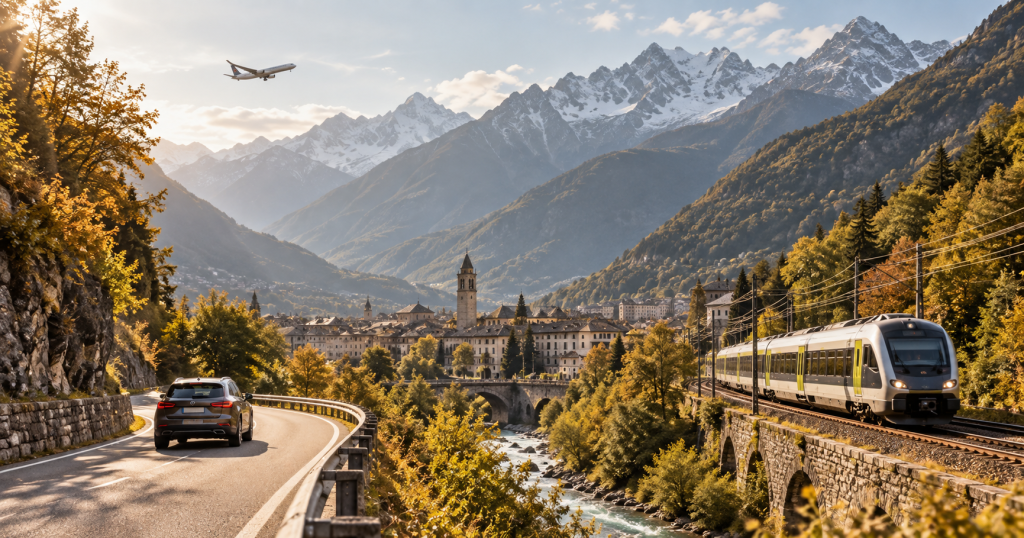
Today, the archaeological site stands alongside a dynamic municipality, a crossroads of road and rail connections between Lake Maggiore and Val d’Ossola.