Wine bottling is the last of the stages of the winemaking process: the journey that, after harvesting, crushing and must fermentation, leads to wine. At the end of this stage, but not before a final period of bottle ageing, the alcoholic beverage will embark on the last part of its journey to reach the glass from which it will be enjoyed.
The period for wine bottling, the appropriate month, is assessed according to the type of wine, and a proper bottling calendar is established. Generally speaking, wines to be consumed within the year will be bottled earlier, usually in March, while those intended for ageing will be bottled later.
Before bottling wine
Once fermentation is complete, it is time for the wine to be transferred into bottles, according to a bottling schedule established through the experience of the oenologist and producer. A glass bottle of a shape and size suited to its characteristics, clean and sterile, is used with the aid of a siphon, leaving the right amount of space for a cork. Bottling is a delicate moment which, due to its “irreversibility”, requires careful product analysis and any necessary corrections before the final evolutionary processes begin inside the bottle. Along with the use of the appropriate wine bottling equipment and proper storage, the controlled progress of ageing must be ensured, guaranteeing the stability of the characteristics and the final quality of the alcoholic beverage.
The wine to be bottled may, where necessary, be filtered to make it clearer or remove unwanted substances, undergo secondary fermentation, have its colour corrected by blending it with other wines, and have its structure enhanced by adding tannins. Ordinary wines may even be pasteurised.
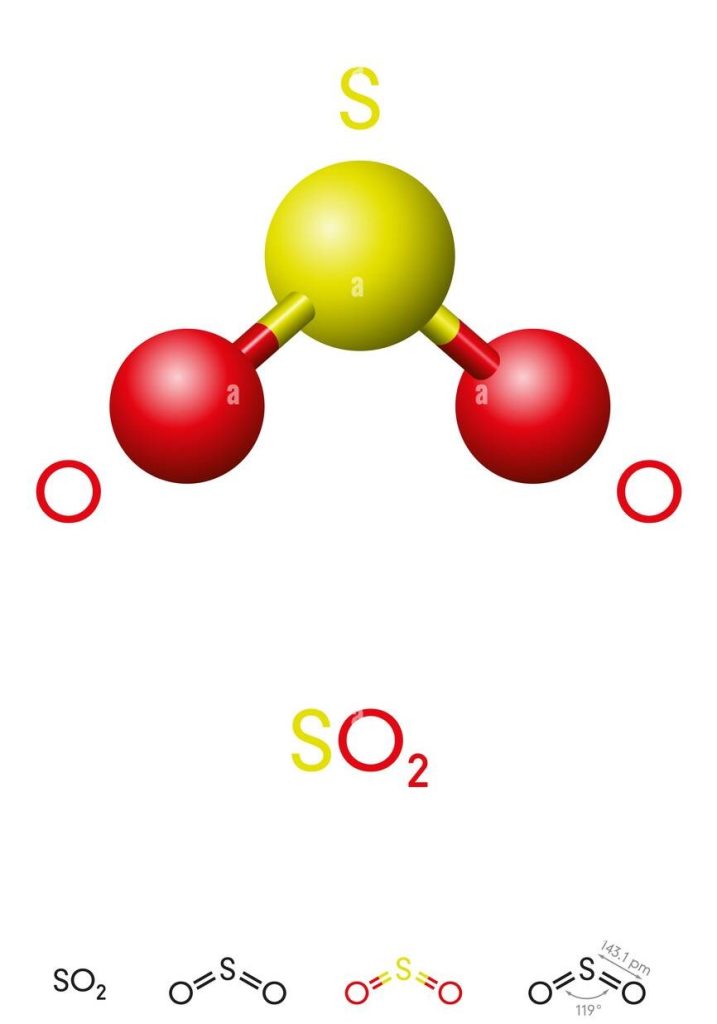
Among the parameters to be checked and, if necessary, corrected before bottling are the alcohol content, acidity, the quantity of sulphur dioxide present, and the concentration of iron, copper, proteins, bacteria and yeasts, all of which are important for the biological stability of the wine.
The wine bottling procedure and equipment
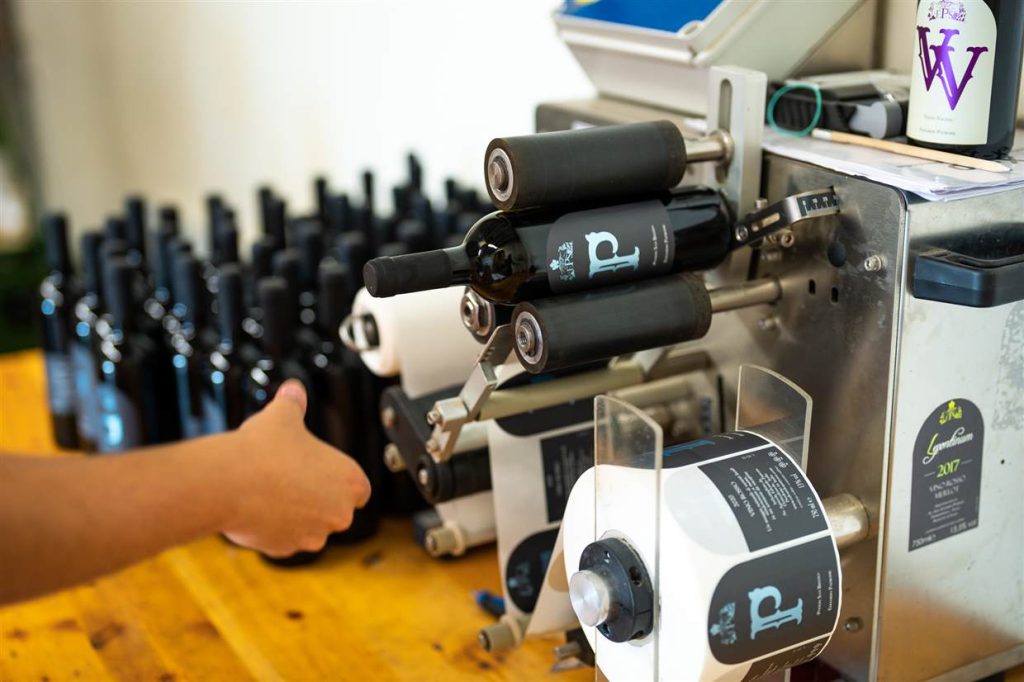
The details of how each step is carried out on bottling lines may differ from winery to winery; however, the essential stages of the bottling cycle are the same: bottle washing, filling, corking and labelling.
Choosing and washing bottles
To every wine its own bottle, as the saying goes. Except in rare cases where the wine producer chooses unusual shapes to stand out, there are standard bottle shapes suited to the main well-known wines: usually dark glass for fortified wines and reds, light green or clear glass for whites, with more pronounced shoulders to retain the deposits formed during prolonged ageing in certain wines intended for ageing.
When bottling quality wines, we generally refer to new bottles, but this does not mean that dust and manufacturing residues do not need to be removed. For this purpose, rinsing machines are usually used, with washing cycles lasting around 30 minutes, avoiding sudden temperature changes that could cause cracks or breakage. Tunnel bottle washers, on the other hand, are generally used for bottles to be recycled, where cleaning must be more thorough and labels sometimes need to be removed.
Filling techniques and precautions
The stability of organoleptic qualities and the proper storage of wine depend largely on bottle filling. Filling machines, which may be siphon, vacuum, gravity or isobaric types, ensure that the right amount of wine is placed in the bottle; they are selected and set according to the wine to be bottled.
Corks and bottle closure
The most widely used material for corks is cork: natural, elastic and porous, but unfortunately unable to guarantee a stable, uniform OTR (Oxygen Transmission Rate), and which may also cause the unpleasant issue of “cork taint”, or TCA.
In recent years, substitute materials have been sought: in addition to aluminium screw caps, which do not deliver satisfactory results, especially if the wine is to be stored for a long time, synthetic corks and even glass stoppers have appeared on the market. The fact is that none of these alternatives to cork stoppers has lived up to expectations or won the hearts of winegrowers, oenologists and consumers.
After the cork is inserted, the capsule, made of tin or other heat-shrink materials, is applied using a capsule applicator. The capsule protects the cork without preventing the passage of air and, together with the label, completes the bottle’s packaging.
Labelling
The label on the bottle is not a mere accessory, but the wine’s calling card: as well as displaying the information required by law, it is a marketing tool that supports the professionalism of wine producers and can enhance their competitiveness.
Interesting facts and traditions surrounding wine bottling
In popular tradition, choosing the period for wine bottling depended on the lunar calendar: hearsay or empirical evidence validated by results? The truth is that even some cutting-edge wineries, studying every aspect that could influence the success of the vintage in order to draw up a bottling calendar each year, do not overlook the phases of the moon.
Thus, those who follow ancient methods will consider bottling sparkling wines during the first quarter of the waxing moon, and wines suitable for ageing during the last quarter. For all other wines, although the full moon is always suitable, they will consider the spring moon in March to be the most favourable. They will probably not touch the wine at all on moonless days.
Whether or not there is a relationship between wine bottling and the moon, one thing is certain: to uncork a bottle and enjoy a glass, any moment of relaxation and good company is the right one. Cheers!
Further reading
The stages connected with bottling: wine ageing, grape harvesting, traditional grape crushing.