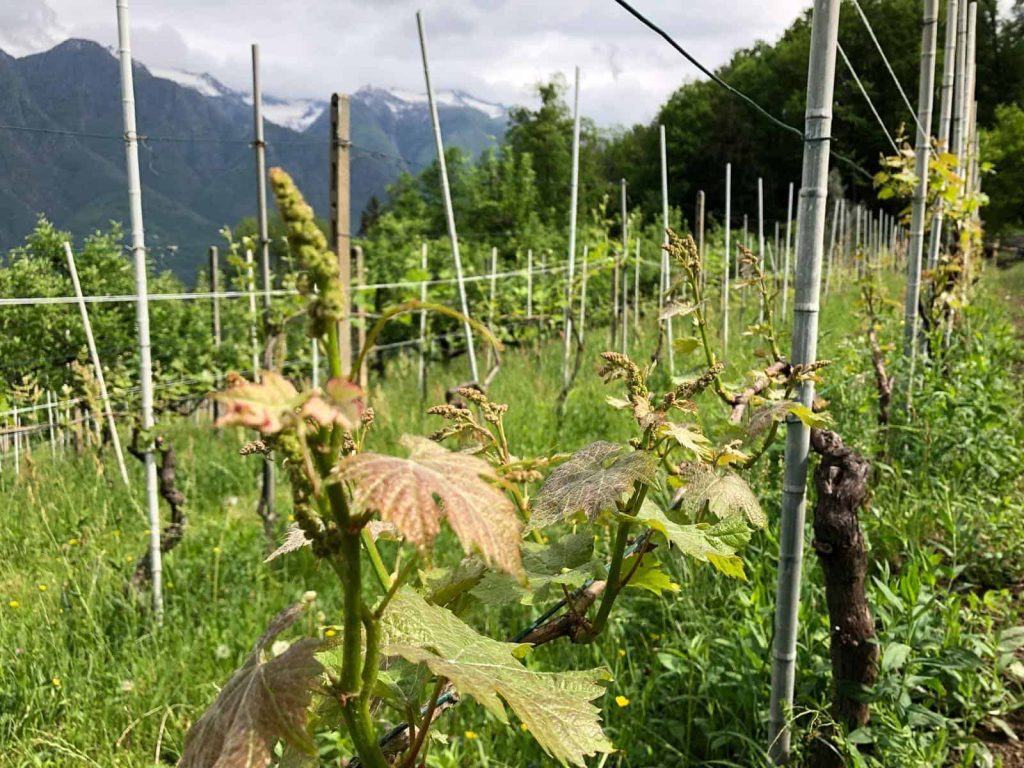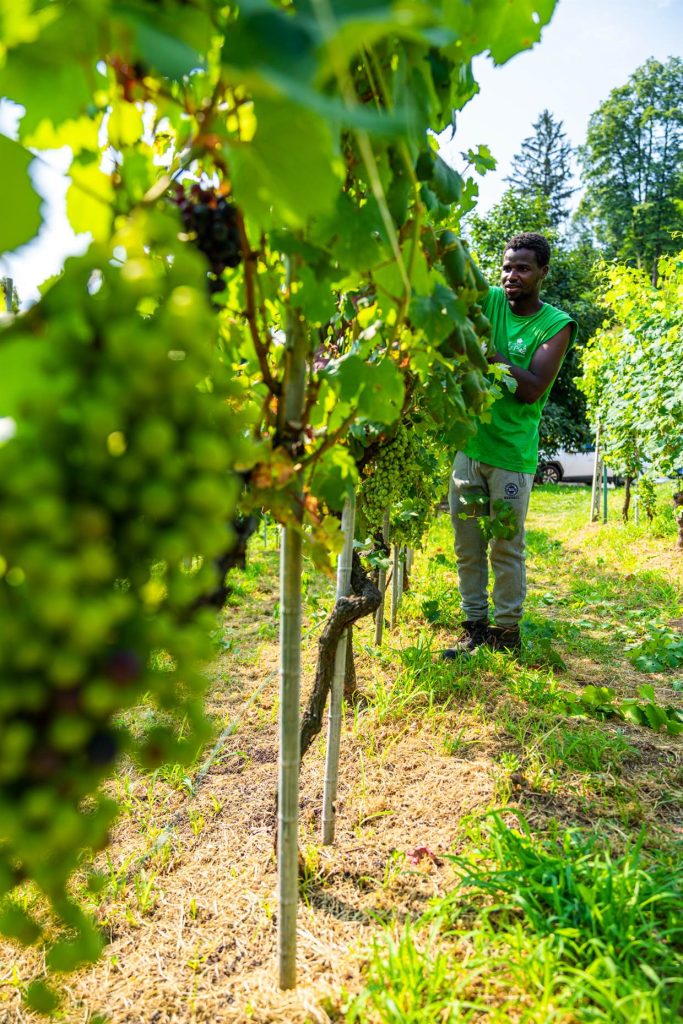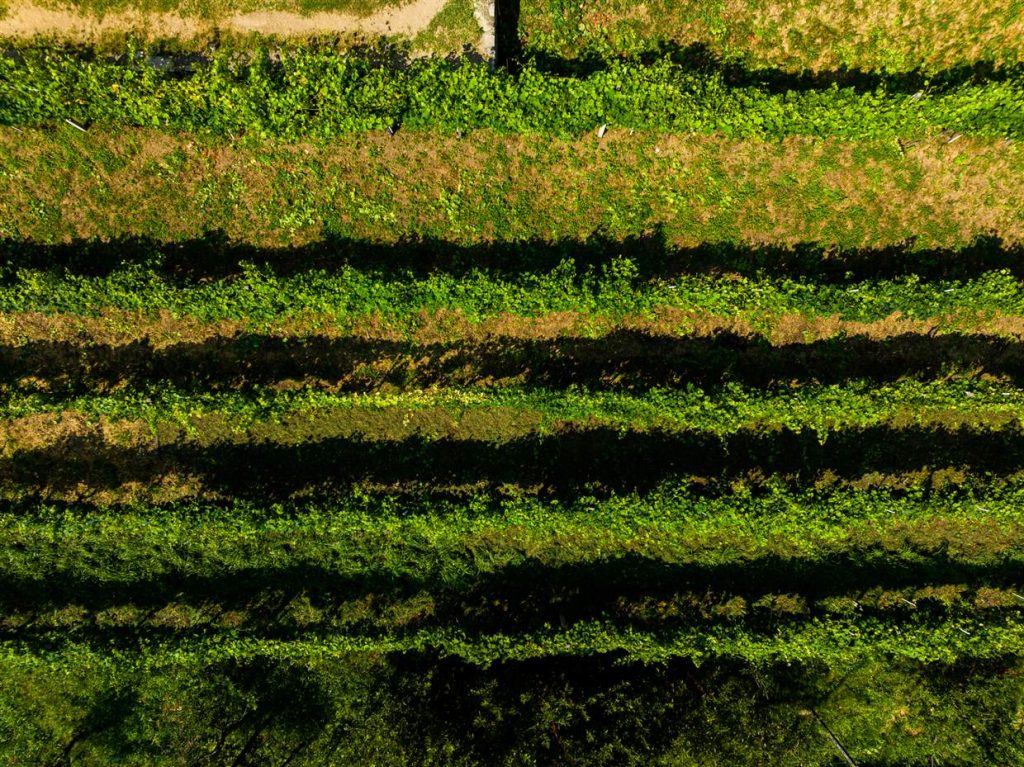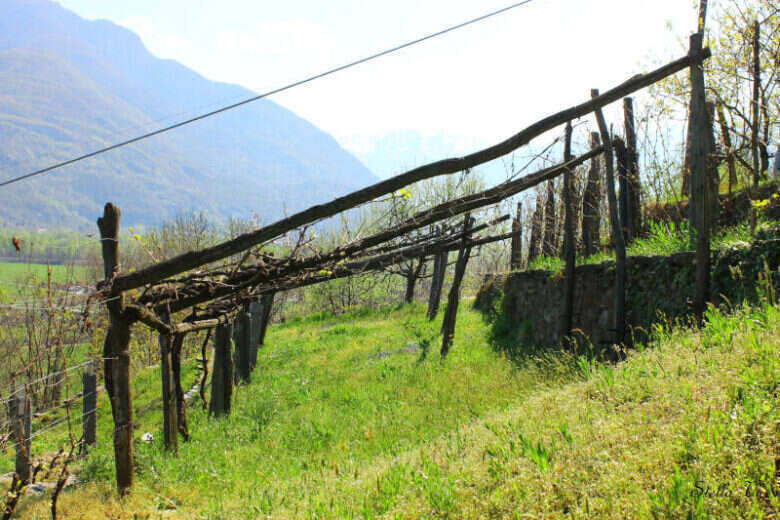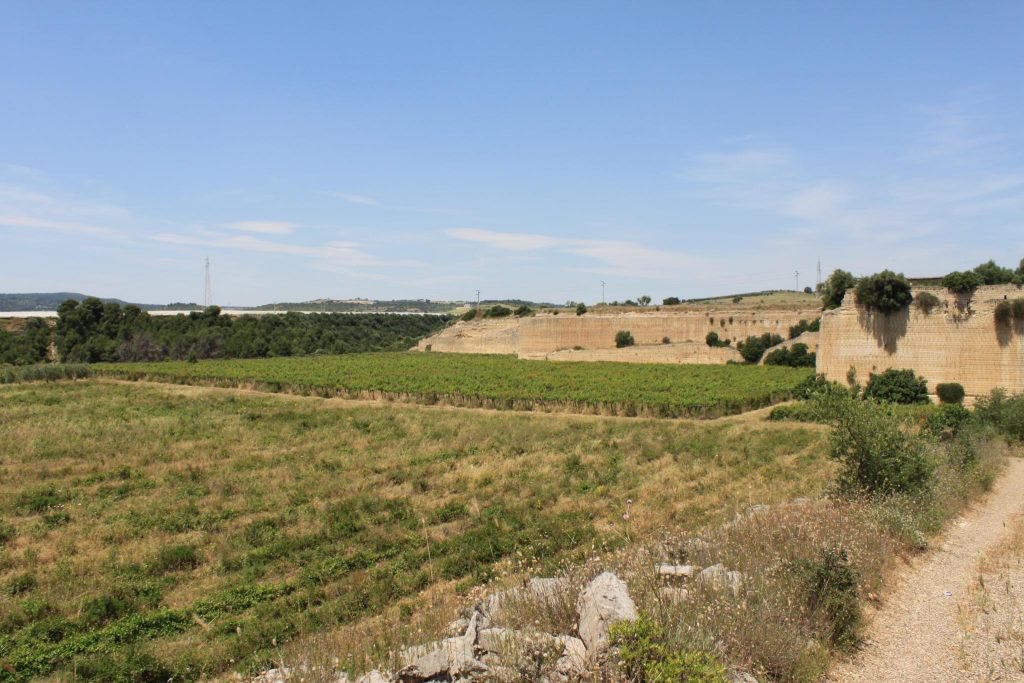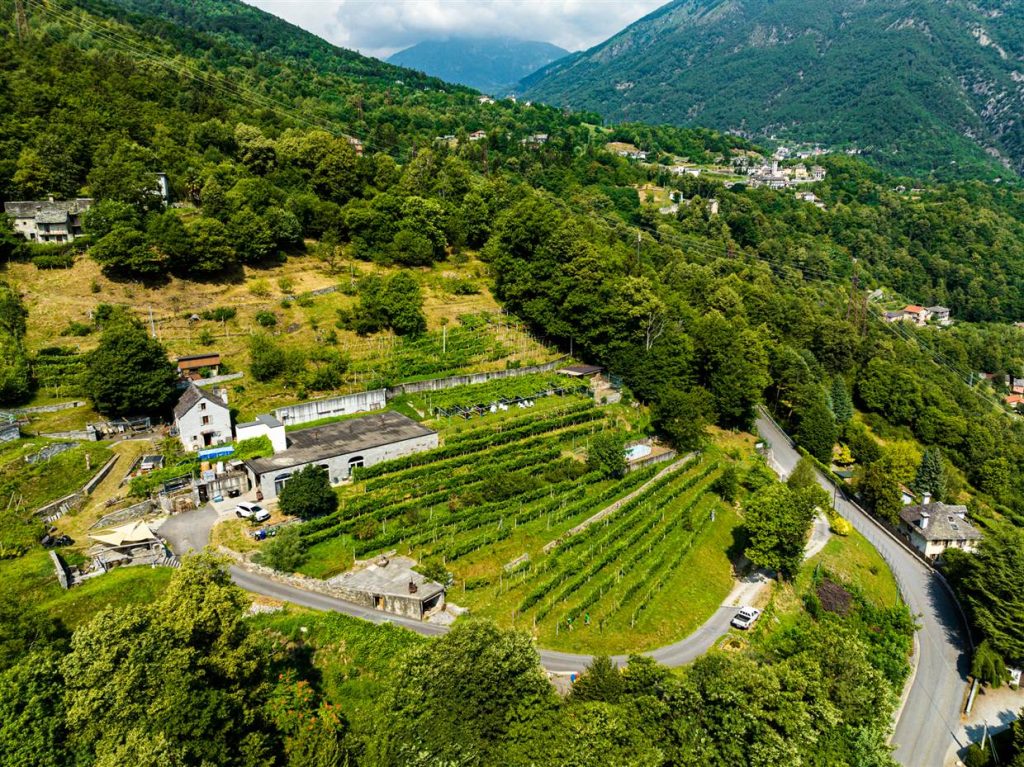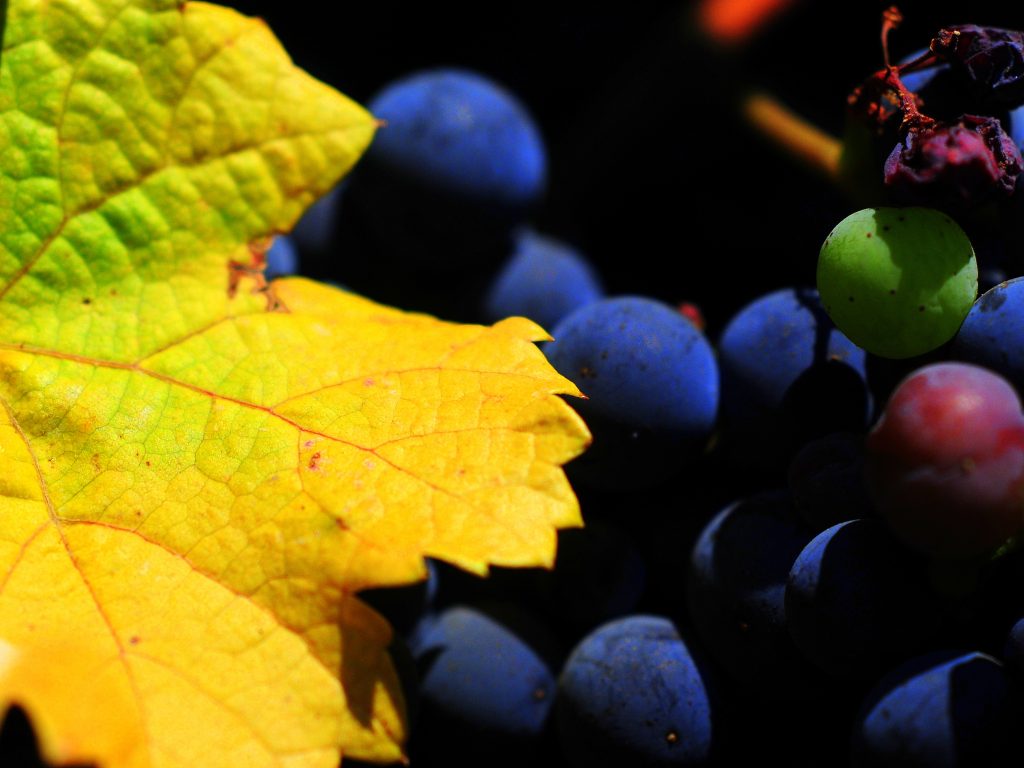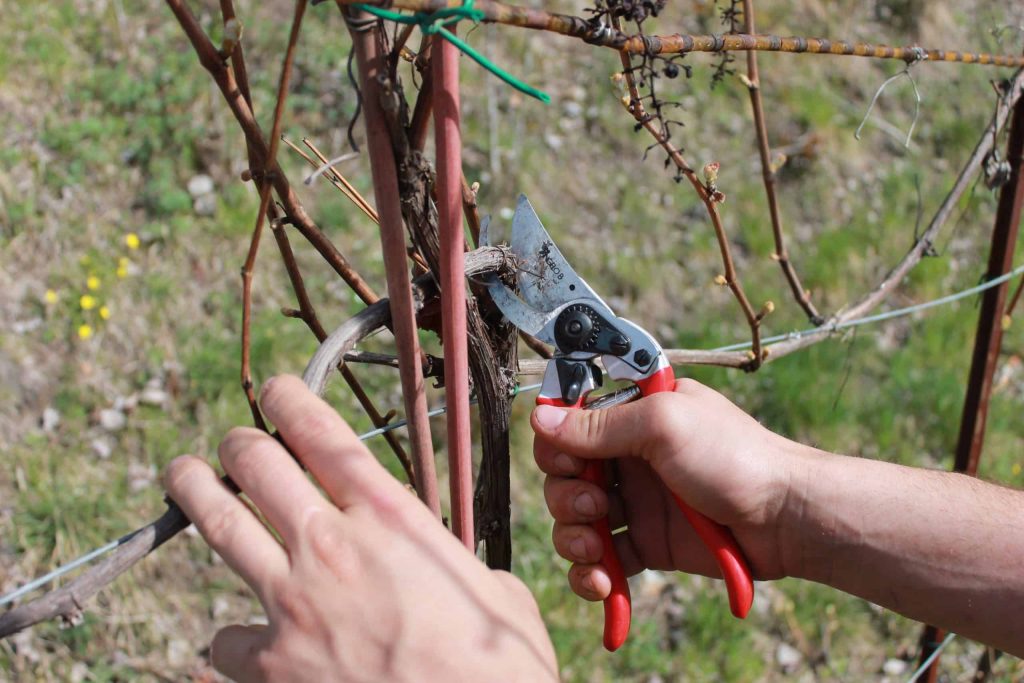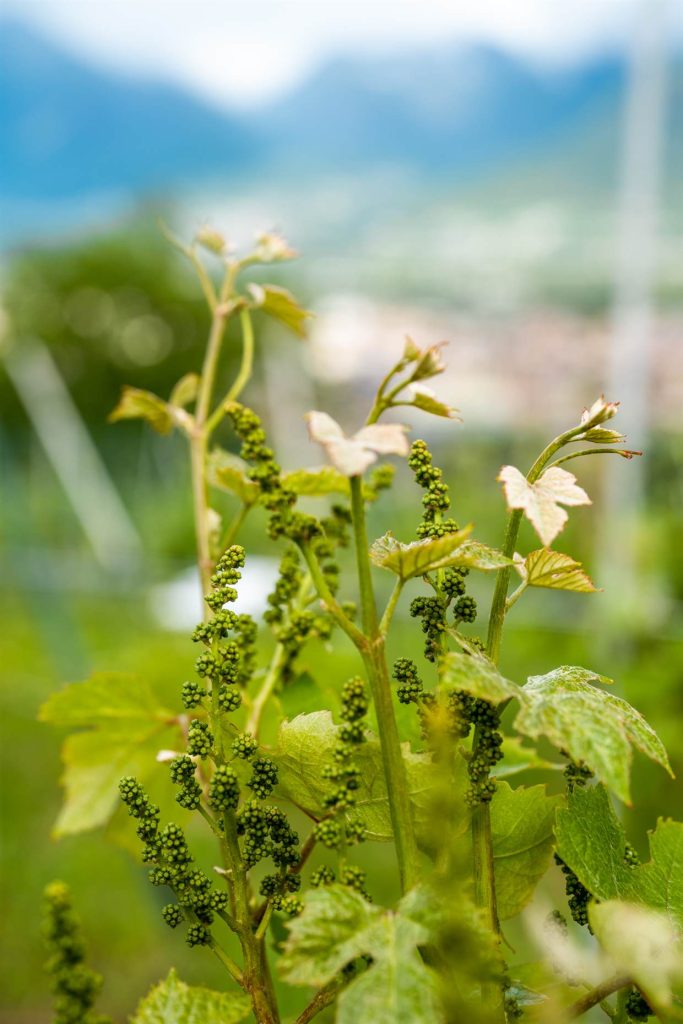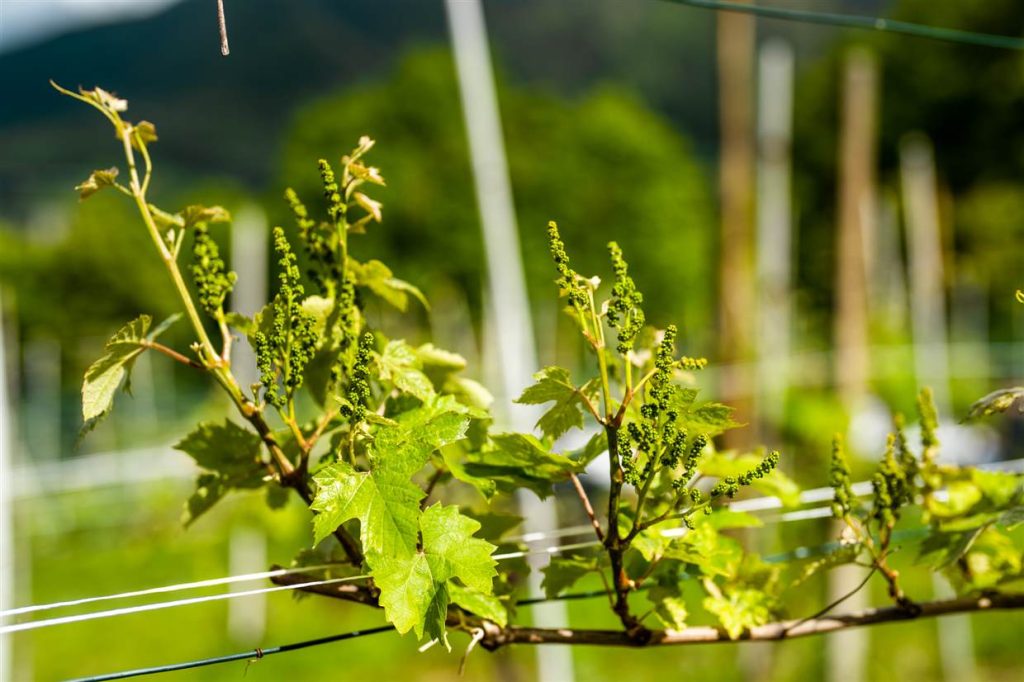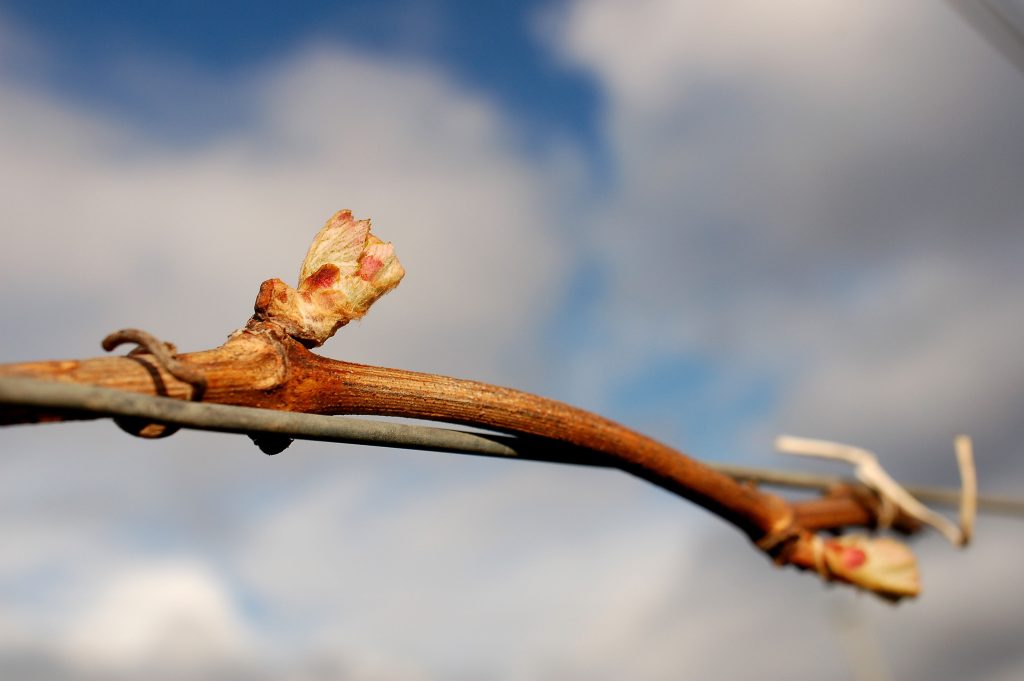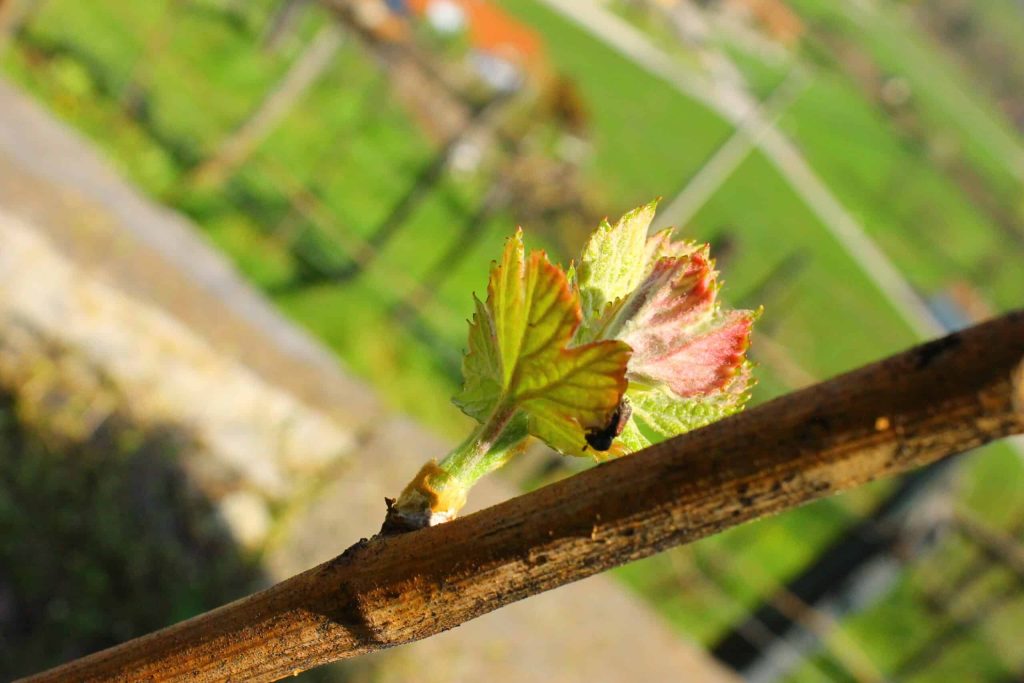
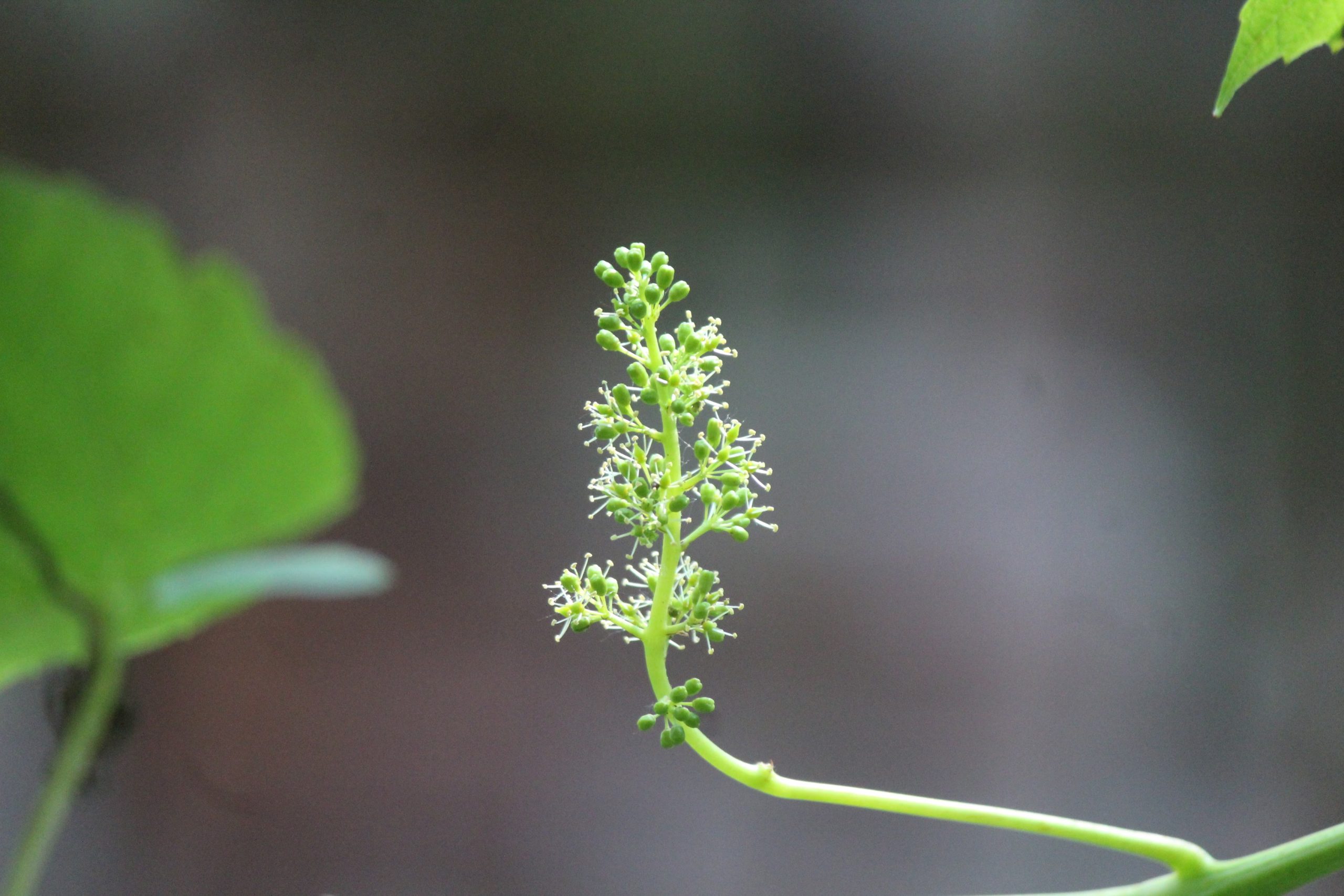
Budbreak, or budding: this is what happens around 15 days after the vine begins to weep, when shoots appear on the canes.
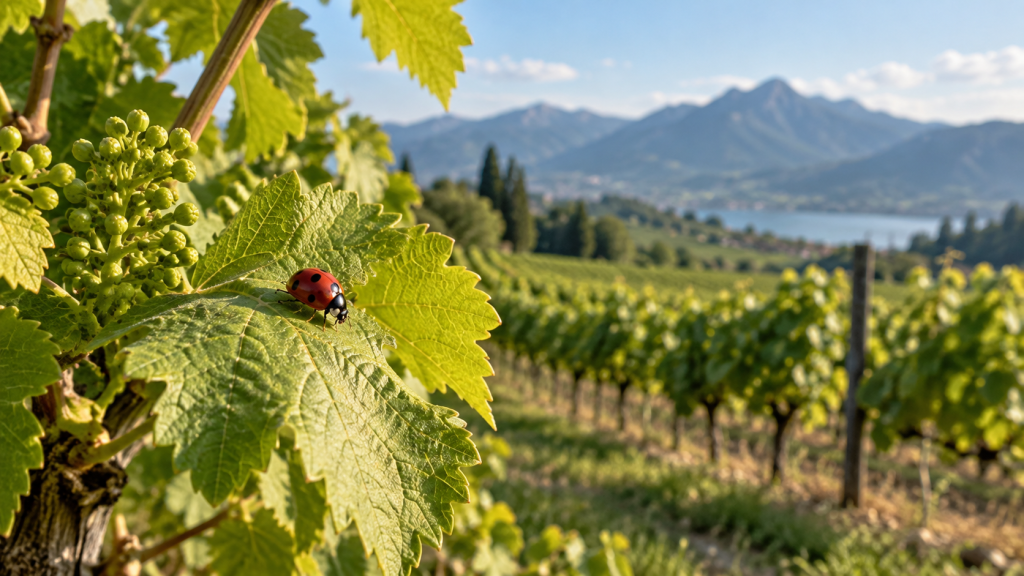
Although critical, the vine budbreak stage, between the end of March and the beginning of April, has a particular charm of its own, including aesthetically. It is a good time to visit the vineyards and admire the fresh green of the lengthening shoot tips, with the small leaves unfolding from the bud day by day and becoming more numerous.
The vine budbreak period is also when winegrowers plant grafted vine cuttings, between the end of winter and the beginning of spring. Spring rains will gently compact the soil around the root system and, together with mild temperatures, will encourage hydration and budbreak in the young vines too.
How and when vine budbreak occurs
The onset of budbreak is mainly influenced by the climate, the outside temperature and soil temperature. In Europe, the air temperature normally reaches the crucial point (vegetative zero) at around 10 °C; if this condition persists for 7 to 10 days, growth hormones begin to circulate through the plant and the formation of shoots, buds and suckers begins.
Some of the other factors that determine the onset of budbreak are the type of grape variety and the vineyard’s particular microclimate, its altitude, orientation, exposure to sunlight, and the timing of winter pruning. In some cases, more drastic interventions by the winegrower can affect vine budbreak, such as cultivation techniques, chemical or hormonal treatments.
When budbreak begins, the buds on the canes swell and the bracts open to allow the shoot to burst forth with its vital energy, but the vine also becomes more fragile and sensitive.
Frost is the first danger to vines at the budding stage, because the balance of intracellular water within the trunk, branches, canes and shoots themselves has emerged from winter dormancy. The liquid is no longer confined to the root system but carries growth hormones to the buds, while the roots begin to spread through the soil; moreover, the weeping sap itself, which still envelops the shoots, may freeze.
While an unexpected drop in temperature is a risk factor, particularly mild winters and early budbreak, followed by a return to low temperatures that slow the opening of the buds, can also cause problems, encouraging the reproduction of pests that infest the shoot.
Likewise, strong winds are a source of concern for winegrowers, as they can damage or even detach the tender shoots, just as excessive humidity can increase fungal growth.
Protecting shoots from adverse conditions
Winegrowers have methods and strategies available to tackle environmental problems and protect vines during the budbreak stage: modern and traditional strategies to temporarily modify the vineyard microclimate, which are not always easy to apply, affordable or 100% effective.
Against late frost, for example, fans are used to push air downwards, preventing excessively cold air from settling and freezing the roots, or bonfires are lit between the rows. Straw is used for small fires that create a mist over the vineyard: as it burns slowly, it forms a layer of smoke that prevents moisture from descending and freezing, while the entire plant benefits from a slight rise in the surrounding temperature. There are also special paraffin frost candles and electric heating cables that run along the trellises.
Overhead irrigation at night is also a way of stabilising the plant’s temperature.
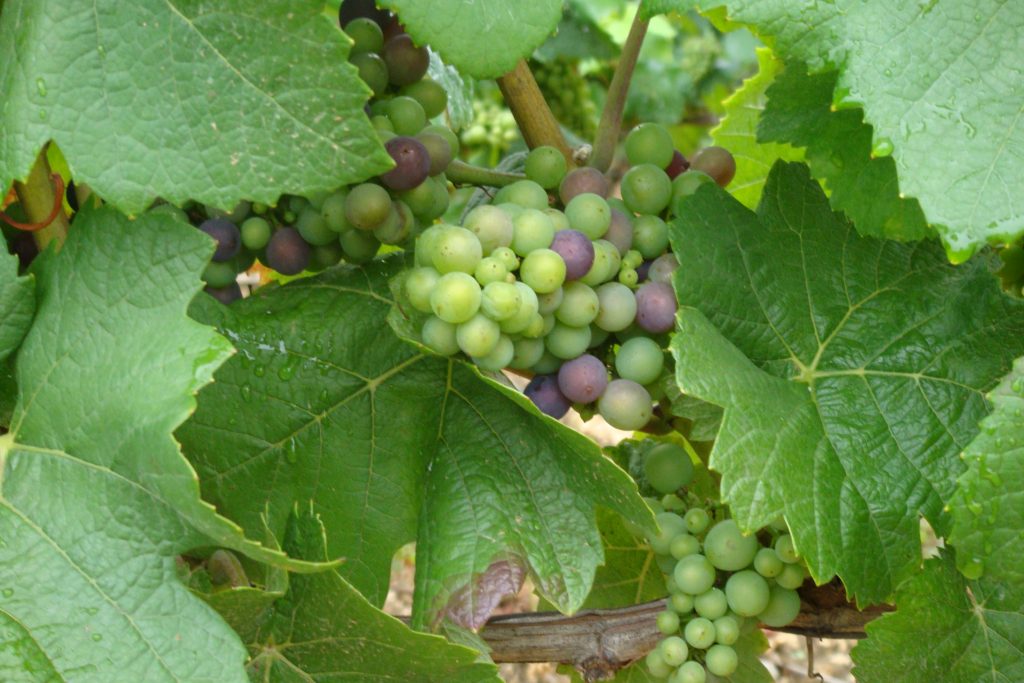
But it is in nature’s kindness that the winegrower places their trust: a mild start to spring, temperatures not cold enough to cause frost and not so warm as to make the buds open and shoots grow too quickly. This is how they await, with the right degree of impatience but also optimism, May flowering, fruit set, veraison, ripening and the harvest.
Further reading
The following stages of the vegetative cycle: nature awakening in the vineyard, vine flowering, grape veraison.