The magic of colouring
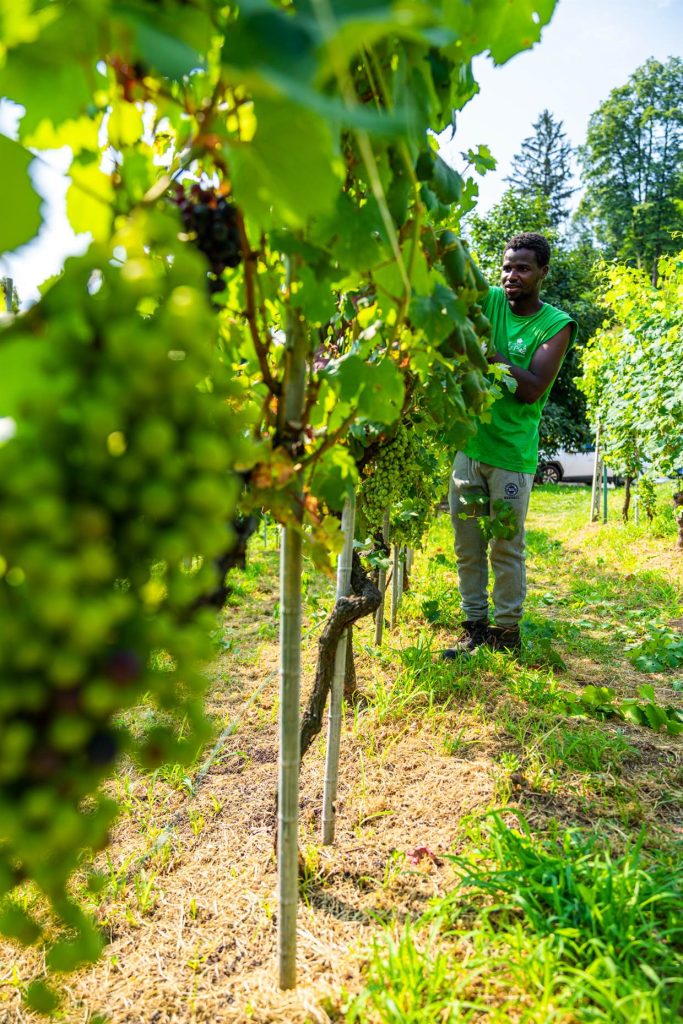
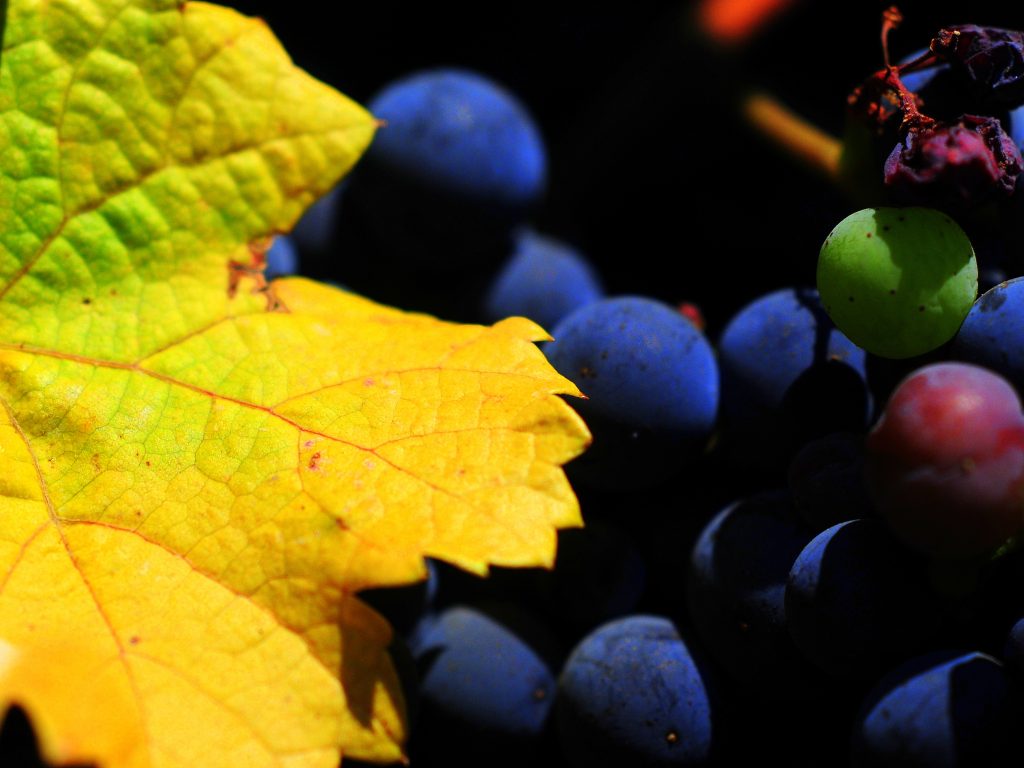
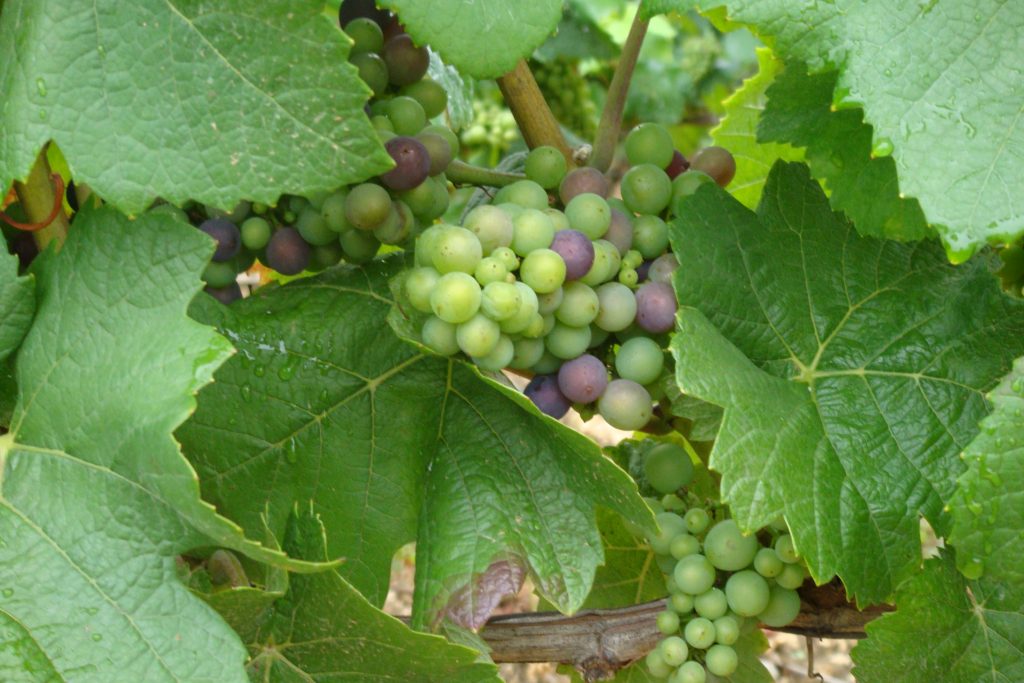
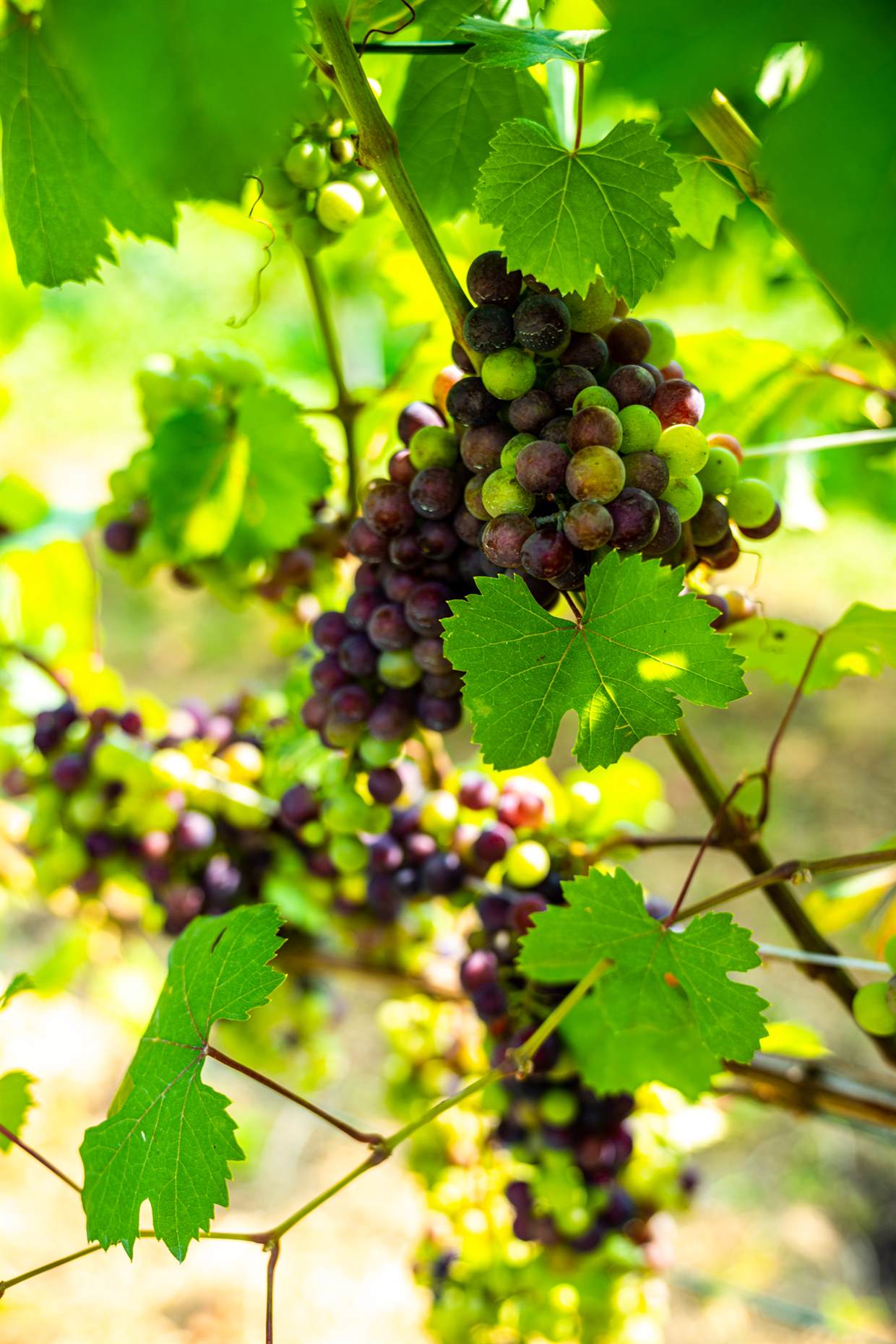
Grape veraison is one of the most distinctive and important phenomena in the vine’s annual cycle and is represented by the veraison stage. It takes place between July and August, in the period following fruit set. It is often described as the most spectacular moment of all the phenological stages, as the berries can be seen changing colour. Veraison is precisely the moment when bunches change colour from green to red with anthocyanins or to yellow with flavones, depending on the variety.
What happens?
During veraison, grapes prepare for full ripeness. At the beginning of this stage, there are 60 days until the start of the harvest. The berries increase in size and the bunches take on their characteristic shape. At this stage, the vine stops photosynthesis and begins the accumulation of aromas and polyphenols. During grape ripening, there is also an increase in sugar content, which rises until full ripeness. Veraison is part of the vine’s productive cycle, the one in which the plant produces its fruit.
The phenomenon of grape veraison
This phenomenon does not occur simultaneously in all berries, but is gradual, which is why it creates interesting and pleasing shades of colour. While externally we witness this variation in colour, internally several chemical phenomena can be observed. During veraison, the vine supplies the berries with nutrients, which will give the wine its future organoleptic characteristics. Inside the berries, during ripening, there is an increase in sugars, anthocyanins and flavones, which are responsible for colouring, and a decrease in acidity. At this point, aromatic substances are synthesised. It is not only about highly spectacular effects that influence the organoleptic characteristics of the future wine. Behind the veraison stage, there is also chemistry. Indeed, in this part of the vine cycle, chlorophyll metabolism is at the centre of chemical processes. Before veraison, the colouring of the epicarp is associated with chlorophyll, which covers the carotenoid pigments that will then prevail as the berries ripen.
Sugar ripening
In the vine’s annual cycle, this stage represents a crucial point for assessing the presence of reducing sugars, glucose and fructose, and organic acids. As the berries progressively change colour, these two parameters also change, and they are essential for determining the correct harvest period. This happens because, during veraison, sugars are transferred from the shoots to the berries, gradually reducing the percentage of acids. This percentage varies from wine to wine and is therefore an important parameter not to be underestimated. Red wine harvesting requires a high sugar content; therefore, picking must take place at full ripeness. For white winemaking, on the other hand, ripening must not be complete and harvesting should be carried out in the early stages of veraison, to allow for lower alcohol levels and greater fruity notes.
Anthocyanins and the change in colour
The change in berry colour during
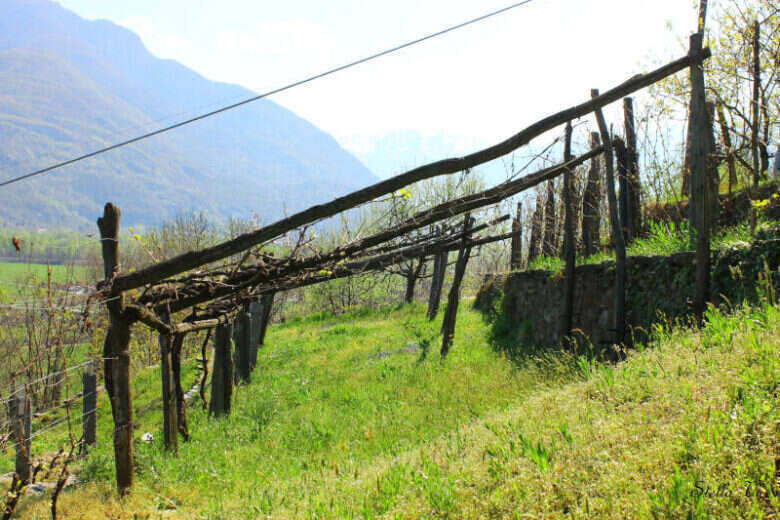
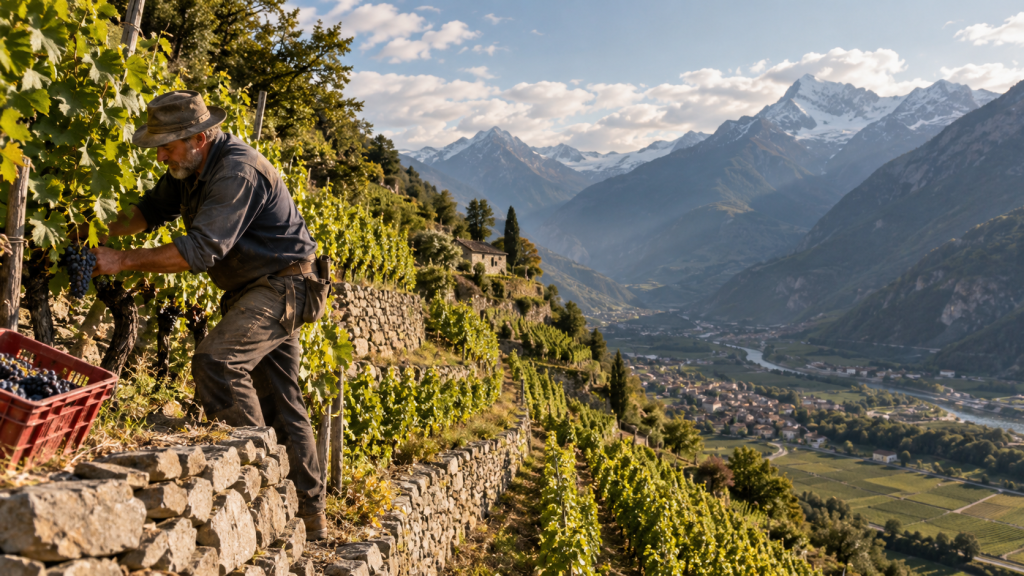
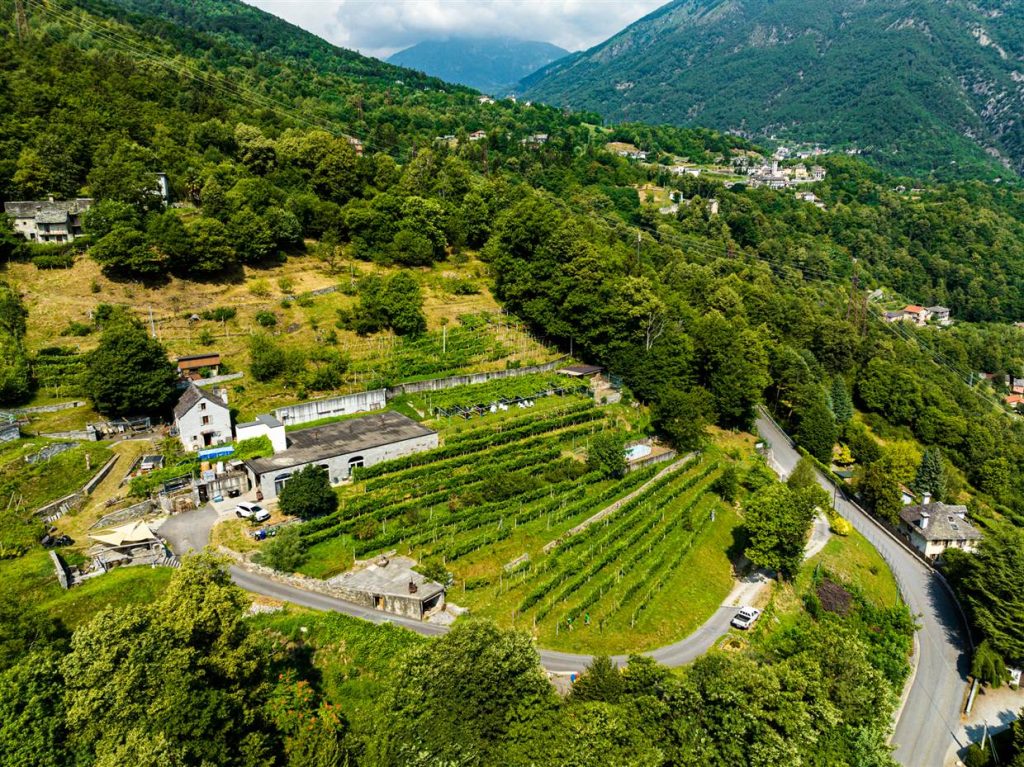
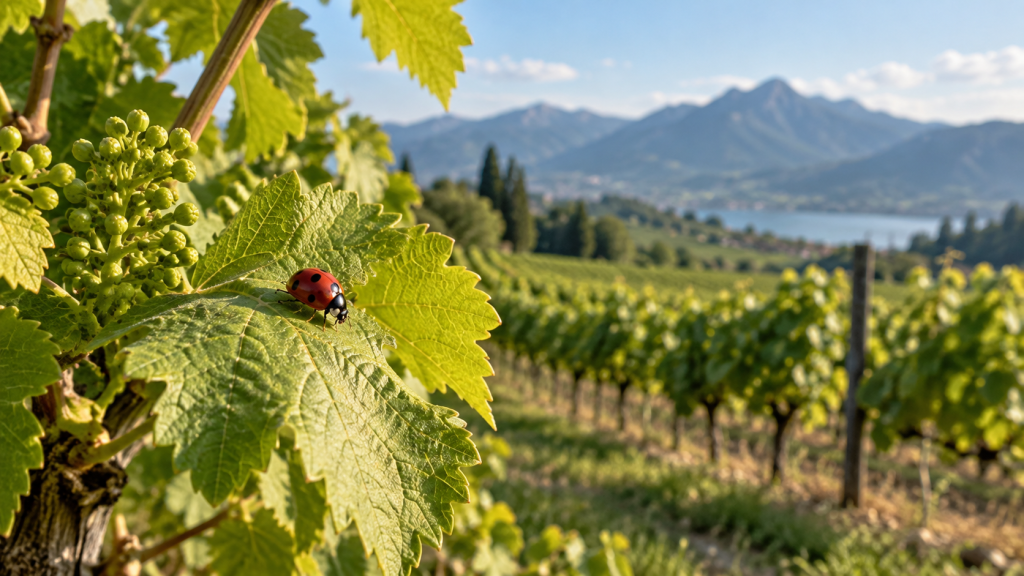
Observing veraison up close is also a fascinating sensory experience for those visiting a winery at this time of year, generally between late July and August in the Ossola Valley: the rows gradually take on colour, offering one of the most evocative sights of the entire vine cycle, halfway between the still-distant harvest and summer now at its peak.
Further reading
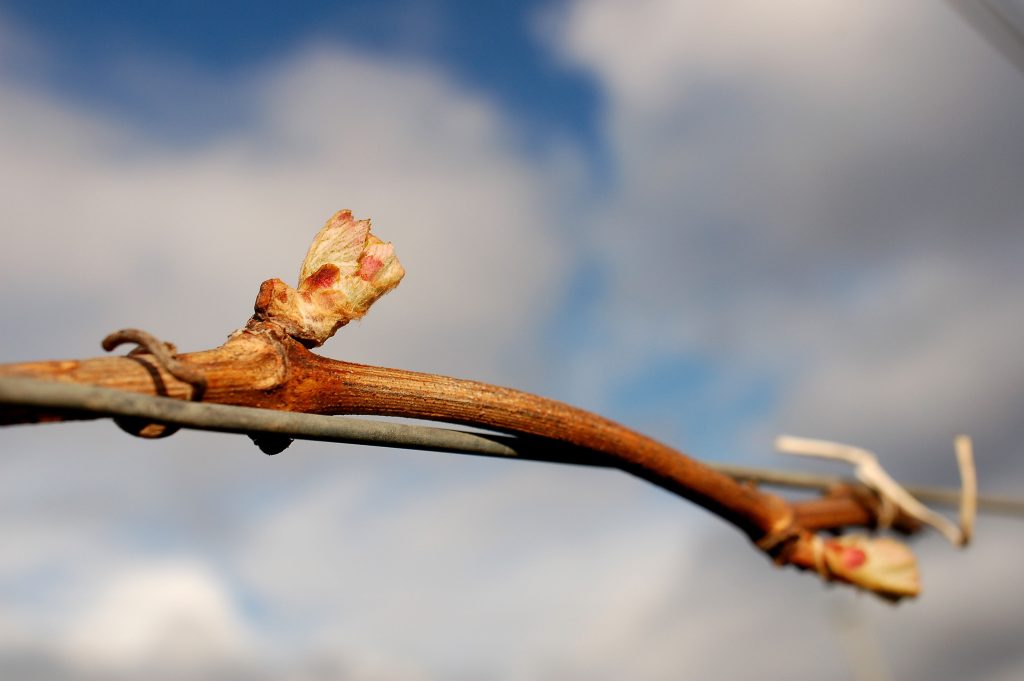
The other stages of the grape cycle: grape ripening, vine budbreak, the harvest.